REVIEW · ACCRA
Authentic Ghanaian Cooking Class in Accra
Book on Viator →Operated by Ghanapeopletour · Bookable on Viator
Accra is where food tells the truth. This cooking class puts you in the kitchen with a chef and a real plan for making Ghanaian dishes you can actually repeat at home.
I especially like the hands-on format and the fact that you’re guided through cooking, not just watching. I also like that vegetarian options are available, so you don’t have to sit out while the rest of the table cooks.
One thing to consider: you’ll want to be cautious and organized about booking and ticket delivery. The class has a strong average rating, but there are a couple of serious negative reports about problems getting tickets and receiving help, so double-check you have your confirmation and mobile ticket details before you go.
In This Review
- Key Highlights
- Why This Accra Cooking Class Feels Like Real Ghana
- Price and Value: Is $100 Worth It?
- Where You Start: Summer Haven and the Two Ways to Begin
- The Market Stop: Worth It If You Like Ingredient Details
- Inside the Cooking Class: How the Chef Runs It
- What You’ll Cook (and What to Expect If You’re Vegetarian)
- Pace, Duration, and the Standing-Throughout Reality
- Mobile Ticket and Private Group Setup
- The Customer Service Angle: Friendly Hosts, But Do Your Homework
- Practical Tips to Get the Most From Your Ghana Cooking Day
- Who This Cooking Class Is Best For
- Should You Book This Cooking Class in Accra?
- FAQ
- Where is the meeting point for the cooking class?
- How long is the Ghanaian cooking class in Accra?
- How much does it cost?
- Can I choose to visit a local market for ingredients?
- Are vegetarian options available?
- What’s included in the price?
- Is it a private tour and does it use a mobile ticket?
Key Highlights
- Optional local market stop to pick fresh ingredients (or skip straight to the kitchen)
- Private group format, so your chef can keep an eye on everyone’s progress
- Chef-led instruction with step-by-step cooking guidance
- Vegetarian-friendly menu options
- You eat what you make, plus you can take lunch home
Why This Accra Cooking Class Feels Like Real Ghana
This isn’t a staged “tour of food.” It’s a kitchen lesson built around the way Ghanaian home cooks work: ingredients first, then technique, then taste. You’ll spend a full stretch of time learning how dishes come together, and you’ll leave with food you prepared yourself.
The best part is that the chef isn’t just giving directions. He’s using instruction to help you understand why things are done a certain way—like timing, texture targets, and how to season as you go. That’s what turns a cooking class from entertainment into a skill.
And yes, it’s in Accra, not a distant “demo kitchen.” You’ll start at a clear meeting point (Summer Haven), and the activity ends back there after the lesson.
You can also read our reviews of more cooking classes in Accra



Price and Value: Is $100 Worth It?
At $100 per person for about 5 hours, the value depends on how you like to learn. If you want a meal and a memory, it’s pricier than a casual food tour. If you want cooking skills plus lunch you can take home, it starts to make sense.
Here’s what’s included that helps justify the cost:
- Ingredients provided for the cooking
- Chef instructions throughout the session
- Food tasting during the lesson
- Lunch included, and you can take all the food home
- Bottled water (complimentary)
Tips aren’t included, so budget a little extra if you decide to tip. Also, the experience is non-refundable and can’t be changed, so book when you’re confident about your dates.
If you’re traveling with a friend, this becomes easier to justify because you can split the “private group” energy and still get hands-on help. If you’re going solo, I’d look at it like paying for a personalized cooking lesson where you also eat.
Where You Start: Summer Haven and the Two Ways to Begin
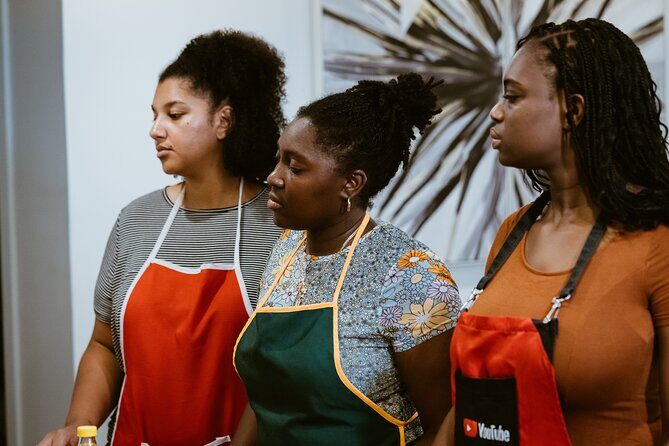
The meeting point is at Summer Haven (JQ5M+5VC, Accra). The tour starts there and finishes back at the same place, which is exactly what you want in a city where you’re probably also trying to fit in other plans.
You get two starting options:
1) Go to the local market to buy fresh ingredients
2) Meet directly in the kitchen for the lesson
If you like seeing ingredients up close—especially produce, spices, and staples—choose the market option. It’s also a fast way to understand what Ghanaian cooks consider “the basics” before you ever touch a stove.
If you’d rather save time or you’re arriving tired, meeting directly in the kitchen keeps things simple. Either way, you’ll still get the same core lesson: cooking with guidance, then eating what you made.
The Market Stop: Worth It If You Like Ingredient Details
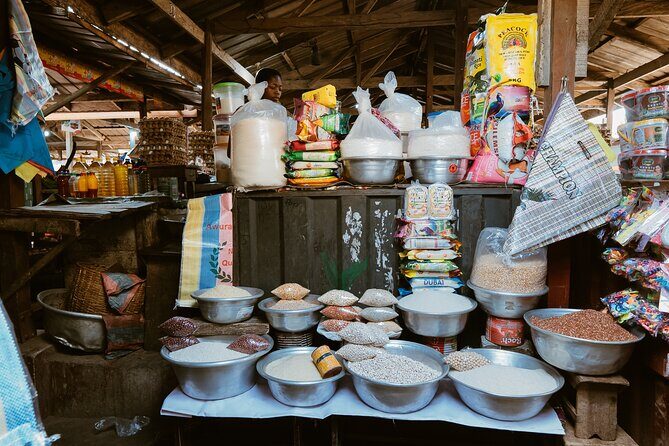
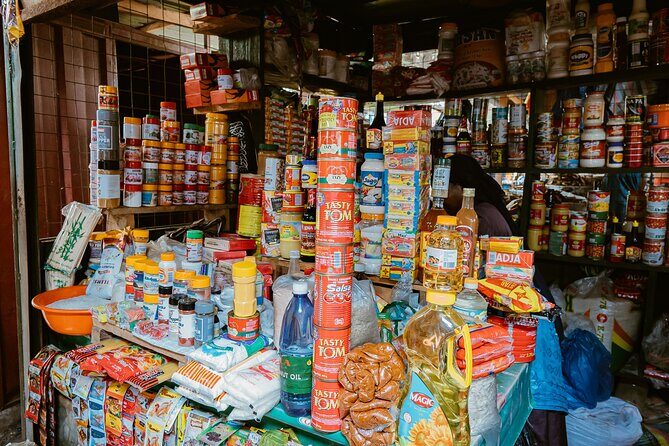
The market option is there for a reason: it puts you in front of the ingredients that actually drive the flavors. You can see what looks fresh, what people are choosing, and how cooks think about using what’s available.
Even if you don’t plan to shop much later, this part helps you connect the dots. When you cook, you’ll remember what you picked up at the market and why it matters for taste and texture.
That said, you should consider energy and timing. Markets can mean walking and standing. Combine that with the rest of the class being standing-heavy, and you’ll want comfortable shoes.
Inside the Cooking Class: How the Chef Runs It
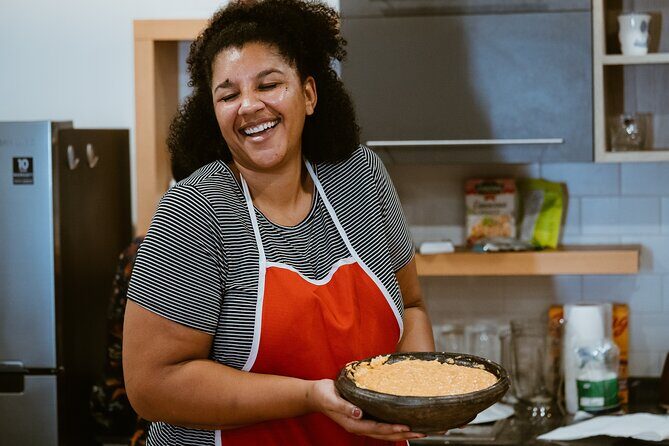
The class is built around active participation. You’ll be cooking with step-by-step guidance, which is especially helpful if your cooking skills are basic. The chef’s job isn’t just to teach recipes—it’s to help you avoid common mistakes that lead to bland food or wrong texture.
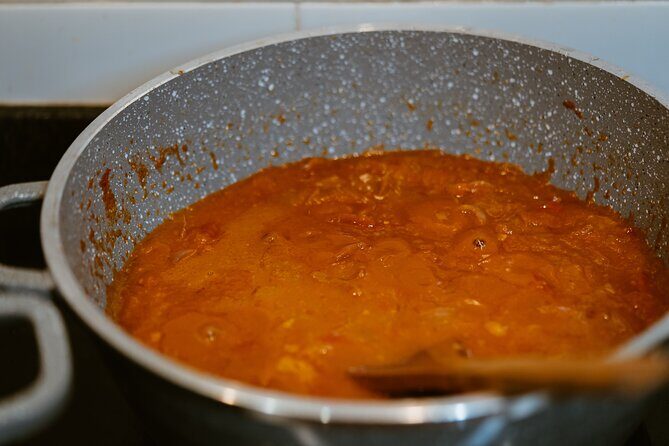
Expect a lot of practical instruction: how to prep ingredients, how to build flavor, and how to manage the sequence so everything is ready when the rest of the meal is coming together. This matters more than people think. Many cooking classes fall apart because people don’t understand timing, then you end up rushing at the stove.
From the way the host is described—warm personality, thorough explanations, and patience—it sounds like the teaching style is meant to keep you calm while you learn. Names that show up in feedback include AJ (event organizer/host) and Adjei (chef). If you get matched with them, you’re likely to get clear direction and a friendly tone.
A few more Accra tours and experiences worth a look


What You’ll Cook (and What to Expect If You’re Vegetarian)
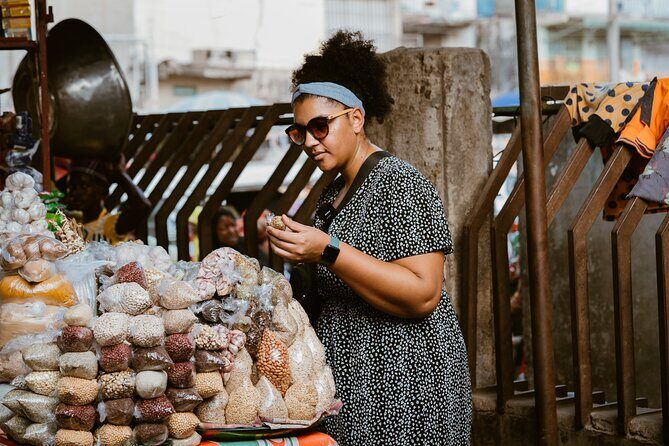
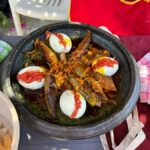
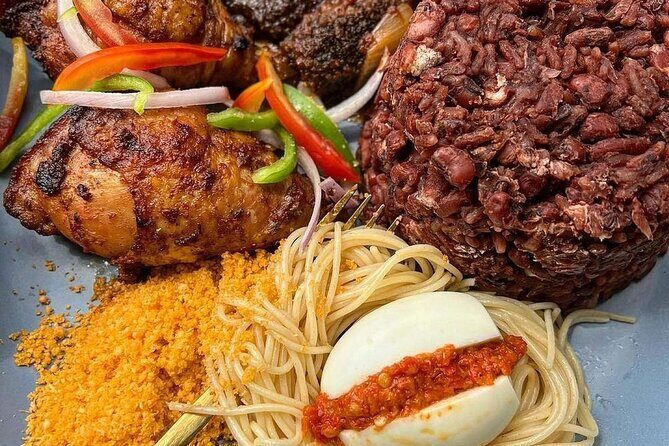
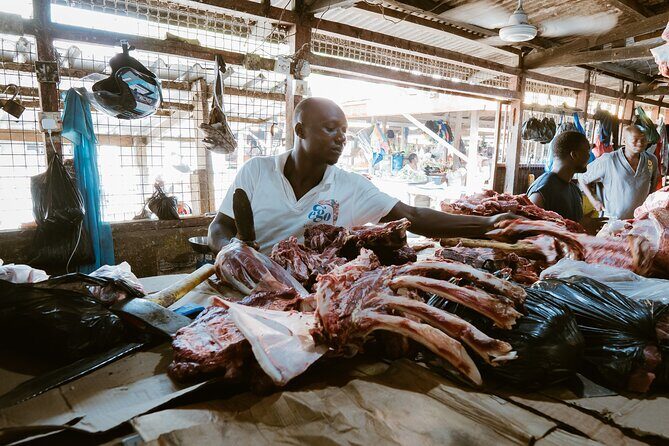
The class focuses on Ghanaian dishes, and the dish list in this experience’s orbit includes favorites like Jollof rice, waakye, and Tuo Zafi. You may also work with meals that include proteins such as chicken and goat meat stew, depending on the specific session.
There’s also mention of a drink: sobolo shows up as something participants cook or make during these lessons. That’s a fun bonus because it gives you a taste of Ghanaian flavor beyond rice and stew.
Vegetarian options are available, and that’s more important than it sounds. In many cooking classes, “vegetarian option” can mean a sad side dish. Here, the class is set up so vegetarians can join and still cook, learn, and eat as part of the main flow.
What you eat matters too: lunch is included, and you’re allowed to take all the food you prepare. That’s great for budget (you don’t have to buy a second meal) and it also helps you practice later. You can recreate the flavors the next day with fewer surprises.
Pace, Duration, and the Standing-Throughout Reality
This is about 5 hours total. The big physical factor is in the wording: the class includes standing throughout.
So plan accordingly:
- Wear shoes that handle long standing.
- Pace your water intake (water is included in the form of bottled water).
- If you get tired standing, consider bringing or wearing something supportive.
Also note the session runs within general daily hours of 5:30 AM to 8:00 PM (based on the overall operating window). That range means you may be cooking earlier or later depending on your booking slot, so plan your morning or afternoon energy.
Mobile Ticket and Private Group Setup
You’ll receive a mobile ticket, and the activity is a private tour/activity, meaning only your group participates.
That matters for two reasons:
1) You’re less likely to get rushed while the chef manages a big group.
2) The chef can tailor attention if someone needs extra help with technique.
The experience is also listed as near public transportation, which is useful if you’re bouncing around Accra and don’t want to rely entirely on taxis.
The Customer Service Angle: Friendly Hosts, But Do Your Homework
The positive feedback in the mix talks about thorough, step-by-step teaching and a patient, approachable vibe—especially connected to AJ and Adjei. People also highlight the experience as a trip highlight, with dishes like Jollof and stew described as flavorful and satisfying.
But there’s that caution too: at least one review calls out a potential scam situation involving payment and not receiving tickets. Another mentions an experience that felt poorly organized despite a good host personality.
I don’t think that means you should automatically avoid the class. I do think you should treat it like any high-stakes booking in a new place:
- Confirm you have the ticket details you need on your phone before you leave.
- Save your booking confirmation.
- Reach out as early as possible if anything looks off.
Do that, and you’ll protect your time—and your money.
Practical Tips to Get the Most From Your Ghana Cooking Day
Here’s how to turn this into a skill session, not just a fun meal:
- Ask questions while you cook, not after. The chef is there for the timing and technique parts.
- Pay attention to seasoning and texture cues. Those are the things that make your homemade version taste right.
- If you’re vegetarian, clarify what substitutions are used during your session. Vegetarian cooking works best when you understand the swap, not just the omission.
- Plan your next meal loosely. Lunch is included and you can take food home, so you may not need to eat again right away.
Also, because you’ll be standing, keep your day schedule realistic. Don’t stack something exhausting right before or after unless you’re sure you can handle it.
Who This Cooking Class Is Best For
This experience fits you best if:
- You want more than tasting—you want to learn how to cook.
- You enjoy structured teaching and step-by-step guidance.
- You’re excited about Ghanaian classics like Jollof rice and dishes such as waakye or Tuo Zafi.
- You want a vegetarian option that still lets you participate meaningfully.
It may be less ideal if you want lots of sitting around and watching. This is active, standing-heavy, and recipe-focused.
Should You Book This Cooking Class in Accra?
If you’re trying to get one hands-on cultural experience in Accra, I think this is a strong contender. The mix of chef-led instruction, included ingredients, tasting, and a full lunch you can take home makes it a practical value, not just a nice afternoon.
Book it if you:
- Want to come home with cooking skills, not just photos
- Appreciate clear teaching and patience in the kitchen
- Are comfortable with standing throughout a 5-hour class
Skip or be extra careful if:
- You’ve had trouble getting digital tickets in the past with travel providers
- Your schedule is tight and non-refundable risk would stress you out
- You don’t want a hands-on cooking day
If you can do the simple homework—confirmation, ticket, comfort clothes—you’re likely to come away with real Ghanaian cooking knowledge and food you’ll keep eating after the class ends.
FAQ
Where is the meeting point for the cooking class?
The class meets at Summer Haven (JQ5M+5VC, Accra, Ghana). The activity ends back at the same meeting point.
How long is the Ghanaian cooking class in Accra?
The cooking class runs for about 5 hours (approx.).
How much does it cost?
It costs $100.00 per person.
Can I choose to visit a local market for ingredients?
Yes. You can either join at the local market to purchase fresh ingredients or meet directly in the kitchen for the lesson.
Are vegetarian options available?
Yes. Vegetarian options are available, and vegetarians are welcome to join the class.
What’s included in the price?
Included: bottled water, lunch (and you can take all the food home), food tasting, cooking instructions by the chef, and ingredients for cooking.
Is it a private tour and does it use a mobile ticket?
Yes. It’s a private tour/activity for your group only, and it includes a mobile ticket.