REVIEW · ACCRA
7days/6nights Eco Tourism
Book on Viator →Operated by Star Tours Ghana · Bookable on Viator
This trip strings together monkey sanctuaries, waterfalls, and big cultural sights with a logistics handle so you spend less time organizing and more time looking. I like that entrance fees and meals are included, so the day-to-day budgeting stays simple. I also like the eco angle: the schedule leans into nature moments like Wli Waterfalls, Kakum canopy views, and safaris in Mole. The main drawback to consider is the pace and effort: you’ll be doing hikes and walking days, including a trek up toward Mount Afadjato.
You’re also getting a few extras that matter in Ghana travel—unlimited purified bottled water, free WiFi, and a Star Tours Ghana T-shirt—plus pickup help and a mobile ticket. And there’s a meaningful connection to the local community through Future Stars Ghana, which supports 150+ orphans and destitute children.
In This Review
- Key highlights worth circling
- Entering the Route: Accra First, Then Ghana in a Straight Shot
- Price and What You Really Get for $1,980 per Person
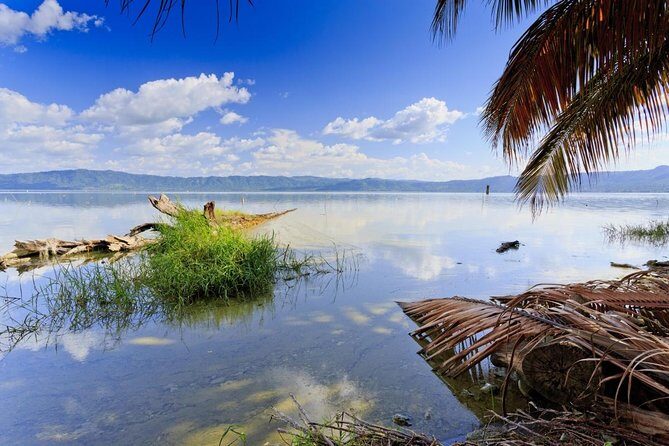
- Day 1: Legon Botanical Gardens, Sajuna Beach Club, and Akosombo Lake Time
- Day 2: Tafi Atome Monkeys, Mount Afadjato Trek, and Wli Waterfalls
- Day 3: Lipke Caves, Kumasi Royal Stops, and Lake Bosomtwi Views
- Day 4: Bobiri Forest Reserve, Boabeng Fiema Monkeys, and Tano Sacred Groves
- Day 5: Kintampo Falls, Fuller Falls, and Getting Into Mole National Park
- Day 6: Early Mole Safari, ATV Jungle Time, and Larabanga Mosque to Cape Coast
- Day 7: Assin Manso, Cape Coast Castle, Kakum Canopy Walk, and Fort St Jago
- Meals, Comfort, and the Extras That Actually Help
- Who This Ghana Eco Tour Fits Best
- Should You Book This 7-Day Star Tours Ghana Eco Experience?
- FAQ
- What is the duration of the tour?
- Where does the tour take place?
- How much does it cost?
- What time does the tour start each day?
- Is pickup included?
- Are entrance fees included?
- What meals are included?
- What about cancellations or weather issues?
Key highlights worth circling
- All entrance fees included, so the major sights don’t turn into surprise add-ons
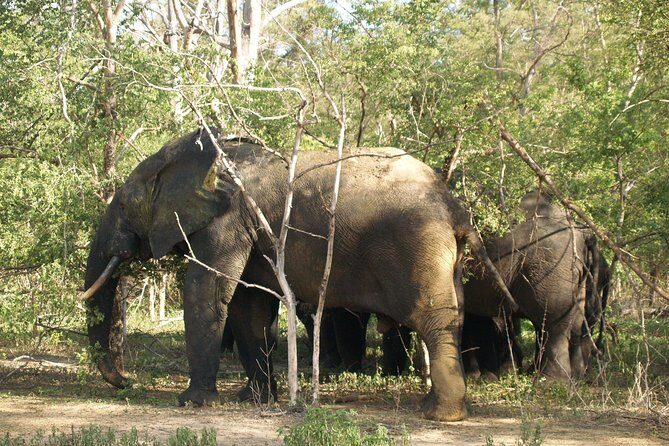
- Mole National Park safari plus an early jungle on-foot session
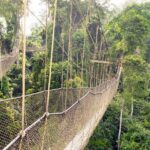
- Kakum National Park canopy walkway for treetop views
- Cape Coast Castle and Assin Manso for a heavy, important historical thread
- Multiple wildlife stops: Tafi Atome, Boabeng Fiema, and forest/butterfly areas
- Meals included for all days with air-conditioned transport
Entering the Route: Accra First, Then Ghana in a Straight Shot
This is a 7-day, 6-night Ghana eco itinerary that starts in Accra and then keeps moving west and north without wasting time backtracking. Start time is 7:00 am, so expect full mornings and a schedule that keeps you fed and on the road rather than hovering in transit for hours.
What makes this style of planning work for most people is that it’s built around set geographic clusters. You begin with Accra-area nature and lake time, then shift into the interior for caves, royals, forests, and waterfalls, and finally land on the coast for castles and canopy walking. If you like variety—rather than one theme repeated all week—this route hits a sweet spot.
The private group setup also matters. This is private, meaning you’re not sharing the day with random strangers, and your guide can pace you around the key stops instead of rushing to keep a big bus group on schedule.
A few more Accra tours and experiences worth a look


Price and What You Really Get for $1,980 per Person
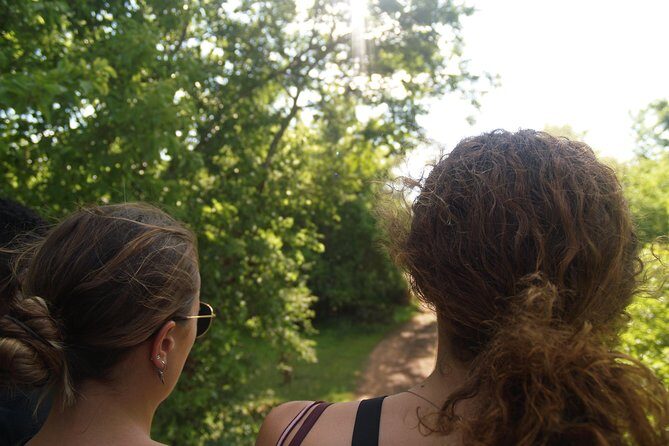
At $1,980 per person, you’re paying for a lot more than a driver with a playlist. The tour includes air-conditioned vehicle, all fees and taxes, and all meals (7 breakfasts, 7 lunches, 7 dinners). It also includes several activity costs across the week, like admission into major sites and excursions such as the canopy walkway experiences.
That’s the value part: in Ghana, “small fees” can stack fast across multiple attractions. Here, those costs are absorbed into the package, so you’re less likely to face the classic end-of-day scramble for ticket money.
Also included are practical travel comforts that reduce friction—unlimited purified bottled water and free WiFi, plus a Star Tours Ghana T-shirt. Those extras won’t change the scenery, but they do make the long days easier.
If you’re trying to decide whether it’s worth it, I’d compare this not to a cheap DIY plan, but to the cost of assembling the same set of stops across multiple regions with entrance fees and guided coordination.
Day 1: Legon Botanical Gardens, Sajuna Beach Club, and Akosombo Lake Time
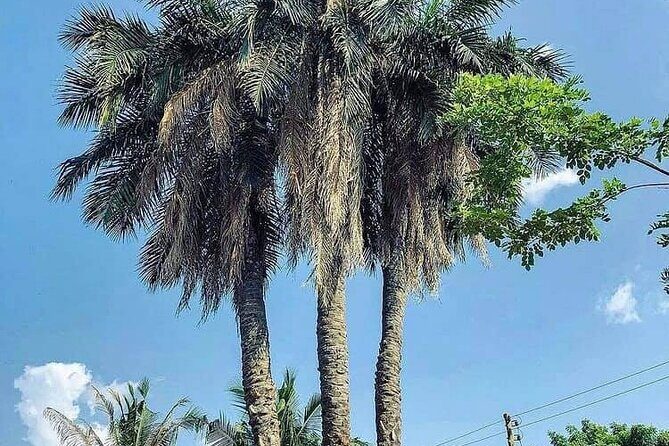
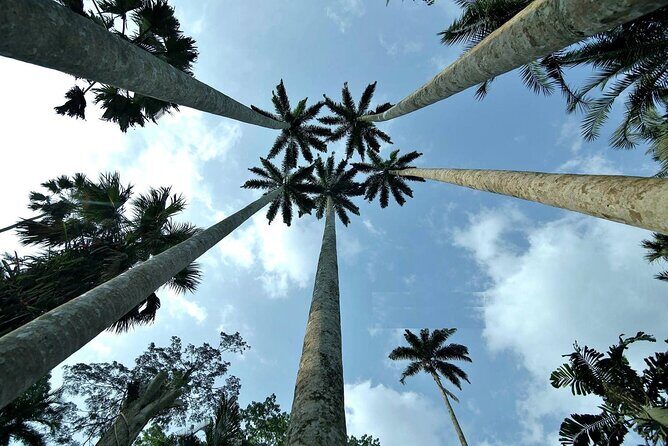
Day 1 balances greenery with lake relaxation. First up is Legon Botanical Gardens and the Aburi gardens area. This is a good opener because it gets you into the rhythm of Ghana nature right away. You get open walking time, shade, and an easy entry into the climate and pace you’ll keep all week.
Next is Sajuna Beach Club with a boat ride on the Akosombo lake. This is the kind of stop that breaks the day. Instead of another museum or another site with timed entry, you shift to water and views—great for photos, but also good for breathing after morning travel.
One practical note: boat time can be best when you wear comfortable, quick-dry clothes and shoes that can handle uneven ground near the dock areas. The day is mostly included, but you’ll still want to feel steady during boarding and walking.
Day 2: Tafi Atome Monkeys, Mount Afadjato Trek, and Wli Waterfalls
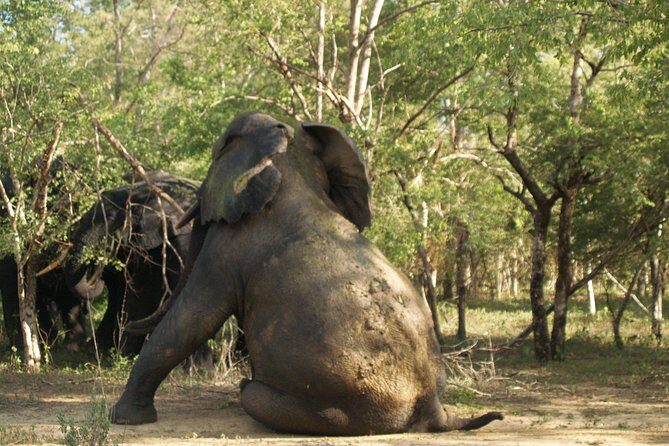
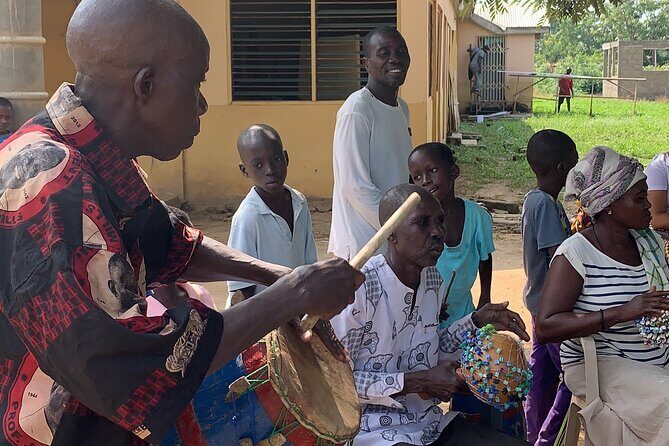
Day 2 is where the eco adventure voice gets louder. At Tafi Atome Monkey Sanctuary and Cultural Village, you’ll observe monkeys in their natural environment and also get time to feed, play, and watch them. This is one of the stops that tends to feel authentic because you’re close to real animal behavior rather than a scripted performance.
After that comes the physically active day. The itinerary sets you off toward Mount Afadjato, described as the highest mountain in Ghana, with a trek through remote villages in the process. Admission is listed as free here, but don’t confuse free with easy. The payoff is the sense of moving through communities and terrain rather than only stopping at viewpoints.
Then you finish with Wli Waterfalls, the highest in Ghana and described as the tallest in West Africa. You get time hiking to the falls, and there are lower and upper falls. This stop is often the most memorable on a trip like this because water changes everything—sound, mist, and the feeling of being somewhere “bigger than a photo.”
For Wli, plan for wet footing and lots of steps. If you have knee issues or you dislike uneven trails, this is the day to bring your own pacing strategy and wear grippy shoes.
Day 3: Lipke Caves, Kumasi Royal Stops, and Lake Bosomtwi Views
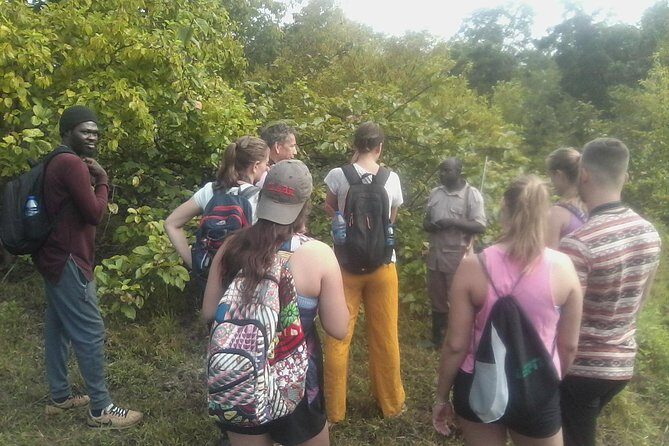
Day 3 starts early with Likpe Mate and visits to the Lipke caves. Caves can be surprisingly interesting because they mix environment with storytelling, and you get a chance to learn cave history before you head out.
Then the trip shifts to Kumasi for royal and cultural landmarks. The highlight here is Manhyia Palace Museum, home of the Asantehene, presented as the center for learning about Ashanti history firsthand. Even if museums aren’t your thing, this kind of stop helps you understand the region beyond crafts shops and quick photo stops.
Right after that, you’ll visit the Okomfo Anokye Sword site—another key Ashanti historical location tied to the famous sword story. It’s one of those places that benefits from having a guide to connect symbols, names, and meaning.
Finally, you reach Lake Bosomtwi, described as the only natural lake in Ghana formed by a meteorite strike. The time at the lake is shorter than earlier stops, so treat it as a reset: views, calm, and a breath before you head back into more sites the next day.


Day 4: Bobiri Forest Reserve, Boabeng Fiema Monkeys, and Tano Sacred Groves
Day 4 moves through wildlife and sacred geography. First is Bobiri Forest Reserve, with a mention of Lake Bosomtwi and the Bobiri butterfly reserve. The “forest reserve” framing matters: you’re not just chasing a single view. You’re walking through a living habitat context.
Next is Boabeng Fiema Monkey Sanctuary, where you can see and interact with monkeys described as over 700 Geoffrey’s Pied Colombus and Campbell Mona monkeys. This stop is a big wildlife moment, but it’s also cultural: the monkeys are part of the area’s relationship between people and nature.
Then the itinerary shifts to spiritual and historic refuge sites at Tano Sacred Grove / Tano Boase. The tour describes sacred groves and caves where villagers sought refuge during slave raids and tribal wars. This is heavier than it sounds, but it gives context for why places like these are treated with care.
A practical takeaway for all sacred and cave areas: keep your voice steady, follow local rules closely, and avoid turning the visit into a playground. You’re there to respect the place and learn, not just to collect photos.
Day 5: Kintampo Falls, Fuller Falls, and Getting Into Mole National Park
Day 5 starts with waterfalls that sound made for adventure. At Kintampo Falls, you’ll have time to swim under the waterfalls and also use a canopy walkway. Swimming adds a fun element, but it also means you should treat the day like a water activity—bring a towel plan and expect wet clothes after.
Then you visit Fuller Falls, exploring waterfall areas and surrounding forest before driving toward Mole National Park. This is a good flow: water first, then wildlife country.
Once in Mole National Park, you get time for an African safari experience and wildlife viewing. The itinerary lists it with a shorter time block, so don’t expect all-day roaming on this particular day. Instead, think of it as the “first contact” safari that sets you up for the deeper Mole experiences on Day 6.
Day 6: Early Mole Safari, ATV Jungle Time, and Larabanga Mosque to Cape Coast
Day 6 is the nature hard-hitter. You wake early at Mole National Park and start with an ATV trip into the jungle. That’s a practical compromise: you get deeper into the area than you could on foot, without needing a full-day hike right away.
The schedule notes you return by around 8:00 am for breakfast, then you start a second safari on foot through dense jungle. This on-foot session is the one that helps the wildlife feel real. In a vehicle, you spot more from a distance. On foot, you notice smaller movement and the quiet details of the forest.
After the safari day part, the tour shifts to history and architecture with a visit to Larabanga Mosque, described as built in Sudanese architectural style and noted as the oldest mosque in Ghana and among the oldest in West Africa.
From there, you drive toward Cape Coast. The pace here is still active, but the change in setting is satisfying: you go from jungle rhythms to coastal energy by the end of the day.
Day 7: Assin Manso, Cape Coast Castle, Kakum Canopy Walk, and Fort St Jago
Day 7 is about meaning on the coast. You start at Assin Manso Ancestral Slave River Park, described as the final link in the slavery route from northern Ghana and once known as a large slave market. This is not “tourist light.” It’s a solemn thread that gives context before you move to the coastal castles.
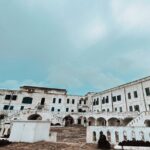
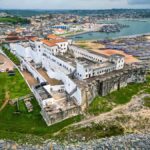
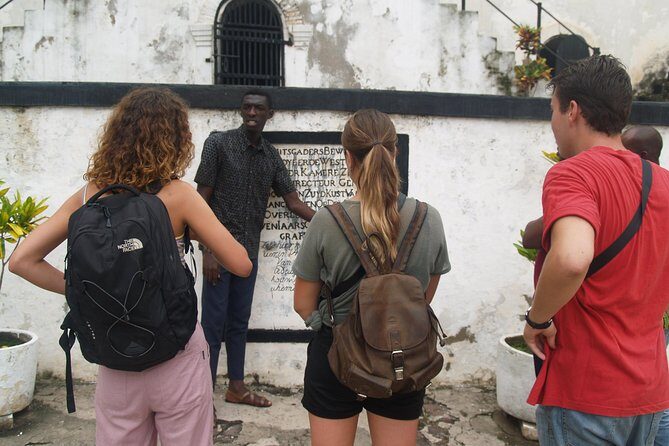
Then comes Cape Coast Castle, toured with local guides. You’ll see the grim dungeons and the cannon-lined catwalks, with time to explore after the guided part. Guides are included here specifically, and that matters because castle history is complex—names, timelines, and the logic of how the system worked.
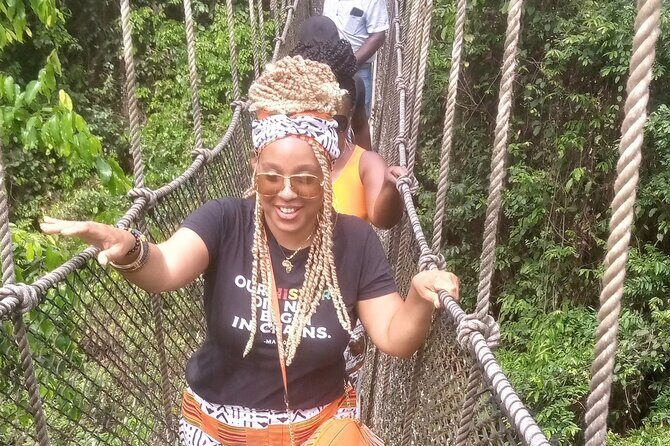
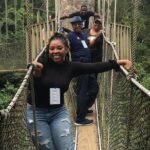
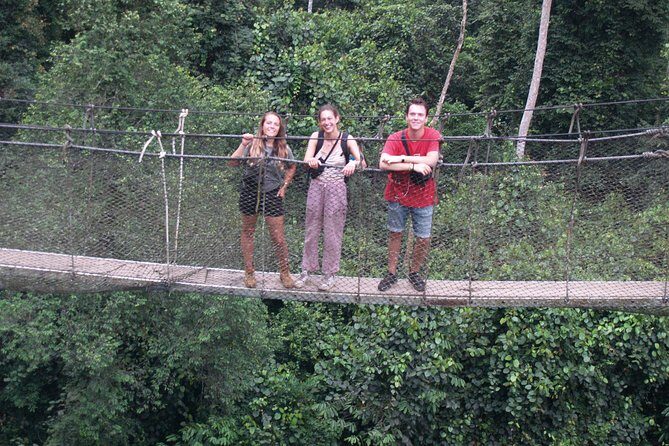
Next is Kakum National Park, with birds and butterflies mentioned, and the big draw is the canopy walkway suspended about 45 meters above the ground. This is the day’s contrast stop: after heavy history, you get treetop views of forest life from above.
Finally, you visit Fort St Jago, with the itinerary also referencing Elmina Castle. The important detail is that local guides meet you again for these castle visits, and then you get time to explore on your own.
Fort castle areas can mean lots of stairs and uneven surfaces. If you’re carrying a day bag, keep it light and plan for wind—coastal areas can feel breezy once you’re up high on walkways.
Meals, Comfort, and the Extras That Actually Help
Meals are covered for every day: breakfast, lunch, and dinner are included for all 7 days. That removes a huge planning headache. You can stay focused on the day’s sights instead of guessing where to eat between stops.
Comfort-wise, the tour notes comfortable accommodation in feedback, and you travel in an air-conditioned vehicle. That matters in Ghana when distances add up and you’re switching between humidity, forest shade, and coastal breezes.
The “small extras” are worth mentioning because they support the long schedule: unlimited purified bottled water, free WiFi, and a Star Tours Ghana T-shirt. Even if you don’t care about the shirt, the water policy is practical—staying hydrated makes the trekking days more manageable.
Who This Ghana Eco Tour Fits Best
This tour is a strong match if you want a guided week that covers wildlife, culture, and coast in one plan. You’ll like it if you’re okay with early starts and you don’t mind active days.
You might find it especially appealing if you:
- Want private pacing for your group rather than a large shared bus
- Prefer an itinerary where entrance fees and meals are already handled
- Enjoy a mix of nature and history, including the heavier parts of Ghana’s past
The main caution is physical effort. You’ll be hiking for Wli Waterfalls, climbing or trekking around Afadjato, and spending time walking in parks and castles. If you’re very mobility-limited, this may be harder than it looks on paper. The tour says most travelers can participate, but your comfort level with uneven trails is still key.
Should You Book This 7-Day Star Tours Ghana Eco Experience?
I’d book it if you want an organized Ghana trip that actually feels like multiple regions, not just a checklist of far-apart stops. The best reasons to choose it are the included fees and meals, the mix of wildlife and canopy viewpoints, and the fact that local guides are used for the history-heavy castle days.
I’d think twice if you want a slow, restful week, because the itinerary is active and front-loaded with movement—especially around waterfall hiking and nature walking. Also, because good weather is required, plan to be flexible if conditions change.
If your goal is to see Ghana’s main highlights with fewer logistics headaches and a real eco-natural focus, this one makes a lot of sense.
FAQ
What is the duration of the tour?
The tour is 7 days (about 6 nights).
Where does the tour take place?
It’s in Ghana, starting from Accra.
How much does it cost?
The price listed is $1,980.00 per person.
What time does the tour start each day?
The start time is 7:00 am.
Is pickup included?
Pickup is offered.
Are entrance fees included?
Yes. All entrance fees are included in the tour.
What meals are included?
Breakfast, lunch, and dinner are included for 7 days.
What about cancellations or weather issues?
Free cancellation is available up to 24 hours in advance for a full refund, and the experience requires good weather—if it’s canceled due to poor weather, you’ll be offered a different date or a full refund.