REVIEW · ACCRA
Accra Guided City Tour Experience
Book on GetYourGuide →Operated by Expedition-Go Tours · Bookable on GetYourGuide
Accra feels big and personal at once. This guided day links Ghana’s major turning points—independence, Pan-African ideas, and everyday city life—into one smooth 6-hour loop, with air-conditioning and Wi‑Fi on board. I like that you can keep up with the story as you travel, and still post your photos while you’re on the move.
Two things I’d call out right away: you get a dedicated tour guide who keeps the day organized, and the tour includes skip-the-line access so you spend less time waiting and more time learning. The one downside to plan for is simple: lunch is not included, so you’ll want to budget time and cash for food.
In This Review
- Key points before you go
- Why this Accra tour starts at 7:00 AM
- Kwame Nkrumah Memorial Park: independence lessons you can walk through
- Makola Market: shopping with a guide, not a headache
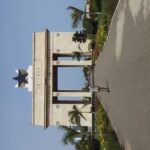
- Independence Square and the Black Star Gate: history with an ocean view
- W.E.B. Du Bois Center: Pan-Africanism made personal
- Center for National Culture: crafts, textiles, and performances
- Ghana National Museum: where you connect the dots
- Price and value: is $45 fair for 6 hours?
- Timing, comfort, and the small rules that shape the day
- Which type of traveler should book
- Should you book the Accra Guided City Tour?
- FAQ
- What’s the duration of the Accra Guided City Tour?
- What time is pickup, and can it change?
- What attractions are included in the tour?
- Is lunch included?
- What’s included in the price?
- Can I pay later, and how does cancellation work?
- Is this tour available in English?
Key points before you go
- 7:00 AM pickup helps dodge Accra traffic and keeps the museums from turning into a time squeeze.
- Kwame Nkrumah Memorial Park mixes a mausoleum, a museum, and an iconic statue with garden time.
- Makola Market support includes help with navigating stalls and making purchases with less stress.
- Black Star Square gives you independence history plus great views toward the Atlantic.
- Du Bois Center + National Museum connect Ghana’s story to wider African and African American history.
- Wi‑Fi on board + bottled water make a long day easier, especially in the heat.
Why this Accra tour starts at 7:00 AM
This is one of those tours where the start time matters. You’ll be picked up at 7:00 AM, largely to beat traffic and give you enough time to cover several major sites without rushing through each stop.
The ride itself is part of the value: the vehicle is air-conditioned, and there’s Wi‑Fi on board, so the day doesn’t feel like a sweaty slog between landmarks. You also get bottled water, and you’re not left guessing about timing—the schedule is built around museum entry and daylight hours.
One more practical note: pickup and drop-off times can shift because of traffic, weather, road conditions, or your specific pickup location. That’s normal for Accra. If you’re the type who needs everything on the dot, this is where you’ll need a little patience.
You can also read our reviews of more guided tours in Accra



Kwame Nkrumah Memorial Park: independence lessons you can walk through
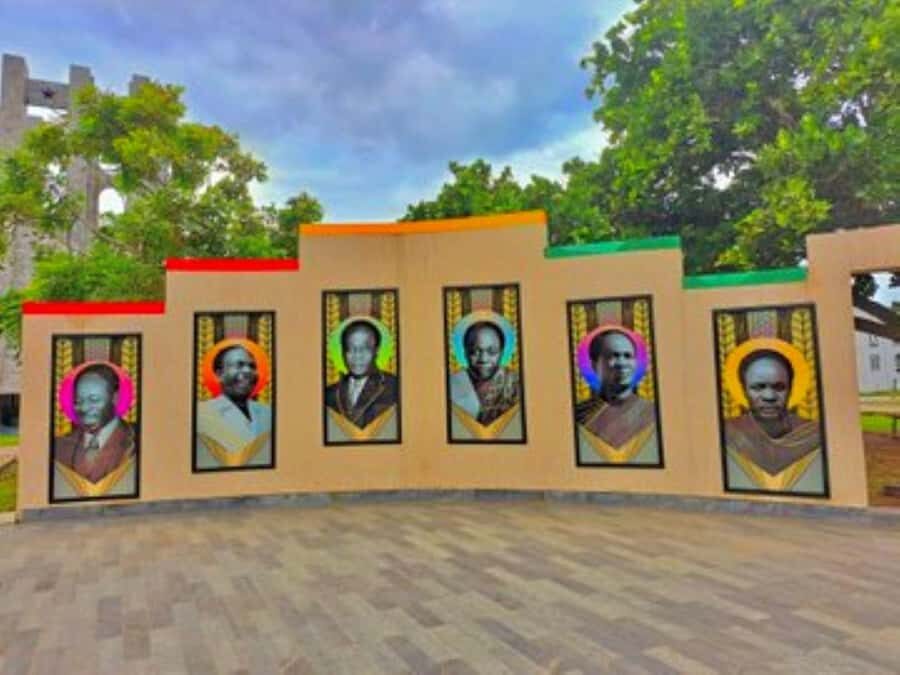
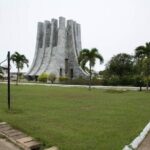
Your first major stop is the Kwame Nkrumah Memorial Park, the kind of place that makes history feel concrete. You’ll see Nkrumah’s mausoleum, a museum, and the well-known bronze statue, all within landscaped grounds designed for visitors to slow down.
What I like about this stop is how it teaches context without turning into a textbook. You get to connect symbols to events: Nkrumah’s role in Ghana’s independence, the meaning behind the monuments, and the idea of nation-building as something that happened through people—not just dates on a sign.
The gardens are not just decoration. They help you take a breath before the city’s energy kicks back in. If you want photos, this is also a strong opening location because you’re still fresh and the light often cooperates early.
Tip: Treat this as your foundation stop. If you only remember one thing all day, let it be what Ghana’s independence meant and how the country chose to represent it.
Makola Market: shopping with a guide, not a headache
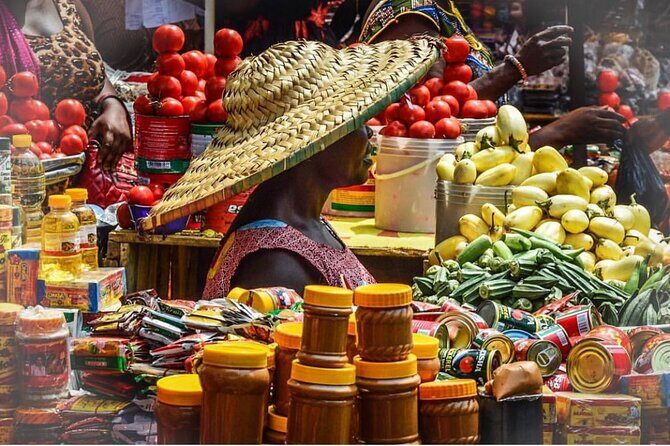
Then you hit Makola Market, a real working market where you’ll see how locals buy and sell every day. Expect textiles, clothing, food items, and electronics, with plenty of activity around you.
A guided market stop is worth it here. Without help, markets can turn into a maze of competing offers, crowded aisles, and unclear pricing. With a guide, you move with more confidence and you’re more likely to find things you actually want.
In particular, I like how guides in this program often help you with practical tasks like understanding what’s being sold and negotiating respectfully when you’re ready to buy. People also get help with photographs, which matters in a market where it’s easy to forget you have a camera.
Bring cash for Makola Market and other places where you may want to purchase souvenirs. Credit cards aren’t a guarantee here based on what’s provided, so cash is your safest plan.
Independence Square and the Black Star Gate: history with an ocean view
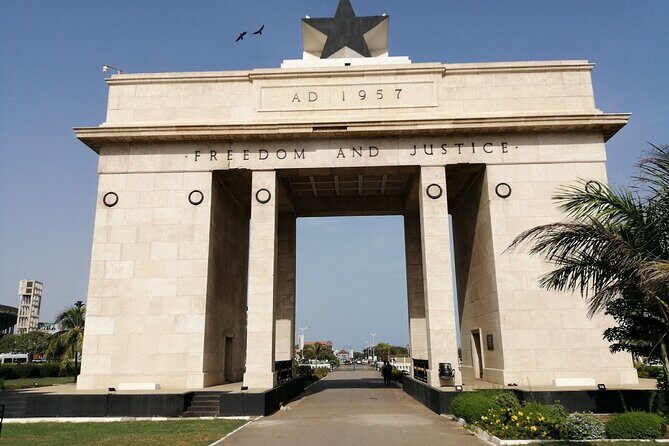
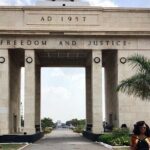
Next up is Independence Square, also called Black Star Square, plus the Center for National Culture area. This is the moment where Ghana’s independence story turns into a big public symbol you can see and stand near.
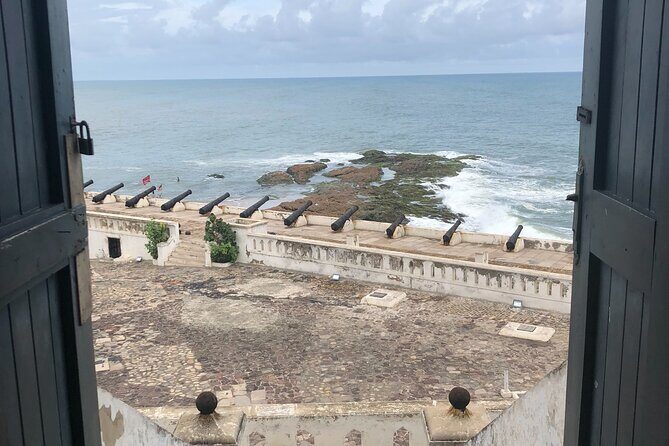
You’ll visit the Black Star Gate and the Independence Arch, then learn about Ghana’s independence in 1957. The setting also includes a scenic element: the square has an overlook where you can see toward the Atlantic Ocean. That view is a reminder that this isn’t just history in a room—it’s history connected to geography, trade routes, and the wider world.
If you’re the kind of traveler who wants fewer stops and deeper time, this is still a good site because it’s visually rewarding and easy to photograph. Just pace yourself. Public monuments can pull you in different directions, and you’ll want to keep the flow of the schedule so you don’t lose time later.
W.E.B. Du Bois Center: Pan-Africanism made personal
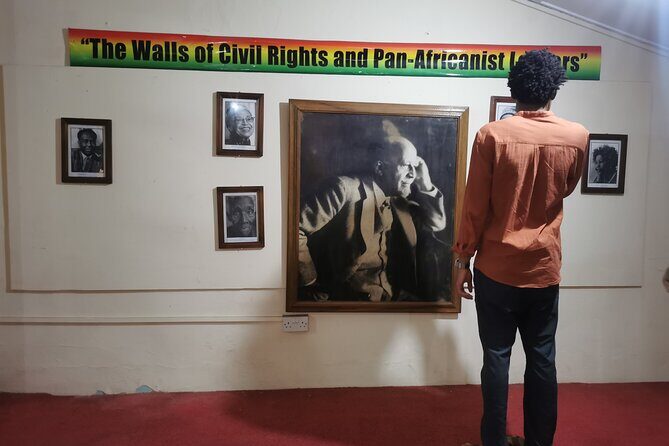
After Independence Square, the day turns outward with the W.E.B. Du Bois Center. You’ll see Du Bois’ mausoleum and a museum focused on his contributions to Pan-Africanism and African unity.
This stop is valuable because it links Ghana to ideas that traveled far beyond one country. Du Bois is often taught globally, but standing where his story is honored gives the context a different weight. You start to see how movements for identity, freedom, and solidarity formed across oceans.
I also like that this isn’t just about famous names. The center helps you understand the emotional and political stakes of belonging, recognition, and community—themes that matter if you’re trying to understand modern African identity, not just colonial-era timelines.
Photo note: If you want a smooth photo experience, this is usually a good moment to ask your guide to help with shots. Many guides in this program are used to taking photos for people during site transitions, which saves time and keeps your camera organized.
You can also read our reviews of more city tours in Accra


Center for National Culture: crafts, textiles, and performances
At the Center for National Culture, you’ll find a marketplace feel, with arts and crafts on display—from sculptures to textiles. The focus here is Ghanaian creativity as something you can browse and talk about, not just something behind glass.
You may also catch cultural performances while you’re there. If you’re trying to balance museums with “human energy,” this part of the day helps. It’s also a solid place to buy practical souvenirs like textiles and small art pieces, since it’s built around local makers and the culture they represent.
What helps most is having a guide who can point you toward interesting items and keep you from getting lost in the noise of a busy cultural area. You’re not just shopping—you’re learning how people make, label, and explain what they sell.
Cash helps again here, and it’s smart to keep some smaller bills for simpler purchases.
Ghana National Museum: where you connect the dots
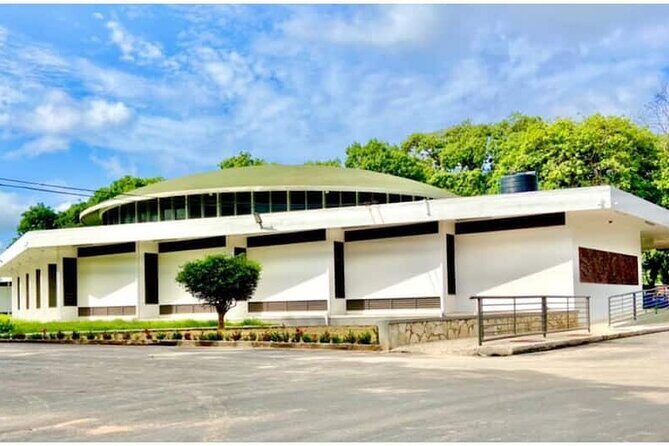
You’ll finish at the Ghana National Museum, described as the country’s largest museum. This is a good capstone because it pulls together cultural history, art, and archaeological artifacts that date back to pre-colonial times.
By the time you reach the museum, you’ve already visited symbols (independence monuments) and story anchors (Nkrumah and Du Bois). That makes the museum easier to digest. You’re not starting cold with dates and artifacts—you’re building a mental map.
If you like museums, you’ll probably enjoy seeing how different time periods connect through objects, materials, and themes. If you don’t love museums, focus on the big sections your guide highlights and treat it as a framework for what else you can explore later.
Etiquette reminder: The tour rules say you should not touch exhibits. This is where it helps to take photos carefully and listen for what the guide wants you to notice.
Price and value: is $45 fair for 6 hours?
At $45 per person for a 6-hour tour, the value comes from the total package, not one single stop. You’re paying for:
- a dedicated tour guide
- hotel pickup and drop-off
- an air-conditioned vehicle
- Wi‑Fi on board
- bottled water
- cost of activities in the itinerary
- skip-the-line access via a separate entrance
What you’re not paying for is accommodation and lunch.
In practical terms, $45 usually makes sense if you want to save time versus trying to coordinate multiple sites by yourself. Accra’s traffic can turn “simple sightseeing” into a half-day logistics problem, and this itinerary is built to avoid that.
If you’re staying near central areas and you’ll eat on your own anyway, this price often feels fair. If you prefer a slow pace with long lunch breaks, you’ll need to plan your food strategy in advance since lunch isn’t included.
Timing, comfort, and the small rules that shape the day
This tour is designed to keep momentum without turning into a sprint. You’ll be moving between major sites with enough breaks to handle entry and photos, and the bus comfort helps you stay ready for museum time.
A few rules shape the experience:
- English live guide
- no alcohol or drugs
- no explosive substances
- no touching exhibits
Those rules are normal for museum-style stops, and they also keep the day respectful and safer.
From a comfort standpoint, the AC and Wi‑Fi are more than perks. In hot weather, they keep you from feeling drained before the best photo stops. The Wi‑Fi makes it easier to share what you’re doing with friends and family in real-time, which is surprisingly useful if you’re traveling solo.
Which type of traveler should book
This tour fits best if you want a guided introduction to Accra that balances major history sites with everyday city life.
It’s a good match for:
- first-time visitors who want a focused overview
- people who like museum context plus cultural shopping
- solo travelers who want a guide to help with navigation and photos
It’s not suitable for:
- pregnant women
- people with back problems
- people over 95 years
If you fall into a category needing flexibility or extra comfort time, you should think twice before committing.
Should you book the Accra Guided City Tour?
Yes, if your goal is to understand Accra fast and still get real local flavor. This itinerary does a smart job connecting Ghana’s independence story to broader African thought, then adding Makola Market so the day doesn’t feel like history only.
Book it if you value:
- skip-the-line entry
- AC transport and Wi‑Fi
- a guide who helps you navigate market purchases and keep the day organized
I’d only pause if you strongly prefer lunch included, or if early starts are a struggle for you. Fixing that is easy—just plan your food timing so you’re not hungry during the later museum stretch.
If you want one practical first-day move in Accra, this is a strong candidate.
FAQ
What’s the duration of the Accra Guided City Tour?
The tour lasts 6 hours.
What time is pickup, and can it change?
Pickup is scheduled for 7:00 AM, but pickup and tour timing may vary due to traffic, road conditions, weather, pickup location, and other external factors.
What attractions are included in the tour?
You’ll visit Kwame Nkrumah Memorial Park, Makola Market, Independence Square (Black Star Square), W.E.B. Du Bois Center, Center for National Culture, and the Ghana National Museum.
Is lunch included?
No. Lunch is not included.
What’s included in the price?
Included items are bottled water, a dedicated English tour guide, hotel pickup and drop-off, Wi‑Fi on board, an air-conditioned vehicle, and the cost of activities at the stops.
Can I pay later, and how does cancellation work?
You can use reserve now & pay later. There is free cancellation up to 24 hours in advance for a full refund.
Is this tour available in English?
Yes, the live tour guide speaks English.