REVIEW · ACCRA
Day Tour to Kakum National Park, Cape Coast and Elmina Castles
Book on Viator →Operated by Landtours LLC · Bookable on Viator
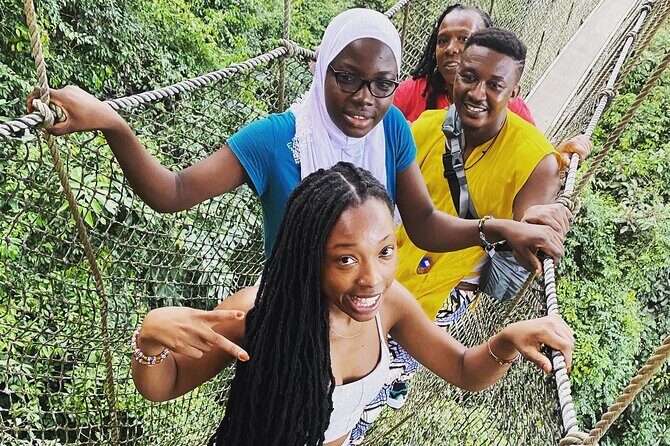
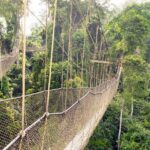
Ghana hits hard, then it lifts you up. This day tour links Kakum National Park with the Cape Coast and Elmina slave-castle sites, guided by Gideon, who helps the facts land in a real way. I love the sheer feeling of walking Kakum’s canopy—seven bridges, 330m long, about 100 feet above the forest floor.
I also like the pacing of the historical stops. You go from Cape Coast Castle (Swedish-built, later British) and the West African Historical Museum to Elmina Castle’s male and female dungeons and the Door of No Return. One thing to plan for: this is an emotional day, and it’s long, so you’ll want to pace yourself through crowds, heat, and heavy subject matter.
In This Review
- Key highlights worth your attention
- Kakum National Park Canopy Walk: 100 feet up in the rainforest
- Cape Coast Castle: Swedish and British walls with guided context
- Elmina Castle and the Door of No Return
- Denkyira Kingdom roads and the real feel of a 12-hour day
- Meet Gideon (and why good guiding changes everything)
- Price and value: what $304 covers and what it doesn’t
- What to bring (and how to stay comfortable)
- Should you book this Kakum and slave-castles day tour?
- FAQ
- How long is the tour?
- What’s included in the tour price?
- Are pickup and transport included?
- Do I need to pay for lunch?
- Is this tour private?
- What fitness level do I need?
- What if the weather is bad at Kakum?
- Can I cancel for free?
Key highlights worth your attention
- Kakum canopy math: seven bridges, 330m total length, around 100 feet high
- Two ways in the rainforest: a 2 km nature walk or a canopy walk option
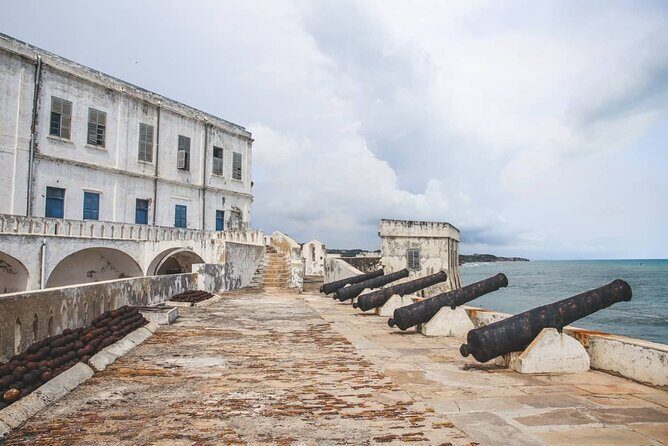
- Cape Coast Castle specifics: Swedish origin (1653), later British control, and a Smithsonian-linked museum
- Elmina Castle structure: Portuguese-built (1482AD) with separate male and female dungeons
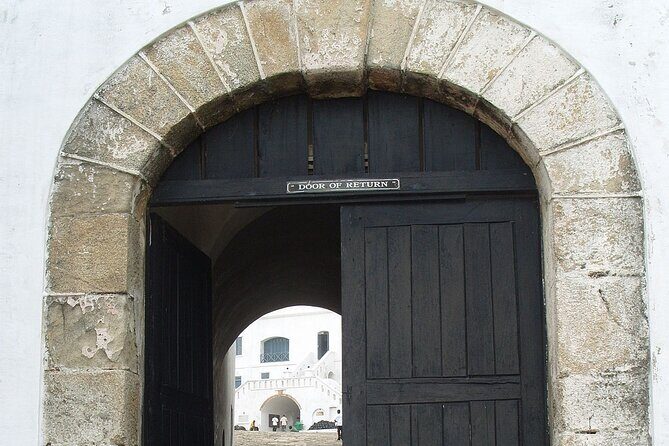
- The Door of No Return: the last exit point tied to captured people never returning home
- Private-group feel with strong guidance: Gideon’s story-telling plus polite driving from William
Kakum National Park Canopy Walk: 100 feet up in the rainforest
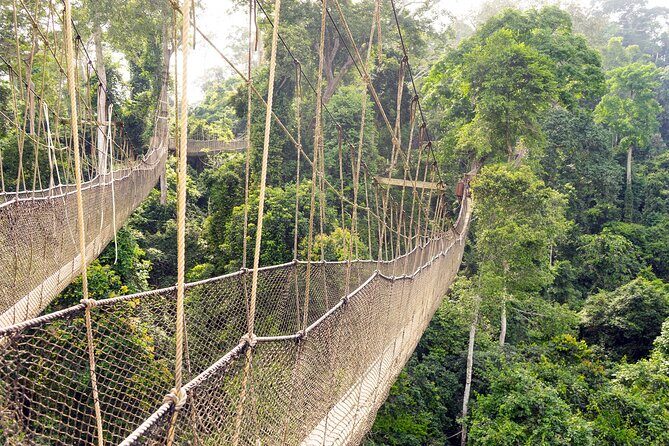
Kakum National Park is one of those places where nature feels organized and alive at the same time. The park covers about 360 sq km and is home to more than 40 large mammals and 400 bird species, plus lots of butterflies and plant life. That variety matters, because it’s not just a walk for photos. It’s a chance to see how a West African tropical rainforest works when you’re not passing it from a bus window.
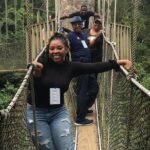
The big moment is the canopy walkway. It’s made of seven bridges, stretches 330m, and hangs roughly 100 feet above the forest floor. Even if you’re only doing a short segment, that height changes everything. You’re no longer “looking at” the forest—you’re moving through it, at eye level with tree crowns, with gaps you can’t ignore down below.
You also get a choice at Kakum that helps match your energy level. If you prefer a gentler start, there’s a 2 km nature walk through the forest where you can learn about the variety of plant species and their medicinal uses. If you’d rather skip ground-level walking, you can focus on the canopy route instead. Either way, the goal is the same: a real connection to the rainforest, not a rushed stop.
Practical consideration: the canopy experience depends on conditions. The tour requires good weather, so if conditions aren’t right, your schedule may shift. This matters because Kakum’s value is tied to being able to safely do the canopy bridges.
You can also read our reviews of more tours and experiences in Accra.

Cape Coast Castle: Swedish and British walls with guided context
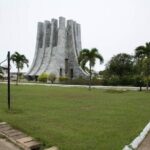
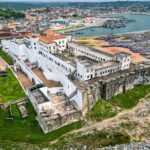
From Kakum, the day shifts gears fast. You trade rainforest air for stone corridors that carry a very specific kind of history. Cape Coast Castle is built by the Swedes in 1653 and later taken over by the British, so you’re walking through layers of European power that were tied directly to the slave trade.
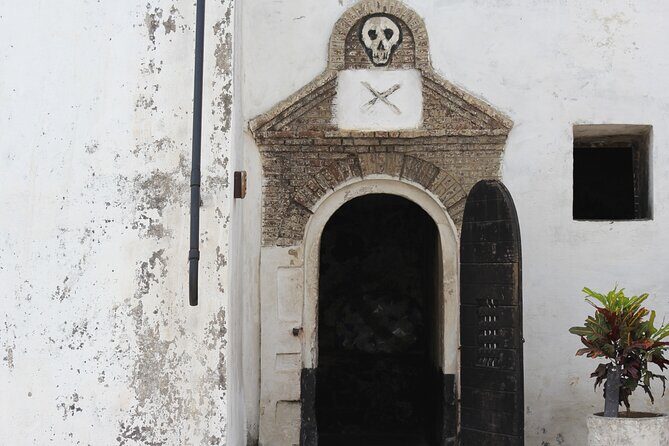
What I like most here is the guided approach to the subject. The castle visit is designed around the story of forts, castles, and slave dungeons in Ghana, and the way that system affected lives far beyond Africa’s shores. You’ll visit the dungeon spaces and hear how the castle functioned, not just when it was built.
Inside, there’s also the West African Historical Museum, established in 1994 through the Smithsonian Institute collaboration with the Ghanaian government. That’s a useful addition because it gives you a framework while you’re still standing in the castle spaces. Instead of learning facts only after you leave, you get context as you go.
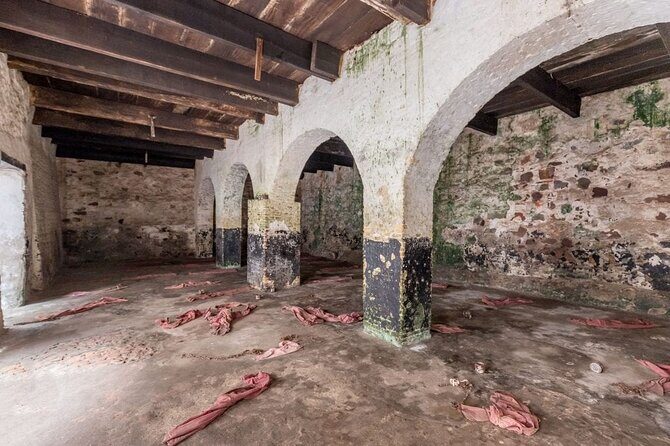
A possible drawback: the emotional weight isn’t “set and forget.” The dungeons are described as infamous slave spaces, and you should expect a strong, serious atmosphere. If you tend to get overwhelmed in closed spaces, plan a slower pace and give yourself a moment between rooms. This isn’t a stop designed to be light.
Elmina Castle and the Door of No Return
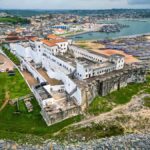
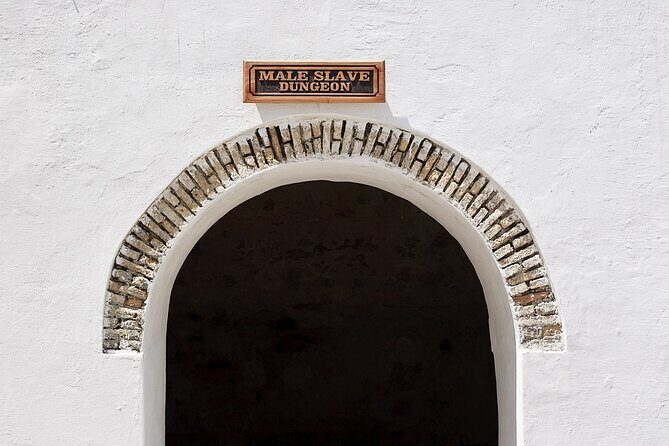
Elmina Castle is where the day becomes even more direct. It was built by the Portuguese in 1482AD, and the structure reflects the long-term grip Europeans had on coastal trade. You’ll see the stoic male and female dungeons used to hold African slaves during the slave trade, with separate spaces for men and women.
Then there’s the symbol that people remember: the Door of No Return. It’s described as the last exit point for captured people, the place tied to the idea of never returning home. Standing there isn’t about “tourist drama.” It’s about context. The meaning only works if your guide helps you connect what the door represents to what you’ve seen inside.
After the castle visit, you get lunch—but it’s at your cost at a recommended restaurant. That’s important for planning. The tour includes transportation and ticketed admissions, but meals and most drinks aren’t covered, so you’ll want to budget accordingly.
Then the day winds down with a scenic drive back toward Accra. By this point, you’re likely to feel two things at once: the mental pressure from the history, and the physical fatigue from a long day of walking, waiting, and riding.
Denkyira Kingdom roads and the real feel of a 12-hour day
This tour is about two very different worlds packed into one run: rainforest canopy and coastal castles. That makes timing part of the experience.
Early on, you travel west from Accra with about a 3-hour drive toward the Cape Coast area. Along the way, you pass through the Denkyira Kingdom region, which helps break up the transit. Still, you should treat the road time as real time on your schedule. The tour lasts about 12 hours, and it doesn’t pretend it’s short.
The day’s pacing is built around transitions. Kakum comes first for the nature segment, then Cape Coast for the museum-and-dungeon stop, then Elmina for the deeper emotional finale. Each site is ticketed and guided, and you do enough movement that a moderate physical fitness level helps.
For you, that means:
- Comfortable shoes matter because you’ll be walking at Kakum and inside the castles.
- A light plan for how you’ll handle emotions helps. You don’t need to “tough it out” at full speed.
If you’re someone who wants lots of breaks, I’d say this tour works best if you’re flexible. You’ll have natural pauses between stops, but you’re not on a schedule designed to slow down endlessly.
Meet Gideon (and why good guiding changes everything)
The tour’s history stops are only as good as the guide. In these spaces, facts alone can feel cold, like dates on a wall. That’s where Gideon makes the difference. In past tour experiences, he’s been described as extremely knowledgeable and able to share a wealth of information that people often say they couldn’t learn in school.
Why that matters for you: a guided approach helps you read the castle layout, understand what specific rooms were used for, and connect symbols like the Door of No Return to the story the site is telling. Without that, you might get the basics and still feel like something important is missing.
You also get a well-run travel team. The driver named William is described as very polite, which doesn’t sound dramatic, but it matters when you’re spending hours in an air-conditioned vehicle and moving between stops with minimal stress.
In short: if you want more than a checklist of sights, a guide like Gideon is a big reason this tour earns strong marks.


Price and value: what $304 covers and what it doesn’t
The price is $304 per person for a day tour with about 12 hours of programming. That cost can look steep at first glance, so here’s where it becomes clearer.
You’re paying for:
- Pickup offered and an air-conditioned vehicle
- Private transportation (your group only)
- Bottled water
- Admission tickets included for Kakum National Park and both castles
That admission inclusion is key. Canopy access and the castle sites are the heart of the day, and paying them on your own tends to turn into a bigger total than people expect.
Where the price doesn’t help you:
- Lunch is at your cost after Elmina
- Most drinks aren’t included beyond bottled water (and soda with meals)
- Anything outside the itinerary timing (extra delays) isn’t covered
- International flights, taxes, and personal spending are not part of the package
So how do I see the value? If you’re planning to do Kakum plus both castle sites in one trip, the included admissions and the private, air-conditioned transport reduce the friction and the headache of coordinating everything yourself. If you already planned to do only one of the castles, or you’d rather travel at your own rhythm, then this package may feel less efficient. But if you want the full Ghana day story—nature plus slave-castle history—this bundle is built for that.
What to bring (and how to stay comfortable)
The tour involves walking and a serious amount of time outdoors and inside. You don’t need to be an athlete, but you should have moderate physical fitness. Here’s what you’ll want to plan around based on the experience itself:
- For Kakum: bring a mindset for a 2 km nature walk option and/or time on canopy bridges about 100 feet up. That’s not a “sit and watch” stop.
- Weather matters because the canopy is tied to good conditions. If the weather isn’t right, your schedule may be adjusted or you’ll be offered a different date or a full refund.
- Hydration: bottled water is included, which is a real plus on a long day.
- Money for food: lunch is not included, so budget for your meal after Elmina.
Also, the tour provides a mobile ticket, which is handy when you’re moving quickly between entry points.
Should you book this Kakum and slave-castles day tour?
Book it if you want a one-day route that blends Kakum’s canopy with Cape Coast and Elmina’s castles and you’d like a guide to connect the dots. This is the kind of day where the right guiding makes history understandable, and where the rainforest portion gives your brain somewhere else to land after heavy spaces.
Skip or think twice if you know you struggle with long days, or if emotional environments are hard for you. The castles deal with the slave trade and include dungeon spaces and the Door of No Return, and this isn’t a light visit. Also consider that the canopy depends on good weather, so you’ll want flexibility in your travel dates.
FAQ
How long is the tour?
The duration is about 12 hours.
What’s included in the tour price?
You get an air-conditioned vehicle, private transportation, bottled water, and admission tickets for Kakum National Park, Cape Coast Castle, and Elmina Castle.
Are pickup and transport included?
Pickup is offered, and you travel in an air-conditioned vehicle with private transportation.
Do I need to pay for lunch?
Lunch after the Elmina Castle visit is at your cost at a recommended restaurant.
Is this tour private?
Yes. It’s a private tour/activity with only your group participating.
What fitness level do I need?
You should have a moderate physical fitness level, since there’s walking at Kakum (including a nature walk option).
What if the weather is bad at Kakum?
The experience requires good weather. If it’s canceled due to poor weather, you’ll be offered a different date or a full refund.
Can I cancel for free?
You can cancel up to 24 hours in advance for a full refund.