REVIEW · ACCRA
Half-Day Guided Fabric Tour in Ghana
Book on Viator →Operated by Renaissance Cultural Tours · Bookable on Viator
Textiles in Ghana tell stories fast. I love how this tour pairs Makola Market with a hands-on batik tie-and-dye workshop, and the guide Albert is a designer who’s ready to explain what you’re seeing and why it matters. The one thing to think about: the market walk can be tough if you struggle with standing or navigating crowds.
This is a 6-hour, small-group style outing (up to 10 people) with hotel or residence pickup in Accra. You get bottled water and soda, admissions for both stops, and even a 20% discount on custom African wear clothing if you want to go further.
If you like practical learning over just photos, this is your kind of day. You’ll leave with a better sense of fabric names and symbols, plus something physical in hand from the workshop—well worth the $160 price tag when you look at what’s included.
In This Review
- Key highlights at a glance
- Textiles in Accra: what you actually gain in a half-day
- Makola Market: learning fabric names, symbols, and occasions
- What can be a downside
- Exmac Fabrics: batik tie-and-dye you design, then take home
- What to expect while you work
- Albert the designer: the difference between cloth facts and cloth meaning
- Why that matters for your photos and your shopping
- Price and value: what $160 covers (and why it adds up)
- The real value: admissions plus a take-home item
- Getting around Accra: pickup, private transport, and staying on schedule
- Time breakdown that keeps it realistic
- The smart way to shop at Makola Market (without getting lost)
- Buy with intention
- Custom African wear discount: when you go from cloth lover to outfit maker
- Who this tour is best for (and who should think twice)
- Who should skip it
- Should you book this Half-Day Guided Fabric Tour in Accra?
- FAQ
- Where does the tour start, and is pickup offered?
- How long is the Half-Day Guided Fabric Tour in Ghana?
- What happens at Makola Market?
- What do I do at Exmac Fabrics?
- What is included in the price?
- Is the tour refundable if plans change?
Key highlights at a glance
- Makola Market cloth spotting: learn fabric types, occasions, and the names and symbols used on prints
- Batik tie-and-dye, hands-first: choose your design and create your own fabric
- Designer-led Q&A with Albert: ask questions about textiles and Ghanaian society without feeling rushed
- Take-home results: you make batik and bring your fabric away after the workshop
- Small group size (max 10): easier pacing through shops and more time for questions
- Included discount for custom wear: 20% off if you want clothing made from what you learn
Textiles in Accra: what you actually gain in a half-day
A good fabric tour should do two things: teach you how to read cloth, and then give you something real to carry home. This one does both, which is why it works even if you only have part of a day in Accra.
You start in the open-air shopping world at Makola Market, where prints and patterns aren’t just decoration. Then you switch gears to a workshop where you tie, dye, and make a batik fabric that’s yours. That mix of buying knowledge plus hands-on creation is the value here.
I also like the practical pacing. About 2 hours goes to the market, and about 3 hours goes to the batik process, with the rest used for pickup, transit, and wrapping things up. It feels like a complete mini-story, not a rushed stop-and-snap kind of outing.
You can also read our reviews of more guided tours in Accra
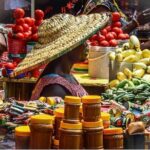
Makola Market: learning fabric names, symbols, and occasions
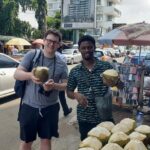
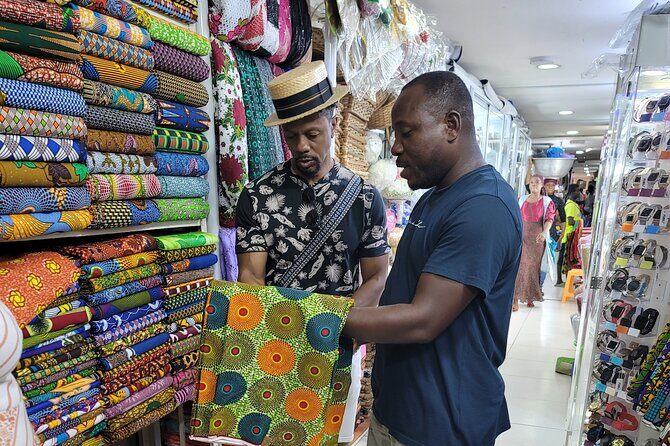
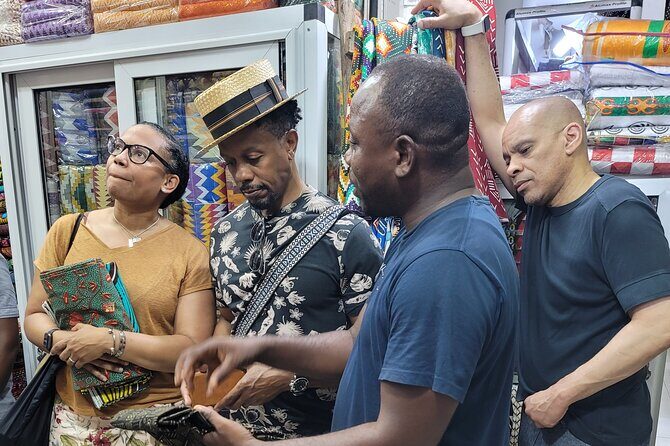
Makola Market is the tour’s starting point, and it sets the tone right away. It’s the biggest open market in Accra, so you’re not looking at a staged display—you’re seeing how Ghanaian print sellers and shoppers interact in real time.
At the African print seller section, you’ll learn the kinds of fabric sold in Ghana and the occasions they’re worn or used for. That matters because fabric in West Africa often signals more than style. Symbol choices and print meanings can connect to events, roles, and social messages.
You also get a crash course in fabric names and the symbols on prints, including what the symbols mean. That’s the part that helps you shop smarter afterward, because you’re less likely to buy something just because it looks good.
What can be a downside
The market portion involves walking in a busy environment. The tour is not recommended if you have difficulties walking or if mobility is limited, so plan accordingly before booking.
Exmac Fabrics: batik tie-and-dye you design, then take home
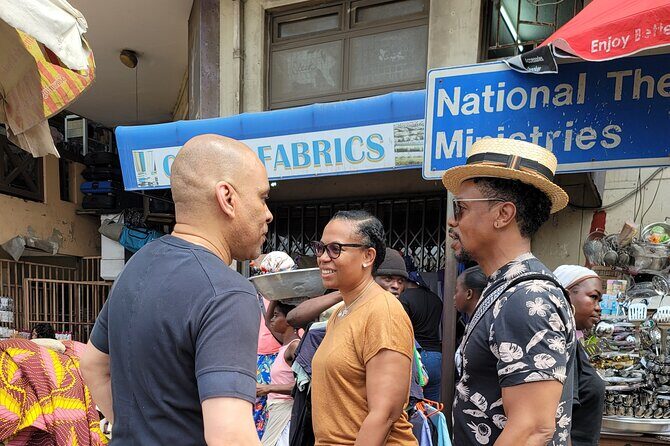
The second stop is Exmac Fabrics, where you get to make hand-made batik tie and dye fabric. This is the hands-on highlight, and it’s exactly what many people hope for when they book a fabric experience.
You choose your design and create the tie pattern by hand, then move through the batik tie-and-dye process. The key detail is that you’re not just watching or doing a quick sample—this is set up so you make a fabric you can take away.
The time here is about 3 hours, which gives you enough room to actually work through the steps rather than rushing to the finish line. Since the tour includes the cost of the activities, you don’t have to worry about extra workshop charges once you’re inside.
What to expect while you work
Tie-and-dye can get messy in general. I’d plan to wear something you’re comfortable potentially staining, and bring a small bag for anything you don’t want to risk.
Also, think about what you want your fabric to become. If you’re considering custom clothing later, you can use this as a visual starting point for colors and patterns you like.
A few more Accra tours and experiences worth a look

Albert the designer: the difference between cloth facts and cloth meaning
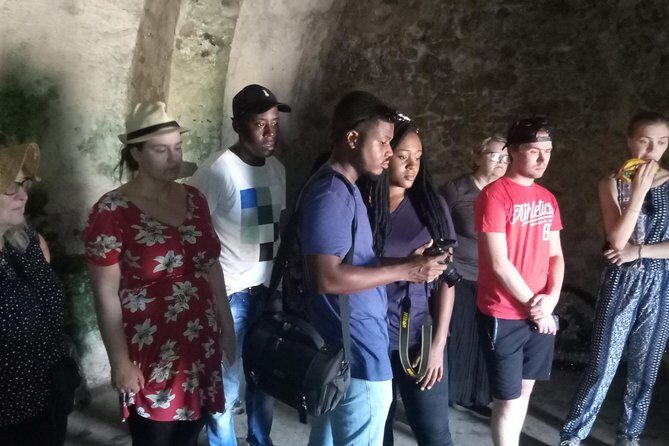
One reason this tour earns strong praise is the guide approach. Albert is a designer himself, and you get to ask questions as you go—about textiles and about broader Ghanaian society.
That sounds simple, but it changes the experience. When someone can explain what symbols mean, what occasions drive fabric choices, and how design fits into everyday life, you end up learning more than a list of fabric names.
This is especially valuable in markets, where it’s easy to feel overwhelmed. Instead of wandering, you get a guided filter for what to look for and how to interpret what you see.
Why that matters for your photos and your shopping
Without context, prints can blur together fast. With Albert’s explanations, you’re more likely to notice differences in pattern structure and symbolic meaning, not just color.
It also helps if you want to buy fabric. You’re more likely to choose pieces aligned with what you actually want to use them for, rather than buying purely on impulse.
Price and value: what $160 covers (and why it adds up)
At $160 per person for about 6 hours, the question isn’t just what you pay. It’s what the day includes.
This price bundles in:
- Air-conditioned vehicle and private transportation
- Hotel or residence pickup and drop off within Accra
- Bottled water and soda/pop
- Admission tickets for the Makola Market stop
- Admission for the Exmac Fabrics batik tie-and-dye workshop
- The cost of the activities in the itinerary
- A 20% off benefit toward custom African wear clothing
That last item is important if you’re thinking beyond souvenirs. You’re not only learning how Ghanaian prints are used; you can also take that interest into a fitted result.
The real value: admissions plus a take-home item
Many tours feel like a guided walk plus optional extras. Here, you’re paying for guided instruction, transport, and the structured activities at both stops, including the part where you create fabric and take it home.
If you’re comparing options in Accra, this structure is the part that keeps the day from feeling overpriced.
Getting around Accra: pickup, private transport, and staying on schedule
This tour includes pickup from your hotel or residence within Accra. That matters because Accra traffic and distances can turn a half-day plan into a half-day headache.
The tour also uses a private, air-conditioned vehicle. Even if you’re only out for 6 hours, the air-con helps you stay comfortable between the market and the workshop, especially if you’re arriving from elsewhere in the city.
You’ll also receive a mobile ticket, which is handy if you prefer less paperwork and more on-the-go logistics.
Time breakdown that keeps it realistic
Expect about 2 hours at Makola Market and about 3 hours at Exmac Fabrics. Plan to keep your schedule light for the rest of the day after the tour—your hands will be busy at the workshop, and you’ll want time to store and sort what you take home.
The smart way to shop at Makola Market (without getting lost)
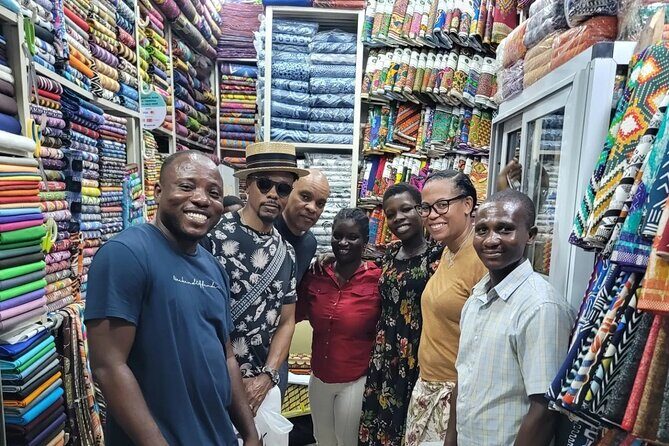
Makola Market is the biggest open market in Accra, so it’s a place where you can easily get swept into the flow. The tour helps by guiding you through African print sellers with a focus on understanding what fabric is and how people choose it.
You’ll learn:
- various types of Ghanaian fabric
- which occasions those fabrics are worn or used for
- fabric names and the meaning behind symbols
That gives you a framework. Instead of browsing aimlessly, you’ll know what to look for and what questions to ask.
Buy with intention
You’ll have the opportunity to purchase local fabrics at affordable prices or at wholesale prices. I’d treat this like a mini buying mission: decide what you want the fabric for first (something wearable later, a gift, or a project idea), then look for patterns that match that purpose.
If you’re unsure, ask for help from the sellers and listen to the explanation of what symbol choices are used for.
Custom African wear discount: when you go from cloth lover to outfit maker
A standout inclusion is 20% off custom African wear clothing. The idea is simple: the more you learn about fabric meaning and style, the more sense it makes to turn that interest into a tailored piece.
In practice, this is where the tour can feel extra personal. Albert is not just explaining textiles—he can make custom clothes, and people often decide to go that route during the day.
If you’re traveling with plans to attend an event, or you want one strong outfit as a memory piece, this discount can shift the math. Even if you don’t buy right away, it’s a good option to consider while your eyes are trained on what you like.
Who this tour is best for (and who should think twice)
This works well for most people, and the format includes time to participate at a comfortable pace. It’s also good for solo travelers or small groups, because the group size stays limited to 10.
You’ll enjoy it most if:
- you like fashion, textiles, or design
- you want to learn how prints and symbols connect to meaning
- you want a hands-on souvenir, not just photos
- you’d consider turning fabric interest into custom clothing later
Who should skip it
If you can’t walk easily or you find market environments difficult, this is not recommended. The market stop is central to the experience, so it’s better to choose a format with less walking if mobility is an issue.
Should you book this Half-Day Guided Fabric Tour in Accra?
Book it if you want a day that’s equal parts education and making. The Makola Market stop gives you context—fabric types, occasions, and symbol meanings—then the Exmac Fabrics workshop lets you produce something you can take home.
Skip it if your idea of a half-day is mostly sitting and scenic sightseeing. This is an active, hands-and-eye learning experience, and it asks you to move through an open market environment.
One more practical tip: if you’re even slightly interested in custom clothing, bring the mindset that you might use that 20% discount. The day is designed so your fabric knowledge and your outfit planning can happen at the same time.
FAQ
Where does the tour start, and is pickup offered?
The tour begins at Makola Market in Accra. Pickup is offered, and you’ll also have hotel or residence pickup and drop off within Accra.
How long is the Half-Day Guided Fabric Tour in Ghana?
The total duration is about 6 hours.
What happens at Makola Market?
You’ll explore the African print seller area at Makola Market, learn about different types of fabric and the occasions they’re worn or used for, and understand the names and symbols in the fabrics and what they mean. You’ll also have the opportunity to purchase local fabrics.
What do I do at Exmac Fabrics?
You’ll be taken through the process of making hand-made batik tie and dye fabric. You choose your design and make your own batik tie-and-dye fabric by hand, and you take your batik fabric home.
What is included in the price?
The price includes an air-conditioned vehicle, all fees and taxes, bottled water, soda/pop, private transportation, hotel or residence pickup and drop off within Accra, 20% off custom African wear clothing, and the cost of the activities on the itinerary.
Is the tour refundable if plans change?
Yes. You can cancel for a full refund if you cancel up to 24 hours in advance of the experience’s start time. If you cancel less than 24 hours before, the amount paid is not refunded.