REVIEW · ACCRA
Home Cooking Class by Auntie K
Book on Viator →Operated by Osu Cooking Class by KK · Bookable on Viator
Cooking in someone’s home beats a restaurant. This private Accra class puts you at Auntie K’s kitchen with real prep work, real flavors, and a table where the conversation keeps going after the food is done.
I like that it’s genuinely hands-on: chopping, sorting, mixing by hand, and learning why certain spices behave the way they do. I also love the no-shortcuts approach—cooking over charcoal and using a pestle and mortar instead of a blender (yes, your arms will notice).
One consideration: based on past group experiences, the amount of active cooking can vary. Some people get lots of station time; others feel more like they’re watching, depending on timing and group size.
In This Review
- Key Highlights You’ll Actually Care About
- Where the Day Starts in Osu
- The Welcome: Meet Auntie K and Get Your Role
- Optional Market Shopping: The Part That Makes the Cooking Make Sense
- The Cooking Setup: Charcoal, No Blender, and Pestle-and-Mortar Skills
- Expect the Hard Work
- What You’ll Cook: Ghanaian Classics on the Menu
- Jollof Rice: The Flavor Control Lesson
- Kelewele: Spicy Plantains With Attitude
- Soup and Fufu/Banku: The Patience Test
- Grilled Fish and Chicken: Seasoning Techniques Matter
- Dining Portion: You Sit Down With What You Made
- How Long Will It Take?
- Value for Money: Why $89 Feels Reasonable
- Who This Is Best For (And Who Should Skip It)
- The One Adjustment I’d Make Before You Book
- Should You Book Home Cooking Class by Auntie K?
- FAQ
- What’s included in the class?
- Is the class private?
- How long is the experience?
- Where do we meet?
- Do we go to a market?
- What dishes are typically cooked?
- Is there a vehicle provided?
- What’s the start and end point of the activity?
- Does the weather affect the experience?
- Can service animals attend?
Key Highlights You’ll Actually Care About
- Private class, your group only: you’re not sharing instructions with strangers
- Charcoal cooking and mortar work: traditional method, not a staged demo
- Optional market stop: pick ingredients at a local market before you cook
- Menu includes Ghanaian staples: jollof rice, kelewele, soup, and more depending on the day
- Spice control is taken seriously: you can request lower spice levels
- You eat what you cook: lunch is included, often with plenty to leave comfortably full
Where the Day Starts in Osu
The experience begins at CLUB 69, Osu (La Crescent area), Accra, with the activity ending back near the same meeting point. From there, you’ll link up with the home team and get set for a day centered on cooking and eating.
Why this matters: Osu is a convenient base for many visitors, so you’re not spending half your day crossing the city just to taste Ghana. Also, this is a home-based setup, so the pace feels local—less timed spectacle, more working kitchen rhythm.
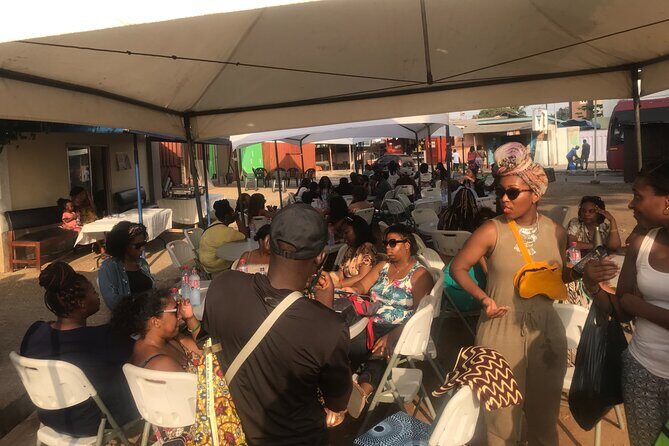
One practical note: the class is outdoors in some parts of the cooking process (and weather matters). Good weather helps the day run smoothly, because you’re not indoors in a sealed studio.
You can also read our reviews of more cooking classes in Accra

The Welcome: Meet Auntie K and Get Your Role

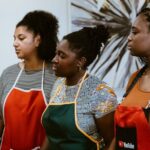
Once you’re with Auntie K and the team, you’ll move from greeting to orientation fast. This is not a distant “chef talks, you observe” format by default. The teaching style in the kitchen tends to be conversational, with instructions given as you work.
You may work with assistant staff during the prep and cooking. Past participants have mentioned Deborah as an assistant, and also noted other family-style helpers like Auntie Mary and Nicole. Even if the exact crew changes, the vibe is consistent: the kitchen is treated like family—warm, direct, and practical.
What you’ll do depends on your group and the flow of the menu, but you can expect active tasks like:
- peeling, chopping, and prepping vegetables
- sorting ingredients (like beans)
- mixing and seasoning by hand
- learning how the dish changes as it cooks
If you love learning by doing, this is your kind of activity.
Optional Market Shopping: The Part That Makes the Cooking Make Sense
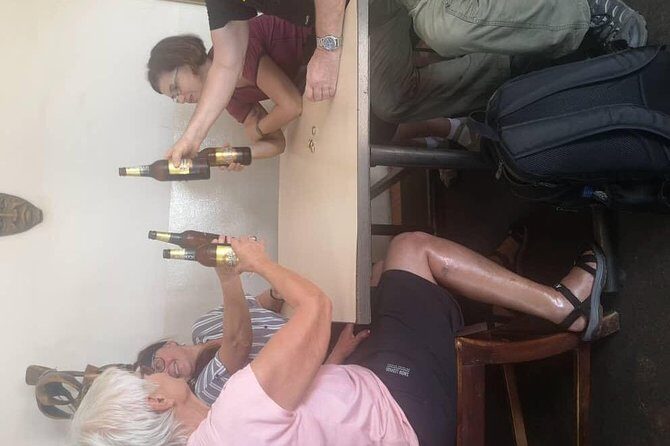
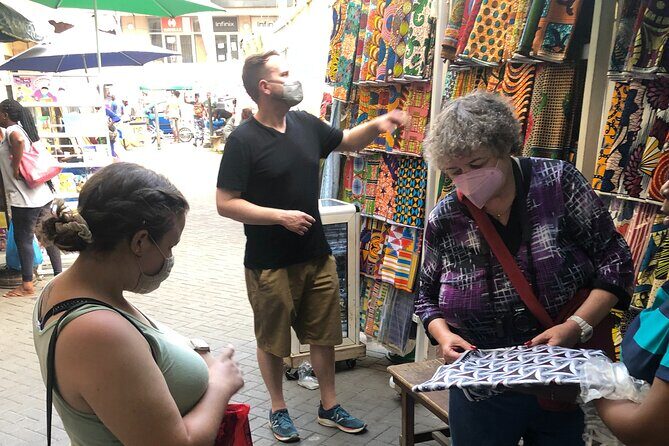
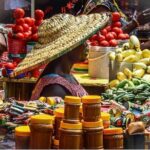
There’s an optional step where you may meet up and go to a market to buy the foodstuffs for your class. If you add this, you’re turning your cooking lesson into a real supply chain lesson: you see the ingredients before they become dinner.
Why it’s worth doing: Ghanaian cooking relies on the right ingredients and the right technique. When you buy food in the local rhythm, you’re more likely to understand what matters—freshness, spice quality, and how different produce behaves in a hot pot or on charcoal.
Time-wise, people report that the whole class can range based on the group and the menu schedule—typically about 3 to 6 hours depending on how many people are in the class and what you’re preparing.
The Cooking Setup: Charcoal, No Blender, and Pestle-and-Mortar Skills
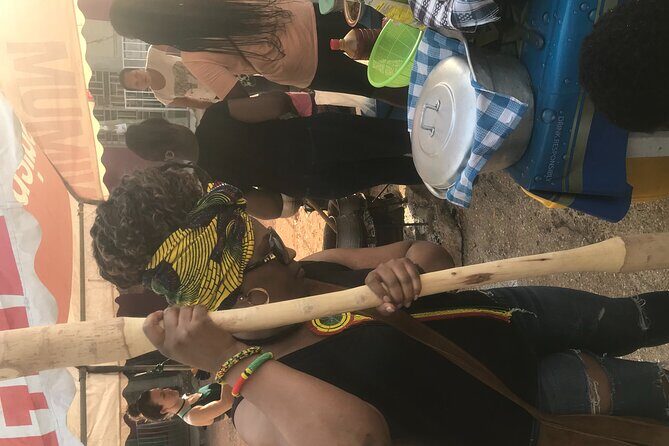
This is where the class feels different from a typical recipe workshop. Multiple participants highlight cooking over a charcoal cooking stand, which gives food a smoky depth you usually don’t get from a stovetop.
And instead of relying on convenience gadgets, you learn older methods. One standout detail from past experiences: there’s no blender, and you work with a pestle and mortar to blend veggies and spices. That means you’re not just following steps—you’re training your senses. You learn what texture you’re aiming for and what changes when ginger or seasonings get mixed properly.
A real-world benefit for you: when you cook at home later, you’ll understand the logic behind the flavors. You won’t only have a list of ingredients—you’ll have an idea of the right consistency and cook-time cues.
Expect the Hard Work
Some dishes require elbow grease. One example from earlier cooking experiences: making fufu is described as hard work, and you’re likely to see (and maybe participate in) that process depending on the day’s menu.
Don’t worry—you’re not expected to become a machine. But you should come ready for effort, not just photos.
A few more Accra tours and experiences worth a look

What You’ll Cook: Ghanaian Classics on the Menu
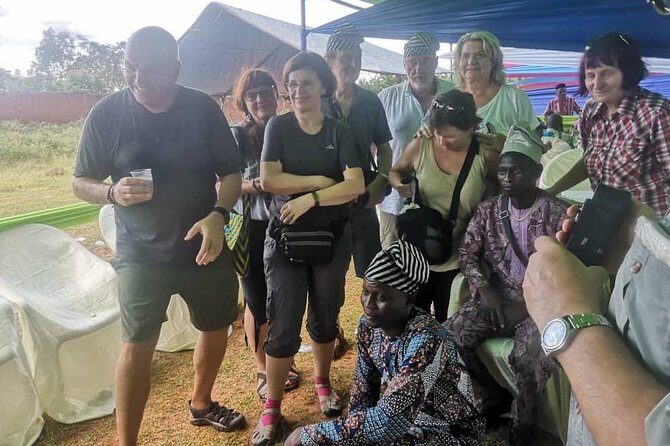
The exact dishes can vary by day and group, but there are common themes. You’ll typically work with staples like jollof rice and soup, plus other Ghanaian favorites.
Here are dishes that have shown up in past classes:
- Jollof rice
- Kelewele (spicy plantains)
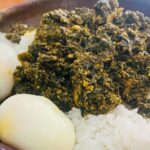
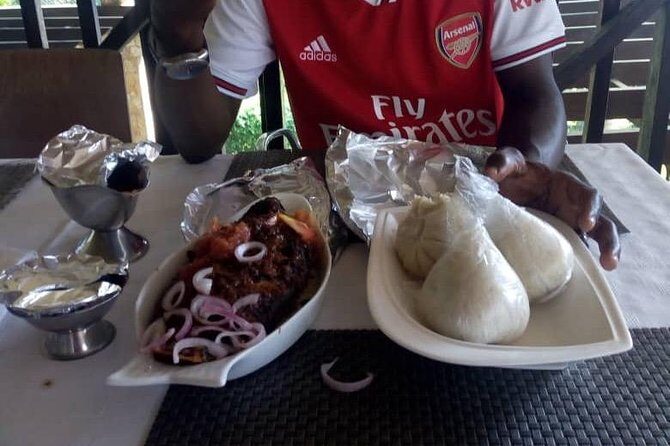
- Goat soup with fufu
- Sauteed veggies and grilled chicken
- Grilled fish (with seasoning techniques)
- Banku
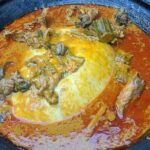
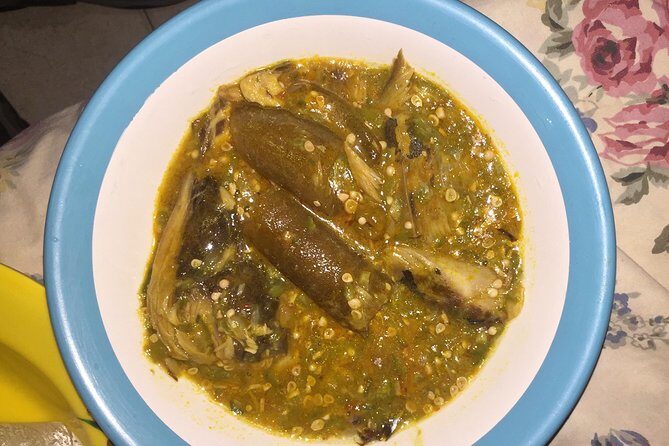
- Okra and fish stew
- Dessert may appear, since the class is described as including a dessert, though the specific dessert isn’t consistently named in the details you provided
Jollof Rice: The Flavor Control Lesson
Jollof is a headline dish in Ghana, and it’s also a masterclass in control. You’re not only cooking rice—you’re balancing seasoning, heat, and timing so the flavor lands right instead of tasting flat or overly harsh.
What you should watch for: jollof can taste different depending on spice intensity and how ingredients are blended. That’s why the mortar approach can make such a difference—it shapes how the sauce cooks down.
Kelewele: Spicy Plantains With Attitude
Kelewele is often described with a lot of enthusiasm, and for good reason. It’s crisped and spiced, with heat you can dial up or down.
If you’re not into super-spicy food, good news: past participants have noted that Auntie K can adjust spice levels, including for lower spice preferences. If you want mild, say so early.
Soup and Fufu/Banku: The Patience Test
Ghanaian soups take time, and you’ll see why. Past experiences include goat soup with fufu and also banku as part of the meal setup.
This part isn’t about speed. It’s about simmering until flavors knit together. If you get impatient, this lesson will cure you. In a good way.
Grilled Fish and Chicken: Seasoning Techniques Matter
For grilled proteins, the focus tends to be on seasoning methods rather than complicated steps. You learn how to coat, how spices behave, and how charcoal cooking changes the outcome.
And yes, it’s very possible you’ll leave thinking about charcoal after you go home. That smoky flavor sticks in your memory.
Dining Portion: You Sit Down With What You Made
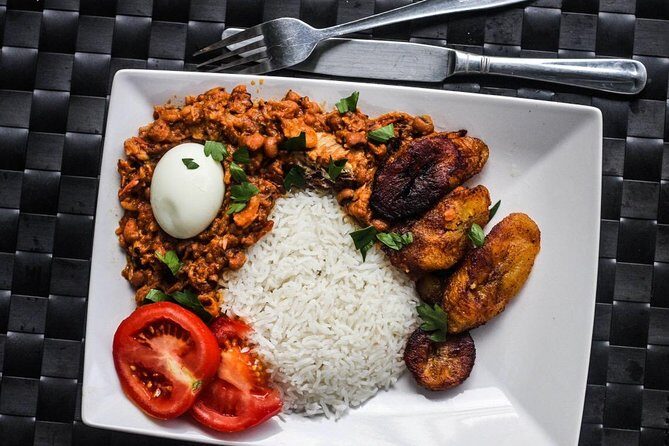
After all that prep, mixing, and cooking, you eat. Lunch is included, and portions are often described as generous enough that people leave very full.
This matters more than it sounds. A food lesson is only half about technique; the other half is taste. Sitting down right after cooking helps you connect what you did to how it turned out.
It also becomes a cultural moment. Past experiences mention friendly conversation throughout—less stiff classroom energy, more shared table energy. One person even described Auntie K as everyone’s aunt, and that’s exactly the kind of atmosphere you should expect in a home setting.
How Long Will It Take?
You’re told the overall class is about 5 hours (approx.). But you should plan for a range. The cooking portion is described as 3 to 6 hours, and the schedule changes with the number of people and what’s on the day’s menu.
Practical advice: if you’re stacking plans right after, give yourself a buffer. Cooking is not a 60-minute show. You’ll likely need the full time to prep, cook, and eat without feeling rushed.
Value for Money: Why $89 Feels Reasonable
At $89 per person, this class isn’t trying to be a cheap “taste test.” It’s priced for a real lesson in:
- ingredient selection (optional market stop)
- traditional prep methods
- active cooking
- a full lunch
You’re also paying for the fact that it’s private—only your group participates. That usually means more attention and more hands-on time compared with shared classes.
Is it perfect value for everyone? If you only want to watch someone cook, you might not feel satisfied. But if you want technique you can actually repeat, it’s strong value.
Who This Is Best For (And Who Should Skip It)
This class is a great fit if:
- you want cooking skills, not just a meal
- you like hands-on work (peeling, chopping, pounding, stirring)
- you want to taste multiple Ghanaian flavors in one sitting
- you enjoy learning spice control and seasoning logic
It may not be the best match if:
- you hate outdoors cooking or you’re sensitive to weather
- you want a highly structured, step-by-step written recipe experience (some past experiences felt more demo-like than expected)
- you’re expecting a fully indoor, quiet studio vibe
If you fall into that second group, you can still enjoy it—just adjust expectations and communicate what you want out of the session.
The One Adjustment I’d Make Before You Book
Because past experiences show variation in hands-on level, I’d ask yourself this: do you want to be the main cook, or do you mainly want tasting and watching?
If you want to cook, you’ll do best by arriving ready to participate and by setting that tone early when you meet Auntie K. This kind of class works best when you actively lean into the prep work, because that’s how you learn the technique.
Should You Book Home Cooking Class by Auntie K?
Book it if you want an authentic Ghanaian cooking day in Accra with real technique—charcoal cooking, mortar-and-pestle blending, and a sit-down lunch that matches what you made. At this price, the value is strongest when you participate, ask questions, and stay through the meal.
Skip it or choose carefully if you’re strictly looking for an indoor, highly choreographed cooking lesson where everyone follows identical steps at identical stations. This experience is home-based and weather-friendly by design, so it’s more personal than polished.
FAQ
What’s included in the class?
The experience includes a homemade cooking class and lunch.
Is the class private?
Yes. It’s a private tour/activity, meaning only your group participates.
How long is the experience?
It runs about 5 hours (approx.). The cooking time can typically be 3–6 hours depending on the number of people.
Where do we meet?
The start location is CLUB 69, Osu la crescent, La Crescent, Accra, Ghana.
Do we go to a market?
Going to a local market to buy ingredients is optional.
What dishes are typically cooked?
The class features Ghanaian dishes such as jollof rice and soup, and you may also cook items like kelewele (spicy plantains) and other traditional dishes depending on the day.
Is there a vehicle provided?
An air-conditioned vehicle is not included.
What’s the start and end point of the activity?
It starts at the meeting point and ends back at the same meeting point.
Does the weather affect the experience?
Yes. This experience requires good weather. If it’s canceled due to poor weather, you’ll be offered a different date or a full refund.
Can service animals attend?
Yes. Service animals are allowed.