Treetops and slave castles in one day. I love how the tour pairs Cape Coast Castle and Kakum’s canopy walkway into one focused route, so you move from hard history to living rainforest without wasting time. I also like that the day is set up with round-trip transportation and admission fees included, which makes it simpler to budget and easier to stay on schedule.
One possible drawback: this is a long day. Between the drive from Accra and the castle time plus the canopy hike, it can feel like you spent more hours in a vehicle than you expected, and there’s no lunch included.
In This Review
- Quick Take: What Makes This Tour Worth Your Time
- Driving Out of Accra: The Day-Trip Rhythm You Should Expect
- Cape Coast Castle: The Museum Visit, the Door of Return, and Why It Matters
- Elmina Castle: From Trade Warehouses to Male and Female Dungeons
- Kakum National Park Canopy Walk: The 40–50 Meter Promise
- Guides, Timing, and the Human Side of a Long Day
- Price and Value: What You’re Actually Paying For
- Who This Tour Suits Best
- Should You Book This Cape Coast and Kakum Day Trip?
Quick Take: What Makes This Tour Worth Your Time
- Cape Coast Castle and the Door of Return: a museum-style visit grounded in the Atlantic slave trade story.
- Elmina Castle’s scale and timeline: an older, larger European-built site tied to trade warehouses and dungeons.
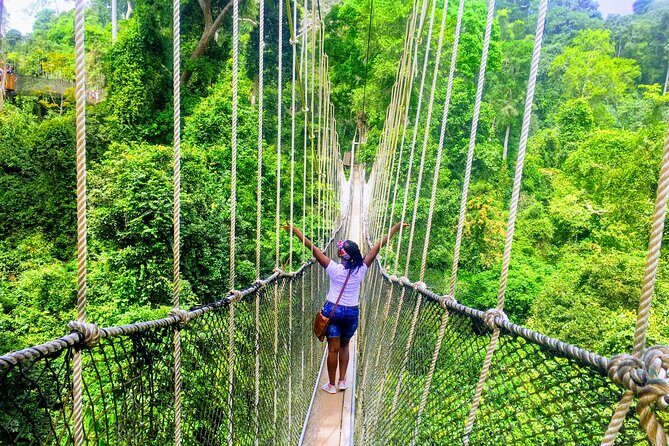
- Kakum canopy walkway built in 1994: about 40–50 meters high and roughly 350 meters long, with safety support from people who helped build it.
- Real-world guide moments: reviews mention calm problem-solving from drivers and guides, like spotting an engine issue and getting the tour back on track.
- Emotions, then decompression: the canopy walk is a different rhythm after the castle sites.
Driving Out of Accra: The Day-Trip Rhythm You Should Expect
This is built as a one-day loop: start in Accra, spend meaningful time at two major castles, then finish with Kakum National Park. The total duration is listed at about 11 to 15 hours, and that range matters, because Ghana’s coastal routes can be slow and unpredictable. Even good days feel long once you add transit.
The best way to handle that is mental prep. You’re not doing a quick photo stop. You’re doing serious sites first—Cape Coast and Elmina—then a rainforest experience that’s active rather than passive. If you show up rested, you’ll enjoy both halves. If you’re running on low energy, the driving time can start to feel like it swallowed the day.
One more practical point: lunch is not included. The tour covers transportation and entrance fees, but it’s on you to plan food timing. If you’re the type who gets hangry on a long route, pack a snack and plan a simple lunch stop where you can.
You can also read our reviews of more tours and experiences in Accra.

Cape Coast Castle: The Museum Visit, the Door of Return, and Why It Matters
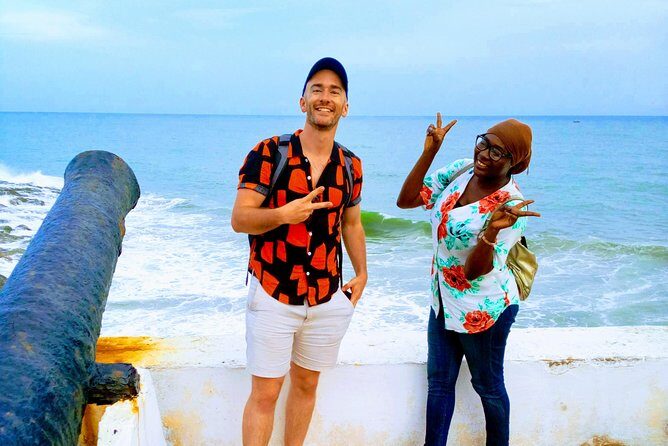
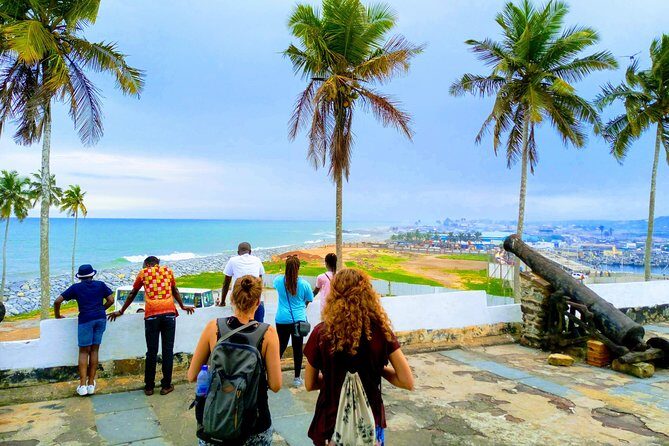
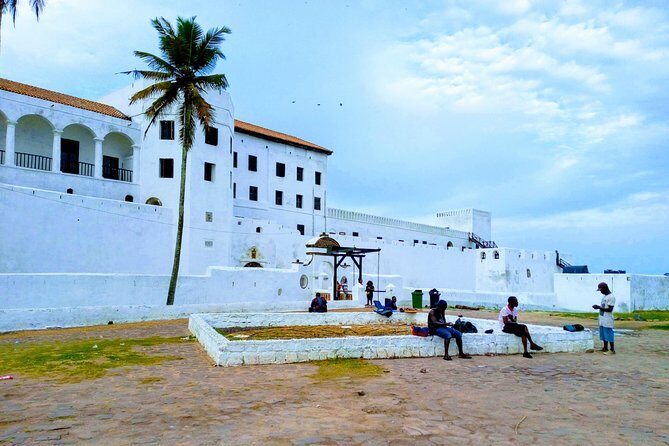
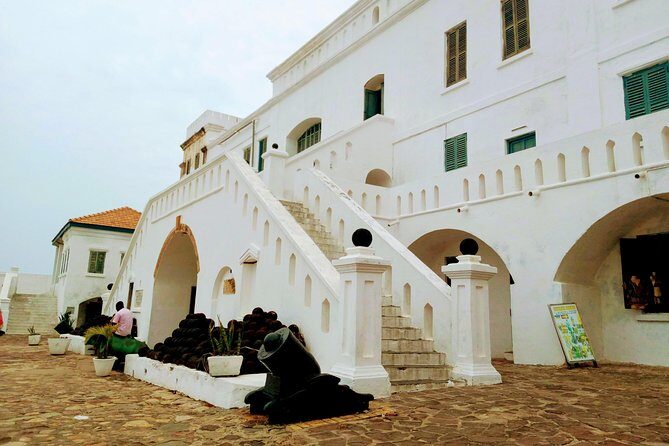
Cape Coast Castle is the centerpiece for the morning and early day. This site is described as the only European-built castle made for slavery, and it’s also recognized as a UNESCO World Heritage Site. That combination is important. You’re not just touring a building—you’re walking through a place that now functions as remembrance and education.
What I like about how this stop is framed is the way it links the past to a modern act of return. During the first Pan African Festival celebrations in 1998, remains of enslaved people from Jamaica and Barbados were exhumed and brought back to Ghana through what is now called the Door of Return. In plain terms: you’re hearing a story that doesn’t end with transport. It stretches forward to identity, memory, and roots.
How the visit feels in practice depends on your group and your guide, but your time here is planned. Expect about one hour for the core castle museum experience and a bit of time to browse a gift shop. Some people want more time here; others are ready to move on because the subject matter is heavy. Either way, having a firm time window helps you keep the rest of the day balanced instead of turning Cape Coast into an exhausting marathon.
Practical tip: wear shoes you can stand in. Castle corridors and rooms can involve lots of upright time, and you’ll likely want the ability to shift positions easily.
Elmina Castle: From Trade Warehouses to Male and Female Dungeons
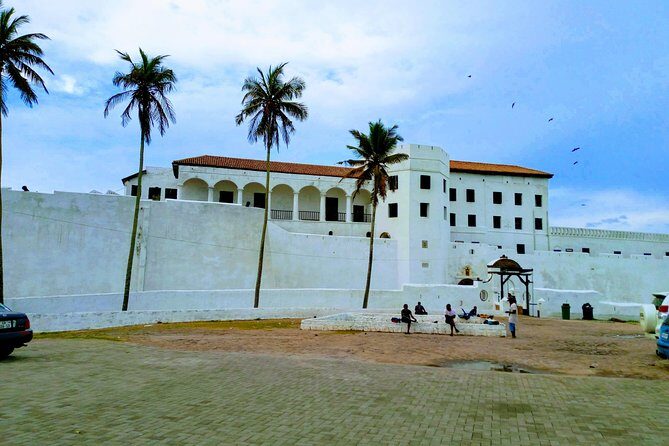
After Cape Coast, the tour shifts to Elmina Castle, which is described as the oldest and largest European-built castle below the Sahara, built in 1482. That’s a big deal historically, and it shows up in the story the tour tells.
You’ll get the context that Elmina didn’t start as a pure holding place. It began as trade settlements with warehouses for goods. Later, those spaces were converted into male and female dungeons, where people were held for up to three months before being shipped to the so-called New World. That detail helps you understand the cruel logistics behind the system—this wasn’t a quick stop. It was a process with waiting, overcrowding, and forced separation.
Today, the site is also UNESCO-recognized and functions as a historical place connecting visitors to heritage. The tone is typically reflective rather than casual. If you want a tour day where history feels grounded and specific, Elmina delivers that.
Time on site is about one hour, with admission included. That means you’ll get the core story and the major sections, but you won’t have unlimited roaming time. If you’re the type who likes reading every sign, plan to skim intelligently. Look for the explanations that connect the building layout to what happened there.
Also, this stop can be emotionally intense. If you’re traveling with family or friends, agree on a simple check-in plan: for example, a short reset before you leave the last rooms.
Kakum National Park Canopy Walk: The 40–50 Meter Promise
Then comes the shift in gears: Kakum National Park. This is where the day stops being only about history and becomes about bodies in motion and birds overhead.
Kakum is described as the second largest national park in Ghana. It’s known for wildlife like birds and a variety of mammals and reptiles. Your focus here is the canopy walkway, not a long game-drive style outing.
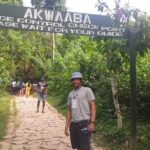
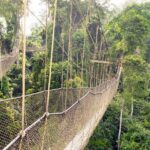
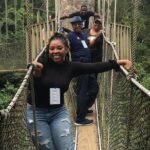
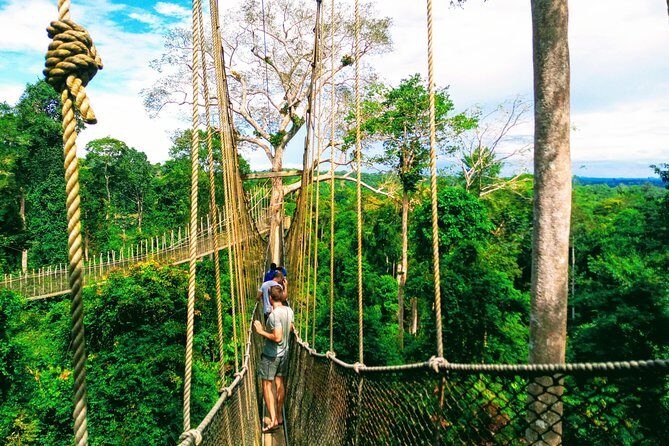
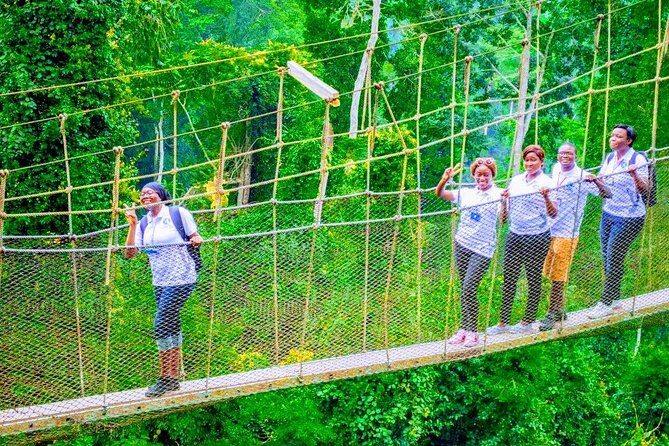
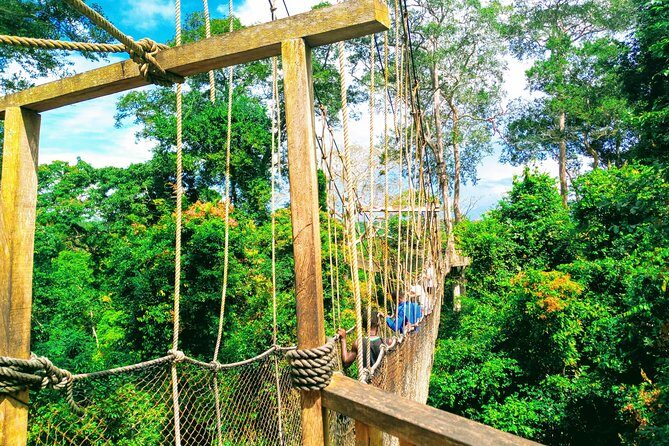
The walk to the platform area includes about a 15-minute hike. From there, the canopy walkway itself is roughly 40–50 meters high and about 350 meters long. It was built by two Canadians and six Ghanaians in 1994, and that’s not just a fun fact—it explains why the safety system feels personal. The tour notes that some of the people who helped build it are still with the park, carrying out frequent maintenance.
If you worry about heights, this is a good reality check without being reckless. The walkway design includes safety measures, and you’re not forced into long exposure without a plan. You can move at your own pace, stop if needed, and then keep going. In practice, most people find that once they’re on the line, the fear is manageable—especially when the forest below is busy and the air feels cooler.
What you’ll enjoy most is the mix of sights: the canopy view, the sense of scale, and the sound of the forest working below you. Even if you’ve seen plenty of nature photos before, the height changes everything.
Practical tip: bring a light layer. Parks can be cooler at elevation, and the day is long enough that temperature shifts matter.
Guides, Timing, and the Human Side of a Long Day
The tour includes guide support, plus a driver for the local transportation component. Several named staff members show up in the experience details from past participants: Gian, Ernest, Guid, Nana, and Suema. The common theme is that guides and drivers can make or break a long day, and this one tends to be praised for the calm, helpful way people handle it.
One review story sticks out in a useful way: Gian reportedly noticed a sound from the engine, tracked down a mechanical issue, located parts, and got the tour finished even if it ran late. That’s not something you want to happen—but it’s exactly the kind of competence you want when you’re far from home.
Timing is the other big factor. Cape Coast and Elmina require your attention, but the day can still shift if group members are not ready. On longer tour days, a small delay compounds. If you want the best experience, arrive at the pickup point early and keep your day plan flexible.
Also, some tours include small extras when schedules allow. One past participant noted that the driver handled dropping them off at a restaurant they wanted for dinner. That’s not guaranteed in the written tour features, but it reflects how the team sometimes helps you land safely and efficiently after a full day.


Price and Value: What You’re Actually Paying For
At $170 per person, this isn’t a bargain-basement excursion, but it’s also not overpriced for what you get. Here’s the value logic you should use:
You’re paying for:
- Round-trip transportation from Accra
- Hotel pick-up and drop-off within Accra
- Entrance fees to all included attractions
- Fuel charge and local transportation
- Guide support
- A planned route covering Cape Coast Castle, Elmina Castle, and Kakum canopy time
What you’re not paying for:
- Lunch
- International airfare
- Anything not listed on the itinerary
When admission fees and pickup are included, the “hidden cost” math becomes less scary. You can budget the day without guessing what the castle tickets and park entry might add up to. That matters when you’re traveling in a country where cash planning can be tricky.
And since the day is long, having organized transport is a real quality-of-life benefit. You’re not navigating the coastal route yourself, and you’re not trying to stitch together three separate experiences on your own schedule.
Group size can also affect your experience. The tour lists a maximum of 100 travelers and mentions group discounts. In practice, bigger groups can mean less individual attention. Still, guide support is included, and the sites are structured around a time plan.
Who This Tour Suits Best
This is a strong match if you want:
- A single day that combines slavery-history sites with a major nature experience
- A route that includes admission fees, so you’re not paying separately at each stop
- A guided day where the story comes with context, not just signage
It’s also a good fit if you’re staying in Accra and don’t have extra days to travel. Cape Coast and Elmina are the types of places you don’t want to rush, but they are hard to assemble well on your own in one day. This tour solves that.
The main mismatch: if you hate long drives or you want a slow, unstructured day, this will feel intense. It’s history-heavy first, then hiking and walking in Kakum.
Should You Book This Cape Coast and Kakum Day Trip?
I think you should book it if you’re the kind of traveler who values guided context and wants a full, meaningful day rather than scattered stops. The combination of Cape Coast Castle, Elmina Castle, and the Kakum canopy walkway gives you two very different kinds of impact in the same route: remembrance and rainforest awe.
Do book with eyes open about the day being long and the emotional weight of the castles. If you can handle that, you’ll leave with a clearer sense of the coastal history—and a strong mental reset once you’re walking the canopy above the forest.