REVIEW · ACCRA
7-Day Private Cultural and Heritage Tour in Ghana
Book on Viator →Operated by Timeh Tours · Bookable on Viator
Ghana’s story starts the moment you land. This private 7-day route blends airport pickup with a full-on mix of independence landmarks, craft workshops, and heavy history—then tops it off with nature at Kakum National Park. I especially like the hands-on hands-on crafts days, where you can see Kente weaving and make your own Adinkra textile strip.
One thing to keep in mind: the schedule moves, and a few of the most meaningful extras come with extra-fee add-ons (naming ceremony options, special ceremonies, and some activities). That doesn’t make the trip worse—it just means you should budget a little flexibility.
In This Review
- Key Points Before You Go
- Arriving in Accra: Akwaaba Welcome and a Soft Start
- Independence Square to Oxford Street: Accra’s Big Ideas and Night Energy
- Aburi Botanical Gardens and the Volta River: Craft Stops Plus Fresh Air
- Morning by the Volta and Ashanti Country: Kente, Adinkra, and Carving
- Kumasi’s Royal Museum and Kejetia Market: Power, Artifacts, Shopping
- Assin Manso and Cape Coast Castle: Remembering With Weight
- Kakum Canopy Walkway and Mankessim: Nature, Birds, and a Final Cultural Thread
- Price and Logistics: What $1,998.95 Really Covers
- Who Should Book This Ghana Heritage Tour
- Should You Book This Tour?
- FAQ
- FAQ
- What’s included in the tour price?
- Do you get airport pickup and drop-off?
- Are meals fully included?
- Is this tour private?
- How physically demanding is it?
- What if the trip is canceled due to weather or close to the start date?
Key Points Before You Go
- Certified guides on the ground: You’re not handed a brochure; you’re guided through the story behind each stop.
- Hands-on culture time: Kente weaving and Adinkra stamping aren’t just watch-and-walk experiences.
- History with context: Sites connected to the slave trade are treated as memorials, not quick photo stops.
- Comfort matters: An air-conditioned vehicle and day-to-day support keep long travel days bearable.
- Nature on the itinerary: Kakum National Park’s canopy walkway and birdwatching add a needed reset.
Arriving in Accra: Akwaaba Welcome and a Soft Start
Your trip begins at Kotoka International Airport, with a pre-arranged meet-up time and greeting. From there, you ride in an air-conditioned vehicle to Accra Mall for a proper Ghana welcome—think AKWAABA refreshment and a short city orientation if timing allows. It’s a calm first step, especially if you land tired and want your day to feel organized from minute one.
Then you head to your hotel to unwind and get ready for the cultural pace of the next days. I like this structure: you get oriented without rushing straight into a long tour day after a flight.
You can also read our reviews of more private tours in Accra


Independence Square to Oxford Street: Accra’s Big Ideas and Night Energy
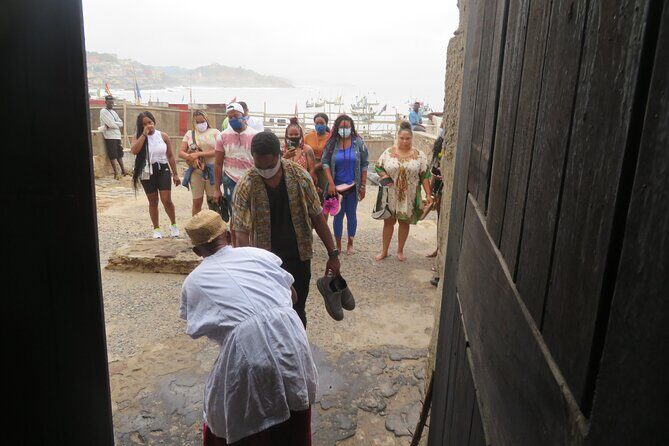
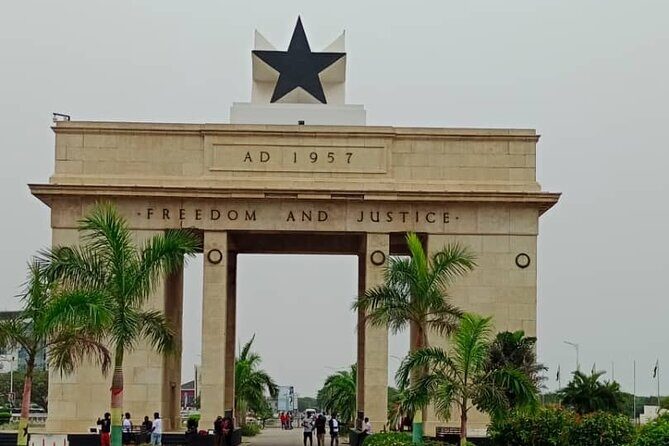
Accra on this tour has two faces: big national symbolism and everyday city life.
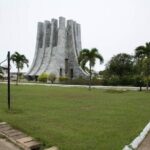
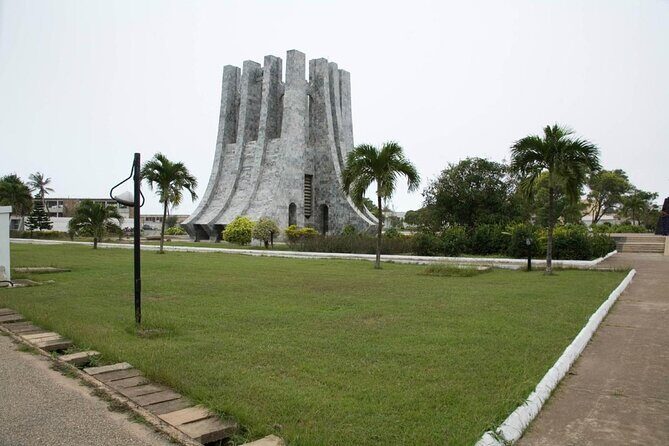
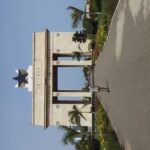
You start with the Kwame Nkrumah Memorial Park, where the story of Ghana’s independence is centered around the Kwame Nkrumah Monument and Independence Square. This is the kind of place where a guide helps you connect names, dates, and meaning, instead of just reading plaques.
Next, you shift to culture you can actually participate in. The Arts Center is a key stop for local products, and it’s also where you can take drumming lessons. If you like learning by doing, this is one of the better ways to make music part of your memory rather than just a sound in the background.
You also visit the W.E.B. Du Bois Center, which gives a strong historical and heritage-focused context for Pan-African thinking in Accra. Then you finish the day with Oxford Street—your cue to see how the capital changes after dark. This portion is at your own expense, so decide in advance whether you want a relaxed evening or something more social.
Aburi Botanical Gardens and the Volta River: Craft Stops Plus Fresh Air
Daytime in and around Accra continues with a nature-and-crafts rhythm. You head toward the Aburi Botanical Gardens via Atimpoku, with a stop at the Aburi craft market to pick up unique items. If you’ve ever felt stuck buying “tourist souvenirs,” this kind of market stop can feel more grounded because it’s part of a real local route.
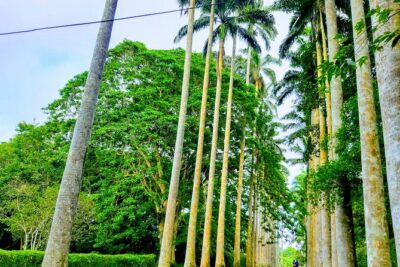
The gardens themselves are the reset button. You can enjoy scenic views and even rent bicycles for a leisurely ride, which is a nice change from constant walking. It’s also a useful break for your legs before the tour swings toward busier days.
As you move toward the Volta River area, there’s a bead workshop stop where you can see handcrafted beads and their variety. It’s not just a shop; it’s a look at how artisans build materials into finished work.
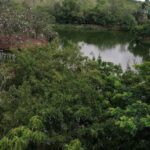
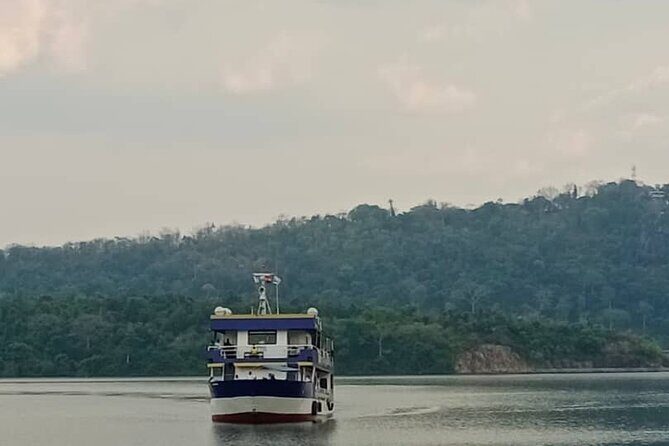
Then comes the Adomi Bridge, described as Ghana’s only steel arch bridge. You can end the day with a canoe ride on the Volta River. There’s also a motorboat option for an added fee, so choose based on how much you want speed versus calm. The day ends at a nearby resort area so you can actually rest instead of driving straight back to a city hotel late.
Morning by the Volta and Ashanti Country: Kente, Adinkra, and Carving
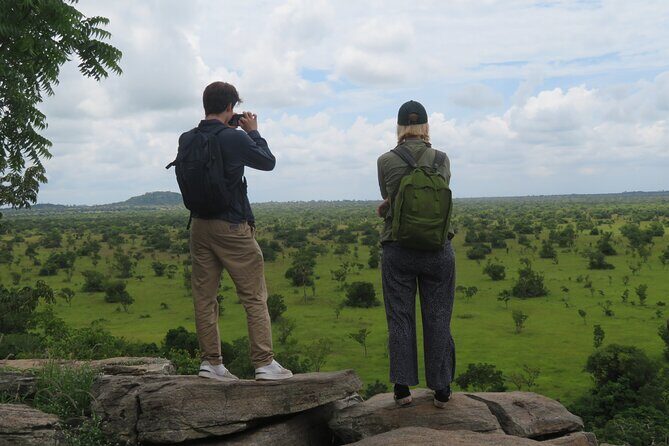
The Volta day continues with a quieter morning by the river—relaxing, and even a swim if you want. You’ll also watch local fishermen at work early in the day, which gives you an everyday Ghana moment that feels less staged. It’s the sort of stop that’s great for photos, but even better when you’re just watching how people move through their day.
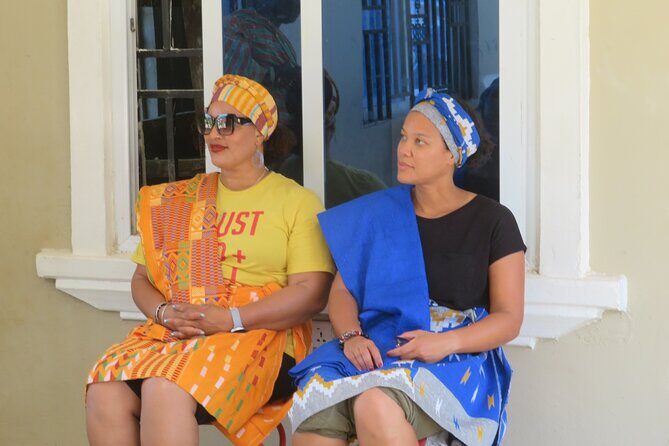
Then the tour turns toward Ashanti Region, and it gets hands-on in a way that’s hard to replicate on your own. One of the standout stops is Adanwomase, described as the heart of authentic Kente. You’ll see Kente weaving firsthand. If you’ve only seen Kente as clothing, seeing the weaving process changes what you think about the fabric—suddenly it’s labor, skill, and symbolism tied together.
For an additional fee, you can participate in a traditional naming ceremony at the chief’s palace, with vibrant drumming and dancing and the chance to be adorned in Kente cloth. This is one of those options where I’d suggest saying yes if it fits your comfort level and you’re ready for something ceremonial and focused.
Next is Ntonso village for an Adinkra stamping experience. You create your own unique textile strip by stamping different Adinkra symbols—each connected to meaning and values. This is practical art learning: you leave with something you made, not just something you bought.
Finally, you finish with Ahwiaa carving shops, where you can see wooden sculptures and traditional crafts. It’s a good wrap-up for the day because you go from fabric symbolism (Kente and Adinkra) to tangible carved forms.
Kumasi’s Royal Museum and Kejetia Market: Power, Artifacts, Shopping
In Kumasi, the tour shifts from making to learning more deeply about what came before you.
You visit Manhyia Palace Museum, home to the Ashanti King’s residence, and you explore palace grounds and Ashanti Kingdom traditions—governance, royal life, and how it shaped Ghanaian history. Even if you’re not a “museum person,” a palace setting tends to make the context click.
Then you head to the National Cultural Center, one of Ghana’s major museums. This stop includes cultural artifacts and exhibits, plus a stop at the mystic Komfo Anokye sword, an important symbol tied to Ashanti folklore. If you want the tour to feel grounded in more than one type of knowledge—oral stories and physical objects—this is your bridge.
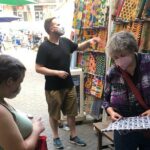
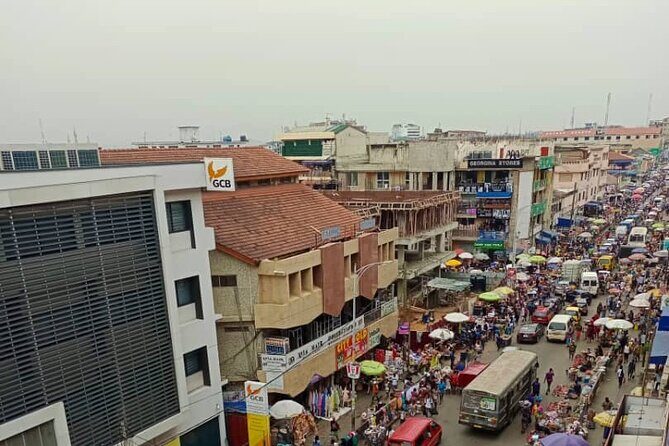
The day ends at Kejetia Market, described as West Africa’s largest outdoor market. It’s a big shopping and browsing session. You’ll likely want to slow down, compare items, and decide what’s worth carrying home. It’s also a good day to refuel mentally, because the market energy is different from museum energy—you’re engaging with daily commerce and local life.
You can also read our reviews of more historical tours in Accra


Assin Manso and Cape Coast Castle: Remembering With Weight
This is the part of the trip that stays with you.
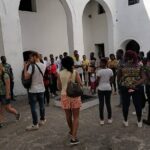
Assin Manso Ancestral Slave River Park is a poignant stop connected to a slave cemetery and market. You learn the history of the transatlantic slave trade and why the site matters. This is not a stop designed for casual wandering; it’s the kind of place where a guide helps you understand context and handle the subject with care.
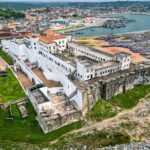
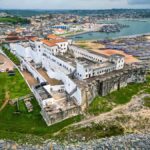
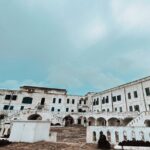
Then you visit Cape Coast Castle, including the former slave dungeon. Again, the value here comes from having interpretation. When you have the story behind the walls, it hits differently than stopping for quick photos.
There’s an optional “Door of Return” ceremony for an added fee, symbolizing your return to the motherland after the slave trade. If you’re feeling emotionally ready for it, it can be one of the most powerful moments of the whole trip.
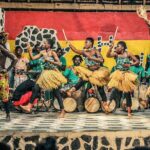
That evening, there’s also an optional cultural performance for an additional fee. If you go, I’d treat it as a release valve: a chance to shift from grief and remembrance into something alive—dancing, drumming, and reflection after a heavy day.
Kakum Canopy Walkway and Mankessim: Nature, Birds, and a Final Cultural Thread
On your last full day, you get a morning buffer. You start at your hotel with reflection time, then head toward Kakum National Park.
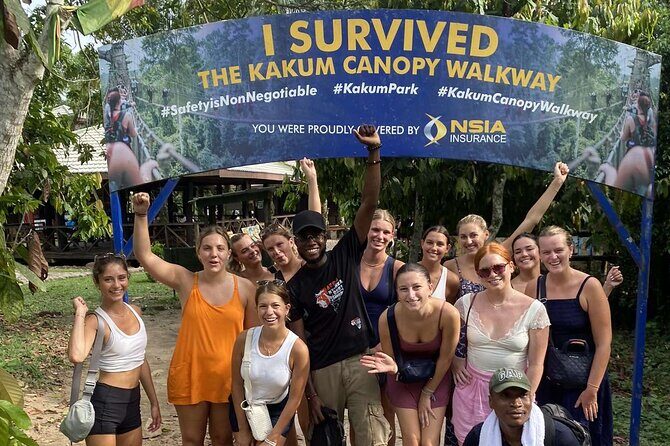
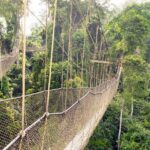
Kakum is known as one of Ghana’s most popular attractions, with tropical forest scenery and the famous canopy walkway. You also get birdwatching potential, so it’s worth bringing a sense of patience. If you see birds, great. If you don’t, you still get the forest experience and the satisfaction of having done it.
Before the flight, the tour adds a final cultural stop in Mankessim. You visit one of the remaining Posuban shrines in the region. It’s a quick stop with a specific cultural focus, followed by a coastal drive back toward Accra. You’re advised to arrive before dark for last-minute shopping.
Then it’s goodbyes again, with airport drop-off timed so you leave about two hours prior to your flight.
Price and Logistics: What $1,998.95 Really Covers
At $1,998.95 per person for a 7-day private tour, this isn’t a “cheap and cheerful” deal. But the value is in how much is bundled.
You get an air-conditioned vehicle, accommodations, a certified tour guide, 24/7 office support, and entrance fees. You also get breakfast included on 6 mornings, plus guide driver meals and accommodation covered. For many travelers, that’s the key: your budget isn’t constantly getting chipped away by entry tickets, transport arrangements, and basic logistics.
Where costs can pop up on top are the clearly optional activities:
- canoe versus motorboat on the Volta River area
- naming ceremony participation in Adanwomase
- Door of Return ceremony at Cape Coast Castle
- evening cultural performance
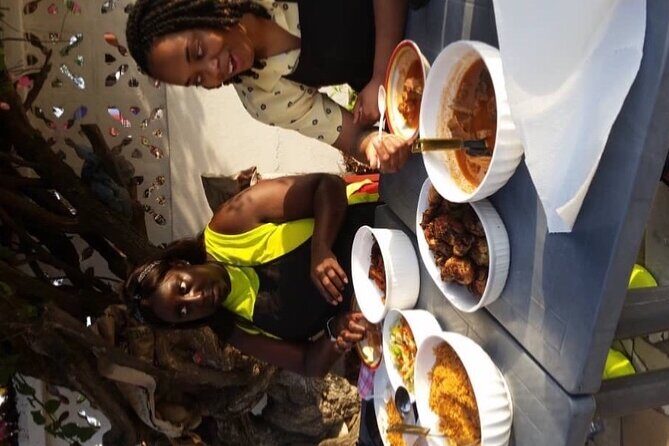
Also note guest meals and drinks aren’t included, so you’ll want to plan for lunch/dinner spending. And international flights and travel insurance/immunizations aren’t included either.
One more practical point: this is a private tour, meaning you’re not squeezed into a mixed group. It’s easier to ask questions, adjust pacing with your guide, and keep the trip aligned with your interests.
Who Should Book This Ghana Heritage Tour
This is a great fit if you want:
- craft learning, not just sightseeing
- a guided approach to independence history and Ashanti royal culture
- meaningful memorial visits handled with structure and context
- comfort on the move, thanks to air-conditioned transport and hotel stays
- a nature moment at the end with Kakum’s canopy walkway
It’s also a good choice if you’re traveling solo and want a human safety net. In past trips, guides such as Jojo, Eric, Timothy Dadgie, Mike Amuzu, and Adams have been mentioned in connection with smooth airport arrivals, attentive guiding, and a feeling of being well cared for. (No guarantee of the exact same guide for your dates, but it’s a sign of the kind of service style this operator aims for.)
Should You Book This Tour?
I’d book it if your main goal is to connect Ghana’s big story with real places—Accra’s independence symbols, Ashanti craft traditions, and Cape Coast memorial sites—without you having to figure out transport or entry details. The mix of hands-on art (Kente weaving and Adinkra stamping) plus guided history gives you more than “check-the-box” travel.
I’d hesitate if you hate a busy itinerary or you dislike paying extra for optional ceremonies and activities. If you prefer total control and no add-ons, you can still do Ghana on your own—but you’ll spend more time planning and coordinating.
FAQ
FAQ
What’s included in the tour price?
The tour includes an air-conditioned vehicle, accommodations, a certified tour guide, 24/7 office support, guide/driver meals and accommodation, and entrance fees. Breakfast is included 6 times.
Do you get airport pickup and drop-off?
Yes. You’re met at Kotoka International Airport at a pre-arranged time and you’re dropped off at the airport or your designated drop-off location. The tour notes dropping you off about two hours before your flight.
Are meals fully included?
Not fully. Breakfast is included (6 breakfasts), but guest meals are not included, and drinks are not included either.
Is this tour private?
Yes. It’s a private tour, so only your group participates.
How physically demanding is it?
The tour calls for a moderate physical fitness level.
What if the trip is canceled due to weather or close to the start date?
The experience requires good weather. If it’s canceled due to poor weather, you’ll be offered a different date or a full refund. Cancellation is free up to 24 hours in advance for a full refund; within 24 hours there’s no refund.