REVIEW · ACCRA
Authentic Ghanaian Cooking Lessons and Take Out Services.
Book on Viator →Operated by Authentic Ghanaian Cooking Lessons · Bookable on Viator
Cooking in Accra can turn into a full-on food lesson. This experience is built around hands-on cooking and the story behind each dish, with your host Cecilia making it feel friendly from the start. It’s also the kind of class where you learn practical steps you can copy later, not just eat and leave.
Two things I like a lot: you get end-to-end practice (from ingredient prep through finishing), and you’re working with a guide who’s focused on teaching, not showing off. The one thing to consider is simple: private transportation isn’t included, so you’ll want to plan how you’ll reach Diabase Street.
In about four hours, you’ll choose a package that includes two complete meals plus a side dish or dessert, and you’ll leave with extra food in packed leftovers. The group is small (max 10), allergies are considered, and you can take photos and videos to remember what you made.
In This Review
- Key Highlights You’ll Care About
- Why This Accra Cooking Class Feels Like Real Home Cooking
- Menu Choices: Two Complete Meals plus Side or Dessert
- The 4-Hour Flow: What Happens in the Kitchen
- From Scratch to Finish: The Skills You’ll Actually Take Home
- Cultural Context You Can Taste, Not Just Read
- Eat In or Take Away: How the Leftovers Work
- Price and Inclusions: Why $25 Can Feel Like a Bargain
- Practical Logistics: Where to Meet and How to Plan Your Day
- Alternatives: When You Want Food but Not a Full Lesson
- Who This Cooking Lesson Is Best For (and Who Might Skip)
- Should You Book Authentic Ghanaian Cooking Lessons?
- FAQ
- How long is the cooking lesson?
- Where does the experience start?
- How much does it cost?
- What does the $25 include?
- How many people are in the group?
- Do I get to choose what I cook?
- Will there be leftovers?
- Can the kitchen handle food allergies?
- Are substitutions provided if ingredients are hard to find?
- Can I cancel for a full refund?
Key Highlights You’ll Care About
- Choose your two meals plus a side dish or dessert package
- Hands-on from scratch to finish, not just watching
- Leftovers are packed for you, so you’re not just hungry during the lesson
- Allergies are considered, and substitutes can be shared if ingredients are hard to find at home
- Music and games keep the session moving, plus time to ask culture questions
- You can swap lessons for takeout, ordering specific meals at the same fee
Why This Accra Cooking Class Feels Like Real Home Cooking
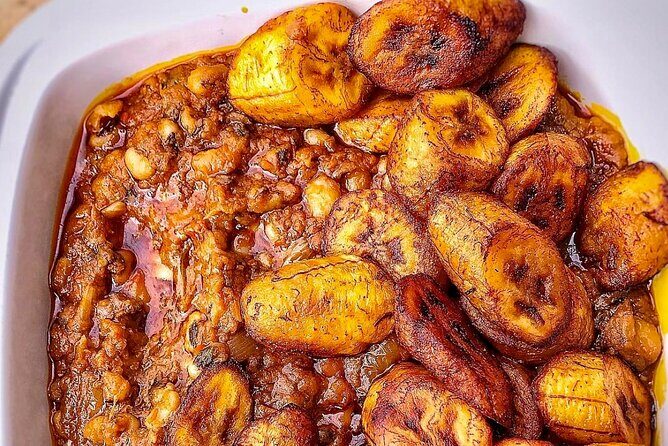
If you’re the type who learns by doing, this class fits you. You’ll be in the kitchen for the work—chopping, seasoning, cooking, and finishing meals—while Cecilia shares what’s behind the dishes and how Ghanaian cooking patterns come together.
I love that it’s practical. The goal isn’t to impress you with a chef trick; it’s to get you comfortable with steps you can repeat later in your own place. And since your meal package includes both what you cook and what you eat, you’re not guessing whether you’re paying for a full experience or just a snack.
Another thing I appreciate is the mix of teaching and flexibility. You can pick a schedule that works for you, and the class is capped at 10 people, which helps keep things from turning into a chaotic assembly line. Still, you’ll want to plan for a “no-rush” vibe, because cooking takes time—even when everything goes smoothly.
You can also read our reviews of more cooking classes in Accra

Menu Choices: Two Complete Meals plus Side or Dessert
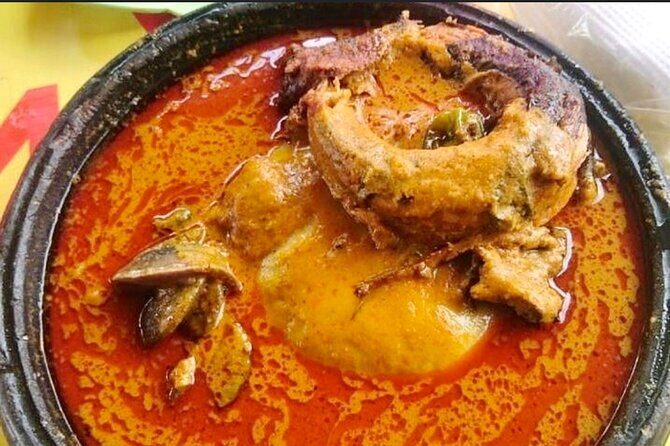
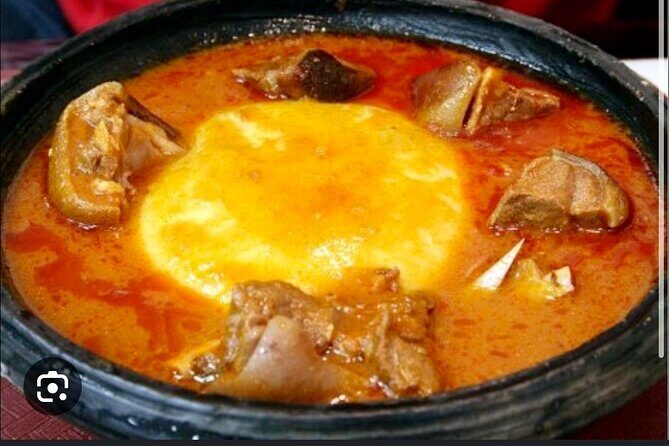
Your package is built around two complete meals. You choose the specific meals for your session (from the available Ghanaian options), and the package also includes either a side dish or a dessert.
That structure matters because it makes the class useful at home. Instead of learning one dish and walking away, you learn enough variety to build a real Ghanaian-style meal plan. It also gives you two chances to practice different cooking techniques—think grains, proteins, stews, or fried elements depending on what you select.
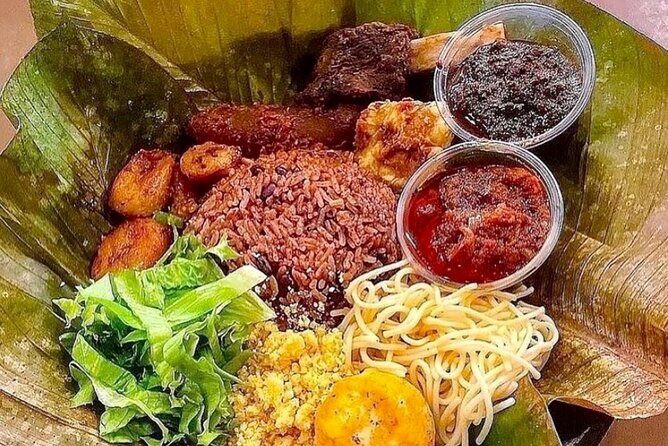
In past sessions, guests have cooked popular favorites like jollof rice, chicken groundnut soup, fried chicken, and plantain with vegetables. You shouldn’t assume those exact dishes are always the menu, but it’s a good sign that classic Ghanaian staples are part of what you may be able to choose.
The 4-Hour Flow: What Happens in the Kitchen
This experience runs for about 4 hours, and the pacing is designed for hands-on learning. Expect a clear progression rather than random chaos—prep first, then cooking through to finished plates.
Here’s the practical rhythm you can look for:
- You arrive and get oriented at the start point on Diabase Street.
- You confirm your meal choices for the package (two complete meals plus side or dessert).
- You begin hands-on prep, then you cook from scratch to finish with guided steps.
- Along the way, Cecilia shares the history behind each indigenous meal and answers your questions about Ghanaian culture.
- You eat what you made, then you leave with two packaged leftovers.
You’ll also get entertainment during the session, like music and games, which keeps it from feeling like a serious classroom. It’s part education, part cooking hangout, and part food chat.
If you’re someone who learns best when you can ask questions, this is a strong setup. You’re specifically allowed to ask anything you want about Ghanaian culture and the meals you’re making, and the class format supports that rather than shutting it down.
From Scratch to Finish: The Skills You’ll Actually Take Home
The biggest value here is that it’s from scratch to finish. That means you’re not just tasting sauces; you’re learning how the meal comes together in stages. When you do that, it becomes much easier to recreate the dish later—because you understand the order of operations.
You’ll also get help for real-life problems. The experience notes that substitute ingredients can be shared if something isn’t available in your locality. That’s huge if you’re planning to cook at home and run into supply issues. It turns the lesson into a repeatable recipe path instead of a one-time event.
And because cooking involves food choices and personal needs, allergies are considered when combining ingredients. You should still share your allergy details clearly when you book, but it’s reassuring that the lesson is set up to account for it rather than ignoring it.
Cultural Context You Can Taste, Not Just Read
One of the reasons cooking lessons stick with people is that food travels with stories. This one builds in the history behind each indigenous meal, so you’re not eating something you can’t place.
You’ll also pick up culture info as you cook—questions about why certain ingredients are used, how meals connect to local habits, and what makes Ghanaian cooking what it is. Cecilia’s style seems to lean toward teaching with warmth, so you’re not afraid to ask small questions like why a step matters.
This cultural piece isn’t separate from the cooking. It shows up while you work, which makes it easier to remember. You’ll likely find that you understand the dish more after the lesson, not just that you ate well during it.
A few more Accra tours and experiences worth a look


Eat In or Take Away: How the Leftovers Work
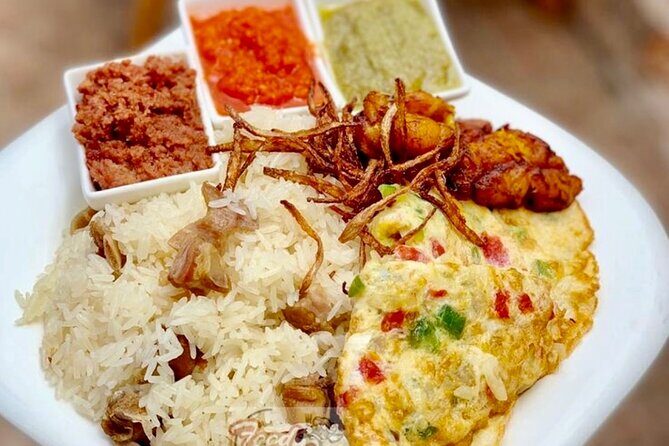
At the end of the class, you get to eat your prepared meals. You can choose to eat in or have packed meals, and the lunch ingredients are built into the $25 price.
The leftovers plan is also part of why the class feels like good value. You’ll have two packaged leftovers, which means you can handle dinner that night (or save it for later). For a lot of people, that makes a cooking class feel less like an activity and more like a meal plan.
If you’re visiting and trying to stretch your budget, this matters. You’re not paying $25 and walking away with only a bite-sized experience. You’re paying for cooking practice plus actual food you can take home.
Price and Inclusions: Why $25 Can Feel Like a Bargain
The price is $25.00 per person, and the session runs around 4 hours. Most importantly, the cost includes lunch ingredients and the items needed to cook.
Specifically, you’re covered for:
- Lunch ingredients
- Cooking utensils (so you don’t need to arrive with any)
- All fees and taxes
Not having to bring utensils sounds small, but it’s a big practical win. Ghana is busy, and you’re a visitor—your time and energy are limited. This keeps the class from turning into extra shopping or extra prep.
It’s also a small-group setting (max 10). A class that doesn’t pack in too many people is usually better for hands-on learning, because you can keep moving at your own pace without feeling like you’re behind a crowd.
Based on the overall rating shown here (a 5/5 score across 9 reviews), the experience seems to deliver what people expect: structured teaching, friendly hosting, and real meal output.
Practical Logistics: Where to Meet and How to Plan Your Day
You’ll meet at Diabase Street, Accra (Diabase St, Accra, Ghana), and the activity ends back at the same meeting point. It also notes that it’s near public transportation, which can help if you’re not using a car or private driver.
Here’s what you should plan around:
- Arrive a little early so you’re not rushed when you’re choosing your meals.
- Wear comfortable shoes. Cooking means you may stand and move around in the kitchen.
- Since private transportation isn’t included, build in time to get to Diabase Street and get back.
Also, you get a mobile ticket, and confirmation is received at booking. That’s helpful for day-of simplicity.
If you want to keep your day calm, I’d schedule this when you won’t be sprinting to your next stop right after the 4-hour window. Cooking is social and question-friendly, so you’ll likely want a relaxed transition afterward.
Alternatives: When You Want Food but Not a Full Lesson
Not every day goes to plan. The experience includes a useful option: you can replace the meal lessons by placing orders of specific meals of your choice at the same fee.
So if you’re short on time, or you already know what you want to eat, you can still get Ghanaian food without the full cooking schedule. It’s a nice flexibility move.
There’s also an option to book the kitchen for further practice at a reasonable fee, if you want to go deeper than one session. And if you want to share food—like ordering more quantity for orphanages or friends—that can be arranged for a reasonable fee as well.
Who This Cooking Lesson Is Best For (and Who Might Skip)
This class is a strong fit if you want:
- Hands-on cooking you can recreate later
- A small, friendly setting with time for questions
- Meals plus enough leftovers to matter
- Culture context connected to what you’re cooking
It’s also a good choice if you like structure. You’re choosing a meal package, cooking from scratch to finish, learning the story behind each dish, and leaving with food already packed.
You might consider skipping if you’re tightly scheduled and can’t manage the about-4-hour commitment. And if you can’t easily get to Diabase Street without a car, the lack of private transportation could be a hassle.
Should You Book Authentic Ghanaian Cooking Lessons?
If you want a real Ghanaian cooking experience that focuses on practice and repeatable technique, I think this is an easy yes. The price feels fair because ingredients, utensils, taxes, and two packaged leftovers are all included, and the format supports learning without rushing.
Book it if:
- You want to cook at least two complete meals
- You like the idea of substitutions and allergy-aware ingredient choices
- You want a small-group class (max 10) with music, games, and Q and A
Skip it if:
- You can’t handle arriving at the meeting point on your own (since private transport isn’t included)
- You need a strict schedule where a cooking lesson would feel too long
FAQ
How long is the cooking lesson?
It lasts about 4 hours.
Where does the experience start?
The start (and end) point is Diabase Street in Accra, Ghana.
How much does it cost?
It’s $25.00 per person.
What does the $25 include?
Cooking utensils needed for preparation are provided, lunch ingredients are factored into the cost, and all fees and taxes are included. You can eat in or take packed meals.
How many people are in the group?
There’s a maximum of 10 travelers.
Do I get to choose what I cook?
Yes. You can choose the package of two complete meals, plus either a side dish or a dessert.
Will there be leftovers?
Yes. You enjoy the prepared meals and also receive two packaged leftovers.
Can the kitchen handle food allergies?
Allergies are considered when combining ingredients.
Are substitutions provided if ingredients are hard to find?
Yes. Substitute ingredients are shared with clients if what’s used isn’t available in their locality.
Can I cancel for a full refund?
You can cancel for a full refund up to 24 hours before the experience’s start time. If you cancel within 24 hours, the amount paid is not refunded.