REVIEW · ACCRA
Experience the Beauty, History and the Culture Of Accra in a Day
Book on Viator →Operated by Bigbentours1gh · Bookable on Viator
Six hours, and Accra clicks into focus. This private day tour strings together Ghana’s independence story, everyday market life, and Pan-African ideas, all with a chauffeur-driven vehicle and admission tickets so you can spend less time figuring out logistics and more time understanding what you’re seeing.
I love that the route mixes big monuments with real street energy—Kwame Nkrumah Memorial Park and Independence Square sit right beside Makola Market—so the history feels connected to the city today. I also like that your guide can bring it down to human scale. On this tour, guides like Emmanuel and Samuel are described as patient, flexible, and able to help with things like merchant conversations and smart bargaining when you’re shopping.
One consideration: traffic near Makola Market can slow things down, and lunch isn’t included, so plan for a hot, full day with water and snacks.
In This Review
- Key highlights at a glance
- Entering The Day: Why This Route Makes Sense
- Getting There Smoothly: Pickup, Timing, and How to Prepare
- Kwame Nkrumah Memorial Park: Independence Through One Leader’s Lens
- Makola Market: Open-Air Shopping and Real Daily Life
- Independence Square: The Struggle for Self-Rule in Public Space
- W.E.B. Du Bois Centre: Pan-African Ideas That Still Matter
- James Town Lighthouse: The First British Footprint
- Center for National Culture: Crafts with Context, Not Just Clutter
- Price and Value: Is $80 a Good Deal?
- Who This Tour Fits Best (And When It Might Not)
- My Quick Booking Advice: Should You Sign Up?
- FAQ
- How long is the Accra Highlights private tour?
- What time does the tour start?
- Is pickup from my accommodation included?
- Are admission tickets included?
- Is lunch included in the price?
- Is this tour private for my group?
- What’s the cancellation policy?
Key highlights at a glance
- A fast, logical route through Accra’s independence and Pan-African story
- Private chauffeur-driven transport with round-trip pickup from your Accra home base
- Admission tickets built into every stop (so fewer add-ons once you arrive)
- Makola Market time for real buying-and-selling, not just photo stops
- Du Bois Centre focus for anyone curious about Pan-African ideas beyond slogans
- Shopping stop at the Center for National Culture to grab crafts with context
Entering The Day: Why This Route Makes Sense
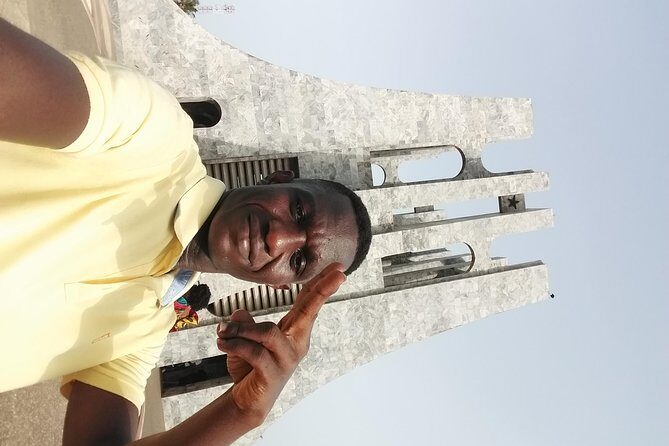
If you have limited time in Accra, this kind of plan is gold. You start in the morning and hit the city’s most important “story points” while they’re most active and before the day gets heavy. The tour is private, so you’re not squeezed into a group rhythm that doesn’t fit your questions.
What makes the route feel smart is the mix of themes. You don’t just see landmarks; you see the threads that tie them together: independence leadership, the struggle for self-rule, and then Pan-African thought that stretches beyond Ghana. Add in a market visit and a craft stop, and the tour lands somewhere between history class and a living city.
The transport matters too. You’re in a chauffeur-driven vehicle for a full day with multiple stops, which means you’re not bouncing between taxis and guessing directions. If you want a day where you can relax while someone local handles the “how do we get there” part, this fits.
You can also read our reviews of more historical tours in Accra


Getting There Smoothly: Pickup, Timing, and How to Prepare
The tour starts at 9:00 am and runs about 6 hours. Pickup is included from your accommodation in Accra, which is a big deal if you’re staying somewhere outside the center or you’d rather not coordinate street transport for each leg.
The vehicle time between stops also helps you keep your energy. Accra isn’t a “wander for hours” city when you’re trying to cover a lot. This itinerary is built for motion—arrive, learn, look closely, then go.
Practical prep that will make the day easier:
- Bring water and a few snacks, because lunch isn’t included.
- Wear light, breathable clothes and something that covers shoulders if you prefer it.
- If you plan to buy things at markets, keep some small notes and coins handy.
- Have a power bank. You’ll likely be taking photos at several sites, plus you’ll want your phone accessible for the mobile ticket.
A small planning note: on busy days, parking and traffic can affect pacing around markets. If Makola’s area gets slow, your guide may adjust the flow so you still get the most out of the day. Keeping a flexible mindset helps.
Kwame Nkrumah Memorial Park: Independence Through One Leader’s Lens
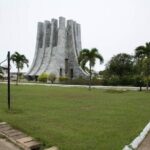
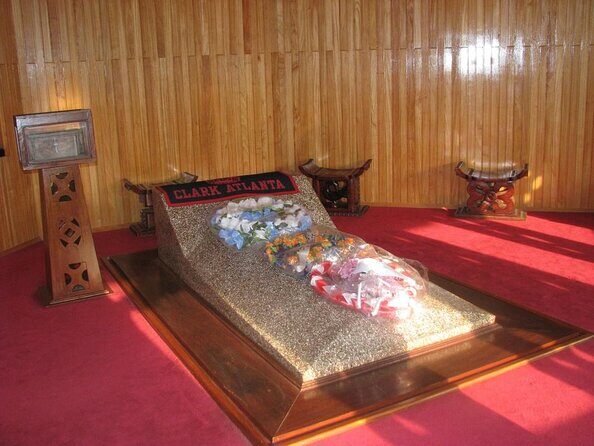
You begin with Kwame Nkrumah Memorial Park for about 1 hour, with an admission ticket included. This stop is the “how Ghana became Ghana” anchor of the day.
Nkrumah is more than a name on a plaque. Here, the visit is structured around the history of Ghana’s independent leader and first President, Dr. Kwame Nkrumah. The best value of this stop comes from context: you’re learning what independence meant, not just when it happened. When a guide connects the dots, you’ll understand why later stops about struggle and Pan-Africanism don’t feel random. They’re chapters in one bigger story.
What to pay attention to:
- Look for details that explain leadership and nation-building, not just dates.
- Ask questions like how independence changed everyday political life, not just government offices.
- Take a few minutes to stand back and read the messaging on-site. The point is clarity, not speed.
Why I like starting here: it gives you a framework. By the time you reach Independence Square and the Du Bois Centre, the ideas land with more meaning.
Makola Market: Open-Air Shopping and Real Daily Life
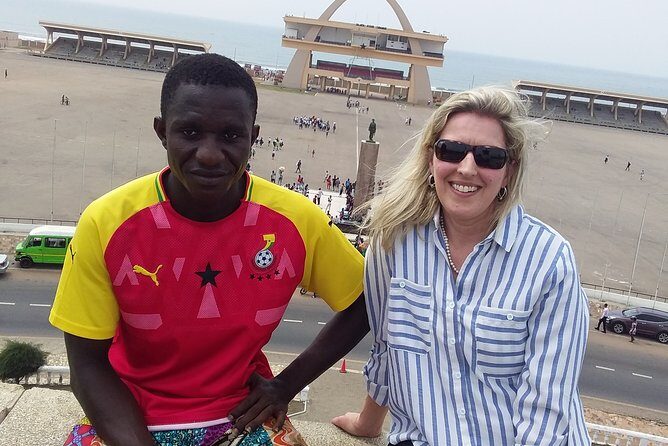
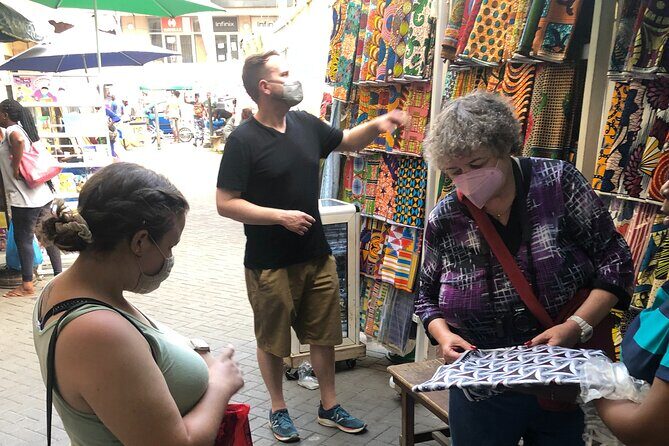
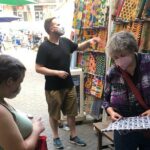
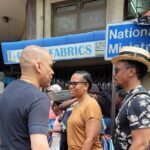
Next is Makola Market, again about 1 hour, with admission included. This is the “city in action” stop. Makola is described as one of Accra’s bustling open-air markets, and that’s exactly the point: you’re seeing how buying and selling works as part of daily life.
This isn’t only about souvenirs. The real value is understanding how people move, negotiate, and decide what to buy. When your guide is comfortable talking with vendors, you’ll likely get more than a quick transaction. One of the strongest themes from guides on this tour is helping travelers interact confidently, including negotiating in a respectful way.
How to make the market visit rewarding:
- Go in with a simple goal: one practical item, one small craft, one edible or spice if you already know what you want.
- Expect it to be active. You’ll likely want to slow down and look closely before you buy.
- If you’re not sure what something is, ask. Let your guide translate the story behind it.
Timing note: because traffic and parking can get intense around busy commercial areas, it’s possible the pace could shift. If you arrive and things feel chaotic, that’s normal. Your job is to stay curious, and your guide’s job is to keep you moving through the experience.
Independence Square: The Struggle for Self-Rule in Public Space
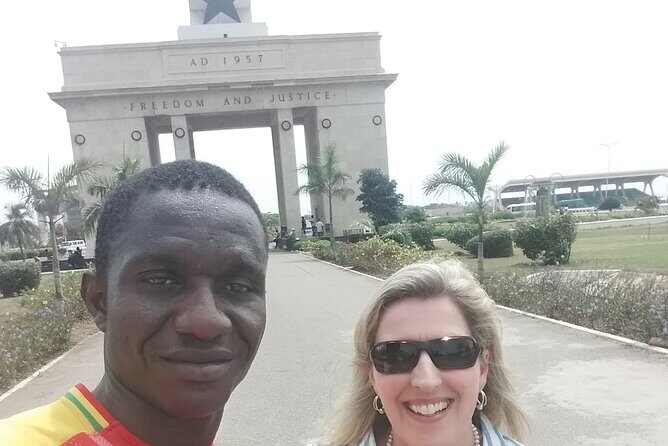
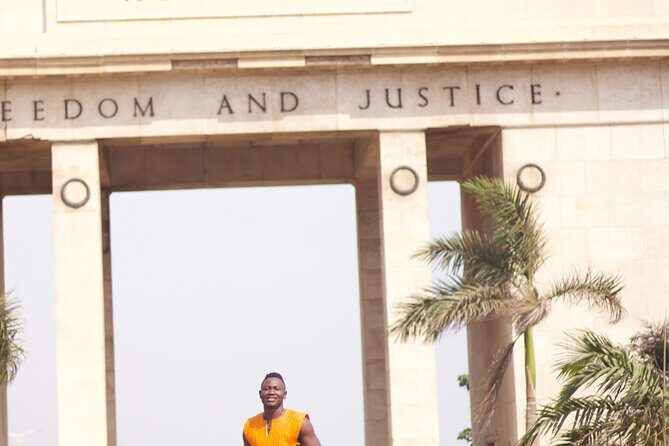
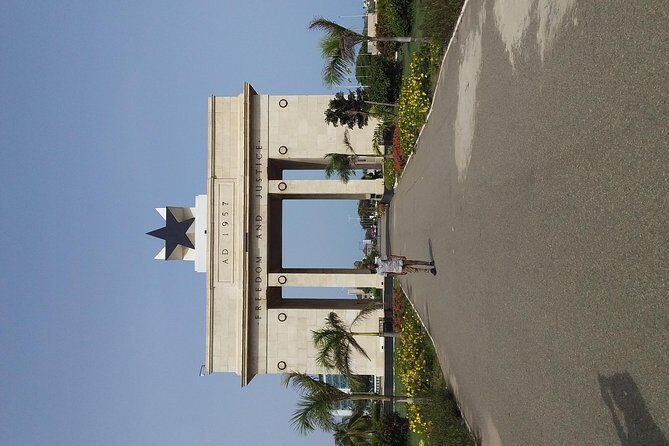
Then you head to Independence Square for about 1 hour. Admission is included here too.
This stop is built around the history of Ghana’s independence struggle. Independence Square works well as a learning space because it’s a public stage—history is literally in the open. You can’t avoid the idea that people fought for access to their own future.
If you like history that feels human, this is the moment to ask how the struggle shaped public identity. Why symbols matter. Why speeches and organizing showed up in physical spaces. A good guide helps you see the difference between a monument and a message.
What to watch for:
- How the site communicates the independence story visually and spatially.
- Any interpretation that connects the struggle to later Pan-African thought.
- The way the site frames national pride without ignoring the hard process of getting there.



W.E.B. Du Bois Centre: Pan-African Ideas That Still Matter
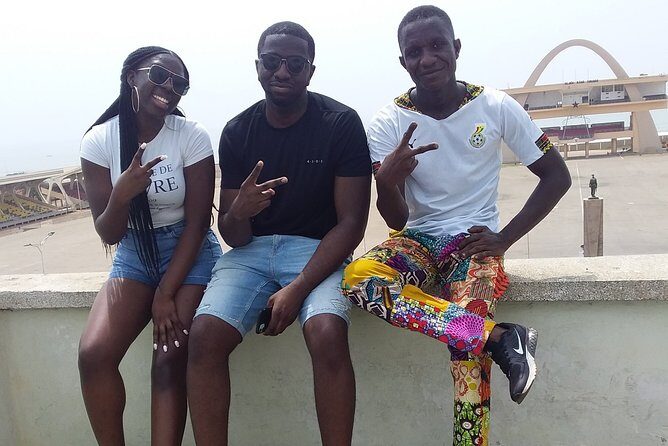
After the Ghana-specific story comes a broader intellectual one: the W.E.B. Du Bois Centre for about 1 hour, with admission included.
Here you learn the life history of Dr. W.E.B. Du Bois, described as one of the greatest Pan-Africanists, and as someone who held a leadership role connected to Pan-Africanist Congresses. The tour framing matters. It’s not just about knowing his name; it’s about understanding Pan-Africanism as an idea—how it connects people across borders and how it shaped conversations about freedom and identity.
This is a great stop for anyone who wants to connect Ghana’s independence to larger African and global movements. When a guide explains the key terms in plain language, the centre becomes a bridge: from Ghana’s independence struggle to the wider fight for dignity and self-determination across the continent.
How to get more out of it:
- Ask for the simplest explanation of Pan-Africanism before you move on.
- Look at how the centre presents Du Bois in relation to African liberation.
- Take notes on any themes you want to revisit later during your trip.
James Town Lighthouse: The First British Footprint
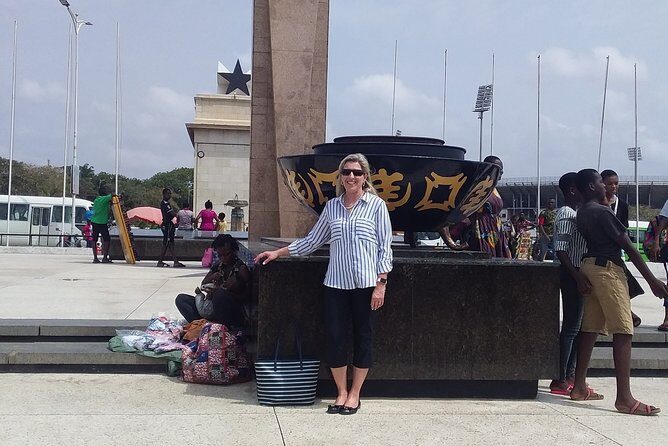
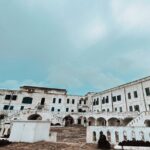
Next you visit James Town Lighthouse for about 1 hour, with admission included.
This stop focuses on the history of the first British settlement in Accra. Even if you don’t know the colonial timeline already, the lighthouse gives you an easy anchor point: a physical structure that connects geography, settlement, and the way coastal towns changed over time.
Why this matters in a day like this: it adds a sharper edge to the independence narrative. Independence doesn’t happen in a vacuum. Foreign trade routes, settlement patterns, and coastal power dynamics all shaped what independence leaders inherited.
What to do at this stop:
- Take a moment to understand the location’s role in the wider city story.
- If you care about architecture or maritime history, ask your guide to connect the lighthouse to how people lived around it.
Center for National Culture: Crafts with Context, Not Just Clutter
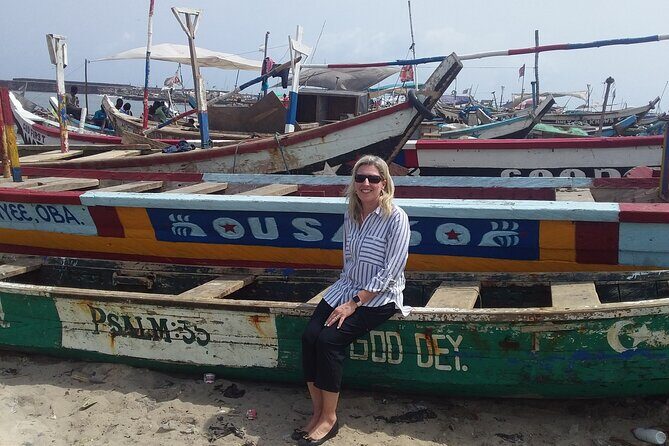
Your final “culture with shopping” stop is the Center for National Culture, about 1 hour, with admission included. This is Ghana’s biggest craft market, and that description is useful if you’re trying to plan your buying.
The key difference between a craft market and a souvenir shop is that a craft market usually lets you see how items are made and how tastes vary by maker. With this tour, you get context first, so your shopping feels connected to culture instead of random browsing.
Tips for buying here:
- Think in categories: textiles, carved items, printed art, small keepsakes.
- Ask what materials are and how the maker approaches the craft.
- Don’t feel pressured to buy right away. Use your first minutes to scan, then return when you’re sure.
Also: bargain politely. Your guide can help you navigate merchant conversations, which is a big part of why many people rate this tour so highly.
Price and Value: Is $80 a Good Deal?
At $80 per person for roughly 6 hours, this tour is priced for convenience and content. The best way to judge value isn’t the sticker price. It’s what’s included versus what you’d have to pay and organize yourself.
What you’re getting:
- Private transportation in a chauffeur-driven vehicle
- Round-trip pickup from your Accra accommodation
- Admission tickets included at each of the main stops
- All fees and taxes included
- A mobile ticket
What you’re not getting: lunch.
If you were to do these sites independently, you’d still face transport time, entrance fees, and decision fatigue about order and timing. Here, the itinerary handles sequencing and keeps you moving through Accra efficiently. The private nature also adds value: you can ask questions, slow down where something grabs you, and keep pace where you’re ready to move on.
On top of that, the guide quality seems to be a major factor in satisfaction. People talk about feeling safe and comfortable, plus learning a lot without feeling rushed—especially on a first day in Ghana.
Who This Tour Fits Best (And When It Might Not)
This is best for:
- First-time visitors who want a foundation day for understanding Ghana and Accra.
- People who like a mix of history sites and real local markets.
- Anyone who values a guide who can explain ideas clearly and help with day-to-day interactions like shopping negotiations.
- Families and solo travelers alike, since the tour is private and flexible for your group.
You might want a different plan if:
- You hate market environments or prefer to avoid shopping stops entirely.
- You’re traveling with very specific time limits and can’t handle possible delays from traffic near commercial areas.
- You expect lunch to be included. It’s not, so you’ll need your own plan.
Also, keep an eye on opening hours. Some stops may not be open every day, and on certain days you might find limited access. If your travel dates land on a day when sites run a different schedule, check in with your guide before you arrive.
My Quick Booking Advice: Should You Sign Up?
I’d book this tour if you want a clean, organized way to learn Accra in one go. It’s built for meaning, not just photos: independence landmarks, Pan-African ideas at the Du Bois Centre, colonial-era context at James Town Lighthouse, and a craft-and-shopping finale with the Center for National Culture.
If you’re the type who likes to understand why a place matters before you shop or snap pictures, this day will feel satisfying. Just remember the two practical points that make or break the experience: bring snacks since lunch isn’t included, and stay flexible in case Makola Market slows down due to traffic and parking.
FAQ
How long is the Accra Highlights private tour?
The tour lasts about 6 hours.
What time does the tour start?
The start time is 9:00 am.
Is pickup from my accommodation included?
Yes. Round-trip transportation from your Accra accommodation is included.
Are admission tickets included?
Yes. Admission tickets are included for each stop on the itinerary.
Is lunch included in the price?
No. Lunch is not included.
Is this tour private for my group?
Yes. It’s a private tour/activity, so only your group participates.
What’s the cancellation policy?
Free cancellation is available. You can cancel up to 24 hours in advance for a full refund. If you cancel less than 24 hours before the start time, it isn’t refunded.
If you tell me your travel dates and what day of the week you’re considering, I can help you decide whether this is a good fit timing-wise and what to prioritize.