REVIEW · ACCRA
Local Ghanaian Cooking Class in Accra to help support wellness community center
Book on Viator →Operated by Pat and Maggie · Bookable on Viator
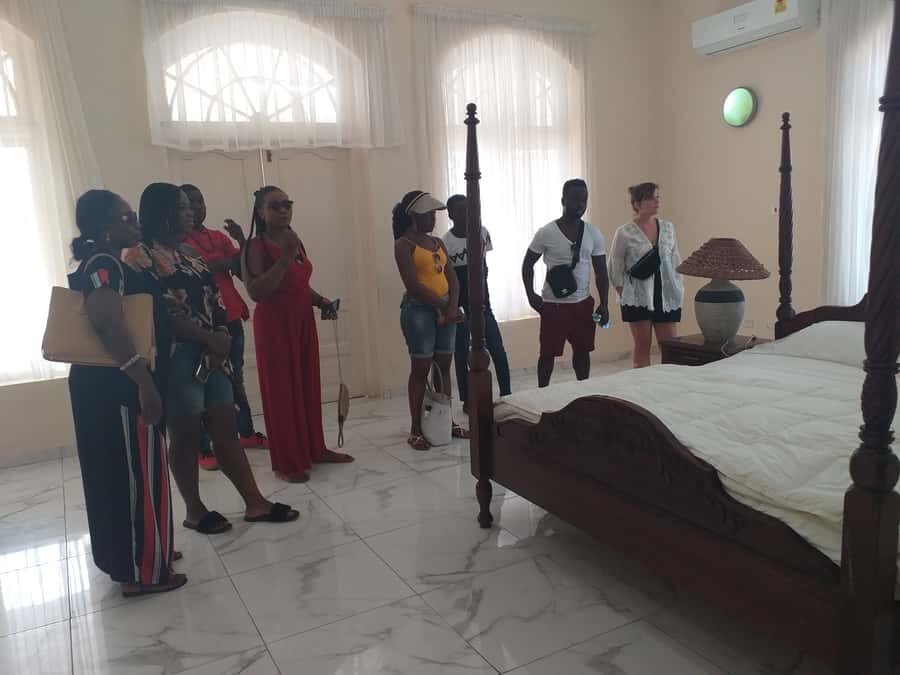
Food, people, and purpose in one morning. This class in Accra pairs a market walk with real cooking skills, local spirits, and a direct link to community wellness. I love how it turns ingredients into a lesson you can actually use at home, and how small groups keep the vibe personal with hosts like Pat and Maggie and often guides such as Ms. Gifty or Auntie Irene.
You’re also supporting a Wellness Community Center that runs physical activity programs, nutrition education, after-school lectures for kids, health screenings, plus art and dance programs. The one thing to consider: the hands-on level can vary session to session, and some people find prep work is already done before you start cooking.
In This Review
- Key things that make this class worth your time
- A Market-to-Stew Morning That Funds Wellness in Accra
- Price, Time, and Group Size: What $45 Really Buys You
- Getting There: The Global Wellness Mission Meeting Point
- The Market Walk: Picking Ingredients Like You Mean It
- Sipping Local Spirits Before You Cook
- Pounding Fufu, Banku, Jiji, or Rice Balls
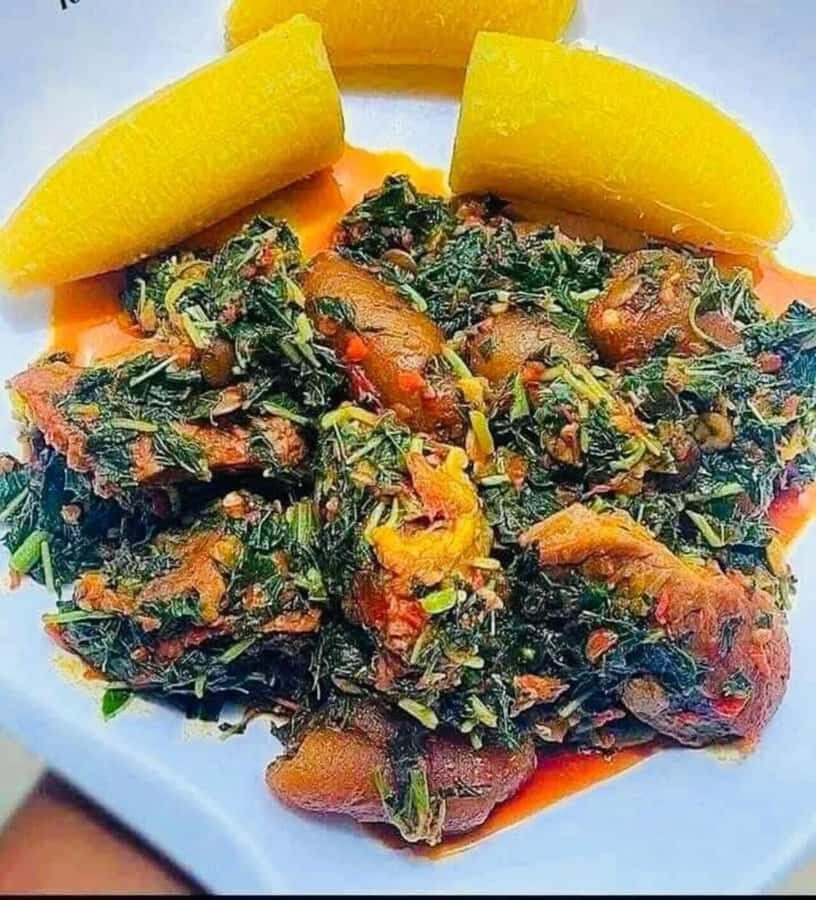
- Choosing Your Soup or Stew: Oakra, Groundnut, Light, and More
- Lunch and What You’ll Actually Eat
- Dietary Requests: Yes, But Ask Early
- Flexibility, Communication, and Why Hosts Matter
- What to Bring (So You Enjoy the Full Morning)
- Who This Class Is Best For
- Should You Book This Cooking Class in Accra?
- FAQ
- Where is the meeting point for the cooking class?
- What time does the class run?
- How long is the experience?
- How many people can be in the group?
- What cooking skills and foods will I learn?
- Are dietary requests accommodated?
- What drinks are included?
- What drinks are not included?
- Is there free cancellation?
Key things that make this class worth your time
- Market-to-meal format: you shop first, then cook what you bought
- Small group attention: more help with pounding fufu/banku or making soup
- Locally made spirits included: Emergency, Hatso, and Uwuba made from akpeteshie with bark or leaf
- Community impact built in: your fee supports wellness programming
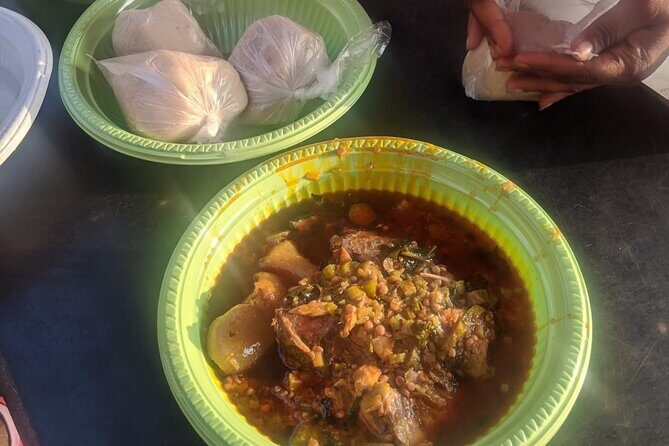
- Multiple Ghanaian dishes on the table: from fufu/banku to soups like oakra, groundnut, and light soup
A Market-to-Stew Morning That Funds Wellness in Accra
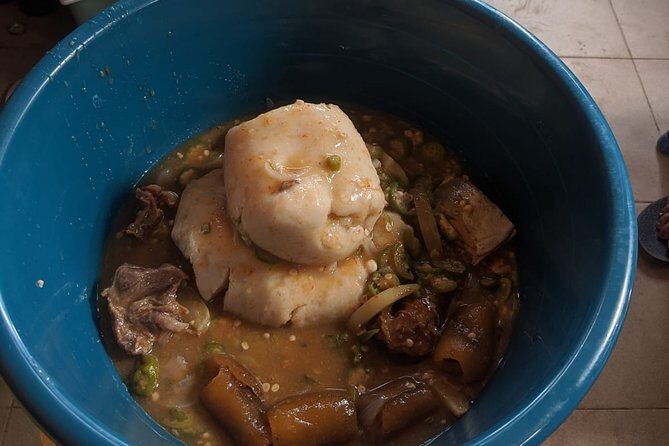
This isn’t just a cooking demo. The flow is simple and practical: you start with ingredients, then you cook, then you eat. And the reason it feels meaningful (not just touristy) is that your class fee helps fund the Wellness Community Center’s work in the neighborhood.
That center’s programs are wide-ranging: physical activity for health, nutrition education, after-school lectures for kids, health screenings, and arts like dance and art programs. So when you pay $45, you’re also paying for real services people can use week after week, not just a single event.
You’ll also get a cultural element that goes beyond food. Before you start cooking heavily, you sip locally made spirits. The class describes Emergency, Hatso, and Uwuba, made from akpeteshie and soaked with local bark or tree leaf. It’s the kind of detail that helps you understand how food and local traditions sit side by side here.
You can also read our reviews of more cooking classes in Accra
Price, Time, and Group Size: What $45 Really Buys You
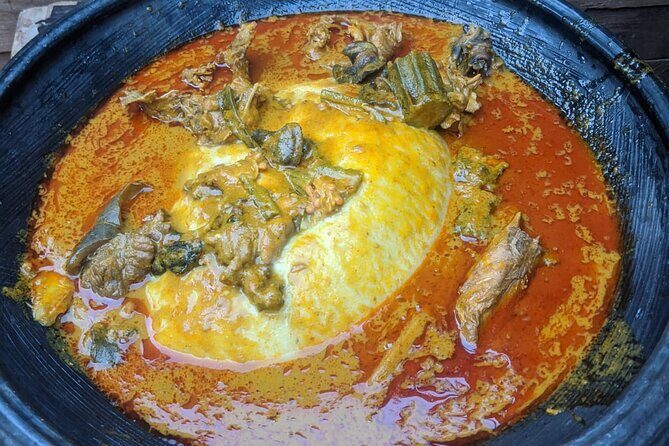
At $45 per person, you get a half-day experience that includes lunch plus local spirits. You do not get soda/pop or beer/soda included, so if you’re someone who wants non-alcoholic drinks on repeat, plan to buy those separately.
Time-wise, the class is listed as about 6 hours. In the real world, timing can flex. Some sessions can feel closer to a shorter morning depending on what you choose to cook and how the group keeps pace. The safe move is to treat it like a morning commitment, not a quick two-hour break.
The class is capped at a maximum of 20 travelers. That cap matters because it’s tied to the kind of help you’ll get while cooking. When you’re learning steps like pounding or shaping food, more space and more attention makes a difference, especially if you’re not from a kitchen culture that uses these methods often.
Getting There: The Global Wellness Mission Meeting Point
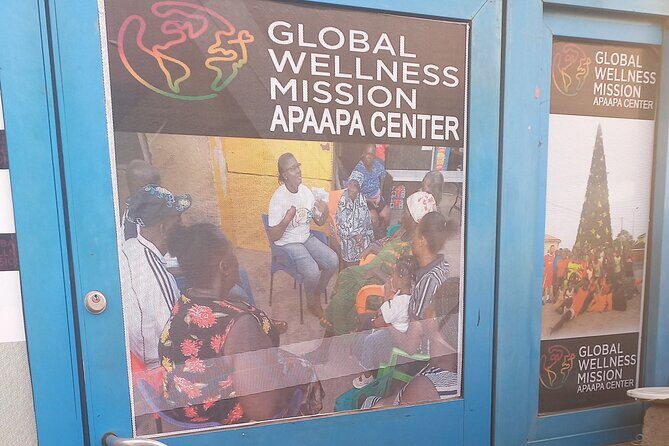
Your meeting point is Global Wellness Mission, CM7, Third Oloti St, Accra, Ghana. The class ends back at the same place, which is helpful because you don’t need to figure out how to get home after your appetite and your energy peak.
The schedule runs Monday through Saturday during the morning window listed as 8:00 AM to 12:00 PM. If you can, arrive a few minutes early. Market energy doesn’t wait, and neither do your hosts.
The tour uses a mobile ticket, and you should receive confirmation at the time of booking. Also, the class allows service animals and notes it’s near public transportation. If you’re traveling with mobility considerations, you can ask ahead how the market stop works with your needs, since the data doesn’t spell out step-by-step access details.
The Market Walk: Picking Ingredients Like You Mean It

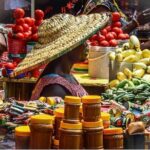
The market portion is where this class earns its keep. After meeting up, you take car transportation to the local market. Then you walk through, selecting the ingredients you’ll use later for your dishes.
Why this matters: it’s the moment you stop thinking of cooking as a list of recipes and start thinking of it as choosing real food. Market shopping also gives you instant context on what’s in season or easy to find locally, and it helps you understand why some dishes taste the way they do.
In practical terms, you’ll want to keep an eye out for the ingredients linked to the stew/soup you pick later. The class offers options like oakra soup, groundnut soup, palm-nut soup (listed as palm-nut soap), light soup, and plain soup. Even if you’ve never tasted them before, you’ll get a feel for what the key components look like.
Market time also tends to set the social tone. Many of these experiences feel warm because you’re shopping together in a real neighborhood setting, not inside a studio.
Sipping Local Spirits Before You Cook
One of the most memorable parts is the pre-cooking spirit tasting. The class description includes locally made spirits: Emergency, Hatso, and Uwuba. These are made from akpeteshie, and they’re soaked with local bark or tree leaf.
A quick reality check: this is still alcohol. So if you’re sensitive to spirits, go slow. If you don’t drink, you might still want to ask what the tasting looks like for non-drinkers ahead of time. The info we have confirms that spirits and alcoholic beverages are included, while soda/pop and beer/soda are not.
That said, the tasting isn’t just a party move. It helps you understand the place’s flavors and traditions before you start turning ingredients into stew and soup.
A few more Accra tours and experiences worth a look
Pounding Fufu, Banku, Jiji, or Rice Balls
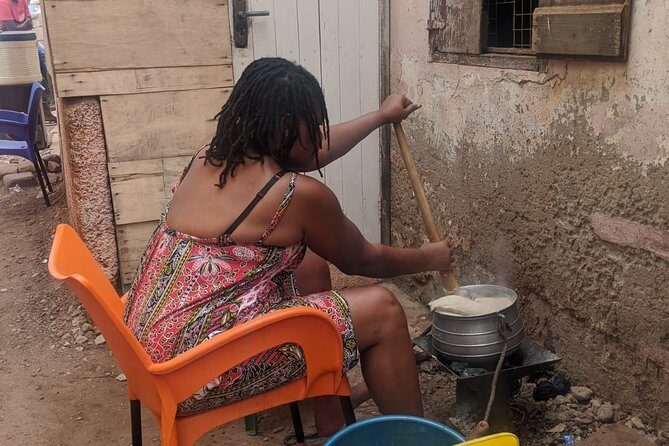
Once you’re back, the cooking shifts into hands-on technique. The class focuses on traditional staples and gives you the chance to practice methods that are hard to replicate without guidance.
You can expect the class to teach you how to pound items such as:
- fufu
- banku
- jiji
- rice balls
Why pounding matters: it’s more than physical effort. It’s a texture lesson. These foods get their character from how the dough is worked and how it comes together. If you’ve ever tried making certain Ghanaian staples at home without the right equipment or technique, you know how much method matters.
One important consideration: not every session is equally hands-on from the first minute. There are cases where ingredient prep may be done in advance, so you’ll still cook and participate, but the exact amount of chopping you do yourself can vary. If your goal is maximum hands-on involvement right from the start, ask the host what portion is already prepped when you arrive.
Choosing Your Soup or Stew: Oakra, Groundnut, Light, and More

While you’re pounding or shaping your staple, you’ll also prepare a stew or soup. You choose what you want from the options listed in the class details:
- Oakra soup
- Ground nut soup
- Palm-nut soap
- Light soup
- Plain soup
This is where the class becomes personal. If you’re someone who likes variety, picking two different soups in one class would be ideal, but the format we have describes one stew/soup choice. So pick based on what you’re most curious to learn, not just what sounds familiar.
If you’re new to Ghanaian soups, I’d steer you toward one with a flavor profile that seems comfortable to you, then use the class to learn technique. Once you understand seasoning and how the soup thickens, you’ll have a better shot at recreating it later.
Also, some sessions may go beyond the exact list above with extra dishes, based on what’s been taught in past class formats. For example, people have highlighted jollof rice as a favorite in their session. Since that isn’t guaranteed in the core class description, treat it as a potential bonus and not the only reason to book.
Lunch and What You’ll Actually Eat
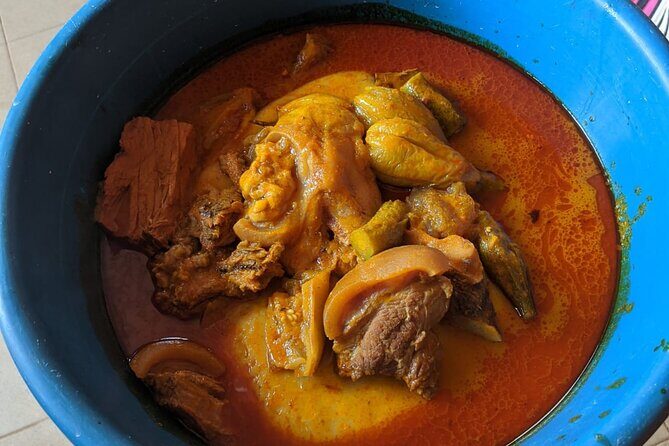
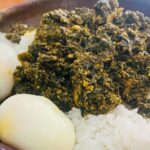
The class includes lunch, and what you eat is directly tied to what you make. That’s a big deal because many cooking classes only let you taste. Here, you’re set up to leave full.
A typical meal includes your chosen soup or stew paired with your staple (like banku or fufu), plus whatever else is part of your session’s cooking plan. People have reported great outcomes with dishes like stew and jollof rice, plus fried fish and chicken in some setups. Again, those specifics may depend on what the host has planned.
You’ll also get local spirits as part of the experience, which likely means your tasting and meal happen close enough that flavors stack up quickly. Pace yourself so you can enjoy both the cooking and the eating.
Dietary Requests: Yes, But Ask Early
Dietary requests can be accommodated upon request. That’s a helpful line, but it doesn’t tell you how detailed the accommodation is for every diet type (for example, whether it’s fully vegetarian, gluten-free, or allergy-specific). So the practical move is simple: when you book, clearly write what you need and why.
If you’re avoiding alcohol, also say so. The experience includes local spirits and alcoholic beverages, while soda/pop and beer/soda are not included. Being upfront helps you avoid awkward moments when you’d rather be focused on learning.
Flexibility, Communication, and Why Hosts Matter
The class experience tends to rise or fall on the host’s style. And in this case, you have plenty of evidence that the hosts care about teaching, not just moving people through.
Names that show up in the kinds of sessions people describe include Ms. Gifty, Ms. Pat, and Linda. The overall provider team is Pat and Maggie. What this suggests to you is that you’re likely dealing with a family-run or community-run atmosphere where questions are welcome and humor is part of the flow.
One of the best skills a cook-teacher can have is pacing: slowing down when you need to learn, and keeping momentum when everyone is getting it. People have also noted flexibility with what they wanted to learn, which is exactly what you want from a hands-on class.
Just remember the earlier consideration: sometimes ingredient prep is done ahead. That doesn’t kill the experience, but it does change how much you control at the start.
What to Bring (So You Enjoy the Full Morning)
The data doesn’t spell out a packing list, but for a market-and-cooking class in Accra, your comfort matters. I’d plan for:
- comfortable shoes (market walking and time on your feet add up)
- a light layer (morning can feel cooler, depending on the day)
- a small bag to keep your basics safe during the market stop
- an appetite (you’re eating lunch you helped create)
If you don’t want to drink alcohol, it’s still smart to have water available. Even if you don’t buy additional drinks, your body will thank you later.
Who This Class Is Best For
This is a strong fit if you want:
- real cooking skills, not just a photo-friendly meal
- a market visit that feels local and practical
- community-minded travel where your money supports wellness programs
- a small-group atmosphere where people can ask questions
It’s also a good pick if you’re traveling with someone and you want a shared activity that ends with a meal. Cooking together has a way of turning into conversation fast, especially when the host is chatty.
If you’re the type who wants a very strict, step-by-step kitchen course with zero prework done ahead of time, you might want to ask questions before you book. The hands-on balance can vary, and you’ll get more satisfaction if you calibrate expectations.
Should You Book This Cooking Class in Accra?
If your priorities are food skills, local connection, and a meaningful purpose, I think this class is a strong yes. The value is clear: $45 includes lunch and local spirits, and the community impact is real through the Wellness Community Center’s programs in physical activity, nutrition education, after-school lectures, health screenings, and arts.
My one reason to pause is the hands-on expectation. If you want to do every step yourself from the first moment, you may be slightly surprised if some ingredient prep is already finished. The fix is easy: message ahead with what you want to learn, and ask how hands-on the cooking portion is on your specific date.
Overall, this is the kind of experience that leaves you with more than a full stomach. You leave knowing how to make Ghanaian staples and soups, and you’ve helped support a neighborhood wellness effort while you learned.
FAQ
Where is the meeting point for the cooking class?
The class meets at Global Wellness Mission, CM7, Third Oloti St, Accra, Ghana, and it ends back at the same meeting point.
What time does the class run?
The listed operating window is Monday through Saturday from 8:00 AM to 12:00 PM.
How long is the experience?
The class duration is listed as about 6 hours.
How many people can be in the group?
The maximum group size is 20 travelers.
What cooking skills and foods will I learn?
You’ll learn how to pound foods like fufu, banku, jiji, or rice balls, and you’ll also prepare a stew or soup you choose from options like oakra soup, ground nut soup, palm-nut soup (listed as palm-nut soap), light soup, or plain soup.
Are dietary requests accommodated?
Dietary requests can be accommodated upon request.
What drinks are included?
Lunch is included, along with local spirits and alcoholic beverages.
What drinks are not included?
Soda/pop and beer/soda are not included.
Is there free cancellation?
Yes, there is free cancellation. You can cancel up to 24 hours in advance for a full refund. If you cancel less than 24 hours before the start time, the amount paid will not be refunded.