REVIEW · ACCRA
The Historic Cape Coast and Elmina Tour (The Land of History).
Book on Viator →Operated by Afrocentric Travels and Tours · Bookable on Viator
History gets real on Ghana’s coast. This long day pairs Elmina Castle and Kakum National Park with a guide who’s been working at Elmina Castle since 2015—so the stories come with names, dates, and local context. I also like that the schedule moves at a human pace, with guided time inside the castles plus a walk through everyday Elmina life on the lagoon/market stretch. One thing to consider: this is a 12 to 15 hour outing with an early 7:00 am start, so you’ll want to treat it like a whole-day commitment, not a quick trip.
You’re paying for more than entry tickets—you’re buying time, translation, and on-the-ground interpretation. Still, because the theme is the trans-Atlantic slave trade and its lasting effects, it can feel emotionally heavy, even with a great guide. If you’re sensitive to difficult history, plan for breaks and a slower rhythm where you can.
In This Review
- Key highlights you’ll care about
- A full-day run from Accra: timing, comfort, and value at $170
- Entering Elmina Castle: the Portuguese-built site you can understand on your feet
- Elmina Lagoon and township walk: a living museum, markets, and merchant stories
- Cape Coast Castle: underground dungeons and the transshipment story made tangible
- Kakum National Park canopy walkway: forest air after heavy history
- How the guide shapes the whole day (Quame, Elmina Castle volunteer since 2015)
- What’s included (and what you’ll need to bring mentally and physically)
- Practical tips to make the day smoother
- Should you book the Historic Cape Coast and Elmina Tour (The Land of History)?
- FAQ
- How long is the Historic Cape Coast and Elmina Tour?
- What time does the tour start and where do you meet?
- Is lunch included?
- Are entry fees included for the attractions?
- Is pickup and drop-off available in Accra?
- Can I cancel for a full refund?
Key highlights you’ll care about
- Elmina Castle with a Portuguese-to-European handover story from the 1400s through Dutch and British control
- Elmina Lagoon/township walk as a living history lesson, not just a photo stop
- Cape Coast Castle’s underground dungeons described in clear, visitor-friendly terms
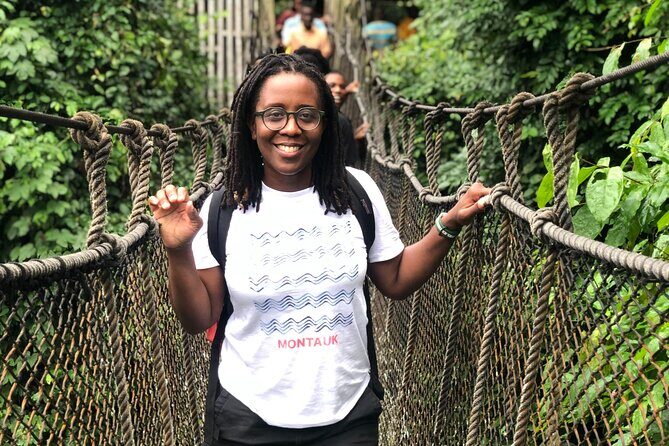
- Kakum’s canopy walkway: 350 meters long, about 40 meters up, with viewing platforms
- Guide depth from Quame (Elmina Castle volunteer since 2015) and a day that’s paced for understanding
- All entry fees, lunch, and bottled water included so your budget stays predictable
A full-day run from Accra: timing, comfort, and value at $170
At $170 per person, this tour isn’t “cheap,” but it’s also not just a transfer with a driver. You’re getting an air-conditioned vehicle, fuel, hotel pick-up and drop-off within Accra, all entry fees, a guide, lunch, and bottled water. For a day that can stretch to 12 to 15 hours, that bundling matters. You don’t have to negotiate ticket lines or scramble for lunch in between sites.
The day starts at 7:00 am. You’ll be in transit toward Elmina and Cape Coast, then working through multiple major stops and a forest park. If you hate rushing, this is mostly timed well: each castle gets about an hour, the Elmina township walk is about one hour, and Kakum National Park gets around two hours. You won’t be stranded at one place all day, but you also won’t feel like every stop gets five minutes.
Practical reality check: this is a long day in the sun. Even with AC in the vehicle, you’ll spend meaningful time outdoors—especially at Kakum’s canopy walkway. If you’re the type who likes to rest between activities, you’ll do best with a calm morning, water habits, and patience with the day’s rhythm.
You can also read our reviews of more historical tours in Accra


Entering Elmina Castle: the Portuguese-built site you can understand on your feet
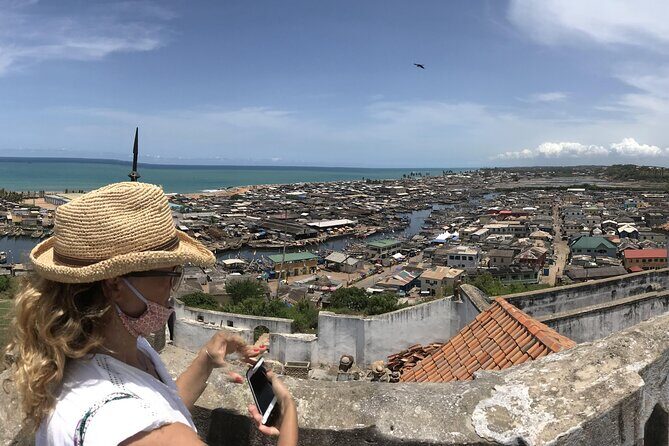
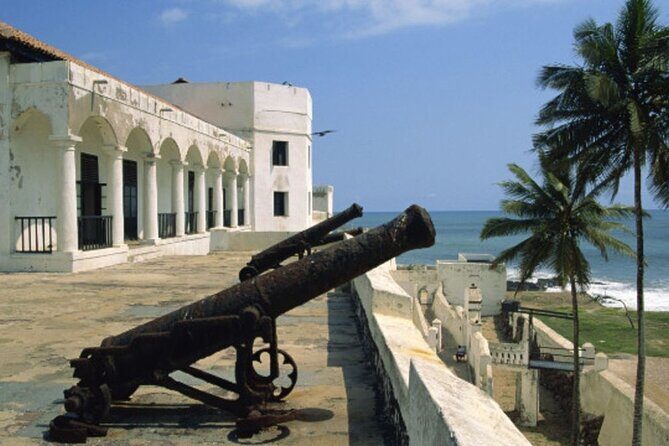
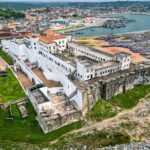
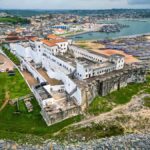
Elmina Castle is the anchor of this tour for a reason. It’s often described as the largest and oldest slave dungeon in sub-Saharan Africa tied to the trans-Atlantic slave trade, and the building’s timeline is one of the most concrete ways to see European involvement change over time. You’ll hear how Portuguese builders put it up in the 1400s, then it was taken over by the Dutch in 1637, and later controlled by the British.
As you walk through, the key value is interpretation—how the site turns into a map of power. The tour doesn’t just say slavery happened; it helps you connect the castle to trade on the Gold Coast and to later historical layers. One of the interesting, unexpected modern details is that the location was featured in FX’s Snowfall movies, tied to late co-creator John Singleton. That kind of pop-culture reference can help some people get oriented fast, but the goal stays serious: understanding the machinery of forced migration and the economic and political ripple effects.
What you’ll love here:
- A guided visit that keeps dates and control changes clear, rather than a generic “sad room” walk-through.
- A one-hour block that’s long enough to absorb meaning without turning into a blurry sprint.
Possible drawback to plan around: if you’re not ready for emotionally intense content, this is likely the first place it hits. Give yourself a moment before entering to settle your mood, and remember you’re not on a casual sightseeing circuit—you’re confronting history that shaped the modern world.
Elmina Lagoon and township walk: a living museum, markets, and merchant stories
This is the stop that often surprises people because it shifts from “castle history” to town life. The Elmina lagoon/town area walk runs about 35 to 40 minutes, but the learning time can feel longer because you’re moving through spaces with layers.
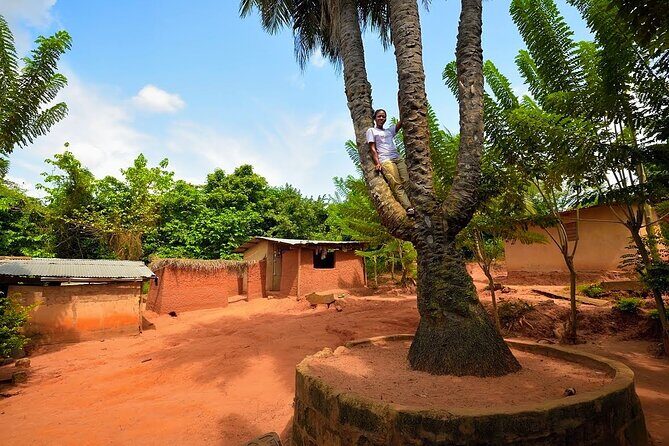
You’ll walk parts of a historic Elmina township described as over 700 years old—and you’ll get context for how the town functioned economically and politically. The tour focuses on details that help you see the settlement as more than a backdrop for European trade.
Some of the places you can expect to pass or hear about include:
- the old Elmina township, including the mention that it was bombarded by the British
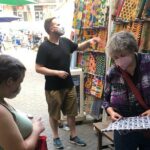
- the fishing market that’s considered one of the most spectacular in coastal Ghana
- Dutch merchant houses (the architecture tells part of the story before anyone even explains it)
- the Dutch cemetery, including grave markings that reflect the lives of Dutch and African merchants
- a traditional military post
The reason this walk matters is that it counters a common mistake: thinking the coast was only “Europe + slavery + dungeons.” Here you’ll see the town as a place with its own systems—work, trade networks, and daily life—interacting under pressure from outsiders.
What you’ll love here:
- It feels like history with footsteps, not history behind ropes.
- It’s also a nice balance after the castles: you’re still learning hard history, but you’re also seeing community.
One consideration: this part is a walking tour. Wear shoes you trust. Even if the pace is manageable, you’ll be on outdoor paths, near markets, and surrounded by the energy of a working town.
Cape Coast Castle: underground dungeons and the transshipment story made tangible
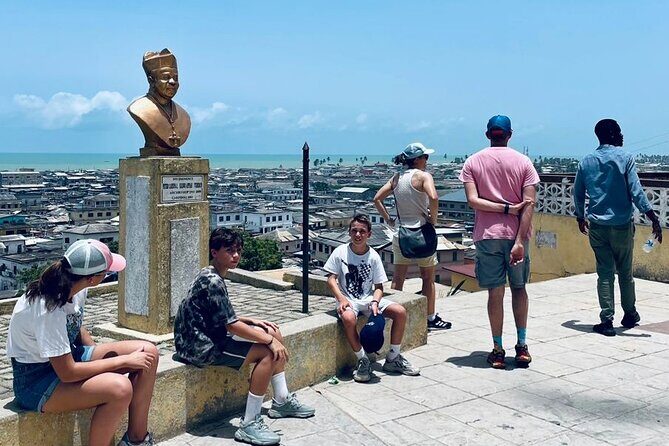
Cape Coast Castle is where the tour’s theme becomes painfully physical. You’ll hear how enslaved Africans were treated as a high-value commodity in the Americas and elsewhere, and how that drove changes to the castle complex. A major focus here is the addition of large underground dungeons—described as holding as many as a thousand people while awaiting export.
Built by the British in the 1600s, Cape Coast Castle is now widely known. The tour also makes the modern connection clear: it’s become famous for visitor links, including the fact that Barack Obama visited there when he was a U.S. president. That helps explain today’s global attention, but the guide’s emphasis stays on how the castle functioned in the larger transshipment system.
You’ll typically get about one hour inside here, which works well. The dungeons are not a “quick glance and move on” kind of stop. With a guide, you can pause long enough to understand what you’re seeing—especially when the explanations connect the underground spaces to the broader export process.
What you’ll love here:
- Clear framing of how the system worked, from value in the Atlantic economy to how the castle was designed for it.
- The contrast with Elmina Castle: same era, different building choices and emphasis.
Possible drawback: because the subject is so intense, it helps to stay mentally organized. If you notice yourself getting overwhelmed, ask yourself what the guide’s emphasizing in that moment: design, purpose, or the human reality of waiting. That keeps your attention from blurring.
Kakum National Park canopy walkway: forest air after heavy history
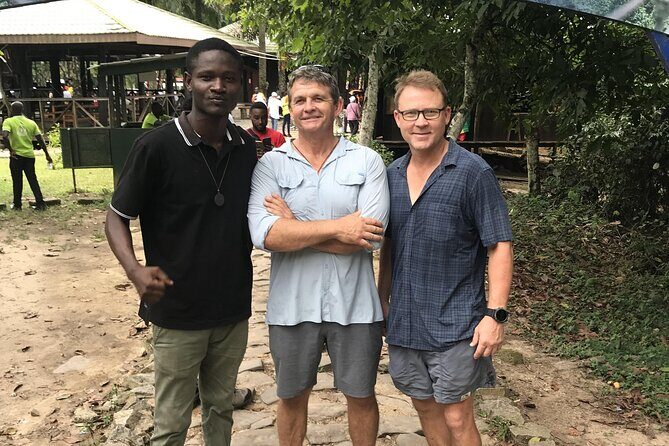
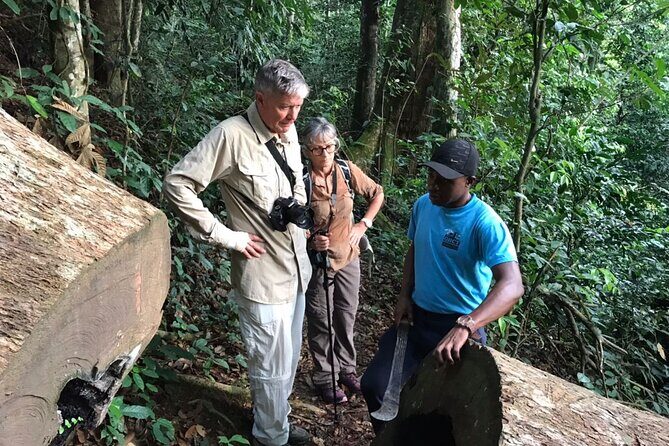
Kakum National Park is the tonal reset that keeps this tour from feeling like one long history lecture. You’ll spend around two hours here, walking through a forest area that was set aside as a forest reserve in 1931 and later gazetted as a national park in 1992.
There’s also a nature detail worth remembering: in some areas, the number of plant species can comfortably exceed 200 per hectare. Even if you’re not the type to count plants, it tells you this is a real, biologically busy rainforest, not a “quick photo” park.
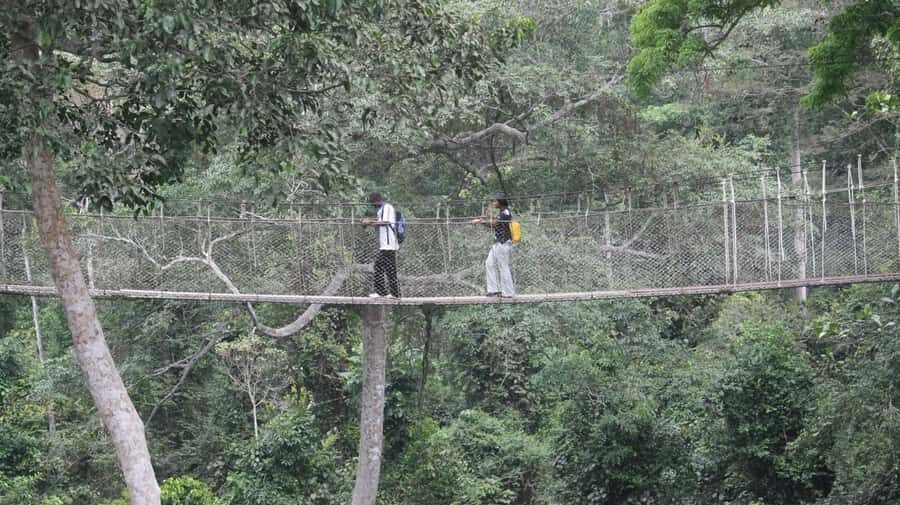
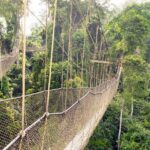
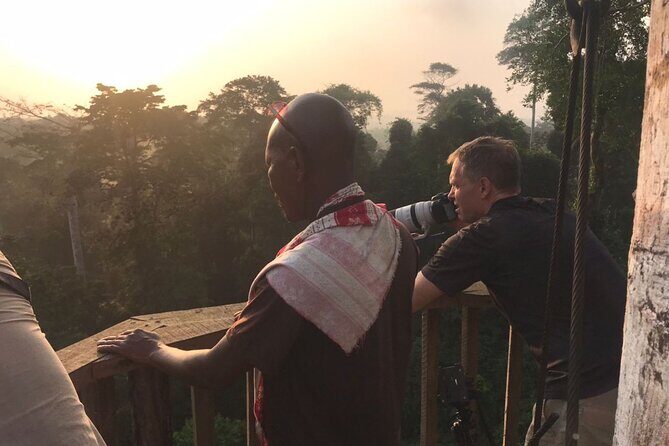
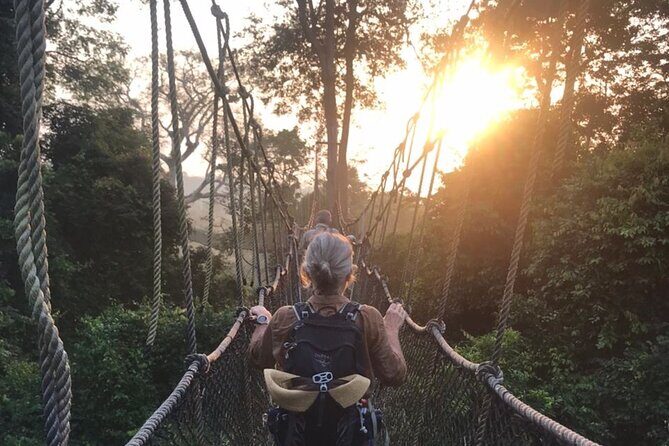
Then comes the canopy walkway—usually the part people talk about even after they’ve forgotten the lecture points. The walkway is described as a 350-long, about 40 meters high wood-and-rope path suspended between seven trees, broken up by several viewing platforms. It’s one of Ghana’s most-publicized canopy experiences, and it’s designed so you can stop at platforms and catch your breath, not just sprint across.
What you’ll love here:
- The simple contrast: forest time after castles and dungeons.
- The chance to conquer fear at a controlled pace, with platforms to pause.
One consideration: the structure is high. Even if you’re adventurous, it’s still a walkway in the canopy. If you get shaky with heights or need steady footing, keep that in mind before you commit.



How the guide shapes the whole day (Quame, Elmina Castle volunteer since 2015)
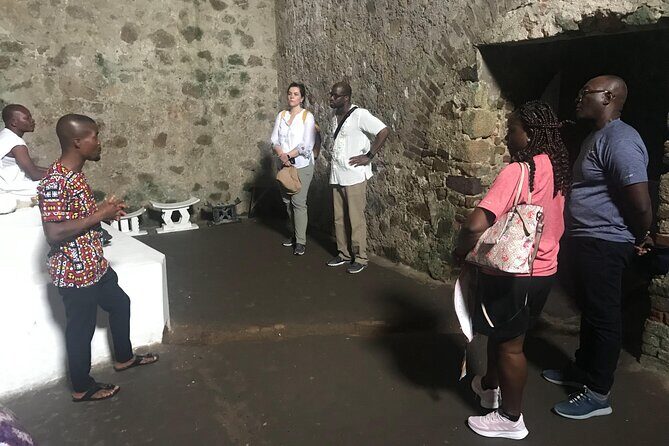
The biggest difference between a “history visit” and a history lesson is who’s holding the thread. Here, your guide is Quame, listed as a volunteer of the Ghana Museums and Monuments Board at Elmina Castle since 2015. That’s a practical credential, because it usually means you’ll get explanations tied to how the sites are interpreted locally, not just a generic script.
In the experience I’m using as reference for what you can expect, Quame is also referred to as Kwame (Bright). Either way, the core point stays: this is not a last-minute storyteller. It’s someone who works with the site day after day and can guide a group through uncomfortable topics without losing clarity.
The tour can also include a strong sense of navigation. In one account, a navigator named Frederick is described as excellent, helping the day stay on track even with the long drive. You should expect that the vehicle and day flow matter here, because the stops are time-based and the day is long.
What’s included (and what you’ll need to bring mentally and physically)
This tour sets you up with a lot of “day-of” essentials:
- Air-conditioned vehicle
- Hotel pick-up and drop-off within Accra
- Fuel charge
- All entry fees to the attractions
- Lunch
- Bottled water
- Private transportation
- A caring guide
Not included:
- Alcoholic beverages
- Anything not listed in the stops
So what should you bring? At minimum: comfortable shoes, sun protection, and an attitude that expects a mix of intense history and forest adventure. If you’re the type who likes to take photos, keep in mind that some areas in historic sites may have rules or limited space—so move slowly and follow your guide’s cues.
Also, bring patience for emotional processing. The tour is openly about the trans-Atlantic slave trade and its political and socio-economic impact on Ghana. You’re not just learning events. You’re being nudged to ask bigger questions about how human systems shape lives across centuries.
Practical tips to make the day smoother
Here are the choices that make the biggest difference on a long day like this:
Start early, then travel light
The 7:00 am start means you’ll want your morning routine dialed in. Keep your day bag simple: water (even though bottled water is provided), sun protection, and something easy to snack on if lunch ever feels delayed.
Wear shoes you can trust
You’ll be in castles, then walking in an Elmina town/lagoon area, then in Kakum’s forest. Sturdy footwear isn’t optional if you want to feel secure.
Respect the emotional weight
The castles are not entertainment. The tour asks you to understand systems: who built the structures, how power shifted between European groups, and what export meant in human terms. If you’re traveling with family, agree ahead of time on how you’ll handle breaks.
Plan for heights at Kakum
Kakum’s canopy walkway is a wood-and-rope bridge 40 meters up. Even if you’re excited, it’s smart to pace yourself and use viewing platforms to steady your nerves.
Should you book the Historic Cape Coast and Elmina Tour (The Land of History)?
Book it if you want one focused day that connects the dots between sites instead of hopping between random stops. You get Elmina Castle, the Elmina town/lagoon walking experience, Cape Coast Castle, and Kakum canopy—all under one guide approach. At $170, the value is in the included entry fees, lunch, transport, and the fact that a guide with deep site experience helps you understand what you’re seeing.
Don’t book it if you’re looking for a light, short sightseeing outing. This is a long day and a heavy theme. It’s best for people who can handle deep history and still have room afterward for a forest walk high above the canopy.
If you’re weighing it, think about what you want more: convenience and interpretation, or a flexible “pick and choose” day. This tour leans hard toward meaning-making, with enough nature time at Kakum to let your brain and heart breathe.
FAQ
How long is the Historic Cape Coast and Elmina Tour?
The tour runs about 12 to 15 hours.
What time does the tour start and where do you meet?
It starts at 7:00 am at Shoprite Accra Mall, Tetteh Quarshie Ave, Accra.
Is lunch included?
Yes. Lunch is included in the price.
Are entry fees included for the attractions?
Yes. All entry fees for the listed attractions are included.
Is pickup and drop-off available in Accra?
Yes. Hotel pick-up and drop-off within Accra is included, and the day ends back at the meeting point.
Can I cancel for a full refund?
Yes. You can cancel for a full refund up to 24 hours before the experience starts. If you cancel within 24 hours of the start time, the paid amount is not refunded.