REVIEW · ACCRA
8 Day Cultural, History and Adventure Tour
Book on Viator →Operated by Citizen Tours · Bookable on Viator
Ghana moves fast when you let local experts drive the day. This 8-day tour hits history, culture, and adventure across multiple regions with a guide to handle the language and logistics.
I like the way the schedule mixes big moments (a real mountain hike, Wli Waterfalls, and Mole National Park) with downtime at guesthouses so you don’t feel crushed all week.
You’ll also get the practical comfort of an air-conditioned vehicle and meals mostly covered, so the trip stays focused on seeing Ghana instead of planning it.
One possible drawback: expect at least moderate effort—there’s a hike on Mount Afadjato—so you’ll want to be comfortable walking and climbing for several hours.
This is the kind of tour where a guide can make or break your experience, and the operator’s guides (including Kwame, Yaw, and Michael) are a major reason past groups felt taken care of. If you like action plus context—without the stress of building an itinerary from scratch—this one fits. Just don’t expect a laid-back, slow-drifting pace every day.
In This Review
- Key highlights worth your attention
- Getting There and the Week’s Overall Game Plan (Accra → Volta)
- Odumase Krobo and Tafi Atome: Recycling Glass into Beads, Then Meet Mona Monkeys
- Mount Afadjato and Wli Waterfalls: The Best Kind of Tired
- Akosombo Dam and Lake Volta: Big Engineering, Bigger Views
- Kumasi Culture Focus: Bonwire Kente Weaving to Manhyia Palace to Kejetia
- Mole National Park Safari Day: Walking First, Then Wildlife by the Pool
- Larabanga Mosque and Shea Butter: Spiritual Heritage With a Workshop Feeling
- The Long Drive Days: Tamale Cultural Centre to Kumasi, Then Back to Accra
- Price and Value: What $2,515 Buys You in Real Terms
- Who This Tour Suits (and Who Might Find It Too Much)
- Should You Book This 8-Day Ghana Adventure?
- FAQ
- How long is the tour?
- Where does the tour start and when?
- How much does the tour cost?
- What’s included in the price?
- Are admissions included for the stops?
- Is the tour suitable if I’m not very athletic?
- Is it a private tour?
- What about pickup or drop-off?
- Is tips and drinks included?
- What is the cancellation window?
Key highlights worth your attention
- Guide support for culture and language so you spend time observing instead of translating everything yourself
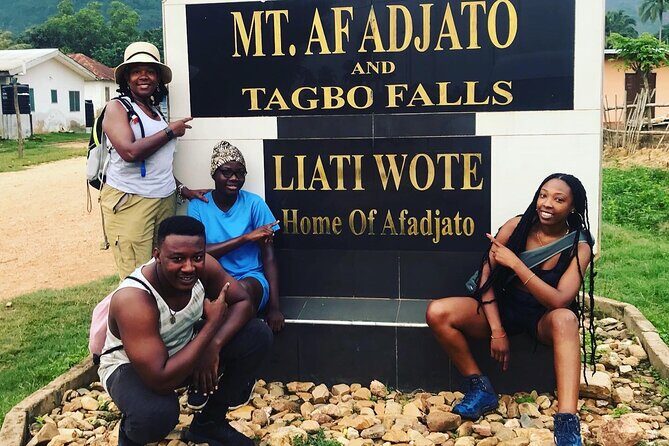
- Afadjato hike + Wli Waterfalls for a physical day that still leaves room to rest
- Lake Volta time with Akosombo Dam including lunch on the lake and a boat cruise
- Kumasi focus on Asante culture with Bonwire kente weaving and Manhyia Palace Museum
- Mole National Park safari format with a morning walking safari and later wildlife viewing by the pool
- Local craft stops like Cedi bead making and learning about Shea Butter production
Getting There and the Week’s Overall Game Plan (Accra → Volta)
Your trip starts bright and early, with a morning meeting time of 7:00am at Kotoka International Airport in Accra. That early start matters: it helps you escape the feeling of “lost time” on day one and gives you momentum before the heat ramps up.
The tour is set up as private, meaning only your group participates, with an air-conditioned vehicle handling transportation and fuel. In practice, that usually translates to fewer awkward transitions—less time waiting around, more time moving through stops you actually chose.
A tour like this also helps if you’ve been worried about Ghana’s language barrier. Your guide is there not just to explain what you’re seeing, but to help you navigate conversations and local rhythms, which is exactly the kind of thing guests credit when they mention feeling well taken care of.
You can also read our reviews of more historical tours in Accra
Odumase Krobo and Tafi Atome: Recycling Glass into Beads, Then Meet Mona Monkeys
Day one kicks off in the Volta Region area with Odumase Krobo, where you’ll visit a Cedi bead workshop. You’re looking at an eco-minded process: recycled glass bottles turned into beads. It’s a small stop, but it’s the kind of detail that makes a trip feel real, not just “drive-by tourism.”
Then you head to Tafi Atome Monkey Sanctuary and Cultural Village. This is the moment where you trade city pace for a more grounded community setup tied to eco-tourism. You’ll learn about the village and the Mona monkeys, and you’ll have time in the area to actually observe how the sanctuary works.
What I like here is the pacing. You get a meaningful cultural stop, you check into your guesthouse before dark, and you can rest without trying to cram one more major activity into the night.
Mount Afadjato and Wli Waterfalls: The Best Kind of Tired
If you want adventure, this is your day. On day two, you hike Mount Afadjato (885m). The hike is listed as taking about 3 hours maximum, and it’s the only “bigger” fitness item on the schedule, so it’s worth planning your comfort level around it. If you’re used to walking on uneven paths, you’ll likely handle it fine.
After the hike, the reward is Wli Waterfalls, described as the highest waterfalls in West Africa. You’ll spend the rest of the day refreshing in the waterfall area and then return to your guesthouse for a chill evening.
Why this works as a value move: you’re not just seeing the falls from a viewpoint. The schedule gives you time to actually experience them, including the kind of “I’m glad I did that hike” feeling that doesn’t happen with rushed photo stops.
Akosombo Dam and Lake Volta: Big Engineering, Bigger Views
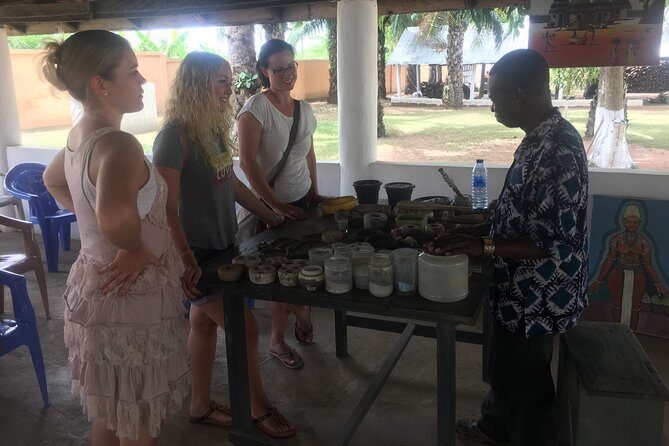
Day three leans into Ghana’s modern energy story. You’ll visit Akosombo Hydro Plant and the Akosombo Dam by Lake Volta. The tour notes the dam as the biggest hydroelectric facility in Ghana and highlights its massive power output.
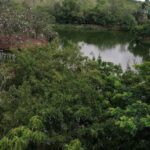
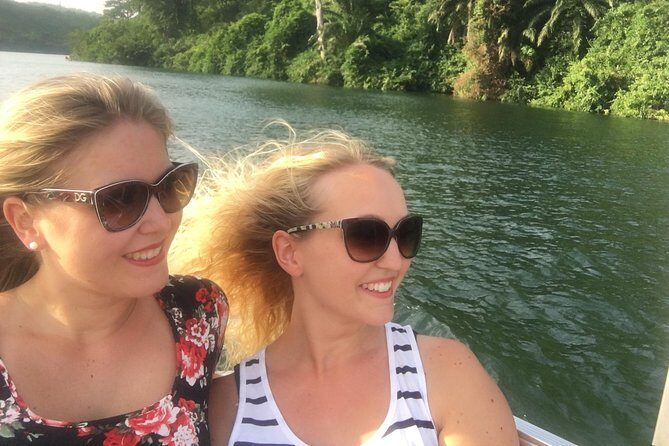
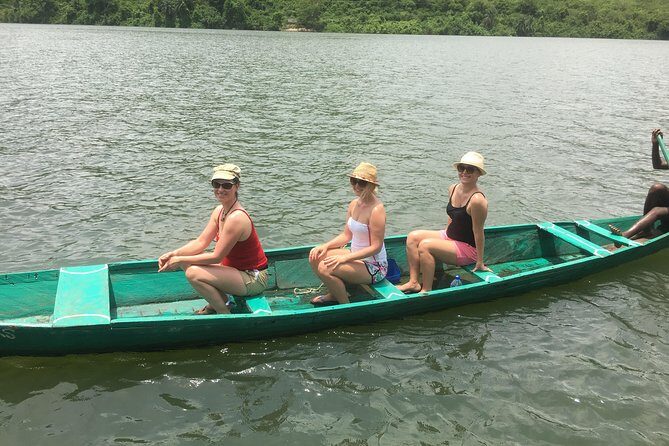
You’ll also have lunch on the lake, followed by a boat cruise on the world’s largest man-made lake. That cruise is the key difference between reading about infrastructure and understanding it—water levels, scale, and surrounding scenery all make the story click.
One practical benefit: after a full day in this region, you drive into Kumasi and check in for the night. It’s a good “today we saw a lot” structure, without leaving you scrambling at 9pm to figure out where to sleep.
Kumasi Culture Focus: Bonwire Kente Weaving to Manhyia Palace to Kejetia
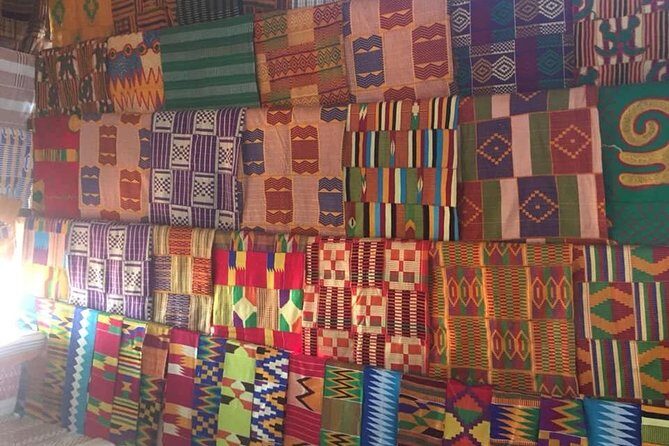
Day four is a cultural punch-in-the-mouth in the best way—focused, intentional, and still varied.
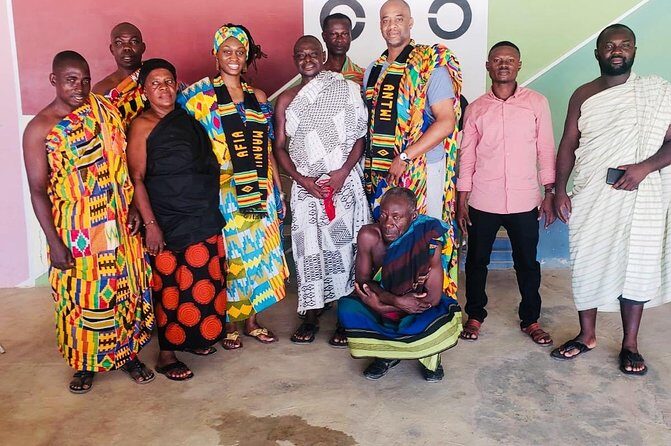
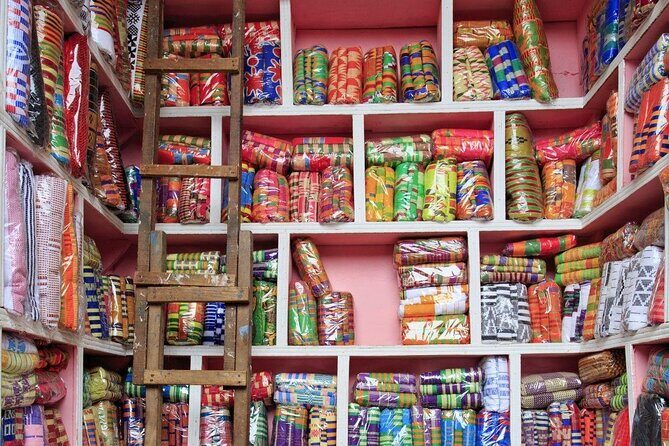
You start with Bonwire Kente Weaving Centre and the Bonwire area, known for kente cloth. Kente matters in Ghanaian life because it’s used for important occasions and celebrations. Even if you’re not planning to buy fabric, seeing how it’s made helps you understand why it carries meaning beyond looks.
Next up is Manhyia Palace Museum, the seat of the Asantehene and his official residence. You’ll get context on Asante leadership and the cultural world around it.
Then comes Okomfo Anokye Sword Site and a cultural center context (including a sword monument) plus a museum setting with modern art. That mix helps keep the day from turning into a strict “royalty tour.” You get the historic thread, and then you get to see how culture shows up in present-day spaces.
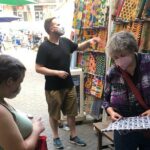
Finally, you hit Kejetia Market, described as West Africa’s busiest and largest open-air market. This is where your guide can really help, because bargaining, asking questions, and finding the right items all go smoother when someone is guiding the conversation. The schedule even builds in time to arrive before dark so you can wind down afterward—and there’s an optional evening night-life experience included in the plan.
A fair consideration: Kejetia is energetic. If you’re sensitive to crowds or constant activity, go in with your expectations set—this is a hands-on sensory market day.

Mole National Park Safari Day: Walking First, Then Wildlife by the Pool
Days five and six make Mole National Park the center of the trip. Day five is mostly travel into the Tamale area and time around the park, including lunch stops on the way. Mole is described as Ghana’s largest national park and home to the biggest elephant population in Africa.
Day six is the money day for wildlife: a morning walking safari with a chance to see monkeys, elephants, warthogs, antelopes, deer’s, buffalo, and more. Then you return for breakfast and spend the afternoon at the poolside, viewing elephants and warthogs from a distance.
I like this two-part format because it balances effort and comfort. You get the closer feel of a walking safari, but you don’t end the day with sore legs and nothing to do. The poolside viewing also fits the reality that animals don’t show up on your schedule.
If you’re going for adventure, this is one of the strongest reasons to choose this tour. It’s not just “we saw a sign.” It’s structured wildlife time.
Larabanga Mosque and Shea Butter: Spiritual Heritage With a Workshop Feeling
Late in day six, you’ll visit Larabanga Mosque, described as Ghana’s renowned and oldest mosque. You’ll also learn how Shea Butter is made, which adds a hands-on craft angle to a spiritually significant stop.
This is a good example of why I think this tour works for people who care about context. You’re not only visiting famous sites; you’re also taking home knowledge about everyday traditions—how local products are processed and how that connects to cultural life.
It’s also placed well in the schedule. You’ve already had your big safari day, so adding a calmer educational stop helps your week feel full instead of nonstop.
The Long Drive Days: Tamale Cultural Centre to Kumasi, Then Back to Accra
On day seven, you set off early after breakfast and drive to Kumasi. En route, you visit Tamale Cultural Centre. That structure matters because it prevents the day from becoming just a car ride with random stops.
By the time you arrive in Kumasi before dark, you’ve had at least one meaningful cultural interruption during the travel time. It’s the difference between “transport day” and “travel day with purpose.”
On day eight, you move from Kumasi back to Accra for breakfast and a final drop-off at your hotel or the airport. The tour is set to end back at the meeting point, but the real point is you’re not left hanging at the end of the trip.
Price and Value: What $2,515 Buys You in Real Terms
At $2,515 per person for an 8-day cultural, history, and adventure route, this price is best understood as a “you’re paying for fewer headaches” package.
The included items list covers all fees and taxes, an air-conditioned vehicle, and fuel/gas, plus meals: 8 breakfasts, 8 lunches, and 7 dinners. That means you’re not constantly doing cost arithmetic mid-trip, and you don’t have to hunt for food when your day is already packed.
Also, many major stops have admissions marked as included or free, and tickets are part of the overall “fees and taxes” coverage. In other words, you’re not constantly paying extra to make the itinerary happen.
One thing to keep in mind: drinks and tips are not included. That’s pretty common, but it’s still a real budgeting item. If you want a smooth finish, plan for gratuity and expect to pay for drinks on top of the package price.
If you compare this to piecing together transport, guides, and lodging city by city, the cost starts looking less random. You’re paying for organization, time efficiency, and someone else handling the routing.
Who This Tour Suits (and Who Might Find It Too Much)
This tour fits best if you want a guided, structured Ghana experience and you don’t want to build the itinerary yourself. It’s also a strong match if you value a guide who can help with cultural context and language barriers—especially during market days and community-focused stops.
If you’re the type who likes animals, this route delivers with Mole National Park’s safari plan. If you’re more into cities and museums, Kumasi gives you that too with Manhyia Palace and other cultural sites.
The main “watch-outs” are physical effort and pacing. The Afadjato hike and long drive days mean you’ll want a moderate fitness level and comfort with a schedule that stays active.
If you hate early mornings and prefer total downtime, you might find the “action-packed but still has rest” balance uneven. But if you like being out seeing things most of the day, this is built for you.
Should You Book This 8-Day Ghana Adventure?
I’d book it if you want Ghana across multiple regions—Volta, Kumasi, Mole, and back to Accra—without the stress of coordinating all the pieces. The big wins here are clear: a strong guide focus, real time at Wli Waterfalls, and Mole National Park in a structured safari format.
I’d think twice if your idea of a vacation is slow and low-energy every day, or if you’d struggle with a mountain hike for several hours. For most people with moderate fitness, though, the mix of culture plus adventure is exactly the kind of “all in one trip” payoff you’re looking for.
If you’re ready to trade planning time for guided experiences—and you’re excited by history, markets, nature, and local crafts—this tour is a smart choice.
FAQ
How long is the tour?
The tour lasts 8 days (approx.).
Where does the tour start and when?
It starts at Kotoka International Airport in Accra at 7:00am.
How much does the tour cost?
The price is $2,515.00 per person.
What’s included in the price?
The tour includes all fees and taxes, an air-conditioned vehicle, fuel/gas, and meals: 8 breakfasts, 8 lunches, and 7 dinners.
Are admissions included for the stops?
Admissions are listed as included or free for various stops, and the overall listing also includes all fees and taxes.
Is the tour suitable if I’m not very athletic?
It’s recommended for travelers with a moderate physical fitness level, since there is a hike on Mount Afadjato.
Is it a private tour?
Yes. It’s described as a private tour/activity, and only your group participates.
What about pickup or drop-off?
Pickup is offered, and on the final day the tour drops you off at your hotel or airport (with the overall experience ending back at the meeting point).
Is tips and drinks included?
No. Gratitude/tips and drinks are not included.
What is the cancellation window?
Free cancellation is available if you cancel at least 24 hours in advance for a full refund. Within 24 hours, refunds aren’t offered.