REVIEW · ACCRA
10 Days Ghana Cultural and Heritage Trip
Book on Viator →Operated by Freelancenana Travel And Tours · Bookable on Viator
Ghana hits hard in the best way. This 10-day Ghana cultural and heritage trip mixes air-conditioned transport with wifi and visits to the Cape Coast and Elmina slave-history sites, including the Door of No Return, so you get context that sticks. I also like the traditional naming ceremony in Elmina, because it adds living culture to the heavier chapters. One consideration: several days deal directly with slavery and remembrance, so plan for an emotionally intense pace and don’t expect lots of free time.
You’ll travel with a small group capped at 10 people, led through Freelancenana Travel and Tours and supported by Nana and his team. The trip is offered in English, Spanish and French, which matters when you want explanations that land, not just head nods. You also get a welcome dinner and drinks on arrival, so you’re not dropped in cold.
Between castles and memorial stops, there’s nature time too—Kakum Rainforest Park’s canopy walk—and a food and market rhythm in Accra and Kumasi. If you’re the type who wants real conversations, clear schedules, and hands-on culture (not just checkboxes), this one has the right balance.
In This Review
- Key highlights worth your attention
- Ghana from three angles: Accra, castles, and Ashanti culture
- Day 1 in Accra: airport pickup and a welcome dinner
- Accra days 2: Nkrumah Memorial, Independence Square, Makola Market, National Museum
- Kwame Nkrumah Memorial Park
- Independence Square (Black Star Square) and the Independence Arch area
- Makola Market
- National Museum of Ghana
- Day 3 in Aburi: botanical gardens plus the W.E.B. Du Bois Center
- Aburi Botanical Gardens
- W.E.B. Du Bois Center (Pan-Africanism memorial)
- Day 4 in Cape Coast: Cape Coast Castle and the Door of No Return
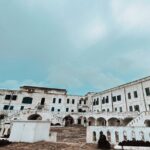
- Cape Coast Castle
- Day 5: Kakum canopy walk and Elmina’s history walk and castle
- Kakum National Park canopy walk
- Elmina walking tour
- Elmina Castle
- Day 6 in Elmina: chief palace visit and a traditional naming ceremony
- Chief palace and local traditions
- Traditional naming ceremony
- Day 7 in Assin Manso: the walk of return and barefoot reflection
- Day 8 in Kumasi: Manhyia Palace Museum, Okomfo Anokye Sword site, and a big open-air market
- Manhyia Palace Museum
- Okomfo Anokye Sword site (via Kumasi Cultural Center)
- A major open-air market
- Day 9 in Bonwire: Kente weaving centre and cloth symbolism
- Bonwire Kente Weaving Centre
- Day 10 back in Accra: Accra Arts Center and airport drop-off
- Accra Arts Center for last souvenirs
- Airport drop-off
- Price, value, and what you’re really paying for
- Pace, comfort, and the emotional load you should plan for
- Should you book this Ghana cultural and heritage trip?
- FAQ
- What cities does the tour cover, and when does it start?
- Is airport pickup included?
- What languages is the tour offered in?
- How large is the group?
- Are meals included, and how many?
- Is the vehicle comfortable for long drives?
- Do admission tickets cost extra?
- Is the tour affected by weather?
- What’s the cancellation window?
Key highlights worth your attention

- Small-group size (max 10) keeps the heritage sites respectful and questions actually get answered.
- AC vehicle with wifi helps you stay comfortable across long drives between cities.
- Door of No Return visits in both Cape Coast and Elmina give you two angles on the same story.
- Kakum canopy walk adds a nature reset after intense memorial days.
- Elmina naming ceremony brings everyday tradition into the itinerary, not just sightseeing.
- Ashanti culture stops in Kumasi connect Ghana’s cultural identity to art, cloth, and royal heritage.
Ghana from three angles: Accra, castles, and Ashanti culture
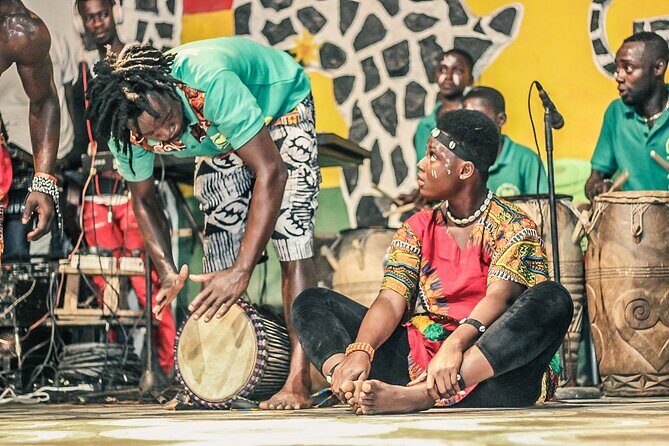
This tour is built like a learning route. You start in Accra with political history and daily life, then shift toward Cape Coast and Elmina where the transatlantic slave trade is handled with careful, guided stops. After that emotional weight, you get Kakum National Park’s canopy walk and then move inland for Ashanti Kingdom culture—palace, royal sites, and Kente cloth-making.
What I like about the structure is that it doesn’t treat the country like one long museum hallway. Markets and monuments are paired with forest time and ritual, so your brain gets breaks without losing the big picture. And because it’s led by local trip leaders, you’re not just moving from place to place—you’re learning what those places mean.
One more practical note: the schedule packs a lot into each day, but the vehicle is air-conditioned and includes wifi, which makes the travel time feel less like a punishment. You’ll still want solid rest the night before big walking days.
You can also read our reviews of more historical tours in Accra

Day 1 in Accra: airport pickup and a welcome dinner
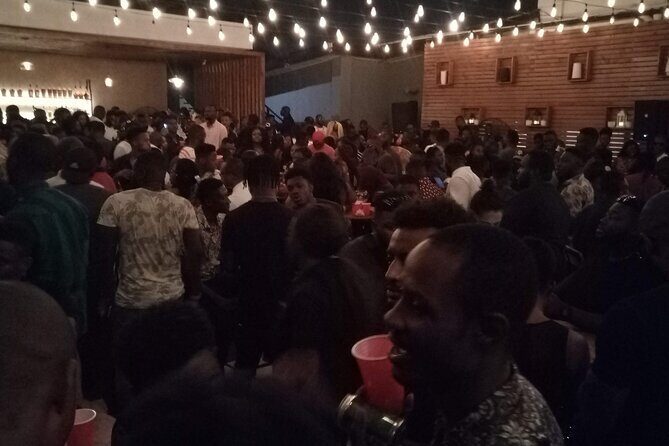
Your first day is simple and helpful: you arrive in Ghana and get picked up at Kotoka Airport, then transferred to your hotel. There’s a welcome dinner with drinks where you meet your group and the in-country trip leaders.
This is a good start for two reasons. First, it reduces the common first-day chaos of airport logistics. Second, a shared meal early on helps the group settle in before you hit the deeper history days later.
If you have a long flight, you’ll appreciate not having to figure out where to go next.
Accra days 2: Nkrumah Memorial, Independence Square, Makola Market, National Museum
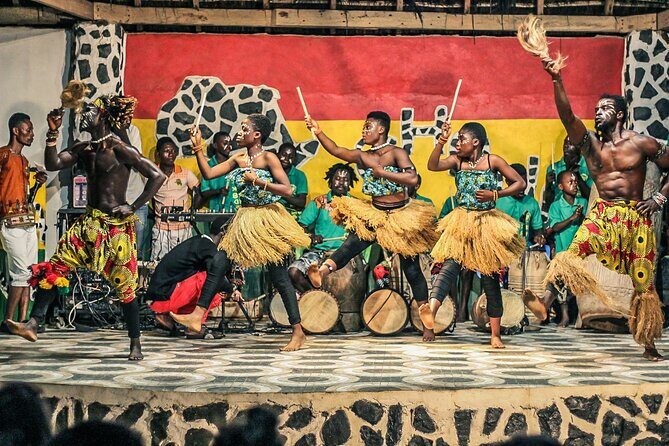
Accra is where the trip gives you its political and cultural grounding.
Kwame Nkrumah Memorial Park
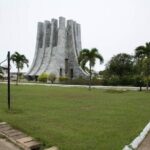
You’ll visit the last and final resting place of Ghana’s first president, Kwame Nkrumah. The site includes personal items—like the smock he wore during Ghana’s independence declaration—plus correspondence and photos connected to Nkrumah and world leaders. It’s scheduled for about an hour, with admission included.
If you like history that’s tied to real objects, this works well. It’s not just a plaque; it’s a collection.
Independence Square (Black Star Square) and the Independence Arch area
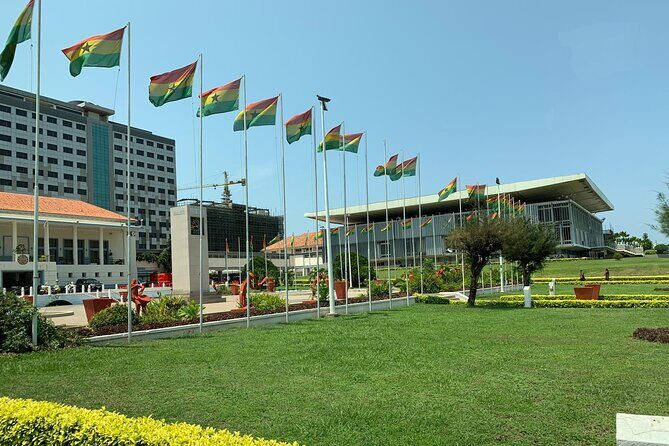
Next comes Independence Square, known for Ghana’s Independence Day parade on March 6. You’ll see the Independence Arch and related monuments, including the Black Star Gate and Liberation Day Monument. This stop runs about 40 minutes with admission included.

Makola Market
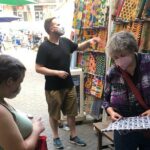
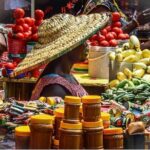
Then it’s straight into daily life at Makola Market, Accra’s largest open-air market. Expect narrow lanes, piles of goods, and the kind of sensory overload that makes you understand why people remember markets long after museums. Admission is listed as included, and it’s about an hour, but in practice, it’s the sort of place where you could burn extra time.
Your guide helps you find interesting spots and better photo angles, which is smart. In markets, knowing where to stand can save your legs.
National Museum of Ghana
You finish with the National Museum of Ghana, about an hour. This stop covers chiefs’ regalia, instruments, gold-weights, beads, textiles, pottery, traditional dance, agriculture, and iron making. It also has exhibits related to the slave trade in Ghana, plus cross-cultural items like masks, Zulu wooden figures, and bead-ware.
This mix matters. It keeps you from seeing history as only political dates or only tragedy. You see culture as lived practice.
Day 3 in Aburi: botanical gardens plus the W.E.B. Du Bois Center
Day 3 slows things down in a good way, with two very different stops that still connect to identity and knowledge.
Aburi Botanical Gardens
You’ll spend about an hour at Aburi Botanical Gardens, focused on African herbs and plants—the origin, age, medicinal properties, and why these plants matter to society. Admission is included.
This is a smart counterweight to the castle days. It gives your mind a change of pace: less stone and chains, more plants and explanation.
W.E.B. Du Bois Center (Pan-Africanism memorial)
After that, you visit the W.E.B. Du Bois Center, a Pan Africanism memorial center. You’ll learn about W.E.B. Du Bois, described as an American sociologist, socialist and historian. Admission is included and time is about an hour.
If you want the story of Ghana connected to wider African diaspora thinking, this stop helps you place Ghana in a bigger conversation.
Day 4 in Cape Coast: Cape Coast Castle and the Door of No Return
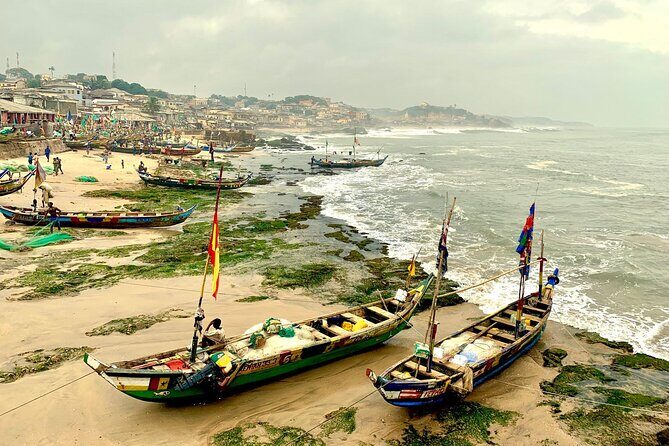
Cape Coast is where the tour turns heavy, fast—and it does it with clear, guided stops.
Cape Coast Castle
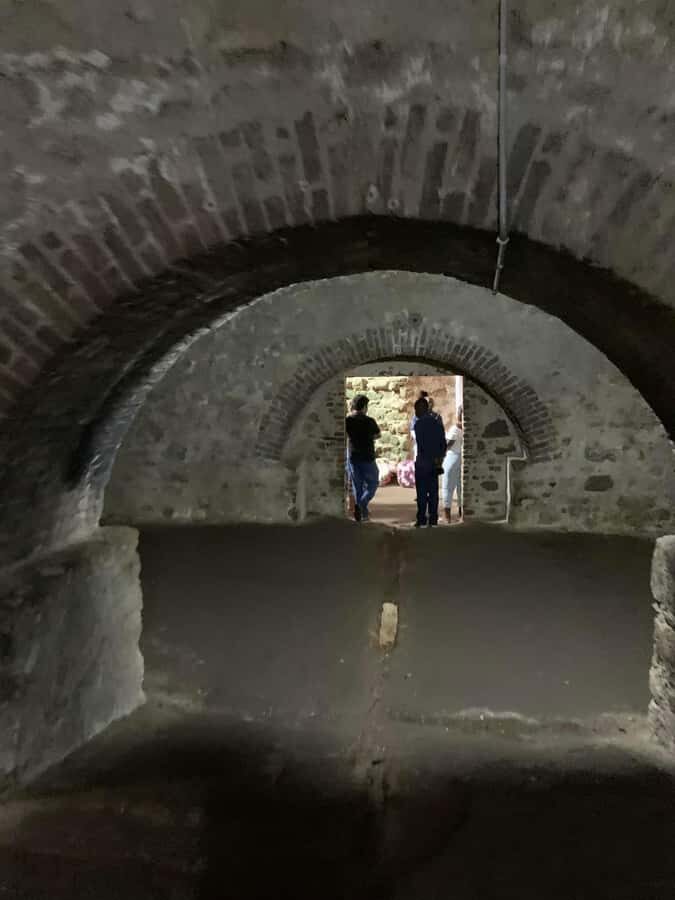
You’ll spend about an hour at Cape Coast Castle, with admission included. The focus is on how enslaved people were held in dungeon areas awaiting ships, plus a visit to the Door of No Return.
This is not a casual photo stop. It’s a place for reflection, and your guide’s framing will affect how you experience it. I’d go in ready to listen, even if your emotions run ahead of your schedule.
Day 5: Kakum canopy walk and Elmina’s history walk and castle
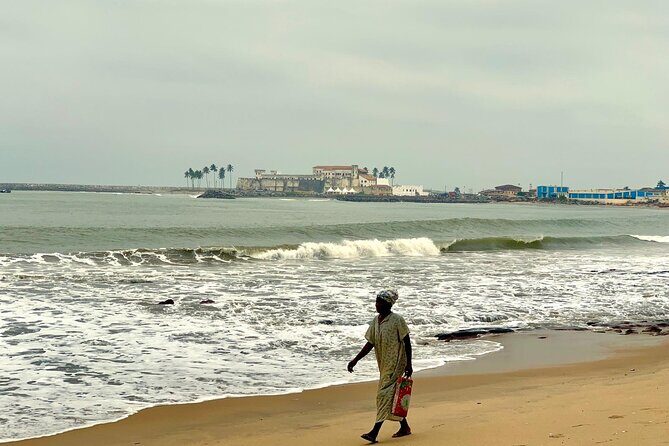
Day 5 is a two-part emotional whiplash—in a good way.
Kakum National Park canopy walk
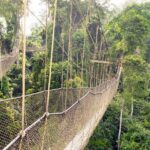
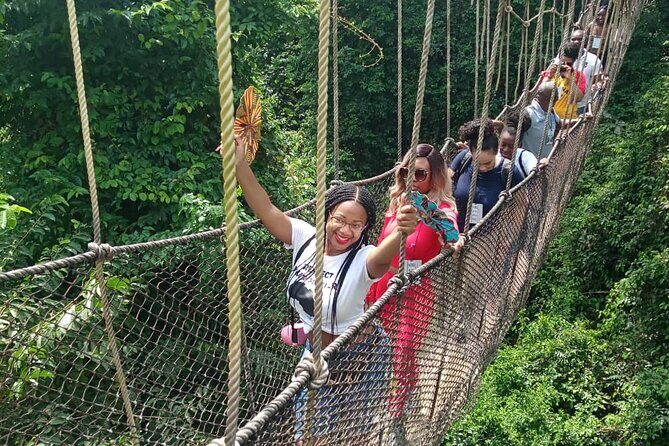
First up is Kakum National Park and the Kakum Rainforest canopy walk. You’ll have about 1 hour 30 minutes and admission is included. The canopy walk is described as one of the few existing canopy walks in the world.
This stop gives you something your body can feel: height, air, and the sense of being above the rainforest rather than just in it. After days focused on slavery history, this can act like a reset.
Elmina walking tour
Next you head to Elmina for a walking tour and historic buildings. You’ll also visit the 17th century Dutch Cemetery, the Posuban Shrine, and the Asafo post. This is scheduled for about an hour, and admission for this section is listed as free.
Elmina is described as Ghana’s top historical town. The walking format matters here: you get to connect buildings to stories without rushing through rooms.
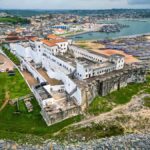
Elmina Castle
Finally, you visit Elmina Castle, about an hour with admission included. You’ll see the slave dungeon area, the forecourt, and the Door of No Return.
Coming to the Door of No Return again after Cape Coast can hit differently the second time. If you feel overloaded, it’s totally okay to take a step back, breathe, and absorb at your own pace.
Day 6 in Elmina: chief palace visit and a traditional naming ceremony
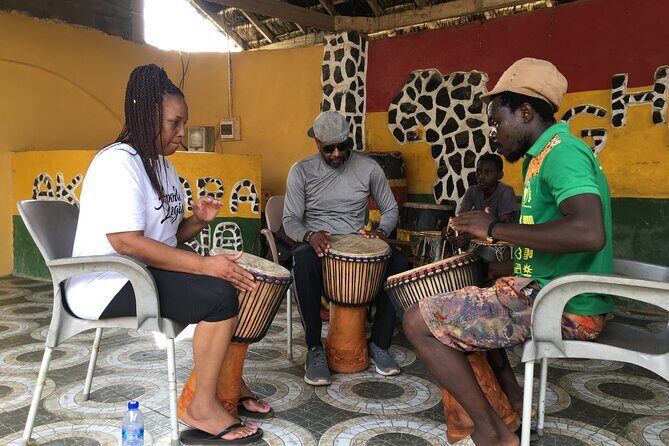
Day 6 keeps you in Elmina, but it shifts focus from the slave trade story toward living tradition.
Chief palace and local traditions
You’ll have a morning of rest and relaxation, then later in the day you visit the chief palace to learn about traditions of local people. Admission is listed as free, and this part sits inside a two-hour block.
Traditional naming ceremony
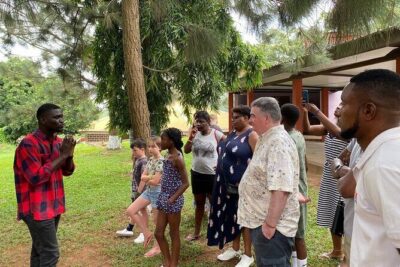
Then comes the naming ceremony. You’ll be given a name based on the day you were born, and you’ll be dressed in African clothing. Admission is listed as free for this stop.
This is one of the most meaningful parts of the itinerary because it’s interactive. You’re not just observing from a distance—you’re participating in a cultural practice with personal relevance.
If you want a Ghana trip that feels human, not staged, this day delivers.
Day 7 in Assin Manso: the walk of return and barefoot reflection
Assin Manso is one of those stops that can change how you think about history. It’s described as the last point where enslaved people had their final bath before being taken to castles and shipped away.
You’ll experience the reverential walk of return, reconnecting back to the motherland. You’ll walk on the soil to the slave river where ancestors took their last bath, and the walk is done barefoot to signify connecting to the motherland and paying respect to ancestors and lost souls. You’ll also visit the memorial wall of return, where names are written.
Time is about an hour, and admission is listed as free.
This is the kind of experience that asks you to slow down. If you’re the type who gets restless in emotional settings, you might want to go in with a mindset of patience and respect rather than rushing to tick it off.
Also, since the walk is barefoot, wear footwear that’s easy to remove and put back on.
Day 8 in Kumasi: Manhyia Palace Museum, Okomfo Anokye Sword site, and a big open-air market
You move from the coast into Ashanti territory for day 8.
Manhyia Palace Museum
You visit Manhyia Palace Museum, described as the seat of the King of the Ashanti Kingdom. Time is about an hour, and admission is included. You’ll learn about the Asante Empire through the lens of the palace.
Okomfo Anokye Sword site (via Kumasi Cultural Center)
Next you visit the Okomfo Anokye Sword site, after stopping at the Kumasi Cultural Center. The tour includes learning the history behind the mystical 400-year unremovable sword planted. Time is about 45 minutes, admission included.
Even if you’re skeptical about legends, this is still a strong cultural stop. It shows how stories shape identity and how people pass meaning through generations.
A major open-air market
The day also includes a stop at a large open-air market described as West Africa’s largest and busiest. The itinerary doesn’t name it, but expect a big, active market environment.
This is where your earlier market experience in Accra pays off. You’ll know what to do: walk with purpose, keep your money organized, and let your guide show you better photo angles.
Day 9 in Bonwire: Kente weaving centre and cloth symbolism
Day 9 focuses on textiles, and it’s excellent if you like craft as culture.
Bonwire Kente Weaving Centre
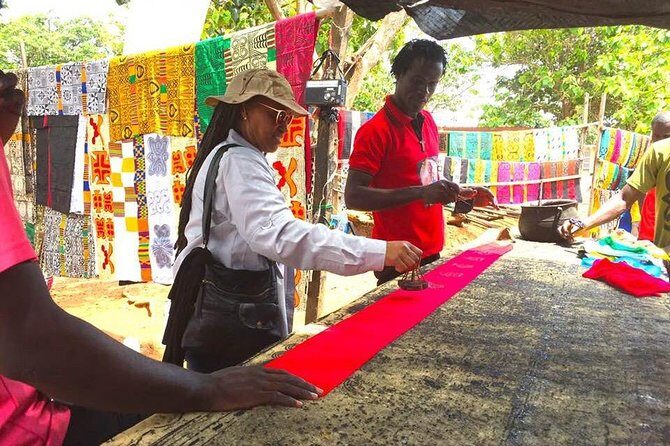
You’ll spend about an hour at the Bonwire Kente Weaving Centre, with admission included. You’ll learn about different kinds of Ghanaian cloth and the symbols, along with their meaning and significance to Ghanaian culture.
This stop is valuable because it turns shopping into understanding. When you know a cloth pattern has a meaning, purchases become stories you can explain at home, not just souvenirs.
Day 10 back in Accra: Accra Arts Center and airport drop-off
Your final day brings you back to Accra for closing time.
Accra Arts Center for last souvenirs
You’ll visit the Accra Arts Center for last souvenir shopping. Time is about 45 minutes, listed as free.
Keep it practical: if you want specific items, decide early in the trip what you’ll look for. Markets and craft centers can tempt you into overbuying unless you have a plan.
Airport drop-off
Then you’re dropped at the airport in time for flights with less stress. It’s a relief on a last day, especially after ten days of early starts.
Price, value, and what you’re really paying for
At $3,500 per person for about 10 days, this isn’t a budget trip. But the value comes from how the package is put together: you get a small group experience, air-conditioned transport with wifi, and a set itinerary that covers major sites across Accra, Cape Coast, Elmina, and the Ashanti region.
You also get meaningful inclusions: dinner, breakfast on 8 days, and lunch on 4 days. Admission is included for many of the major attractions, while a few stops are listed as free. Those two details matter because they reduce the guesswork you’d face if you tried to piece it together yourself.
The other part of value is the human element. Nana and his team are part of what makes the schedule feel guided rather than rushed. For cultural and heritage travel—especially at memorial sites—having clear explanations is not optional; it’s the whole point.
Pace, comfort, and the emotional load you should plan for
This itinerary moves. You’ll do multiple sites per day in different cities, and you’ll have days that are emotionally serious by design. The good news is that the schedule includes rest breaks in at least some sections—like the morning relaxation built into Elmina day 6.
If you want a smoother experience, do two things:
- Pace your energy on emotionally heavy days by keeping nights calm.
- Bring a simple strategy for the day you do the barefoot walk in Assin Manso.
And do not underestimate how tiring heat and walking can be, even when the vehicle is comfortable. Build in extra water habits on your own, even when lunch is provided later.
Should you book this Ghana cultural and heritage trip?
Book it if you want a structured, small-group route that connects Ghana’s political identity, daily life in markets, slavery-era history in Cape Coast and Elmina, and living culture through the Elmina naming ceremony and Ashanti stops in Kumasi. The canopy walk in Kakum is a smart reset, and the Kente weaving lesson gives you real meaning behind what you might buy.
Think twice if you need lots of free time or prefer lighter emotional content. This trip intentionally covers remembrance sites, and some people feel drained even when they understand the importance.
If you’re ready for honest education, guided context, and a trip that doesn’t dodge the hard parts, this one looks like a strong fit—especially with Nana’s team supporting the flow.
FAQ
What cities does the tour cover, and when does it start?
The tour is based in Accra, Ghana and starts at Kotoka Airport. The start time listed is 8:30 am, and the duration is approximately 10 days.
Is airport pickup included?
Yes. Airport pickup is offered on arrival, and on the final day you’re also dropped off at the airport in time for your flight.
What languages is the tour offered in?
The experience is offered in English, Spanish, and French.
How large is the group?
The tour has a maximum group size of 10 people.
Are meals included, and how many?
Dinner is included, breakfast is included for 8 days, and lunch is included for 4 days.
Is the vehicle comfortable for long drives?
Yes. Transportation includes an air-conditioned vehicle with wifi.
Do admission tickets cost extra?
Many key stops list admission tickets as included, while some stops are listed as free. The itinerary shows a mix, depending on the site.
Is the tour affected by weather?
Yes. The experience requires good weather. If it’s canceled due to poor weather, you’ll be offered a different date or a full refund.
What’s the cancellation window?
Free cancellation is available. You can cancel up to 24 hours in advance for a full refund, and cancellations within 24 hours are not refunded.