REVIEW · ACCRA
Local Ghanaian Food Tasting Tour
Book on GetYourGuide →Operated by TourGuideKormi · Bookable on GetYourGuide
Street food can be a cultural shortcut. This 5-hour Accra experience pairs Makola Market eating with a guided stop at the Accra International Art Centre, so you’re not just chewing—you’re learning how Ghanaian food fits daily life. The host I kept hearing about, Kormi, is known for making the food feel personal, plus he’ll help you navigate what to try and how it’s prepared.
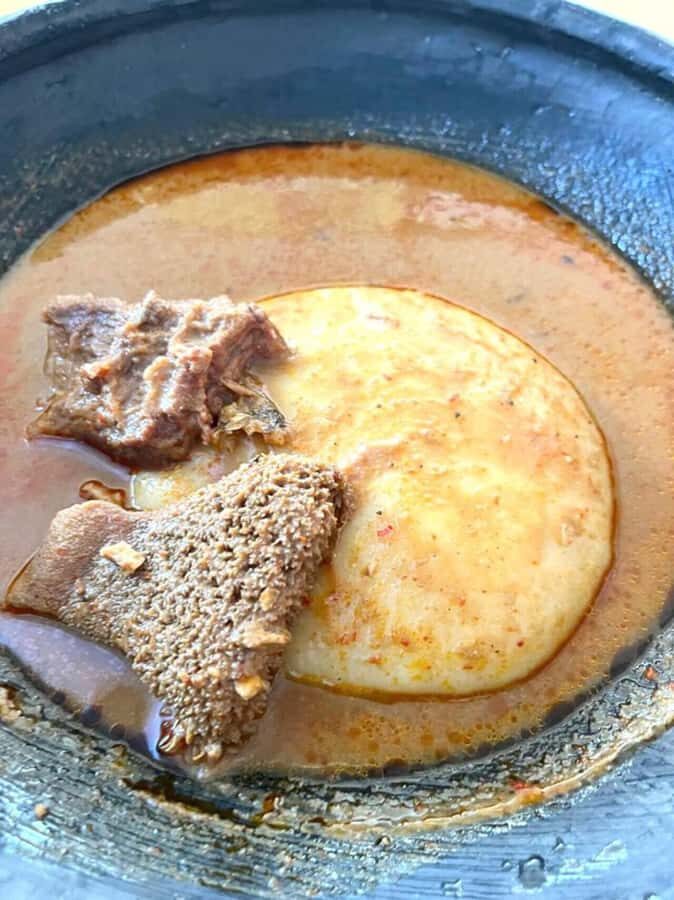
Two things I like a lot: first, the guide explains ingredients and cooking methods as you go, so you understand what you’re tasting instead of guessing. Second, you get more than “samples”—you can end up trying hands-on staples such as making fufu. One drawback to consider: the schedule can feel tight, and if your pickup is delayed or the group has to adjust, you may wish you’d confirmed timing and where the main eating moments will happen.
In This Review
- Key highlights worth marking on your map
- Accra Makola Market tasting: why this works as a food tour
- Meeting Kormi: what the guiding style adds
- Price and value: what $150 buys in 5 hours
- Pickup, pacing, and how the day keeps moving
- Makola markets: the tasting floor where flavors have context
- Street food tastings: learning ingredients, cooking methods, and serving style
- Ending at the Accra International Art Centre: drumming plus fresh coconut
- Getting the most from a guided street food day
- Who should book this food tour, and who should skip it
- Should you book this Local Ghanaian Food Tasting Tour?
- FAQ
- How long is the Local Ghanaian Food Tasting Tour?
- Where do you get picked up and dropped off?
- What languages are available during the tour?
- What’s included in the $150 price?
- What is the cancellation policy?
- Is it wheelchair accessible, and is it suitable for pregnant women?
Key highlights worth marking on your map
- Makola Market street-to-table tasting focused on real local choices
- Cooking walkthroughs that explain ingredients and how food is served
- Hands-on moments like fufu prep when the day’s flow allows
- Accra International Art Centre finish with Ghanaian drumming and fresh coconut
- Kormi and the team’s host-style energy that aims for everyone to leave happy
- English and French live guiding plus audio support in several languages
Accra Makola Market tasting: why this works as a food tour
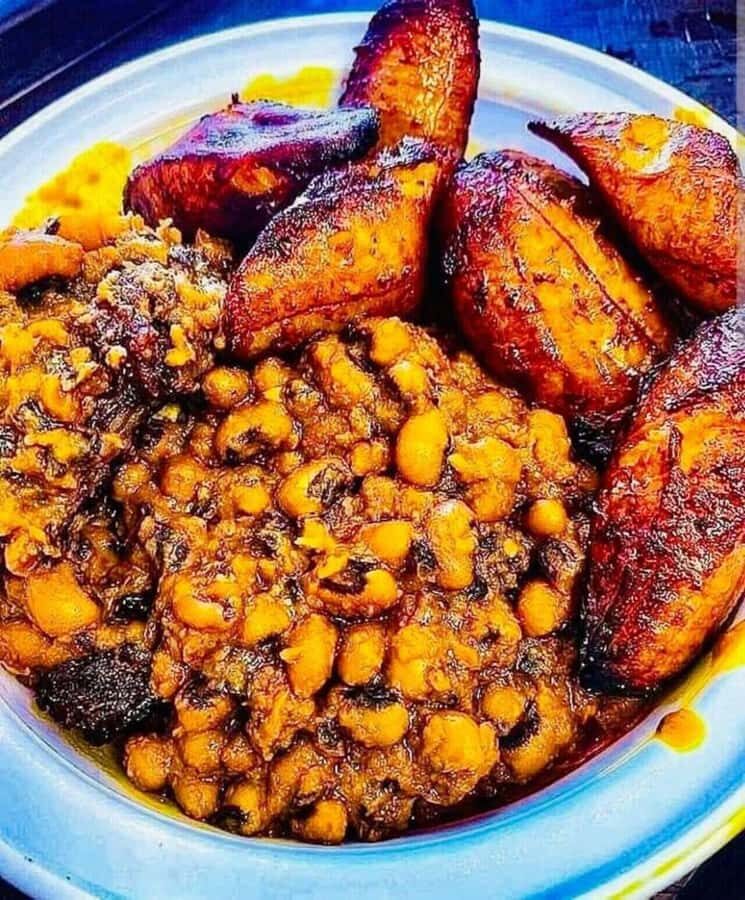
If you want Ghanaian food beyond the basics, Accra’s markets are the shortcut. Makola is one of those places where you see the ingredients before you taste them. That matters because Ghanaian cooking is ingredient-led: sauces, starchy bases, and spice blends come from specific choices, not just a generic menu.
On this tour, you’re not wandering alone. A guide helps you connect what you’re seeing to what ends up on your plate. That’s why this feels different from a standard “eat three things then go.” You’ll get the sense of how people shop, what they look for, and how food moves from market to pot to serving bowl.
Practical upside: markets can be confusing if you don’t know what to ask. With a guide, you can focus on tasting instead of scanning for English signs that probably aren’t there.
You can also read our reviews of more food & drink experiences in Accra
Meeting Kormi: what the guiding style adds
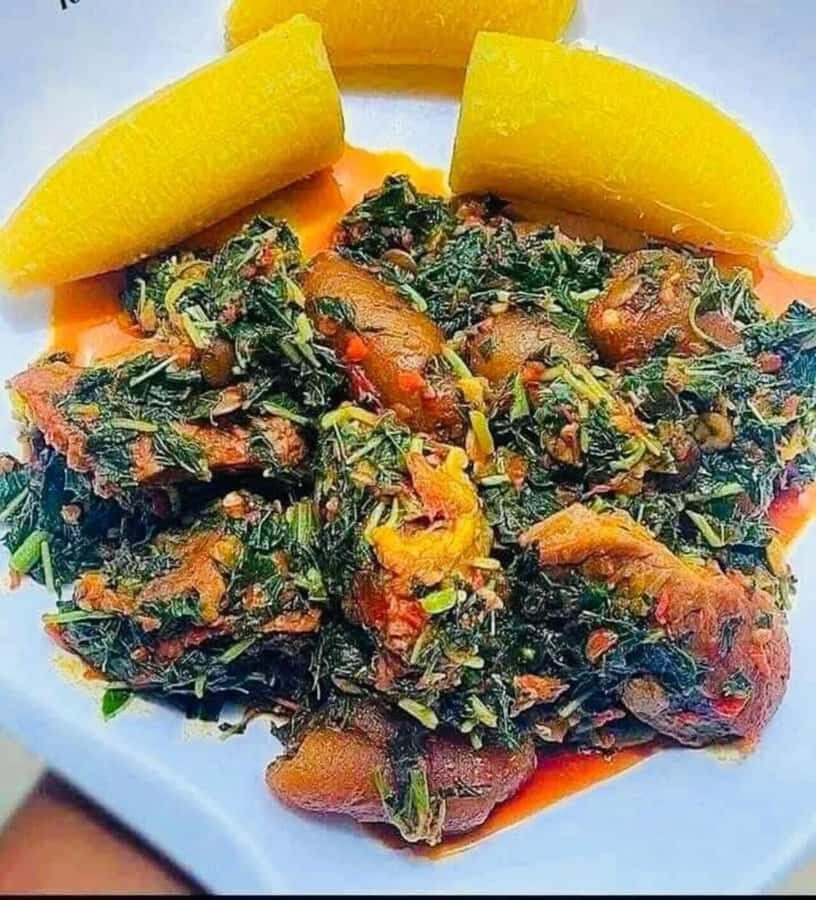
Kormi is the name most strongly associated with this tour, and that’s not just marketing fluff. The standout theme in the feedback is that the host and team try hard to keep things friendly, safe, and structured—without turning the day into a lecture. You’re meant to eat, but you’re also meant to understand.
A big part of the experience is the guide’s running commentary: how dishes are cooked, what ingredients are used, and how the food is best served. Even when you’re just sampling, those details change how you experience the flavors. You start to notice texture differences, spice balance, and how sauces are meant to cling to the staple.
The tour also offers a bit of choice in what you try. The concept is guided by your appetite and interests, so you can steer toward what you’re most curious about rather than being forced into one fixed route.
Price and value: what $150 buys in 5 hours
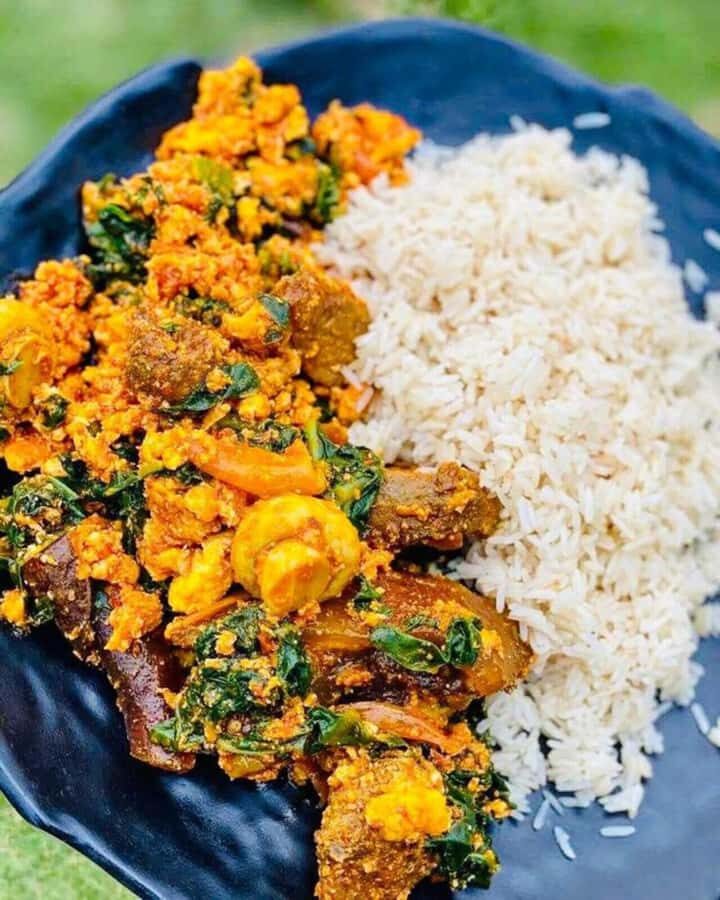
$150 per person can feel steep until you break down what you’re actually getting. In plain terms, you’re paying for a guide, food tastings, and transportation, and you’re doing it in a short, high-density window.
Here’s the value math as it applies to you:
- You get a live guide (English or French) plus audio guide support in multiple languages.
- You’re visiting a market environment that’s harder to navigate without local help.
- You get more than “tasting”—you get learning moments (cooking explanations, serving guidance) and an ending at the art centre with cultural drumming and fresh coconut.
If you like to travel by experience and want one well-planned afternoon instead of piecing together market visits plus meals plus culture stops yourself, this price starts to make sense. If you’re the kind of traveler who prefers to roam freely with no guiding at all, you might find you could do something cheaper on your own—but you’d lose the structured learning and the “what to try next” support.
Pickup, pacing, and how the day keeps moving
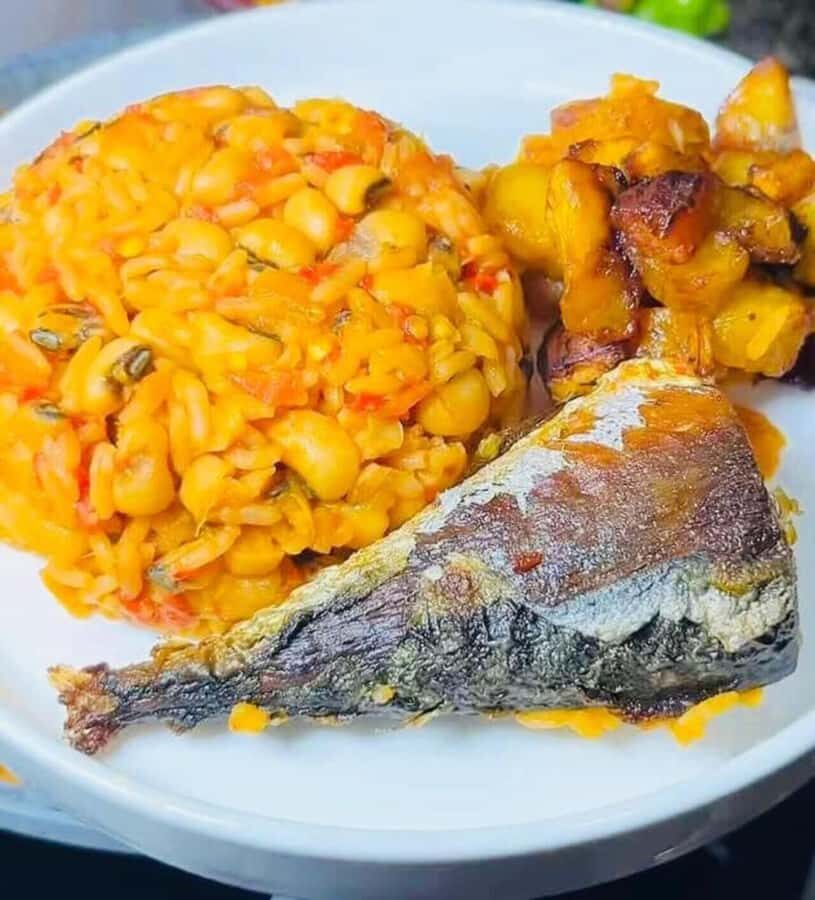
This tour is built around a half-day pace, and that’s important. In 5 hours, you’ll do a lot of short transitions: pickup, market time, street food stops, and the final cultural segment.
You have two pickup options: Urbano Hotel or the Kotoka International Airport Control Tower. Drop-off works the same way, returning you to either the airport control tower or the Urbano Hotel. That round-trip convenience matters in Accra, where travel time and traffic can be unpredictable.
Because part of the experience is street-based, you might move on foot or ride in a car to reach the best food spots. That flexible movement is a plus when the city gets crowded or when the day needs to shift.
One thing I’d keep in mind: if you’re on a tight connection schedule, build in a little buffer. Some feedback highlights that timing adjustments can happen, so it’s smart to confirm start time and plan to stay flexible.
Makola markets: the tasting floor where flavors have context
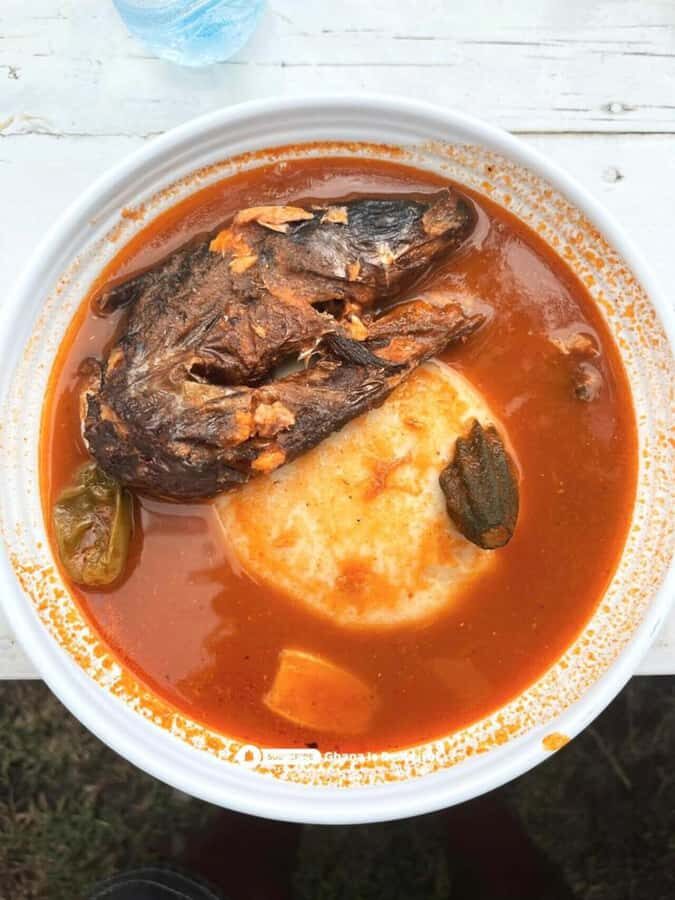
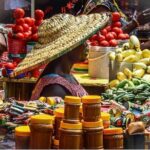
Makola Market isn’t just a backdrop—it’s where the tour builds context. You’ll visit the market area as part of the food experience, and the guide uses that setting to help you make sense of what you’re about to eat.
In practice, this usually means:
- You see ingredients and food handling in the real environment where people shop.
- The guide points out what matters for taste and cooking.
- You learn how dishes connect to everyday eating, not just tourist plates.
This stop is valuable because markets teach you how food culture works. You’ll start to understand why certain combinations show up again and again, and why serving style is part of flavor, not just presentation.
Tip for you: go in with curiosity. If you’re only hungry but not mentally ready to learn, you might feel the day is heavier on explanation than expected. If you like understanding the why behind what’s on the plate, this part delivers.



Street food tastings: learning ingredients, cooking methods, and serving style
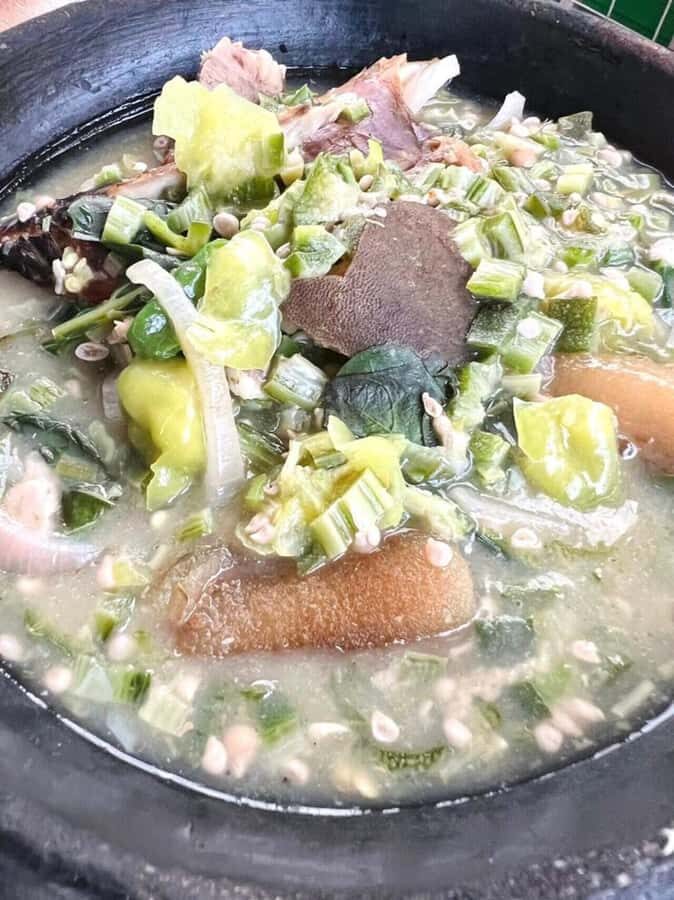
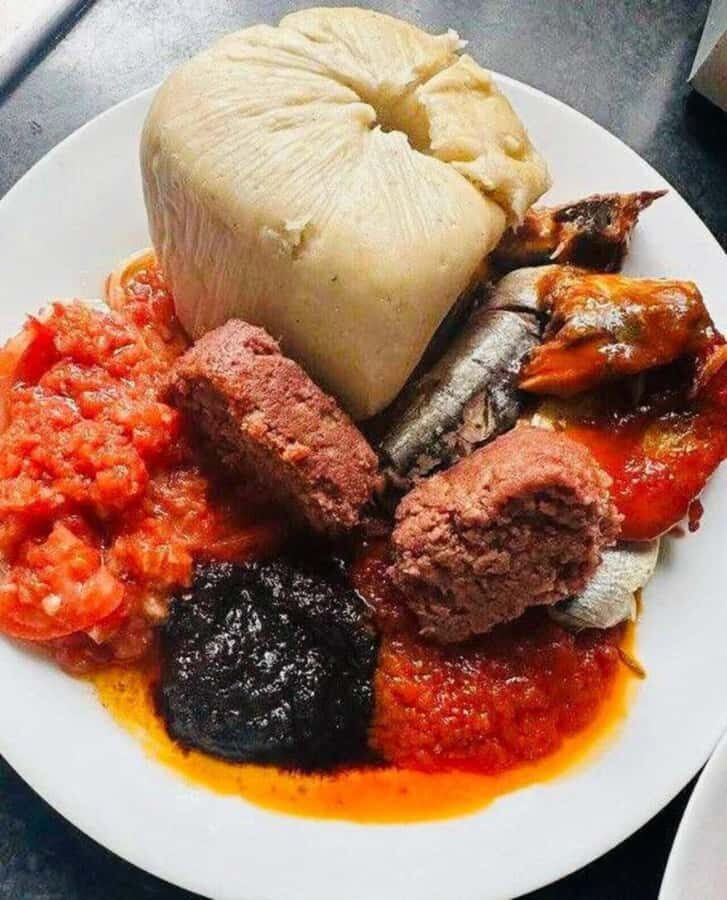
The core of the tour is the street food tasting itself. The promise is clear: you’ll try diverse locally prepared dishes, and the guide will explain how they’re cooked, what ingredients are used, and how the food is best served.
That triplet—ingredients, cooking method, serving—turns a “try it” meal into something more useful. For example, knowing the cooking method helps you understand why a dish has its texture. Knowing serving style helps you understand how people expect you to eat it.
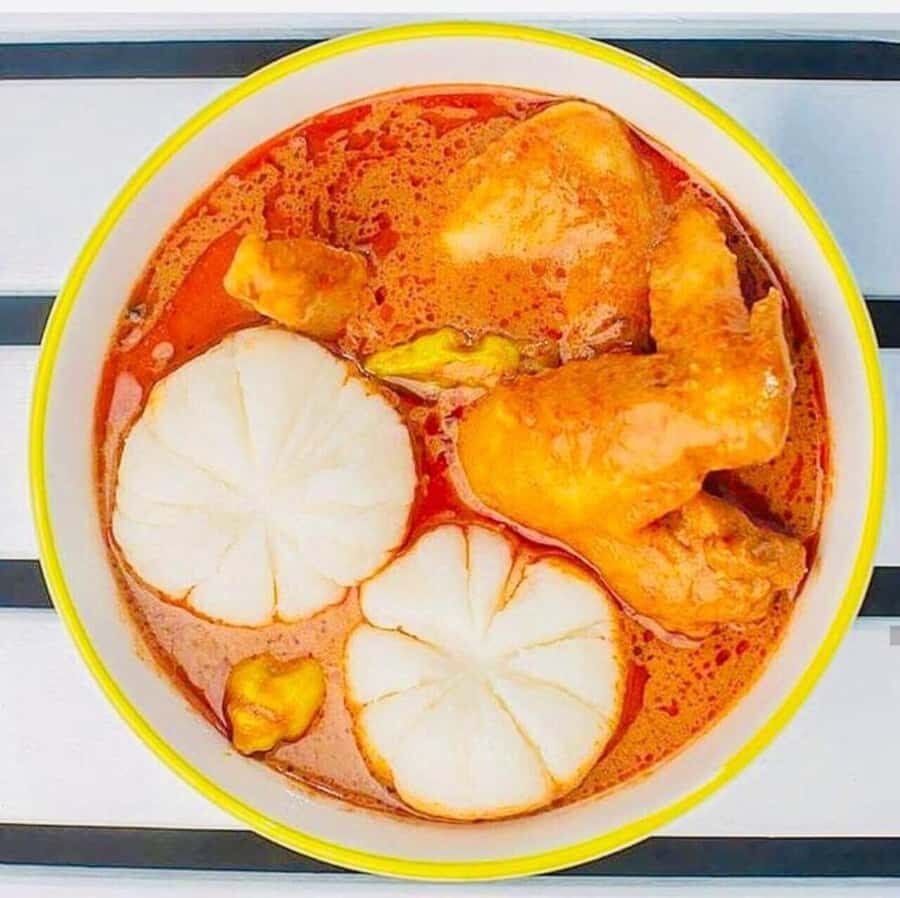
You may also find that the tour includes hands-on experiences tied to local staples. One strongly mentioned highlight is the chance to try making fufu. Even if you don’t turn into a pro in one session, it gives you a sense of the effort and technique behind the foods you usually buy.
This is also where the guide’s pacing matters. The tour aims to keep you eating enough to be satisfied—without rushing you through “one bite and out.” If you enjoy slow flavor sampling and asking questions, you’ll be in your happy place.
Ending at the Accra International Art Centre: drumming plus fresh coconut
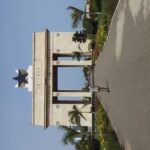
The finish is at the Accra International Art Centre. This is where the tour shifts from food-focused to culture-focused, while still keeping it connected to the day.
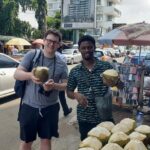
You’ll be taught Ghanaian cultural drumming, and you’ll also be given fresh coconuts as part of the closing moment. That combination works well because it breaks up the sensory intensity of street food with something interactive and celebratory.
Why this ending is a smart match for a food tour: it reminds you that food is only one thread in Ghanaian culture. Music, rhythm, and community expression are part of how people gather and celebrate. The drumming lesson gives you a taste of that atmosphere, and the coconut provides a simple, refreshing finish that fits the tropical setting.
One practical note for your comfort: drumming and interaction can involve sitting, standing, and moving a bit more than you expect at the end of a 5-hour eating run. Comfortable shoes help.
Getting the most from a guided street food day
To have a smoother experience, I’d plan around the realities of market and street settings.
Here’s how to set yourself up well:
- Bring your passport or ID card. It’s required.
- Wear shoes you can walk in for market time.
- Go with a flexible attitude about timing, since street food pacing depends on what’s available and how fast the group moves.
- If you’re picky about where you eat—like wanting everything to be strictly street-side—ask the guide early how the meals will be handled so your expectations match the plan.
Also, if you’re multilingual, you can lean on the support systems. Live guiding is offered in English and French, and there’s an audio guide in English, French, and German. Even if you don’t use audio much, it’s useful as a safety net when you want extra context.
Who should book this food tour, and who should skip it
This is a strong choice for you if:
- You want street food with cultural context, not just random tastings.
- You like markets as a travel style.
- You enjoy learning how food is made, including ingredients and cooking methods.
- You want a structured half-day that still feels local and hands-on.
It’s not a fit for everyone. The tour is explicitly not suitable for pregnant women. On the other hand, it is listed as wheelchair accessible, which is good news if mobility is part of your planning.
If you hate group pacing or you want complete freedom to choose meals and wander without guidance, you might find this tour a bit structured. But if you want the guide to do the “what’s worth trying” work, that structure is the whole point.
Should you book this Local Ghanaian Food Tasting Tour?
I’d book it if you’re the kind of traveler who gets joy from food culture: markets, explanations, and a finish that adds music and local atmosphere. At $150 for 5 hours with transportation and guide services, it can be good value—especially because you’re getting both tasting and cultural activity at the end.
Before you go, I’d do one small prep step: confirm your pickup time and review how the day will flow, especially if you’re sensitive to delays. That’s the main “watch out” theme that shows up in the feedback. When timing and expectations line up, the experience sounds like a genuinely fun afternoon—almost like spending time with hosts who want you to leave satisfied and informed.
If you want a food tour that connects dishes to place, this one is worth your shortlist.
FAQ
How long is the Local Ghanaian Food Tasting Tour?
The tour lasts 5 hours.
Where do you get picked up and dropped off?
You can be picked up at Urbano Hotel or the Kotoka International Airport Control Tower. Drop-off is available at either the Kotoka International Airport Control Tower or Urbano Hotel.
What languages are available during the tour?
The live tour guide is available in English and French. An audio guide is included in English, French, and German.
What’s included in the $150 price?
The price includes food tasting, guide services, and transportation.
What is the cancellation policy?
You can cancel up to 24 hours in advance for a full refund.
Is it wheelchair accessible, and is it suitable for pregnant women?
The tour is listed as wheelchair accessible. It is not suitable for pregnant women.