REVIEW · ACCRA
Accra Explored: A Full-Day Private City Tour for Culture Seekers
Book on Viator →Operated by Culture Seekers Africa · Bookable on Viator
Accra hits you fast, then teaches you slowly. This private city tour strings together the big symbols of Ghana’s independence with hands-on stops for culture and crafts, all in a comfortable air-conditioned van. I like that the pace is built for a real day out, not a sprint, and that admission fees are handled so you’re not hunting tickets all morning.
What I’d highlight most is the mix of places: the Kwame Nkrumah Memorial Park museum side, plus the W.E.B. Du Bois Center for Pan-African context that many visitors miss. One possible drawback: if your top wish is a dedicated stop in Jamestown and the forts (Usher and James), this route may feel light there, since the focus stays on the listed sites.
In This Review
- Key things to notice before you go
- Price and time: what $80 really buys you
- The story arc: from independence symbols to Pan-African ideas
- Independence Square (Black Star Square): a fast start that sets your bearings
- Kwame Nkrumah Memorial Park: museum time plus rare independence artefacts
- Makola Market: what to expect from Accra’s biggest market
- National Museum of Ghana: the independence-era timeline in one stop
- Centre for National Culture: craft shopping with purpose
- W.E.B. Du Bois Center: Pan-Africanism you can see, not just read
- Private tour logistics: pickup, comfort, and a calmer way to see Accra
- If you want Jamestown and the forts: adjust expectations
- Who this tour is best for
- Should you book Accra Explored?
- FAQ
- What time does the tour start?
- How long is the Accra private city tour?
- Is hotel pickup and drop-off included?
- What’s included in the price?
- Is the National Museum of Ghana admission free?
- Is travel insurance included?
- Is this a private tour?
- What is the cancellation policy?
- Does the tour run in any weather?
Key things to notice before you go
- Full-day structure in 5–6 hours: enough stops to feel complete, without feeling trapped all day.
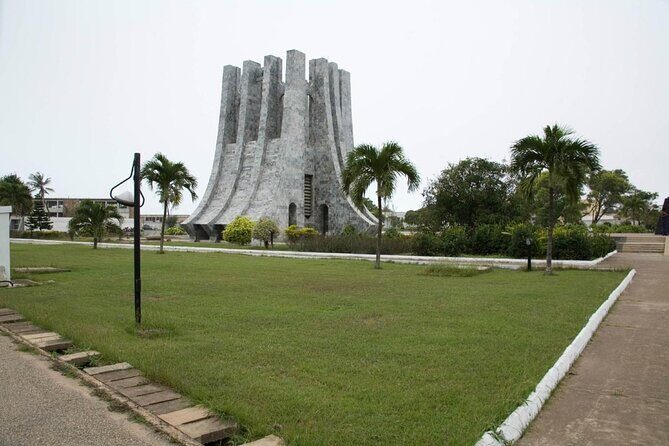
- Kwame Nkrumah Memorial Park includes time in the museum and rare artefacts tied to independence.
- Makola Market is a true Accra experience with both indoor and outdoor sections.
- Independence Square (Black Star Square) anchors the story of 1961 and the independence declaration.
- Centre for National Culture is your crafts-and-souvenirs stop with a practical shopping window.
- W.E.B. Du Bois Center adds diaspora context through its museum and his personal library.
Price and time: what $80 really buys you
At $80 per person for a private tour lasting about 5–6 hours, the value is less about a bargain and more about a clean, guided day that runs end-to-end. You get hotel pickup and drop-off, private transportation, and admissions at the tour stops. In practice, that matters because Accra can be a long day when you’re coordinating rides, lining up for tickets, and trying to time multiple museums around your own schedule.
This is booked fairly in advance (about 28 days on average), which usually means the day-and-time slot you want can go quickly. If you’re traveling in a group, keep an eye out for group discounts, since private tours tend to become more cost-friendly as headcount rises.
A good note for your planning: the tour requires good weather. If the day turns rainy or stormy, you may be offered a different date or a refund. That’s worth factoring in, especially if you’re only in Accra for a short window.
You can also read our reviews of more city tours in Accra

The story arc: from independence symbols to Pan-African ideas
The tour is built like a narrative. You start with Ghana’s independence story, then move through cultural life in the city (markets and crafts), and end with a broader viewpoint at the Du Bois Center. That ordering is smart because it helps you connect what you’re seeing.
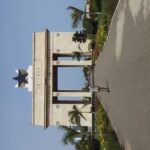
You begin at the iconic political site at Independence Square, also known as Black Star Square. It’s a strong first stop because it sets the theme: Ghana’s national pride, and the moment when independence was declared. From there, you go into the memory and museum space at the Kwame Nkrumah Memorial Park, which gives you the human anchor behind the monument.
Then you shift to everyday culture with Makola Market and the Centre for National Culture. Finally, you close with a place that’s about ideas: W.E.B. Du Bois Center, with his story tied to Pan-Africanism and African diaspora history. If you like understanding why a city looks the way it does, this format does that.
Independence Square (Black Star Square): a fast start that sets your bearings
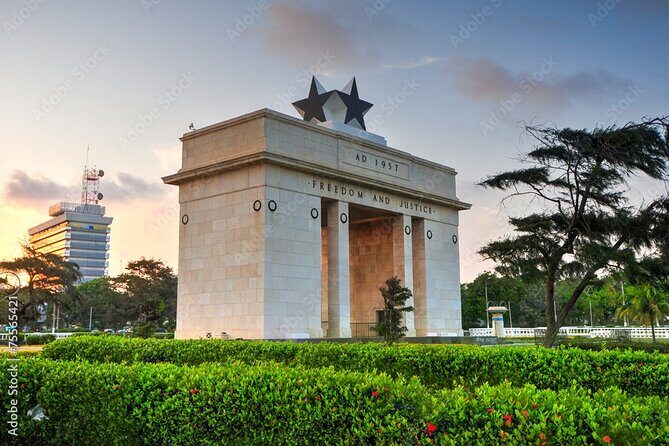
Even if you’ve seen Independence Square photos online, being there in person changes how it lands. This is where you get the visual language of independence: the space where Kwame Nkrumah stood when Ghana’s independence was declared, and the commissioning history of the square in 1961.
This stop is short—about 30 minutes—but it works because it’s not competing with other long museum time. Instead, it’s your orientation point. If you’re the kind of visitor who likes knowing what you’re looking at before you wander, this is a good move.
Practical tip: with only half an hour here, wear sun protection and be ready to walk a little. If you’re planning photos, come prepared to be efficient. You’ll have other chances later in the day.
Kwame Nkrumah Memorial Park: museum time plus rare independence artefacts
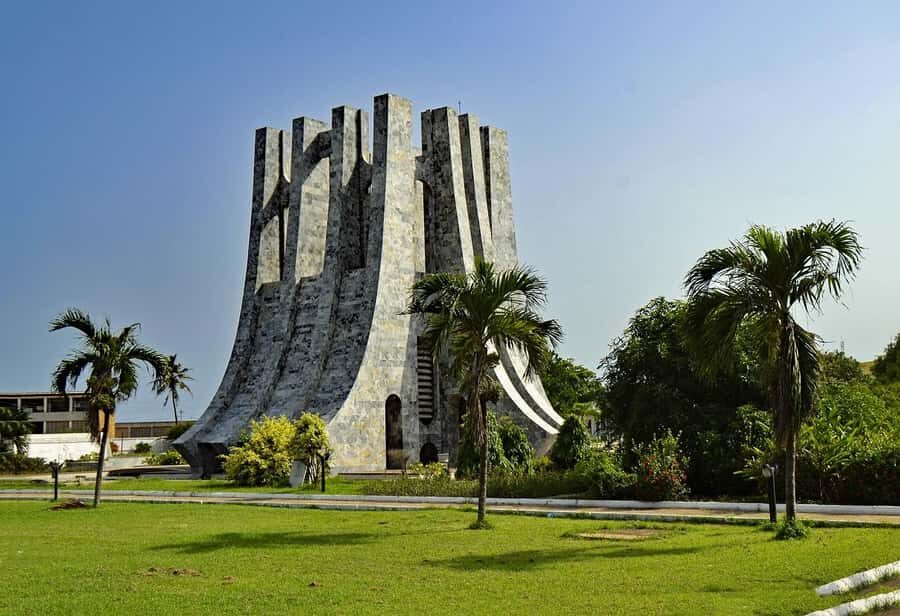
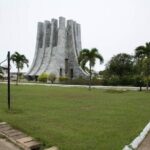
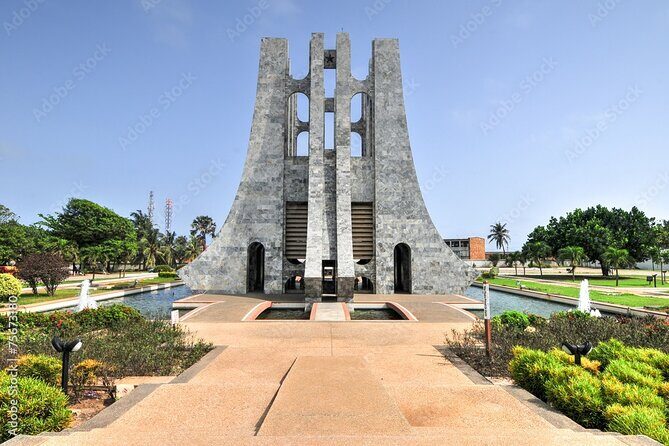
If the independence story at Independence Square is the headline, Kwame Nkrumah Memorial Park is the supporting chapter. You’ll spend about one hour here, and it’s built around the final resting place of Kwame Nkrumah and his wife, FATIHA.
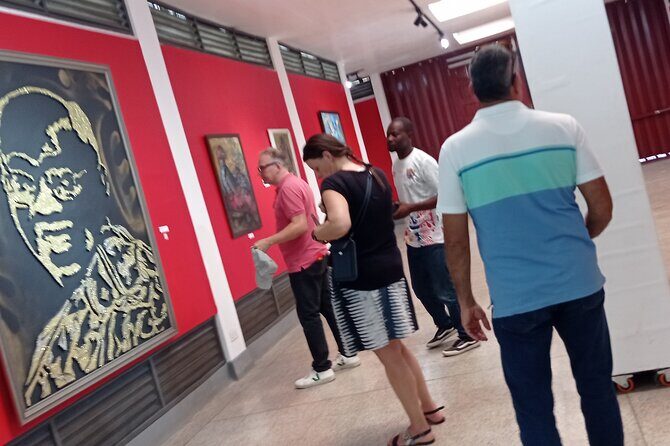
The museum element is the key value-add. It holds artefacts connected to Kwame Nkrumah’s life and Ghana’s independence struggle. Even if you’re not a museum-only person, this stop is worth it because the setting makes the narrative feel more grounded than a quick monument photo.
The potential drawback is simple: if you don’t enjoy museum-style viewing, you might wish you had more time for outside wandering. But if you want context before heading into markets and crafts, this is the stop that makes the rest of the day click.
Makola Market: what to expect from Accra’s biggest market
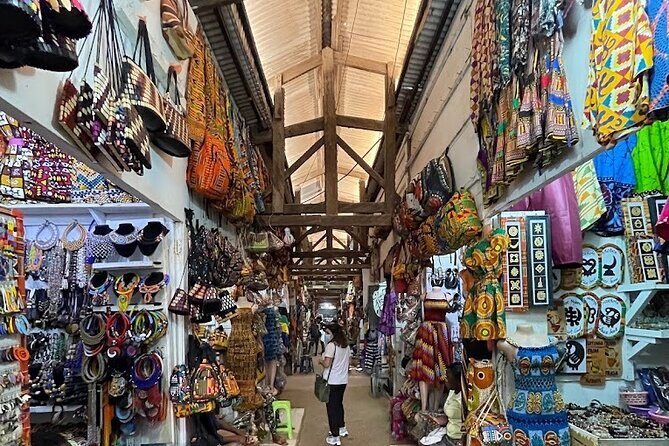
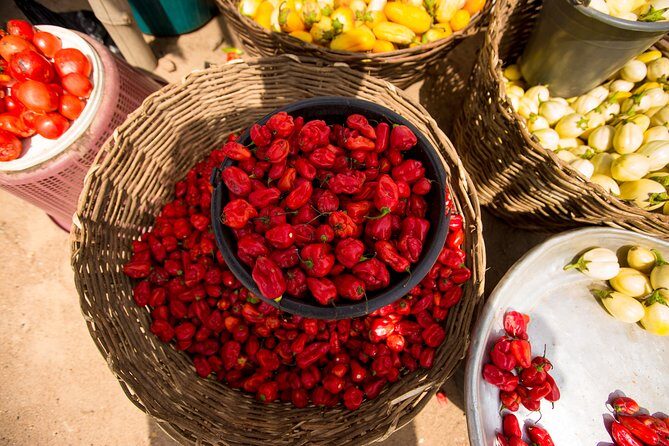
Next up is Makola Market, about 30 minutes in the schedule. This is the big one in Accra, and it’s both indoor and outdoor—the kind of place where you’ll see everything from foodstuffs to jewellery and electronics.
The market stop is short on purpose. Markets can swallow time fast, and the tour still needs to reach museums and cultural centres. So think of Makola as a sample platter: a chance to get your bearings for how locals shop and what kinds of goods are common.
What I’d tell you to do: go with a curious mindset and decide in advance what you want to look for. If your goal is shopping, keep your energy for the Centre for National Culture later. If your goal is observation, Makola is a great place to watch how the city moves.
A note from real-world experience of this kind of schedule: if your visit falls on a day when markets look different (for example, Sundays), don’t assume every stall will feel identical. The market is still the market, but the vibe can shift.
You can also read our reviews of more private tours in Accra





National Museum of Ghana: the independence-era timeline in one stop
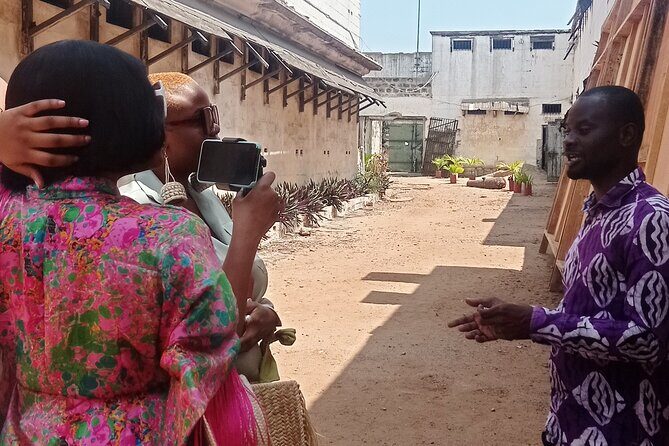
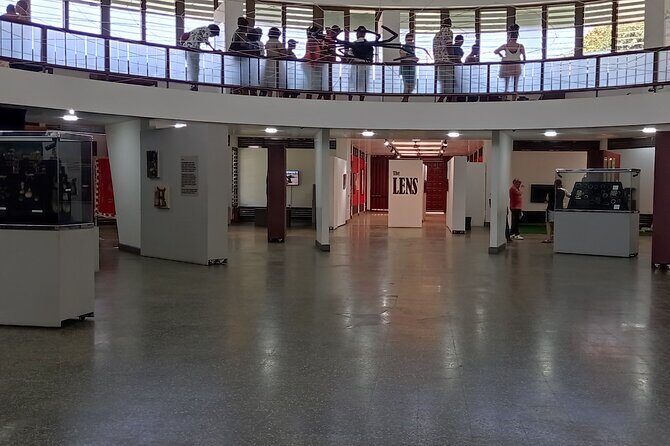
Then you hit the National Museum of Ghana for about one hour. The museum is free on this tour, which is a big practical win. It opened on March 5, 1957, which is described as a day before Ghana’s independence.
What makes this stop more than a quick look is the collection context. You’ll see objects from other African countries that were acquired through exchange and gifts. That matters because it frames Ghana’s cultural story inside a wider African network, not only as a standalone narrative.
The only “consideration” here is time. One hour passes quickly if you try to read everything carefully. If you like fast scanning, you’ll do great. If you want to read every label, you’ll need to pick your top rooms or themes.
Centre for National Culture: craft shopping with purpose
If you want souvenirs that feel tied to place, this is the stop. The Centre for National Culture (Accra) is described as the biggest craft market in Accra, and you’ll have about one hour here.
This is the place to look for arts and crafts—and it’s set up for that kind of browsing. Compared to markets you might stumble through, a craft centre often feels easier to navigate when you’re looking for specific categories: carved items, textiles, and other handmade goods.
Here’s how to make the most of the time:
- Decide what you’re buying before you start walking deep into everything.
- Ask questions about what an item is and what it’s made of.
- Treat it like shopping, not like a museum. One hour is long enough to find good stuff if you don’t overthink it.
If you care about value, compare a couple of items before you commit. You can still walk out with something you’ll actually enjoy when you get home.
W.E.B. Du Bois Center: Pan-Africanism you can see, not just read

The day ends (about one hour here) at the W.E.B. Du Bois Center. This is a tribute to Dr. William Edward Burghardt Du Bois—a prominent African-American scholar and activist and a co-founder of the NAACP.
What makes this stop stand out is that it’s not only a memorial. It includes his final resting place alongside his wife, a museum, and his extensive personal library. The centre also supports research and dialogue on Pan-Africanism, which is a major part of Du Bois’s lifelong work.
Even if you’re not coming in with a deep background on Du Bois, the setting helps. You’re seeing the story in a place made for it, with museum space and his library mentioned as part of the experience. It turns abstract ideas into something more tangible.
If you’re the type who likes ending a tour with a place that broadens your perspective, you’ll appreciate this finish.
Private tour logistics: pickup, comfort, and a calmer way to see Accra
One of the practical strengths of this experience is that it’s private. Only your group participates, so you’re not squeezed into someone else’s pace or preferences. That matters in a city where traffic and timing can change quickly.
You also get hotel pickup and drop-off, which saves time and reduces decision fatigue. Add bottled water—one bottle per traveler—and you’re set for the basics in Accra’s warm conditions.
Transportation is listed as an air-conditioned vehicle, which is a real comfort upgrade when you’re switching between sunny outdoor sites and museum interiors. You’ll likely feel it most around the midday movement between stops.
Mobile ticketing is included too, which can simplify check-in. It’s a small thing, but it helps keep the day smooth.
If you want Jamestown and the forts: adjust expectations
Here’s the one part to plan carefully. This tour’s core focus is on the specific sites listed in the day’s flow. A dedicated stop in Jamestown and visits to the forts associated with Usher and James isn’t part of the planned sequence.
That said, the tour can still pass by areas along the way, so you may catch glimpses. But if Jamestown is the main reason you’re booking Accra, you should know you may not get the full time you’re hoping for. In that case, I’d either look for an itinerary that explicitly includes Jamestown and forts or confirm the exact on-the-ground plan with the operator before you lock it in.
Who this tour is best for
This works especially well if you:
- Want a culture-focused Accra day without juggling multiple tickets and directions.
- Like museums tied to political milestones, not just surface sightseeing.
- Enjoy markets and crafts, but still want structure and time limits that prevent fatigue.
- Prefer private pacing over crowd navigation.
It may feel less perfect if you’re chasing only beaches, nightlife, or a heavy “old fort” history route. You’ll still get important historical context, but the day’s emphasis is broader: independence symbols plus cultural life plus Pan-African ideas.
Should you book Accra Explored?
I’d book it if you want a clean, thoughtful introduction to Accra that connects the city’s independence story with everyday culture and wider African diaspora context. $80 isn’t a giveaway, but the value comes from private pickup, AC transport, and admissions bundled into the day.
I wouldn’t book it as your only Accra plan if Jamestown and the forts are your top priority. In that case, you’d either need extra time in the city or a different itinerary that gives those sites more dedicated attention.
If you’re ready for a day that mixes monuments, markets, crafts, and ideas—without making you run around town—this is a strong way to spend your time in Accra.
FAQ
What time does the tour start?
The tour starts at 9:00 am.
How long is the Accra private city tour?
It lasts about 5 to 6 hours.
Is hotel pickup and drop-off included?
Yes. Hotel pickup and drop-off are included.
What’s included in the price?
The tour includes private transportation (air-conditioned vehicle), admissions to tour locations, and bottled water (one bottle per traveler). Group discounts may be available.
Is the National Museum of Ghana admission free?
For this tour, admission to the National Museum of Ghana is free.
Is travel insurance included?
No. Travel insurance is not included.
Is this a private tour?
Yes. It’s private, meaning only your group will participate.
What is the cancellation policy?
You can cancel for free up to 24 hours in advance for a full refund.
Does the tour run in any weather?
The experience requires good weather. If it’s canceled due to poor weather, you’ll be offered another date or a full refund.