REVIEW · ACCRA
Private Multi-Day Ghana Tour about Culture History and Wildlife – 7 Days
Book on Viator →Operated by Ashanti African Tours · Bookable on Viator
Arriving in Ghana can feel like a lot at once, so this tour is built to help you get your bearings fast while still seeing meaningful places. I like the balance here: big story sites in Accra and the coast paired with hands-on craft stops, then you finish with real nature time at Kakum National Park. The other thing I appreciate is the smooth, guided pacing, from airport pickup onward, so you are not constantly negotiating transport or tickets.
One consideration: the days are active and sometimes start early, plus there are long road stretches between regions. If you want a totally slow vacation with minimal driving, this may feel like too much.
In This Review
- Key highlights at a glance
- Accra Arrival: Kotoka Pickup and a First Taste of Old Ghana
- James Town, Forts, and the Lighthouse: Walking History in Accra
- Independence Square and Black Star Square: Ghana’s Modern Identity in Stone
- National Cultural Center: Market Energy Without the Guesswork
- Teshie Nungua Fantasy Coffins: Art, Belief, and a Hard-to-Forget Contrast
- Up Into the Hills: TK Beads and Aburi Botanical Gardens
- Kumasi UNESCO Shrines: Asante Buildings and Adinkra Meaning
- Kente at Adanwomase and Adinkra at Ntonso: Wearable Heritage
- Sokoban Krofrom Brass Casting and the Kejetia Market Reality Check
- Manhyia Palace Museum: Ashanti Power Through Place
- Road Trip to Elmina: Gold Coast Roots and Assin Manso
- Kakum National Park Canopy Walk: Wildlife Feeling Without the Safari Stress
- Cape Coast Castle: The Door of No Return and a Needed Reality Check
- Global Mamas Batik: Fair-Trade Craft That Feels Real
- Elmina Fishing Market and Boat Builders: How the Coast Still Works
- Elmina Castle of St. George: UNESCO, 1482, and Local History
- Abandze and Fort Amsterdam: Gold Coast Calm and a Final Fort Stop
- Price and logistics: Is $3,095 worth it?
- Who this 7-day Ghana mix fits best
- Should you book this tour?
- FAQ
- What is the price of this 7-day private Ghana tour?
- What is included in the tour price?
- What meals are included?
- What wildlife and nature stops are included?
- Is this tour private?
- What if plans change or the weather is poor?
Key highlights at a glance

- Airport pickup and 24/7 guide support: you meet your team at Kotoka International Airport and stay in their hands throughout.
- Accra history that you can walk through: James Town’s older streets and forts, plus Independence Square and the Nkrumah sites.
- Hands-on Ghana crafts: TK beads, kente and adinkra in the Ashanti heartland, brass casting, and batik through Global Mamas.
- Meaningful slavery-era sites on the coast: Cape Coast Castle and Elmina’s St. George Castle are UNESCO-designated stops.
- Wildlife and rainforest from Kakum: the canopy walkway plus the International Stingless Bee Centre education.
- Good value for a private format: air-conditioned transport, lodging, most meals, and excursion fees are built in.
Accra Arrival: Kotoka Pickup and a First Taste of Old Ghana
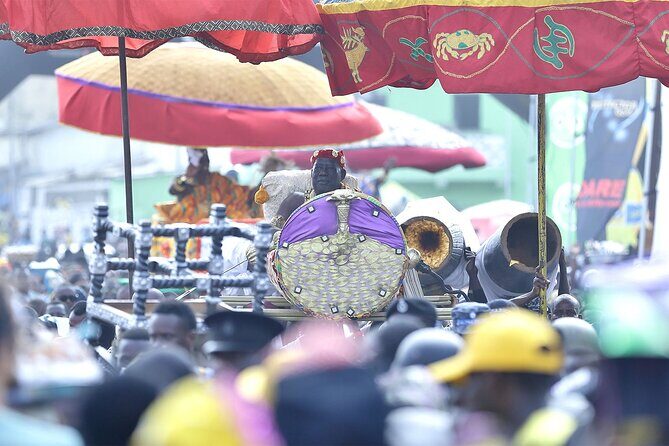
Your trip starts the moment you land. You meet your local team after customs at Kotoka International Airport and you are guided from there—easy win, especially if it is your first time in Ghana. I also like that the meeting is straightforward: look for the Ashanti African Tours sign when you leave the main terminal.
From day one, the vibe is practical: you are not just dropped at a hotel and left to figure things out. Instead, your first full day is designed to help you understand Accra as both a modern city and a place layered with older trading communities. That matters because Ghana history is not stuck in museums only. It shows up in where people live, work, fish, trade, and remember.
You can also read our reviews of more private tours in Accra

James Town, Forts, and the Lighthouse: Walking History in Accra
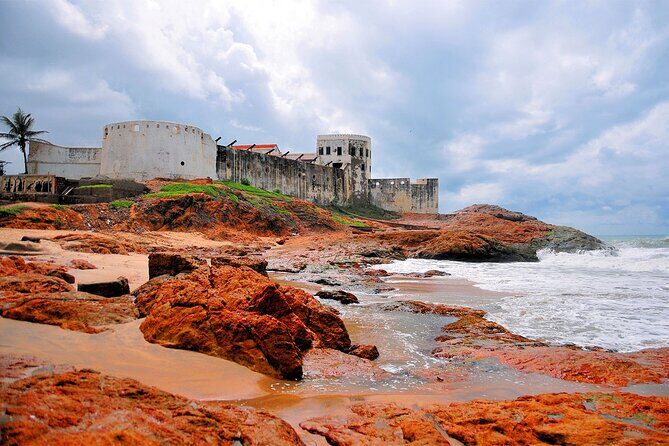
Accra’s James Town is where the tour turns into a real walking experience. You cover the area in a way that connects the pre-independence period with colonial-era trade. The stop is about more than old buildings; it is about how this part of Accra grew around contact, commerce, and coastal life.
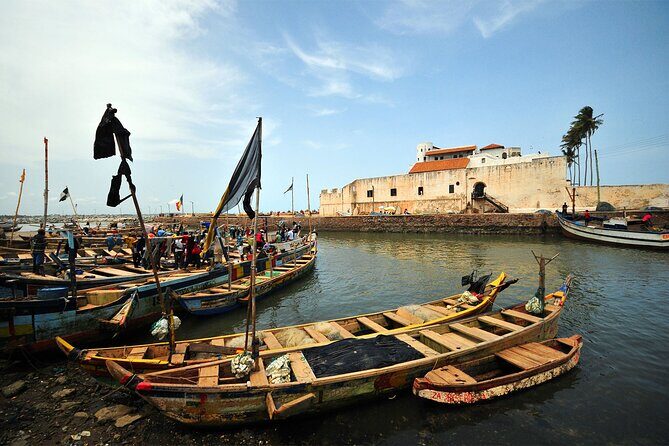
A big visual anchor here is the 30-meter-high lighthouse built by the British in 1871. Even if you do not go inside, it is the kind of landmark that helps you orient quickly. You also see colorful fishing boats along the beach, which gives you a lived-in sense of the coast rather than a theme-park version.
The forts nearby add another layer. Fort James began as a British trading post in 1673, and it later connected with other European forts, including the Dutch Fort Crêvecœur and the Danish Fort Christiansborg. That mix explains why coastal towns like this became such central nodes in regional trade long before independence.
Independence Square and Black Star Square: Ghana’s Modern Identity in Stone
After the walking and coastal sights, the tour moves into the political heart of modern Ghana. Lunch is at a local restaurant, Country Kitchen, which is a smart move because it gives you an easy first taste of West African and continental dishes without turning the day into a food-search scavenger hunt.
Then you get the monuments. Black Star Square is known for its independence symbolism, and the tour continues to Independence Square, where the enclosed flame of African liberation was lit by Kwame Nkrumah himself in 1961. This is one of those moments where you can stand back and see how much Ghana’s independence story is tied to place.
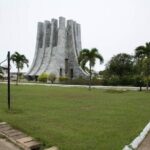
Next door, the Kwame Nkrumah Memorial Park adds context. You visit Ghana’s founder’s final resting place in landscaped gardens, and the adjoining museum holds photos and artifacts that show his life in a more personal way. The memorial center was designed by a Ghanaian architect and built using Italian marble—an unusual detail that helps you see how Ghana’s political history also connects to international materials and design choices.
National Cultural Center: Market Energy Without the Guesswork
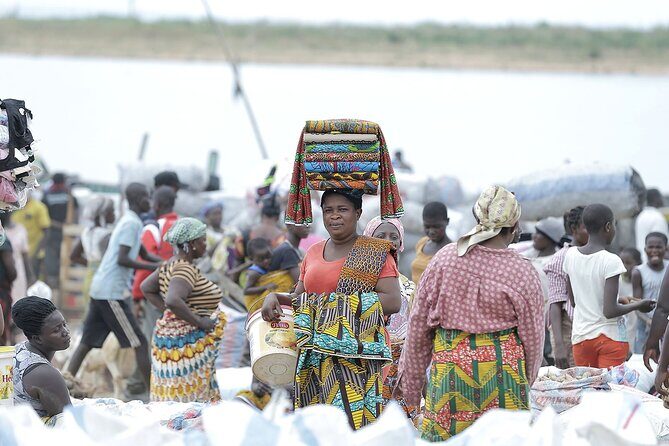
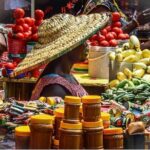
One of the best parts of this tour is that it does not treat culture as something you only observe from a distance. At the National Cultural Center, you spend time in Ghana’s largest outdoor arts and crafts market, where locals sell traditional crafts from across West Africa.
This stop is useful in a very practical way: it helps you learn what people actually sell day to day, not just what ends up as a souvenir. You will likely see items from across different traditions, which makes it easier to choose what feels meaningful rather than random.
Teshie Nungua Fantasy Coffins: Art, Belief, and a Hard-to-Forget Contrast
By the time the tour reaches Teshie Nungua, it is balancing somber themes with the kind of Ghanaian emotional honesty that makes the country memorable. The stop is the Fantasy Coffins area, known for coffins that reflect a person’s life—occupation, status, and personal meaning.
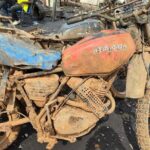
Funeral and burial in Ghana are described as solemn, but after burial there is also celebration. That contrast shows up in the art. The coffin designs can include cars, cocoa pods, cigarettes packets, airplanes, crocodiles, shoes, bottles of beer, and boats. You are seeing symbolism, not just novelty.
Two things I think you should keep in mind here. First, be respectful with photos and conversation—this is tied to real belief. Second, do not rush this stop. It is one of those places where you will get more from listening and looking slowly.
You can also read our reviews of more historical tours in Accra

Up Into the Hills: TK Beads and Aburi Botanical Gardens
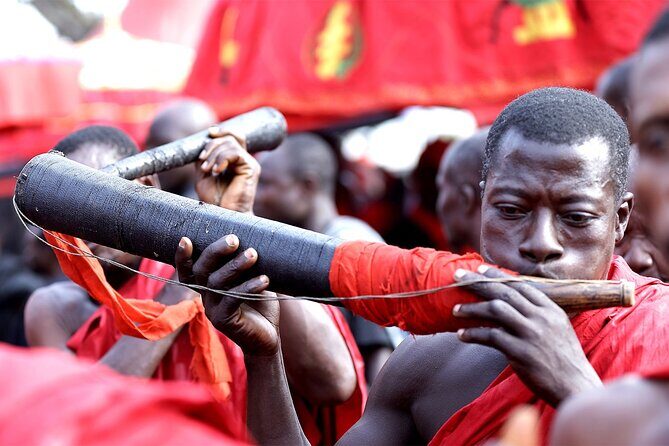
Day three has a travel-feeling shift. After breakfast, you head out of Accra toward the hills on the way to Kumasi, and you stop first at TK beads. This is not a quick photo stop. Your guides talk through traditional bead-making using ancient methods, and you get a clearer sense of why beads matter here.
In Ghana, beads are tied to wealth and beauty and can show up in durbars and festivals. Watching the process and then buying directly from the onsite shop gives you a better connection to the craft than buying something pre-made somewhere else.
Then you reach Aburi Botanical Gardens in the Akuapem hills. The gardens were founded by the British in 1890, and the setting helps you understand how people use plants both for beauty and for life. On a clear day, you get outstanding views across Accra and Tema, which is a great mental reset after city walking.
As you stroll, your guide identifies trees and plants, including medicinal uses that benefit locals. There is also a nearby Aburi craft village where you find a calmer atmosphere for traditional drums and sculptures. It is a good pause before the longer route to Kumasi.
Kumasi UNESCO Shrines: Asante Buildings and Adinkra Meaning
Kumasi is where the tour leans hard into Ashanti heritage, and it does it with real specificity. In the morning you visit UNESCO-recognized Asante buildings—the last remaining material remains of the great Asante Empire. The structures include 10 active shrines made from bamboo, timber, mud, and thatched roofs.
What makes this stop more than scenery is the symbolism. The walls feature motifs tied to traditional Adinkra symbols, and your visit includes learning what those symbols mean. That kind of guided interpretation is exactly what you want here, because Adinkra is not random decoration—it is a language of meanings.
You also hear about Nana Yaa Asantewaa, linked to this region as her birthplace. She is remembered as one of the most important women in Ashanti history and as a leader in the 1901 war against the British.
Kente at Adanwomase and Adinkra at Ntonso: Wearable Heritage
After the palace and shrine context, the tour goes hands-on with two iconic Ashanti textiles.
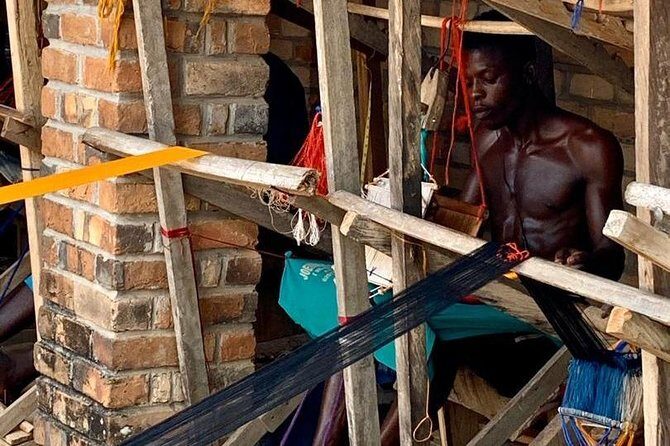
At Adanwomase, the stop is tied to kente cloth. You spend time walking through the community where kente weaving has been happening for generations. The tour focuses on how designs carry history and you get a sense of what is exclusive to the region. You also meet locals outside their homes as they keep weaving, which gives you a real sense of continuity instead of a museum-style display.
Then you move to Ntonso, where adinkra symbols originate. Here, the tour explains how adinkra symbols are carved from calabash shells and printed onto cloth using natural dyes made from the bark of local trees. The explanation matters because it shows the entire chain—material to symbol to cloth—rather than treating the final product as magic.
You even get to make your own strip of adinkra cloth using symbols with personal significance. That small craft moment is worth real attention. It turns what you saw earlier into something you carry home, both literally and mentally.
Sokoban Krofrom Brass Casting and the Kejetia Market Reality Check
The Kumasi portion also includes Sokoban Krofrom, a community where traditional brass casting has been a main source of income for generations. You see a demonstration of how brass work is made, and you can browse items like beads, jewelry, and statues. This is a useful contrast to the cloth focus earlier: it shows how Ashanti culture expresses itself through multiple art forms.
Then, as the tour shifts within Kumasi, you visit Kejetia Market. It is reported to be the largest outdoor market in West Africa, and the atmosphere is pure daily life. The market is a labyrinth of stalls close together, and the trade energy is so constant that some stall holders sleep there because business rarely stops.
This is also where your lunch happens at a local restaurant with local and continental dishes. It is a practical and smart break because you likely will have walked and looked for hours.
Manhyia Palace Museum: Ashanti Power Through Place
The Manhyia Palace Museum is a major history stop in Kumasi. You visit it as part of a city tour, and it is tied to the Asantehene, the Ashanti king. The palace museum gives you an informative look at Ashanti history and culture, with a focus on legacies that help explain how power was structured and remembered.
Afterward, you also visit the National Cultural Centre again in Kumasi, reinforcing the theme that crafts and culture are not separate from politics and identity. They connect.
Road Trip to Elmina: Gold Coast Roots and Assin Manso
Leaving Kumasi means road time, and this tour handles it with stops that keep the story moving rather than turning the day into pure transit.
On the way to Elmina, you visit Assin Manso, a town along enslaved African trade routes. The tour points to the Ndonkor Nsuo, called the Enslaved African River, which is a place name reminder that human movement during slavery wasn’t abstract—it happened along specific routes and at specific sites.
In Elmina, you get the coastal context for the name itself. Portuguese explorers named it Elmina because of gold found in the area, and the tour connects that to Ghana’s historic title as the Gold Coast before independence. It also notes that Ghana’s gold is high quality and that Ghana has been known as a major exporter of gold, which helps explain why trade and wealth drew outsiders here.
You arrive in early evening, check into your hotel, and have time to relax before the next day’s heavy historical and nature stops.
Kakum National Park Canopy Walk: Wildlife Feeling Without the Safari Stress
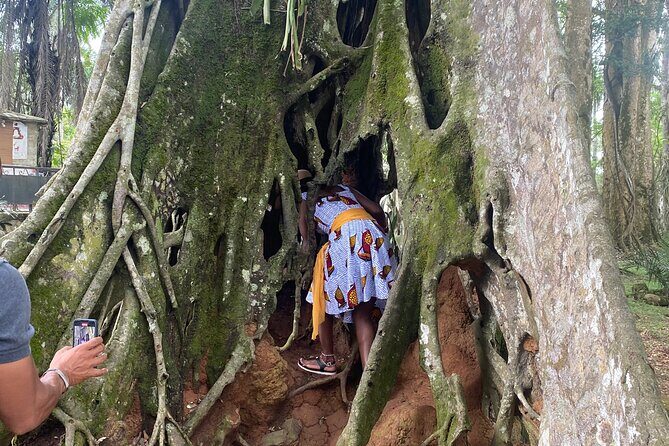
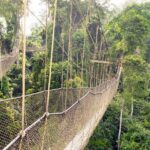
Day six is a standout because it changes mood. Kakum National Park is where you step into a rainforest scene, but the focus is very clear: the rainforest canopy walkway.
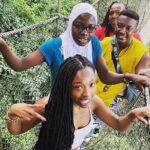
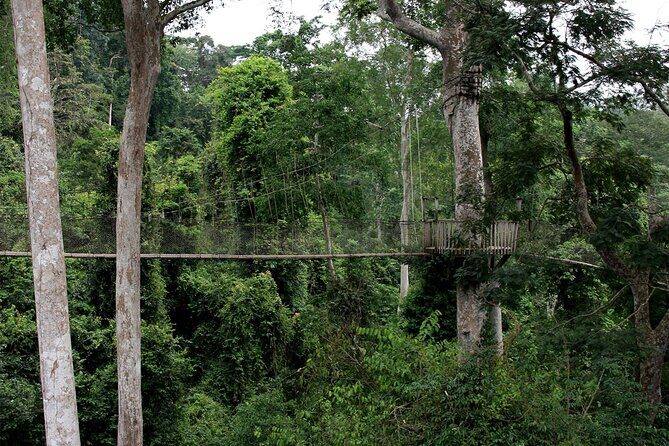
The walkway is suspended, about 40 meters above the rainforest floor, with seven bridges attached to seven emerging trees. The walking route gives you sweeping views across the rainforest, and it is framed as a key highlight. Even if you are not a hardcore nature person, this kind of viewpoint tends to work because it is visual and immediate.
Back at park headquarters, you visit the International Stingless Bee Centre and information hub. This is where the tour’s wildlife angle becomes educational in a different way. More than 40 mammal species have been recorded within Kakum, including forest elephants, leopards, and six primate species. The centre also teaches about stingless bees, and it mentions about nine species identified in Ghana and their ecosystem importance, including medicinal qualities.
This is a good pairing: birds and mammals get your attention, but bees and ecosystem connections help you understand why rainforest habitat matters.
Cape Coast Castle: The Door of No Return and a Needed Reality Check
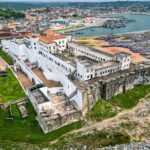
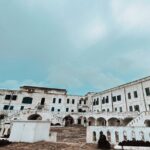
Cape Coast Castle is the emotional anchor on this whole route. The stop is UNESCO-designated, and the tour frames it as holding more enslaved Africans captive than any other in West Africa. Once you are inside, your time includes touring dungeons and seeing the infamous Door of no return.
This is one of those sites where a guided tour helps because you are not just reading dates—you are building a mental picture of what happened here and why it matters today. Your guide’s storytelling and the site’s museum setup are what turn the experience from sad to meaningful.
You also have time in the castle’s historical museum and a souvenir shop that sells literature focused on Ghana forts and castles, plus cultural history. That can be a practical way to take the story home without buying random objects.
Global Mamas Batik: Fair-Trade Craft That Feels Real
Right after Cape Coast Castle, the tour moves into art-making with Global Mamas. The batik workshop is a nice contrast—still meaningful, just lighter in tone.
You learn traditional batik making techniques, including wax heating and stamping. You get a piece of cloth to produce your own garment to take home. The tour also frames Global Mamas as empowering local women with fair-trade markets, which adds an important ethical layer: you are buying craft tied to income for people, not just a souvenir loop.
The tour also includes additional time for another batik experience element, where you work side by side with a local artisan to learn the techniques from wax heating to stamping and production. If you want a hands-on memory rather than a photo-only one, this is the stop to prioritize.
Elmina Fishing Market and Boat Builders: How the Coast Still Works
Later in Cape Coast and Elmina, you get a more everyday slice of life. The tour includes a visit to the local fishing market and a short walk to boat builders in Elmina.
A key detail: the fishing boats are traditional wooden boats. That matters because it shows continuity. Even as the centuries change, the coast still relies on the same kind of craft knowledge—woodworking skills plus practical design for working water.
Elmina Castle of St. George: UNESCO, 1482, and Local History
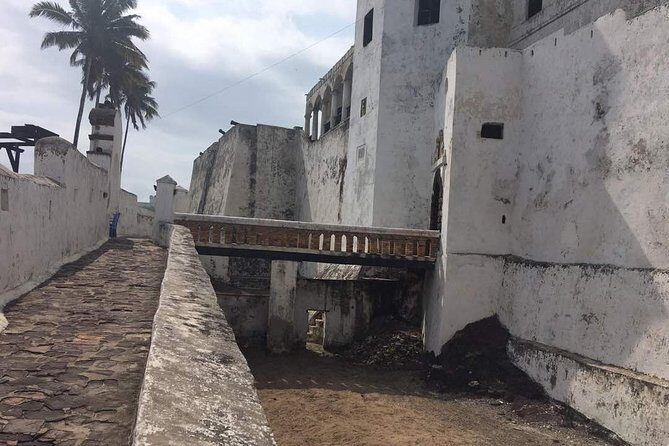
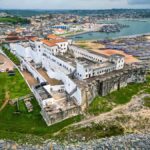
To finish the coastal story, you visit Elmina Castle of St. George. The tour calls it the oldest extant colonial building in sub-Saharan Africa, dating from 1482, and it is UNESCO-designated.
Inside, there is an informative museum that concentrates on local history, which balances some of the heavier transatlantic slavery themes you already saw at Cape Coast Castle. It helps you see that Elmina was not only a holding site, but also a living community with its own local record.
The final evening in the central region is flexible, so you can either rest at your accommodation or venture into town for nightlife for locals, if you feel like it.
Abandze and Fort Amsterdam: Gold Coast Calm and a Final Fort Stop
The last day is gentler by design. You relax in Abandze, with time for a swim, beach downtime, or just to enjoy your last morning by the sea. Before heading back to Accra, lunch happens overlooking the Gold Coast.
On the way back, you stop at Fort Amsterdam in Abandze. It is the first British fort built between 1631 and 1638 and later became a headquarters for English Gold Coast activities. The tour notes that in 1665 after a long and bloody battle, the Dutch captured the fort and that is where the name comes from.
Then it is back to Accra. If you have time, the tour may include Accra Mall, which is a practical way to see modern Ghana and pick up last-minute souvenirs. The day ends with a farewell dinner at a locally owned restaurant that serves local and international dishes, and then you transfer to the airport.
Price and logistics: Is $3,095 worth it?
At $3,095 per person for about 7 days, this is not a budget tour. But private tours cost money for a reason: time, transport, and guide attention.
Here’s what you are getting for that price based on what’s included:
- Accommodation plus meals: breakfast (6), lunch (6), dinner (7)
- Air-conditioned vehicle with an experienced driver and unlimited mineral water
- Fuel and unlimited mileage, which matters in a country with long drives between regions
- Expert local guide 24/7 plus airport transfers
- All excursion fees and site admissions listed as included on multiple major stops
- Insurance coverage and 24/7 office support
What’s not included is also clear: visa, international flights, and soft/alcoholic drinks.
If you like structure and want a guide to explain what you are seeing—especially at Cape Coast Castle and the Ashanti shrine sites—this price can feel fair because it covers the expensive parts of touring: transportation plus trained local interpretation.
Who this 7-day Ghana mix fits best
This tour is a good match if you want:
- Culture and craft with hands-on time (beads, kente, adinkra, brass casting, batik)
- History that is not only one theme (Ashanti heritage plus coastal slavery-era sites)
- Nature that is accessible (Kakum canopy walkway) and paired with education (stingless bees)
- A private format where the pace can stay consistent with your group
If you prefer purely wildlife-focused safari days, this is likely not your top choice. But if you want wildlife in a human-scale, guided way, Kakum plus the bee centre is a smart combo.
Should you book this tour?
I’d book this if you want a first big Ghana trip that actually connects the dots: Accra’s older coastal neighborhoods, Ashanti culture in Kumasi, and the central coast story tied to castles, plus a rainforest viewpoint at Kakum.
I would pause before booking if you dislike early starts or you dislike long car days. The tour’s strength is that it keeps moving—comfort matters, and the included air-conditioned vehicle helps—but you still spend time on the road.
FAQ
What is the price of this 7-day private Ghana tour?
It is priced at $3,095.00 per person.
What is included in the tour price?
The tour includes accommodation, an air-conditioned vehicle, an experienced driver, an expert local guide available 24/7, airport transfers, unlimited mineral water, fuel (unlimited mileage), all excursion fees, and breakfasts, lunches, and dinners as listed in the itinerary. It also includes insurance and 24/7 office support.
What meals are included?
Breakfast is included 6 times, lunch is included 6 times, and dinner is included 7 times.
What wildlife and nature stops are included?
Kakum National Park includes Africa’s rainforest canopy walkway, and the tour also visits the International Stingless Bee Centre, where you learn about stingless bees and the park’s recorded mammals.
Is this tour private?
Yes. It is a private tour/activity, and only your group participates.
What if plans change or the weather is poor?
You can cancel up to 3 days in advance for a full refund. The experience requires good weather, and if it is canceled due to poor weather you will be offered a different date or a full refund. It also depends on a minimum number of travelers; if that minimum is not met, you’ll be offered a different date/experience or a full refund.