REVIEW · ACCRA
Elmina & Cape Coast Castles Day Trip from Accra
Book on Viator →Operated by Pridor Plus Tours · Bookable on Viator
Slave castles hit hard.
This full-day trip from Accra puts the Transatlantic Slave Trade into clear, human context, with UNESCO-listed visits and a tight schedule that keeps things moving. I like the convenience of hotel pickup and drop-off plus the guided pacing that helps you follow what you’re seeing.
I also love that the experience is built to avoid the annoying add-ons. Entrance tickets for both castles are included, so you’re not hunting for cash at the gate while you’re already emotionally drained.
One consideration: it’s a long day starting at 6:00am, and lunch isn’t included, so plan ahead for food and hydration.
In This Review
- Key things I’d plan around
- Early 6am Accra Pickup: Getting There Without Losing the Day
- Elmina Castle: Male and Female Dungeons, Condemn Cells, and the Door of No Return
- Cape Coast Castle: Underground Dungeons and Why This English Fortress from 1665 Matters
- The Guide Factor: Personalized Attention You Can Feel
- Beyond the Captions: Resistance and West African Context
- Price and Logistics: Is $282 Good Value?
- What to Bring for a Full-Day Castle Tour in the Heat
- Should You Book the Elmina and Cape Coast Day Trip?
- FAQ
- What time does the tour start?
- How long is the day trip?
- Are admission tickets included for Elmina and Cape Coast Castles?
- Is lunch included?
- Does the tour include pickup and drop-off?
- Can I cancel for free?
Key things I’d plan around

- Two major UNESCO sites in one day: Elmina Castle first, then Cape Coast Castle
- Entrance fees included for both stops, so fewer surprise costs
- Private, small-group feel with personal guide attention throughout
- Heavy content with real specifics, like male and female dungeons and the Door of No Return
- Long ride + early start, which makes timing and snacks matter
Early 6am Accra Pickup: Getting There Without Losing the Day
You start early, around 6:00am, and that matters more than you’d think. By the time you reach Elmina and Cape Coast, the day has a rhythm: you get the guided focus while you’re still sharp, not fried from travel.
The ride itself is in an air-conditioned vehicle, which is a real quality-of-life upgrade in Ghana’s heat. You also get hassle-free, round-trip hotel transfer, so you’re not spending your morning arranging transport and losing time before the first castle.
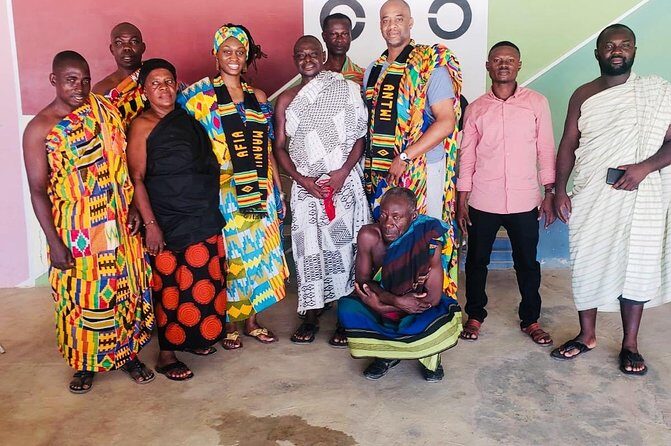
Depending on your guide, the trip out of Accra can feel less like a bus tour and more like a guided morning. In one account from a guide team, the group even played games on the way, which sounds small, but it helps you get loosened up before you face something extremely heavy.
One practical tip: since you’re leaving so early and lunch isn’t provided, you’ll want to eat something before pickup. Think simple and filling—bread, fruit, or a light breakfast—then bring a small snack for later. This isn’t about comfort; it helps you stay steady during long indoor walking and standing.
A few more Accra tours and experiences worth a look

Elmina Castle: Male and Female Dungeons, Condemn Cells, and the Door of No Return
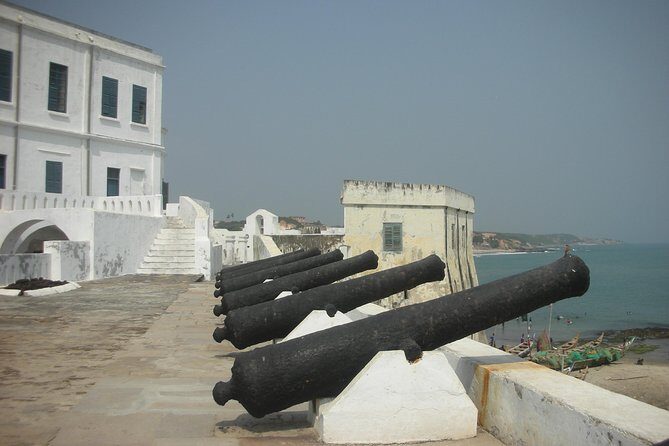
Elmina Castle is where the day turns serious fast. You’ll get a guided tour of this UNESCO World Heritage site, and the guide’s job is to translate the architecture into what it meant for people who were held here before the Atlantic crossing.
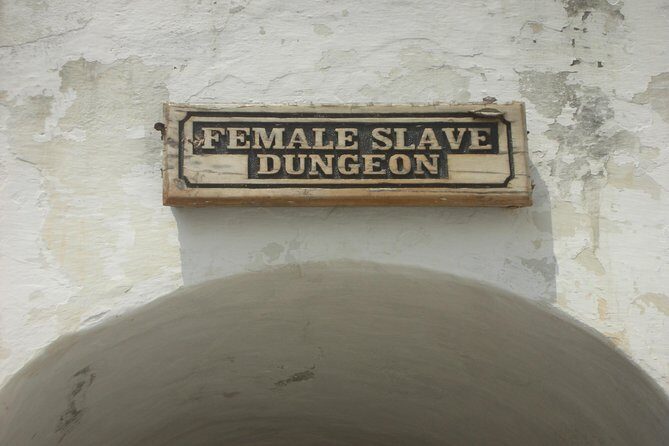
On the ground, you’ll see areas described in the tour plan like the male and female dungeons and condemn cells. These spaces are not just historical rooms; they’re part of the system that controlled bodies, movement, and punishment. The guide’s narration is key here—otherwise it’s easy to look at stone and miss the human scale of what happened.
You’ll also learn about the Door of No Return, a name that doesn’t need extra drama. Your guide should connect it to the last moments of captivity before shipment, which is exactly where this tour earns its weight. It gives you a sequence, not random facts.
Another thing I appreciate: the tour doesn’t sanitize the details. You’re told about inhumane punishments and about how enslaved Africans were confined in cells prior to being shipped. That includes stories related to resistance—people who fought while incarcerated—and accounts tied to people who resisted sexual violence while imprisoned.
A fair caution: Elmina can feel emotionally intense, and time can blur when you’re processing what you’re seeing. If your guide gives you a chance to slow down at key stops, take it. You’ll understand more by standing with the moment than by rushing to check boxes.
Cape Coast Castle: Underground Dungeons and Why This English Fortress from 1665 Matters
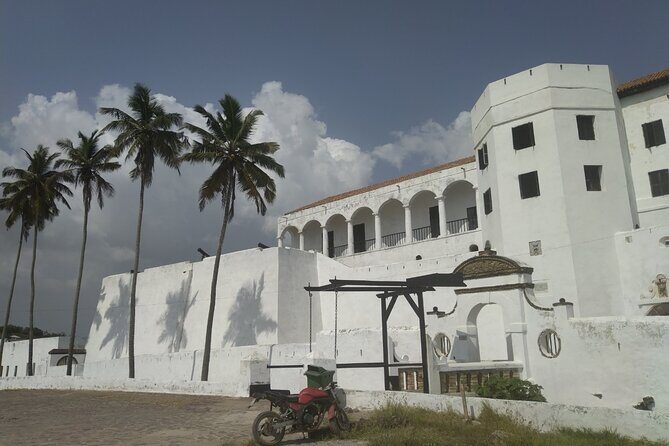
After Elmina, you head to Cape Coast Castle, where the tone becomes even more focused on the mechanics of enslavement. The tour includes a guided visit that highlights the underground dungeons, which are described as the most brutal of the slave castles.
Cape Coast is tied to English control from 1665, and that date helps you anchor what you’re looking at. But what really makes this stop hit is how the guide frames the castle as a working part of the Atlantic system, not just a dramatic building.
Cape Coast is also where you’ll get more of the shipping story. One strong piece of advice that’s worth listening to: don’t over-focus on Elmina and assume Cape Coast is just a second stop. You’ll likely want to spend meaningful time here, especially around the stories connected to confinement and the number of people taken out toward the boats. The male dungeon area is described as bigger, and the account linked to the scale of the shipment is a major part of why people rate this tour so highly.
You’ll likely hear context that ties the architecture to human experience—how people were held below ground, how control was enforced, and how resistance showed up in different forms. It’s not only about what happened during the crossing; it’s about what happened here first.
And yes, the castle has modern cultural visibility too. It was visited by the Obamas in 2009 and Melania Trump in 2018. That doesn’t change the history, but it does remind you that this site is recognized globally, and it helps explain why the storytelling is often delivered with such care.
The Guide Factor: Personalized Attention You Can Feel
This is a private tour, meaning it’s meant to be about your group, not a revolving-door schedule. You’re also provided with personal guide attention throughout, which is a big deal at places where the facts are heavy and the emotional tone is strong.
In the accounts you gave, guide names come up—Kojo and Prince. Kojo is described as setting up private tours of both castles and also taking the group to lunch, while Prince is mentioned as both driver and tour guide. Even when guide styles differ, the common thread is that you’re not left to wander and guess.
Why does this matter for you? Because the stories are specific: male and female dungeons, condemn cells, resistance, the Door of No Return, underground confinement. Without a guide, you’d read signage but miss the connective tissue that turns locations into meaning.
Also, the tour uses a mobile ticket, which helps cut down on friction when you arrive. You don’t want a tech moment to eat into the time you’ll spend inside.
If you’re the kind of person who likes to ask questions—about timeline, why certain spaces existed, or how West Africa fits beyond one tragic chapter—this format is built for that.
Beyond the Captions: Resistance and West African Context
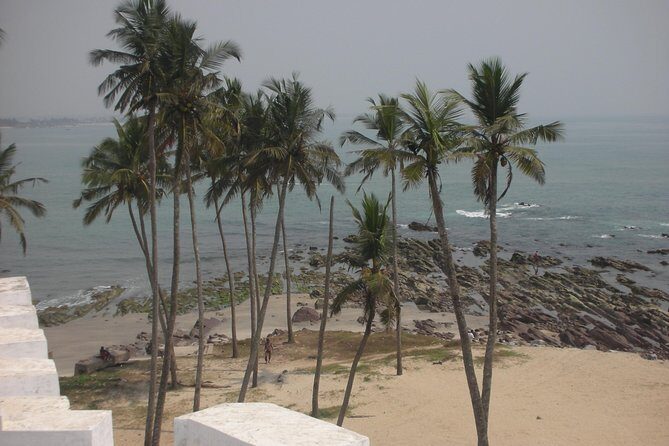
A good slavery-history tour does more than show you suffering. It explains the system, the reasons it functioned, and the ways people pushed back against it.
On this trip, the narration includes resistance and punishment. That’s important, because enslaved people were not just acted upon; many fought, endured, and resisted in whatever ways they could. You’ll hear this through the tour’s focus on confinement and what happened to people labeled recalcitrant, plus accounts connected to resistance and how cruelty was enforced.
You’ll also get reminders that Ghana and West Africa aren’t frozen in a single era. Even though the castles are about the Atlantic system, the framing on the day is meant to show that life, identity, and history existed beyond colonial enslavement. That kind of context is what keeps the day from turning into only one note.
And here’s a practical emotional note: this tour isn’t designed to be a light “sightseeing day.” Expect to feel something. If you can, give yourself a bit of buffer on return—something easy, not a packed dinner, because your mind will still be running the images you saw.






Price and Logistics: Is $282 Good Value?
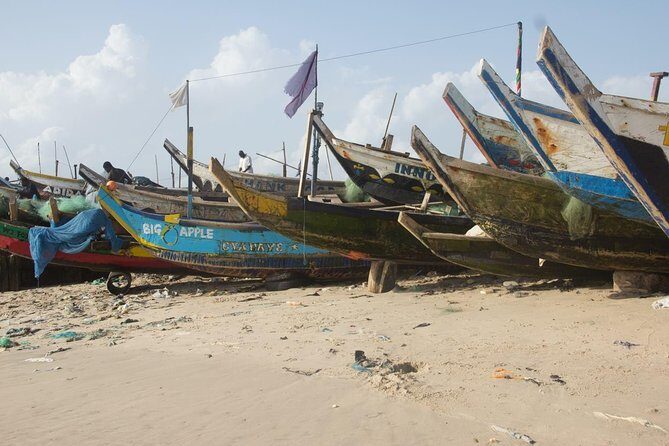
At $282.06 per person for an approximately 10-hour private day trip, the value comes down to what’s included and how much time you save.
You’re getting:
- Round-trip hotel transfer via an air-conditioned vehicle
- Fuel surcharge support (so you’re not hit with surprise transport fees)
- Museum entrance tickets included for both Elmina and Cape Coast
- A guided experience with personalized attention
Entrance fees matter here. If you tried to piece this together on your own, you’d likely spend time coordinating transport plus paying separate site fees, often with less clarity on timing. For many people, that lost time is the real cost.
The one clear non-included item is lunch. Since lunch isn’t provided, budget for food separately. This is not a deal-breaker, but it does affect your total day planning. If you’d rather not think too hard, choose a place near your return route or ask your guide what’s easiest.
In terms of “hidden costs,” the tour is structured to reduce them where you’d normally get blindsided: you know the admission tickets are included for both stops. That’s exactly what you want from a day trip built for long, intense sites.
What to Bring for a Full-Day Castle Tour in the Heat
Even with a comfortable vehicle, you’ll spend a lot of time moving through historic areas. The tour asks for moderate physical fitness, which usually means walking, standing, and navigating uneven spaces without expecting smooth surfaces.
So bring what you’d bring for any long Ghana day:
- Water bottle (and a small snack, since lunch isn’t included)
- Comfortable shoes with grip
- Light layers for indoor/outdoor temperature swings
- A hat or sunscreen if you’re sensitive to sun during transitions
Also consider your phone strategy. You’ll be inside places with less room to maneuver, and you’ll likely have moments where you want to pause and just listen. I’d keep photos as a tool, not a distraction.
Finally, plan for souvenir browsing if that’s your thing. One review notes there are items like books, art, and gift options such as jewelry. Even if you don’t buy anything, having a quick look after a heavy visit can feel like a gentler transition back to normal life.
Should You Book the Elmina and Cape Coast Day Trip?
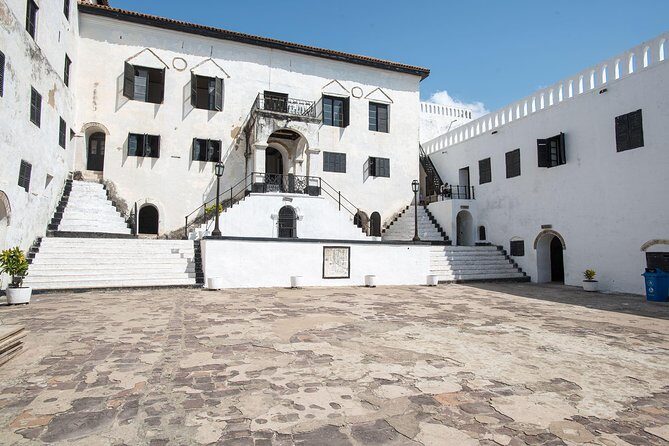
I’d recommend booking this trip if you want a structured day with two UNESCO slave castles, guided storytelling, and fewer logistics headaches from Accra. The private format and included entrance fees make it practical, especially for a full-day schedule that starts early.
I’d skip it or think twice if you’re not ready for emotionally heavy content or you prefer very flexible pacing with lots of solo time. The early start and the lack of included lunch are also worth noting up front.
If you’re visiting Ghana and you care about understanding the Transatlantic Slave Trade in context—not just standing in rooms—this is one of the most direct ways to do it in a single day.
FAQ
What time does the tour start?
The tour starts at 6:00am.
How long is the day trip?
It lasts about 10 hours.
Are admission tickets included for Elmina and Cape Coast Castles?
Yes. Admission tickets are included for both Elmina Castle and Cape Coast Castle.
Is lunch included?
No, lunch is not included.
Does the tour include pickup and drop-off?
Yes. There is round-trip hotel transfer included, and the tour starts from Accra with pickup offered.
Can I cancel for free?
Yes. You can cancel for a full refund if you cancel up to 24 hours in advance of the experience start time.