REVIEW · ACCRA
The Agbogbloshie (Accra E-waste and Recycling experience) Private Tour
Book on Viator →Operated by Ghana Must Go Tours · Bookable on Viator
Accra’s Agbogbloshie will rearrange how you think about trash. This private tour pairs an air-conditioned ride with a walking route through the world of e-waste recycling, where young workers turn discarded electronics into usable materials. I like the private, personalized feel, and I also like that you’re not just shown the mess—you get guided context for the whole chain from scrap handling to recovered parts. One real consideration: the subject matter is intense, and at $85 for about 2–3 hours, you’ll want to feel sure this is the kind of experience you want to spend your time on.
You can start anytime during the day, but the operator encourages morning tours before the sun peaks. With hotel pickup and drop-off, you’re spending your energy on the walk and the conversations, not on figuring out logistics on the spot.
In This Review
- Key highlights I’d anchor your expectations on
- Agbogbloshie: why this e-waste tour hits different
- How the 2–3 hour experience actually feels (drive, then walk)
- Scrap extrusion: seeing a first step in recovered material
- The recycling process: from discarded devices to useable parts
- Dumping and storage: the scale you can’t unsee
- The total market experience: where recovery and daily life overlap
- Guides and safety: how the tour keeps you oriented
- Price and logistics: is $85 good value for 2–3 hours?
- Who should book this e-waste tour in Accra, and who might skip it?
- Should you book the Agbogbloshie private tour with Ghana Must Go Tours?
- FAQ
- What is the location of the Agbogbloshie e-waste tour?
- How long is the tour?
- What time does the tour start?
- Is hotel pickup and drop-off included?
- What’s included in the price?
- Is food or lunch included?
- Is this a private tour?
- Do I need good weather?
- Is there free cancellation?
- Are service animals allowed?
Key highlights I’d anchor your expectations on

- Private group access: only your group joins, so questions and pacing can be more personal.
- Scrap extrusion stop: you’ll see an early step in turning electronics scrap into workable material.
- Full recycling chain in sight: you get the recycling process plus where material ends up in dumping/storage areas.
- Working-and-living reality: you won’t tour a fenced museum—you’ll see how daily life sits next to recovery work.
- Local guides you’ll remember: guides like Toufiq/Toufic and Aweisu are repeatedly mentioned for clear explanations and on-the-ground guidance.
- Transport + walking balance: you get driven to the site, then a focused walking stretch (about an hour or so on-site).
Agbogbloshie: why this e-waste tour hits different
Agbogbloshie isn’t a tidy “sustainability” story. It’s a real place where electronics keep arriving, and the work of sorting and recovery happens in the open. That contrast is what makes the tour stick with you: you can trace the path of your waste right into the lives of the people handling it.
What I appreciate most is the way the tour frames the experience. You’re not just watching labor—you’re learning how value gets pulled out of discarded devices, even when the setting is difficult. That’s why people describe it as eye-opening and humbling, not “fun” in the usual sightseeing sense.
The tone matters too. You’ll be guided by people who know the area well, and the pace feels deliberate. Several mentions highlight that the guides took their time, which helps you process what you’re seeing instead of rushing through it.
One more point: this isn’t only about waste. The tour context includes the fact that communities live alongside the recycling work, including religious sites mentioned in the experience. That makes the visit feel more human, and it also keeps the story from becoming purely technical.
You can also read our reviews of more private tours in Accra



How the 2–3 hour experience actually feels (drive, then walk)
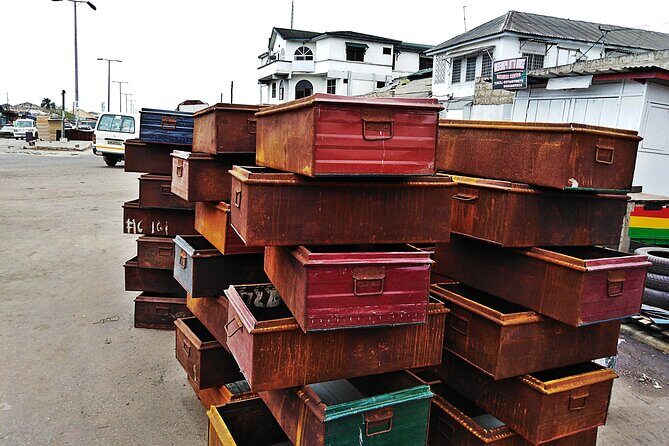
Plan for about 2–3 hours total. The rhythm is typically drive first, then a concentrated on-site walk. You’ll spend roughly an hour or so walking through Agbogbloshie, while the vehicle handles the getting-there part.
The tour is also described as flexible. You can start at any time of the day, and the operator encourages morning departures because the sun can be strong later. That advice matters because you’ll be outdoors for at least part of the time.
Private doesn’t mean long. This isn’t a half-day endurance hike. It’s more like a focused, guided route that gives you enough detail to understand the process without dragging you through every corner for hours. For me, that’s a big part of the value: you get clarity fast.
There’s also a practical benefit to the setup. You’re being picked up and dropped off from your hotel or residence, and you’re in an air-conditioned vehicle. That makes the visit easier on your energy, especially if you’re fitting it into a busy Accra schedule.
Scrap extrusion: seeing a first step in recovered material

One named stop is the scrap extrusion experience. Even without fancy language, that phrase tells you the tour will show hands-on transformation, not only pile-and-sort visuals.
Extrusion is a key idea in materials recovery: it helps shape raw material into something usable. On this kind of electronics recycling route, that can mean taking mixed scrap and pushing it toward forms that can be worked with again. The tour’s goal here is to help you understand how the process moves from discarded items to components that can serve a purpose.
What you’ll likely notice is that the work is practical, not theoretical. People aren’t waiting for perfect conditions—they’re making systems function with the materials they can access. That’s a major reason the tour lands as emotional for many visitors. It forces you to confront how “recycling” can mean real labor under real constraints.
I also like that extrusion is not the only piece you see. If you only saw this step, you might think recovery starts and ends here. The tour adds the surrounding steps, so you can connect extrusion to the broader recycling chain.
The recycling process: from discarded devices to useable parts
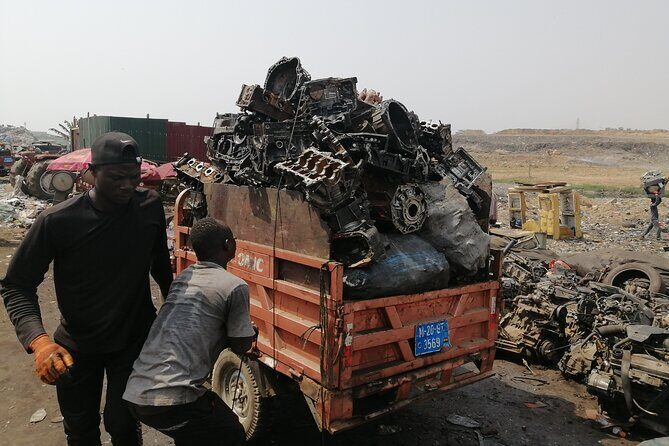
After the extrusion step, the tour focuses on the recycling process. In practical terms, this means you’re walking through the sequence of work that people use to break down electronics and separate what can be reused.
This is where the guide explanations matter. Several experiences mention guides giving detailed background information and taking time to explain what you’re looking at. That matters because e-waste isn’t one product category. It’s a mix of plastics, metals, wires, and components that behave differently in recovery.
You’ll also pick up the human element: the youth-led work and the idea that the area becomes a local livelihood engine. That’s part of the tour’s educational power. It shows that the global problem of e-waste disposal doesn’t just create environmental harm; it also creates economic pressure and opportunity for communities on the receiving end.
One of the strongest takeaways from the descriptions is how the tour helps you ask better questions. Instead of asking only what’s wrong, you start asking: how does value get recovered, how does waste get channeled, and what does that mean for the people living next to the work?
That shift in mindset is why the tour is repeatedly called important—because it changes how you understand the link between your personal electronics habits and what happens after they’re gone.
Dumping and storage: the scale you can’t unsee
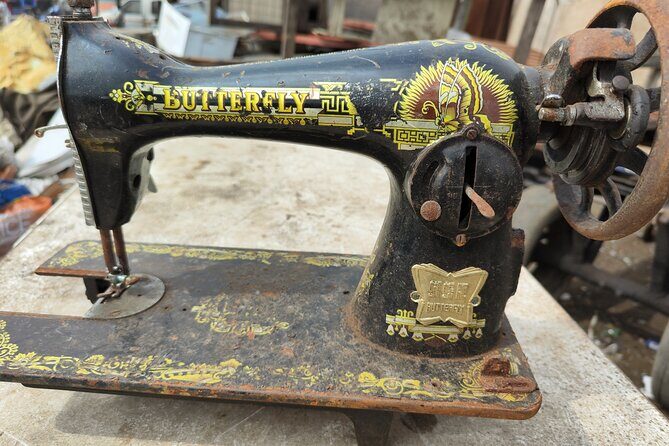
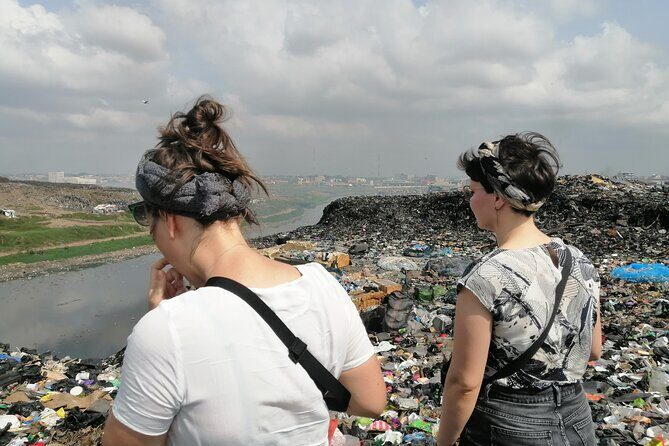
Next comes the dumping and storage site. This is the portion that makes people describe the experience as shocking, eye-opening, and deeply humbling. Even if you know e-waste is a global issue, seeing a major dumping and storage reality puts numbers to the idea.
This is also where you’ll understand that e-waste doesn’t get handled like standard trash. It’s stored, sorted, and reworked over time. The tour framing helps you see that the site is part of a working system, not just a pile.
I recommend you take a slow mental breath here. If you rush, you miss the logic of the chain. If you linger, you’ll catch how the place functions: material moves between handling, recovery steps, and eventual storage.
One more thing: you might see places of worship and signs of normal community life close to the recovery zones. That’s a detail people specifically mention, and it adds an uncomfortable but important nuance. It keeps the story from being purely about environmental damage; it’s about people adapting to a reality created by consumption far beyond Ghana.






The total market experience: where recovery and daily life overlap
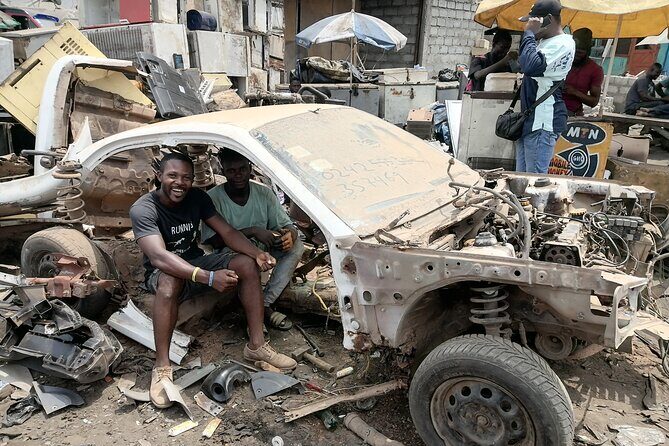
The route includes a total market experience. That’s your transition from the industrial edge back into the broader local context—where trade, buying, selling, and daily movement connect to the recovery work.
Markets are often where you learn the “how” behind the “why.” In this case, they help you see that recovered electronics material isn’t just processed and then forgotten. There’s a market logic to what gets pulled from scrap and how it cycles back into use.
This part of the tour also helps you understand the community setting. Because you’re not touring an empty site, you’re seeing the surrounding rhythms of life that exist alongside the recycling work.
If you want the experience to feel more grounded, this is usually where it clicks. You stop treating the site as a one-time spectacle and start understanding it as an economy and a neighborhood—both shaped by global waste flows.
Guides and safety: how the tour keeps you oriented

This kind of tour needs good guidance. The descriptions you provided repeatedly highlight guides who were hospitable, patient, and clear with explanations. Names like Toufiq/Toufic and Aweisu come up, and they’re praised for taking time and offering valuable background.
A key detail: you’re not only with the tour operator’s guide. You’re also accompanied on-site by a local guide who lives right next to the dump, mentioned as also known from Welcome to Sodom. That local presence can be a big part of why people report feeling safe and looked after.
That feeling matters, but you should still go into the day with sensible expectations. This is a working area tied to e-waste handling. It’s not a theme park, and it’s not designed for comfort. What helps is that the guides pace you, keep the group together, and explain what you’re seeing in context.
If you’re sensitive to uncomfortable scenes, consider bringing that mental readiness with you. You’ll be in the real world of e-waste recovery, including working and living areas. The experience can be emotionally heavy, even when the guides are kind.
Price and logistics: is $85 good value for 2–3 hours?
At $85 per person, you’re paying for a lot more than a ride. You’re getting:
- an air-conditioned vehicle
- hotel/residence pickup and drop-off
- all fees and taxes
- the private nature of the experience (your group only)
- guaranteed flexibility, plus the ability to start at various times during the day
So is it worth it? For me, the value depends on your goal. If you want a quick photo stop, this price won’t feel fair. If you want a guided education that connects electronics to real recovery work, the private setup can make the $85 easier to justify.
Also, the tour is short. That keeps it realistic within an Accra schedule. You’re not committing a full day, but you’re still getting multiple parts of the process: extrusion, recycling steps, dumping/storage, and the market context.
A final money-related thought: e-waste is a niche topic, and access to working areas can be harder than typical museum visits. You’re paying partly for the local expertise and the safe, guided route through a sensitive environment.
Who should book this e-waste tour in Accra, and who might skip it?
You should book if you:
- want a serious, educational experience about where e-waste ends up
- like tours where guides explain both the human and environmental sides
- are the type of traveler who asks questions and enjoys clear context over quick sightseeing
- appreciate private pacing, so you can ask follow-ups and move at a thoughtful speed
This tour may not be the best match if:
- you only want light, scenic sightseeing
- you’re not ready for a humbling look at waste management realities
- you’re looking for a longer deep visit (this one is about 2–3 hours)
Based on what’s described, many people find it one of the most important tours they’ve taken in Accra. That intensity can be exactly what you’re craving—or exactly what you don’t want. Pick based on the kind of day you want your trip to deliver.
If you’re worried about the physical part, remember it’s a combination of driving and a walking segment around the area. Most travelers can participate, and service animals are allowed.
Should you book the Agbogbloshie private tour with Ghana Must Go Tours?
I think you’ll be happy booking this tour if you want more than “sights.” This is about understanding a global problem at street level, with a guide who can translate what you’re seeing into a clearer picture.
I’d also say it’s a strong choice for first-timers to Accra who want to go beyond the usual neighborhoods. The private format, air-conditioned pickup, and short duration make it easier to fit into a tight itinerary.
But don’t book it as a casual add-on. Decide because the topic matters to you, not because it sounds unusual. If you’re ready for an intense, guided reality check on e-waste, you’ll likely leave with new questions and a stronger sense of responsibility.
FAQ
What is the location of the Agbogbloshie e-waste tour?
It takes place in Accra, Ghana, focusing on the Agbogbloshie community tied to e-waste dumping and recycling.
How long is the tour?
The experience lasts about 2 to 3 hours.
What time does the tour start?
The listed start time is 8:00 am, but the tour is described as flexible and can start any time of the day, with encouragement for morning tours before the sun peaks.
Is hotel pickup and drop-off included?
Yes. Hotel/residence pickup and drop-off are included.
What’s included in the price?
Included features are an air-conditioned vehicle, all fees and taxes, hotel/residence pickup and drop-off, and guaranteed flexibility.
Is food or lunch included?
No. Food and drinks are not included, and lunch is not included.
Is this a private tour?
Yes. It is private, and only your group participates.
Do I need good weather?
Yes. The experience requires good weather. If it’s canceled due to poor weather, you’ll be offered a different date or a full refund.
Is there free cancellation?
Yes. You can cancel up to 24 hours in advance for a full refund.
Are service animals allowed?
Yes, service animals are allowed.