Accra history and markets in one loop. This Accra overview tour is a practical way to get your bearings, with Independence Square and the National Museum grounding the day in Ghana’s story.
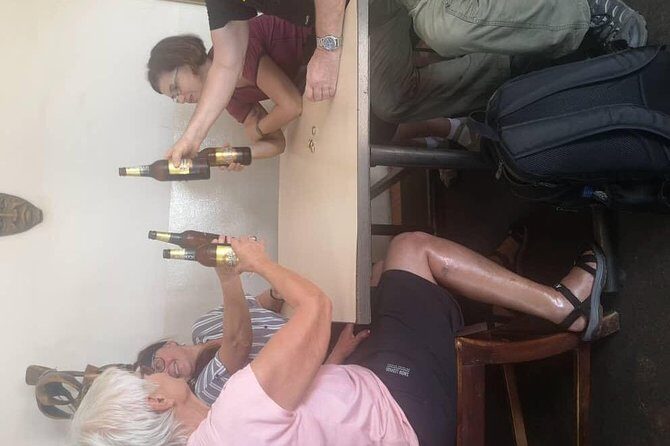
I especially like that key stops come with admission included, and you’re also covered for snacks, bottled water, and soda—small perks that keep the pace comfortable. One drawback to keep in mind: there’s at least one past report about not being picked up, so I’d confirm your pickup details right after booking and double-check the meeting point on the morning.
In This Review
- Key highlights worth your attention
- What you’re really signing up for in Accra
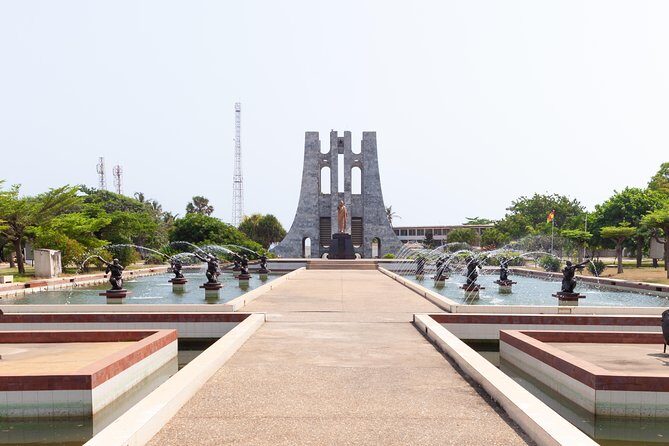
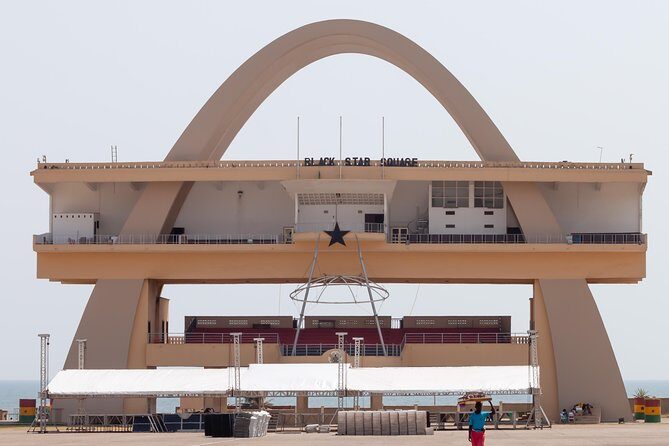
- Independence Square: start with the big national moment
- Mokola Market: shop and people-watch the real commercial city
- Center for National Culture: a craft-stop that works for gifts
- National Museum of Ghana: where the details tell the story
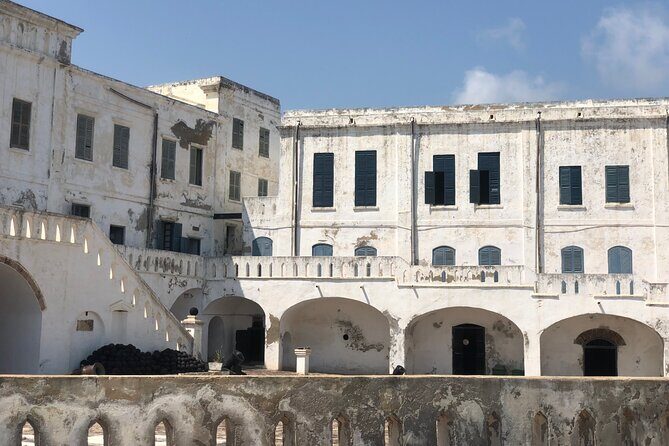
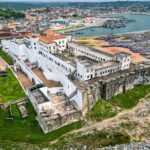
- Jamestown drive-through: forts, fishing village, prison, lighthouse
- Price and what $80 really covers
- Timing and logistics that keep the day comfortable
- Who this tour fits best (and who might want something else)
- Should you book Explore Accra?
- FAQ
- Where is the tour meeting point, and does it end nearby?
- What time does the tour start?
- How long should I plan for this experience?
- Is this tour private?
- What’s included in the $80 per person price?
- Are meals like lunch included?
- What is the cancellation policy?
Key highlights worth your attention
- Independence Square gives you a clear starting point for Ghana’s independence story in about an hour.
- Mokola Market is where you see the city at work, shopping, trading, and everyday style in one visit.
- Center for National Culture is a focused stop for sculptures, fabric, jewelry, and clothing from multiple stalls.
- National Museum of Ghana brings together artifacts tied to chiefs, archaeology, iron technology, gold weights, and more.
- Jamestown drive-through adds a quick sense of place with forts, a fishing village, a prison, and a lighthouse.
What you’re really signing up for in Accra
This is a short, guided loop meant for first-time Accra planning. You get a mix of landmarks, culture and crafts, and one big “see how life works” market stop—without needing to figure out transport between places.
The tour runs about 4 to 6 hours, starting at 9:00 am, and it’s set up as a private tour (only your group). That matters because it usually means fewer wait times and more flexibility if your questions pop up while you’re walking or looking around.
Also: it’s billed with a mobile ticket, and pickup is offered. You’ll end back at the AfrikikoLiberation Rd, Accra meeting point, which makes the day feel simpler than a set of separate tickets and self-guided stops.
You can also read our reviews of more tours and experiences in Accra.

Independence Square: start with the big national moment

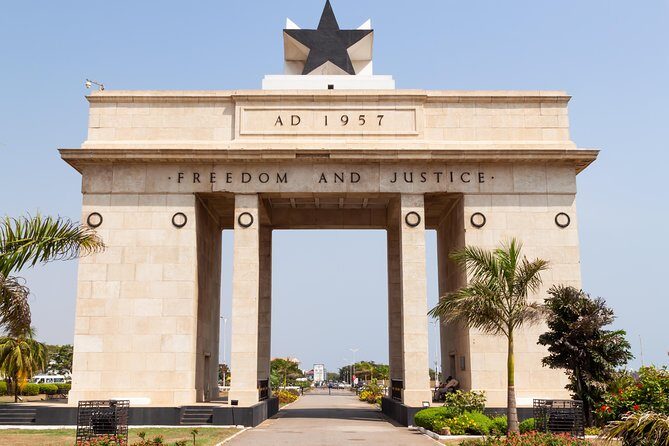
You’ll spend about one hour at Independence Square, and the point here isn’t just photos. It’s a focused introduction to Ghana’s independence story—exactly the kind of context that makes the rest of Accra click later.
If you’re the type who likes to understand what you’re seeing before you move on, this stop is doing real work. Later, when you’re in neighborhoods and cultural spaces, you’ll notice more connections between national identity, symbols, and the everyday pride you see in conversations, clothing, and public life.
A practical tip: give yourself enough time to read what’s there and ask questions. Independence Square is short on your calendar, but it’s big on meaning. If you rush it, you’ll miss the payoff.
Mokola Market: shop and people-watch the real commercial city
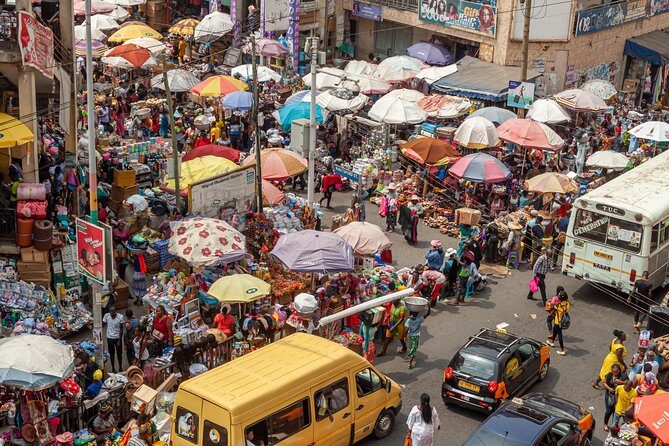
Next up is Mokola Market, described as one of the busiest, biggest, and colorful open markets in West Africa. It’s also busy Monday to Saturday, which is useful if you’re matching your schedule to market days.
Why I like this stop: it’s not framed as a museum. It’s the commercial heartbeat of Accra. You can move through different sections and see the range of what’s traded—imported clothing, local textiles, farm products, and beads, among other items.
What this adds to your day
- You get a feel for how locals shop and compare goods.
- You see everyday materials and styles that you won’t get from a quick photo stop.
- It’s a chance to buy something small if you want a tangible souvenir that isn’t just mass-produced.
A consideration: markets are energetic, and you’ll likely be walking and looking for a while. Wear comfortable shoes and keep your day bag light. If you plan to buy, keep an eye on what feels manageable to carry for the rest of the tour.
Center for National Culture: a craft-stop that works for gifts
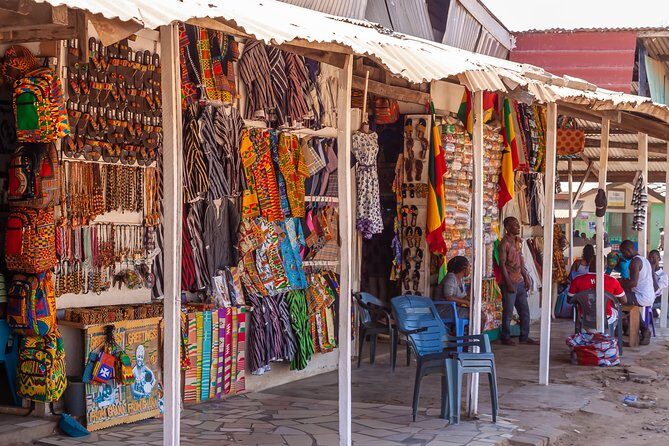
The Center for National Culture is a shorter, more intentional stop—about 45 minutes—with admission free. It’s set up around stalls where you can walk through and browse sculptures, fabric, jewelry, and clothes.
I like this stop because it’s built for choice. Instead of you being herded through one display, you can linger at what catches your eye, then move on. If you want to pick up gifts, this is the type of place where your purchase actually comes with story potential—materials, styles, and local design choices are right there in front of you.
Keep your expectations realistic: 45 minutes is enough for browsing, not for deep comparison. If you see something you love, grab it (or make a plan to return) rather than assuming you’ll revisit later.
National Museum of Ghana: where the details tell the story
The National Museum of Ghana is the kind of stop that rewards slower attention. You’ll spend about one hour, and admission is included.
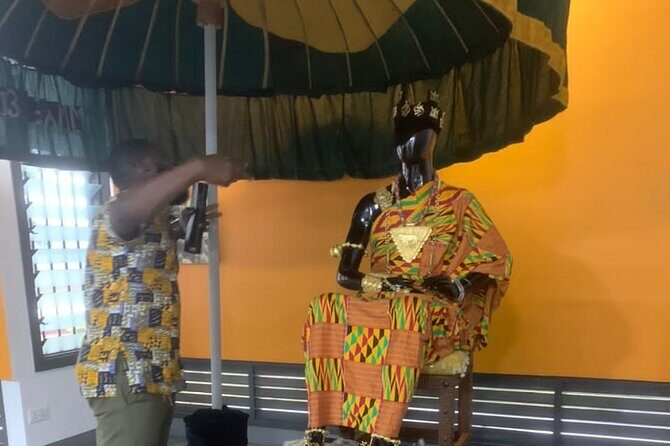
This museum’s permanent exhibition pulls together artifacts that help explain Ghana’s collective story across time and regions. You may see items connected to chiefs’ regalia, archaeological artifacts, and models of indigenous Ghanaian architecture. There are also things tied to ethnomedicine or traditional medicines, indigenous iron technology, gold weights, and jewelry boxes.
The museum also covers everyday and cultural objects you can connect to life: stools, beads, pottery, old currencies, and even displays that include the chair of state, presidential gifts, and cars. There’s a rites of passage angle too, plus a children’s corner with hands-on activities.
Why this stop is valuable on a first visit
If you only do monuments and markets, you get Accra’s energy, but you miss the “why.” The museum turns the volume down just enough for you to understand the themes behind what you’ll notice outside—culture, technology, status, and continuity.
A practical heads-up: museums can be mentally tiring, even on a short timeline. If you’re prone to museum fatigue, pick two or three sections to focus on, then let the rest be a quick scan. You’ll get more out of it than trying to read everything.


Jamestown drive-through: forts, fishing village, prison, lighthouse
After the museum, the tour shifts into a drive-through of Jamestown. This is a short but meaningful add-on because it gives you an on-the-ground sense of place.
You’ll see a mix of landmarks and neighborhood markers, including forts, a fishing village, a prison, and a lighthouse. Even from a car window, that combination paints a quick picture: trade, defense, work, and the coast all in the same area.
What I recommend: use this part as orientation. Ask the guide to point out what you’re seeing as you pass it. This is less about stopping and more about forming a mental map. Later, if you decide to return for a longer explore, you’ll know where to focus.
Price and what $80 really covers
At $80 per person, this tour is priced for a short, guided circuit with a few cost-reducing perks. Here’s what you get that you’d otherwise piece together yourself:
- Pickup offered and a return to the meeting point
- All fees and taxes
- Snacks, bottled water, and soda
- Admission included for Independence Square and the National Museum of Ghana
- Mobile ticket
The biggest value is the “friction cost” you avoid. Admission tickets and guided context are handled for you, and the snack-and-drink coverage means you’re less likely to scramble mid-day.
What’s not included is important: lunch, breakfast, dinner, etc. So I’d plan for at least one meal you’ll buy or arrange on your own. If you show up hungry, the tour’s good but you’ll feel it. If you plan a simple meal before or after, it feels smoother.
Timing and logistics that keep the day comfortable
The day starts at 9:00 am and runs about 4 to 6 hours. That timeframe is long enough to feel complete, but short enough that it won’t eat your whole day.
You’ll also be in motion across several stops, including a market. I’d plan the rest of your day as lighter: this is a great “first half of Accra” type tour, not the one to pair with another packed activity.
Meeting point is AfrikikoLiberation Rd, Accra, and the tour ends back there. If you’re coming in on public transportation, the tour says it’s near public transportation, which is helpful.
And since pickup is part of the deal: make it easy on day-of communication. When you confirm, double-check you have the right pickup location and timing so you’re not stuck waiting.
Who this tour fits best (and who might want something else)
This experience fits you if:
- You want an Accra overview without jumping between far-apart areas on your own
- You like a blend of landmarks, museums, and shopping
- You want included admission at key cultural stops
- You’re traveling as a small group and prefer a private format
It may be less ideal if:
- You want a long, wandering market day with lots of time to bargain and compare
- You need frequent rest stops (the market and museum time are fairly steady, and the tour runs 4 to 6 hours)
Most people can participate, and the format is set as a private experience for only your group, which can be a nice fit for couples and small friend groups who want their questions answered as you go.
Should you book Explore Accra?
If you’re trying to get oriented quickly in Accra, Ghana, I think this one is worth considering—especially because admission tickets and snacks are built in, and the stops cover a smart mix: independence context, local commerce at Mokola Market, craft browsing at the Center for National Culture, and Ghana’s story at the National Museum of Ghana, plus a Jamestown drive-through snapshot.
My only “pause and plan” advice is the pickup risk. One past issue involved not being picked up, so take five minutes after booking to confirm pickup details and show up at the meeting point on time. If everything lines up, the high overall rating and strong recommendation rate suggest most people find it a solid way to start exploring the city.
If you want, tell me your travel dates and what you care about most—history, shopping, or neighborhoods—and I’ll help you decide if this timing and mix is the best match for your Accra day.
FAQ
Where is the tour meeting point, and does it end nearby?
The tour starts at AfrikikoLiberation Rd, Accra, Ghana. It ends back at the same meeting point.
What time does the tour start?
The start time is 9:00 am.
How long should I plan for this experience?
Plan for about 4 to 6 hours.
Is this tour private?
Yes. It’s a private tour/activity, so only your group participates.
What’s included in the $80 per person price?
The price includes all fees and taxes, pickup offered, snacks, bottled water, and soda drinks. Admission tickets are included for Independence Square and the National Museum of Ghana.
Are meals like lunch included?
No. Lunch and other meals (breakfast, dinner, etc.) are not included.
What is the cancellation policy?
You can cancel for free up to 24 hours in advance for a full refund. If you cancel within 24 hours of the experience start time, the amount paid is not refunded.