REVIEW · ACCRA
Accra: City Highlights Half-day Guided Tour with Transfers
Book on GetYourGuide →Operated by ProTour Africa · Bookable on GetYourGuide
Five hours, four names that shaped Africa. This half-day Accra tour threads the ideas of W.E.B. Dubois and Kwame Nkrumah through the places where they lived, studied, and left their marks, ending at Black Star Square.
I love how the stops connect Pan-Africanism to Ghana’s independence story, not just through dates, but through what you see on-site. I also like the practical value: hotel pickup, transfers, entrance fees, and guide support are included, so you spend your time looking—not negotiating logistics.
The one possible drawback is the arts and craft market can tilt toward selling. If you want to browse quietly, you’ll want to set expectations early with your guide.
In This Review
- Key things to know before you go
- Your 5-hour Accra plan: what you’re really doing
- Pickup and timing: the difference between a smooth half-day and a drag
- W.E.B. Dubois Centre: where Pan-Africanism becomes personal
- Kwame Nkrumah Museum and Memorial Park: independence, explained by the site itself
- Arts and Craft Market: a shopping stop with real cultural texture
- Black Star Square: the symbolic center of Ghana
- Price and value: what $100 buys in a half day
- How to get the most out of your guide (and avoid the weak version)
- Who this tour suits best
- Should you book the Accra Highlights Half-Day Tour?
- FAQ
- How long is the Accra City Highlights tour?
- What are the main stops on the itinerary?
- Is there a live guide, and what language is it in?
- Does the price include entrance fees?
- Does the tour include hotel pickup and drop-off?
- Are meals included in the tour price?
- What does the tour cost?
- Is transportation included?
- Is the tour wheelchair accessible?
- Is free cancellation available?
- Is reserve & pay later available?
Key things to know before you go
- WEB Dubois Centre for Pan-Africanism in context: library, museum, mausoleum, and a research centre tied to his life in Accra
- Kwame Nkrumah Museum and Memorial Park: his final resting place and the spot tied to Ghana’s independence declaration
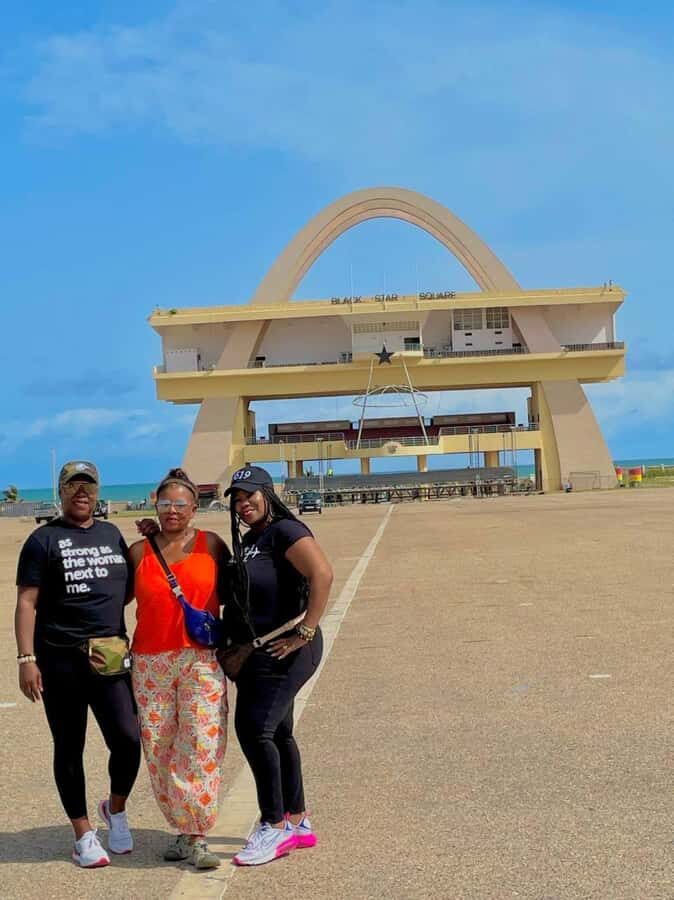
- Black Star Square is huge on purpose: designed for national unity, with iconic features like the Independence Arc and Flame of Liberation
- Arts and Craft Market is a real shopping zone: stalls for kente cloths, beads, carvings, and more, with multiple sellers offering similar items
- Guide quality changes the experience: one guide named Gian was praised for being friendly and prepared, while another experience leaned light on extra explanation
Your 5-hour Accra plan: what you’re really doing
This is not a “see everything in town” day. It’s a tight, story-first highlights tour aimed at giving you a working sense of Ghana’s independence era and Africa’s liberation movements. In just about five hours, you’re moved between four major landmarks that connect leadership, ideology, and national symbolism.
That format matters. If you’ve only got a half-day in Accra, this structure helps you avoid the most common mistake: wandering around impressive places without learning what you’re actually looking at.
You’ll start with hotel pickup and drop-off, then move by vehicle between sites with transportation plus fuel charge handled. Entrance fees and the guide’s time are covered too. In other words, the tour is built to reduce friction.
You can also read our reviews of more guided tours in Accra



Pickup and timing: the difference between a smooth half-day and a drag
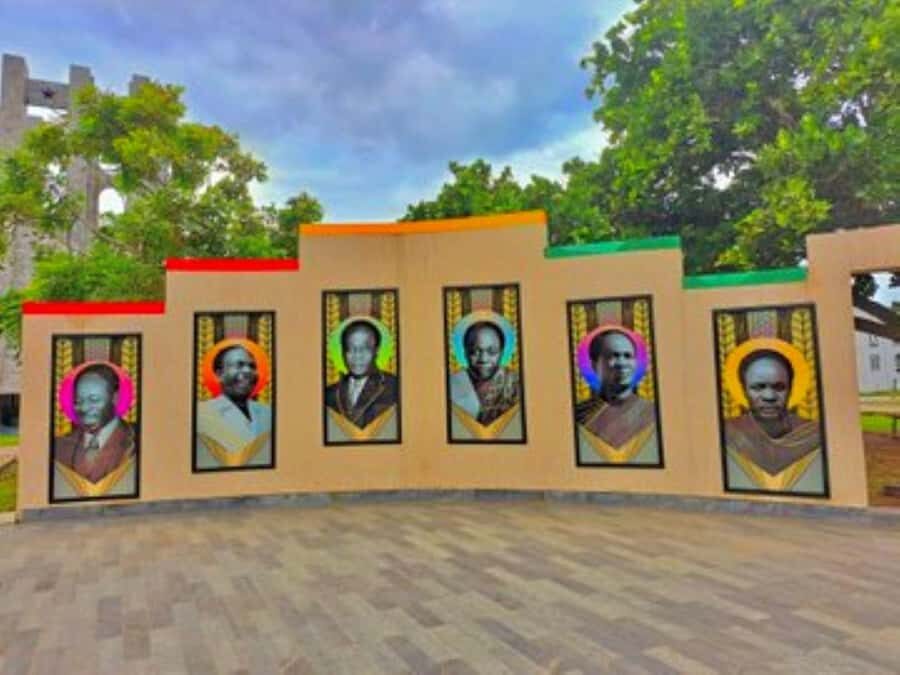
A half-day only feels short when everything runs on schedule. Here, the tour is designed around a steady sequence of stops: museum work, a cultural shopping area, then a public monument space.
One detail I’d keep in mind: guides can arrive slightly late, and that can slightly compress the pace. In one recent experience, the guide (Gian) was a little behind schedule, but the impression was that he stayed on top of the day afterward.
What you can do to keep the day feeling easy:
- Keep your morning or afternoon window flexible enough that a few minutes won’t throw you off.
- If you have questions, ask early. In a couple of experiences, the depth of information varied depending on how engaged the guide was beyond answering questions.
W.E.B. Dubois Centre: where Pan-Africanism becomes personal
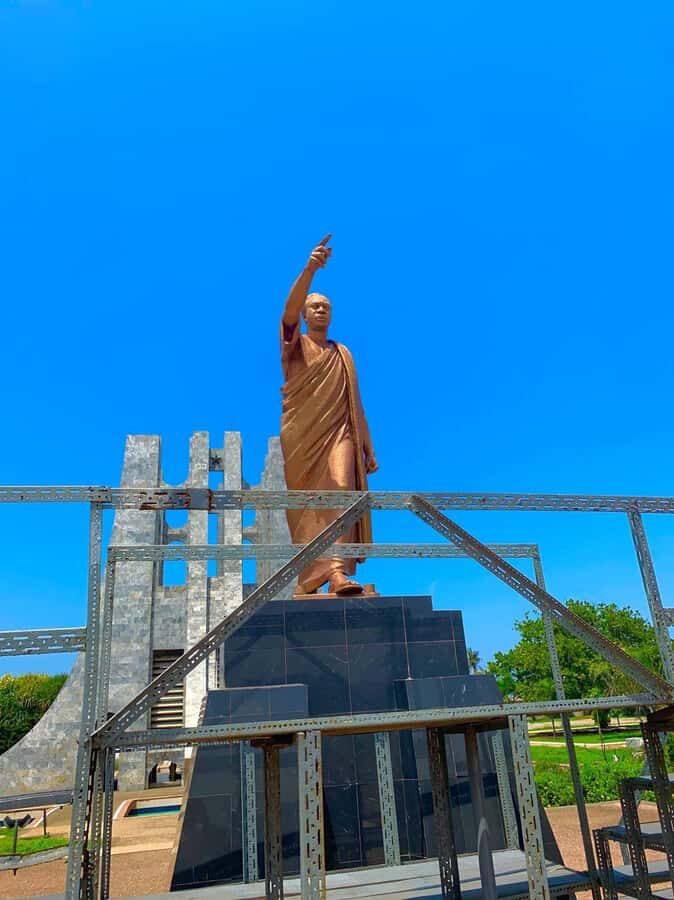
Your first major education stop is the W.E.B. Dubois Centre, named after William Edward Burgardt Dubois, an African civil rights activist often described as the father of Pan-Africanism. This isn’t just a plaque-and-photo stop. The centre focuses on the people and the work behind the movement.
Here’s what the centre includes:
- A personal library
- A museum
- A mausoleum where W.E.B. Dubois and his wife were buried
- A research centre for Pan-African history and culture
This combination is the key. Museums can be distant. A mausoleum makes it harder to treat the story like history-only. You’re seeing a life and legacy anchored in a specific place, not only reading about it afterward.
If you like learning in a concrete way, this is one of the best stops on the tour. You can usually spend longer here than you expect, especially if you take time with the research side of the displays.
Kwame Nkrumah Museum and Memorial Park: independence, explained by the site itself
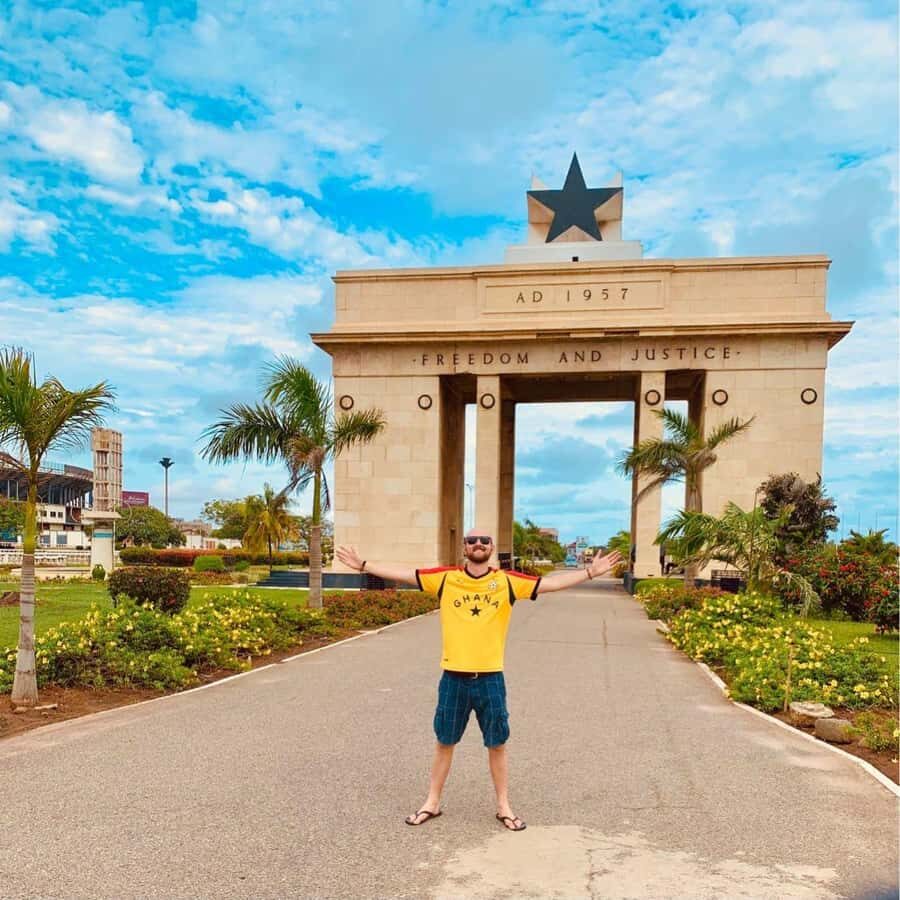
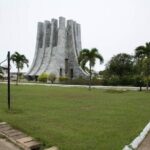
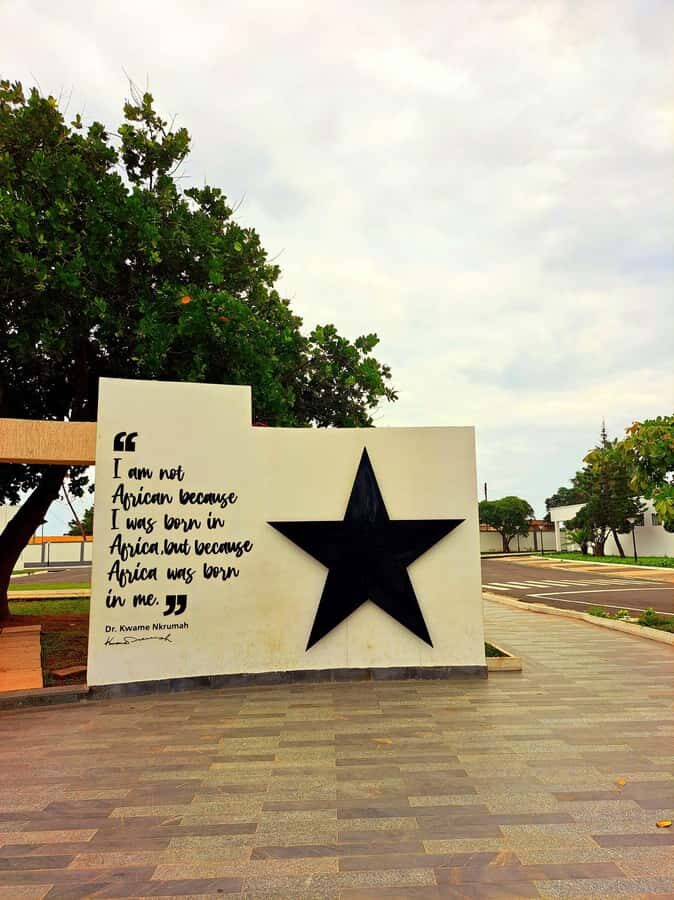
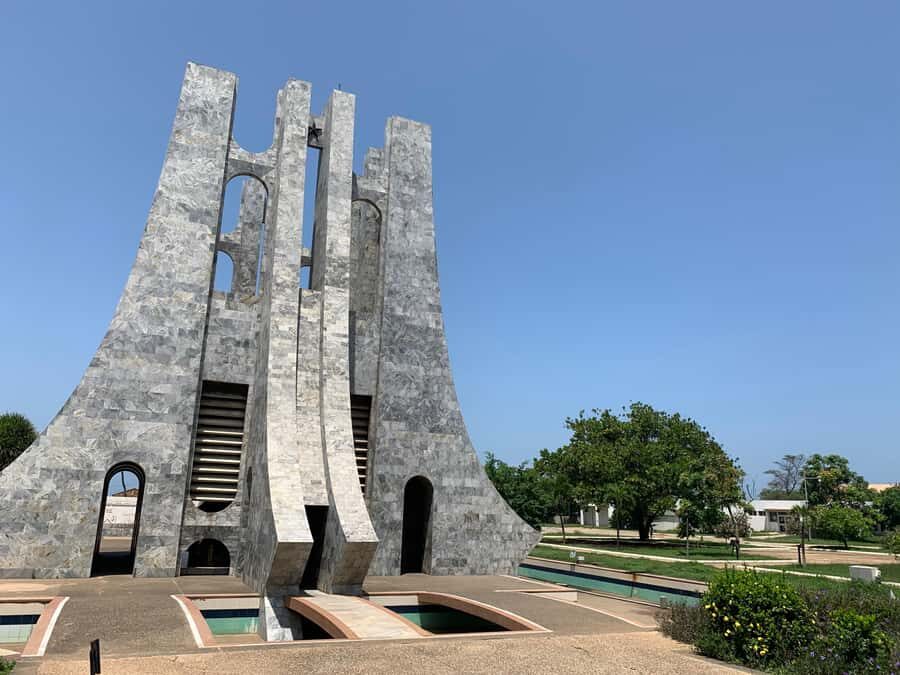
Next comes the Kwame Nkrumah Museum/Memorial Park, the final resting place of Ghana’s first president and a central figure in liberating the Gold Coast from colonial rule. The tour connection is straightforward: you’re stepping into the physical story of independence.
What you can expect to find:
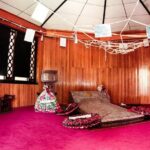
- Kwame Nkrumah’s personal effects and publications across stages of his life
- Pictures showing his life history with famous personalities around the world
- The premise/spot where Kwame Nkrumah stood to declare Ghana independent
That last detail is what makes this stop more than a normal museum visit. Independence isn’t abstract here. You’re guided to the location tied to the declaration itself, so you can connect the museum content to a sense of place.
I also like that the tour doesn’t try to cover every chapter of Ghana’s political history. Instead, it focuses on the leaders and their roles, which is exactly what you want in a half-day.
Arts and Craft Market: a shopping stop with real cultural texture
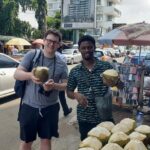
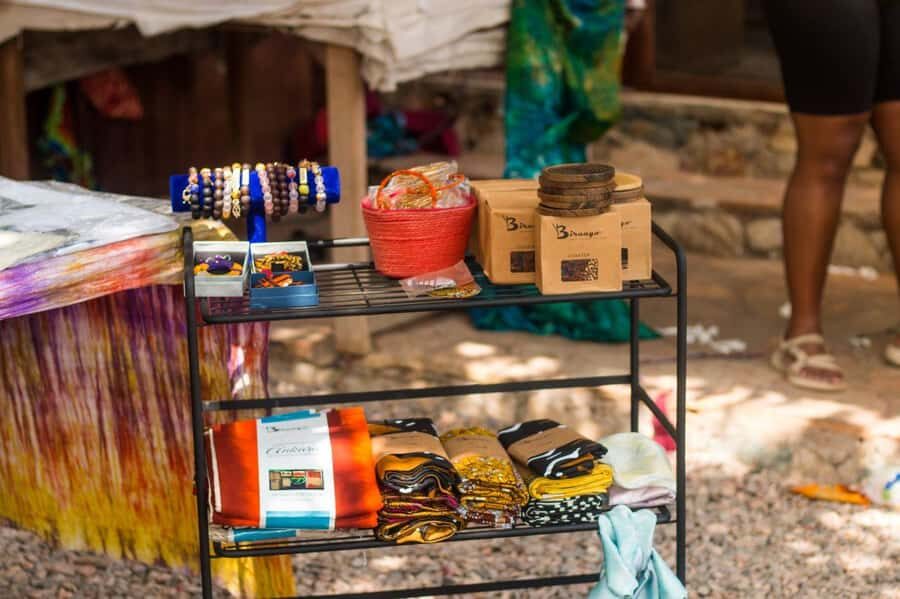
Then it’s time for the Arts and Craft Market, a community of stalls where you’ll see Ghanaian-inspired crafts and souvenirs. Think:
- Kente cloths
- Beads
- Carvings
- Accessories and other craft items
The market is designed for browsing and buying. Vendors are typically ready to talk you through their wares, and at least one recent experience flagged that the market can feel annoying if the visit turns into pressure to purchase.
But there’s also a good side. Another recent experience described the craft market visit as great for shopping, which makes sense—this is the kind of place where you can compare items from multiple stalls. The tour helps you do that efficiently because you’re moving from stall to stall with a guide nearby.
How to make the market work for you
- If you only want to look, tell the guide early. The most frustrating scenario is when you’re not aligned on the goal.
- Plan to spend time comparing similar items, since there can be more than one seller offering the same types of products.
A practical tip: set a rough budget before you enter. The variety is part of the fun, but a budget keeps it fun instead of stressful.
You can also read our reviews of more city tours in Accra

Black Star Square: the symbolic center of Ghana
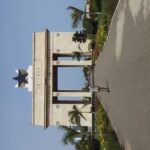
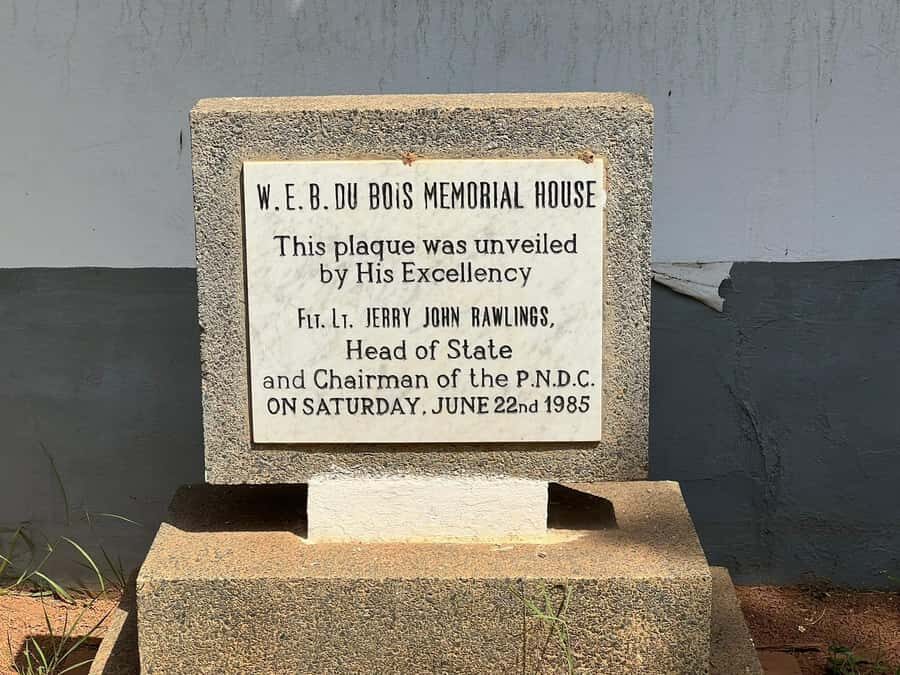
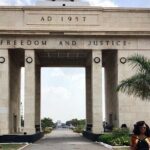
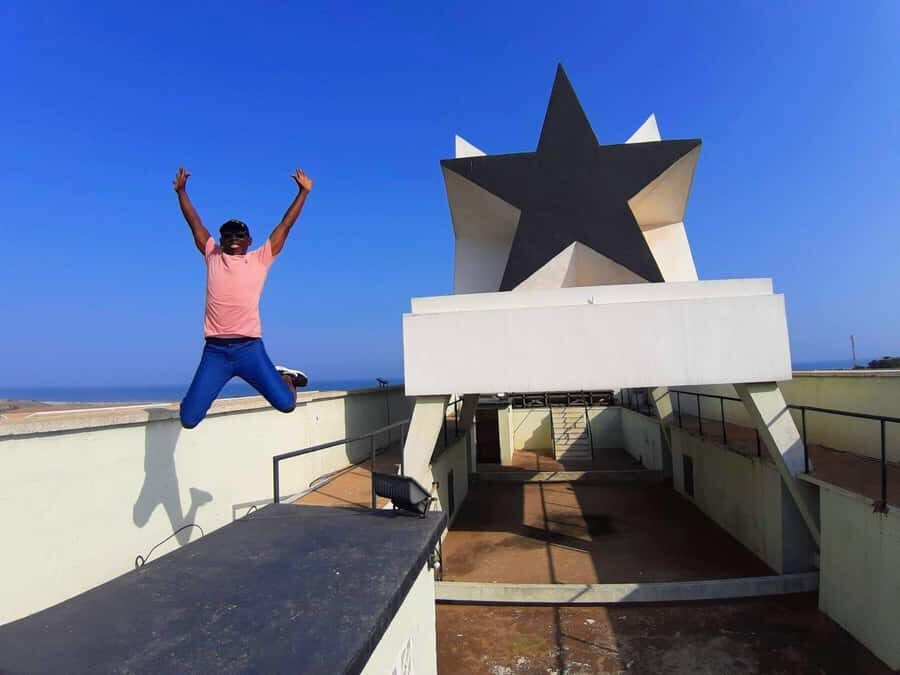
Your finale is Black Star Square, also called Independence Square. This is the stage for major national and commercial events, and it’s intentionally built on a large scale—about 30,000 people can seat there.
The square was built by Dr. Kwame Nkrumah to commemorate Ghana’s independence, as a symbol of national unity and self-reliance. It was commissioned during Queen Elizabeth II’s 1961 visit to Ghana, which gives the site an extra historical layer beyond independence day imagery.
Key features you’ll hear about during the visit:
- The Independence Arc
- The Flame of Liberation
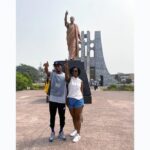
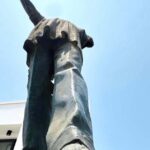
- The Black Star Monument
Why this stop matters on an Accra highlights tour
Museums and centres explain ideas. Monument spaces test how those ideas look in real space—how the country chose to represent itself at a national level. Black Star Square is built for gatherings, and it has that sense of ceremony baked into the design.
If you want a strong photo ending (and who doesn’t), this is also the place where the setting does the work. You’re standing in front of a national symbol, not just in front of an ordinary street scene.
Price and value: what $100 buys in a half day
At $100 per person for about five hours, this tour’s value mostly comes from what’s included, not what you spend at each stop.
Included items that reduce your costs and friction:
- Transportation with hotel pickup and drop-off
- Fuel charge
- Entrance fees
- Guide support
- Cost of activities in the itinerary
Not included:
- Meals
- International airfare
- Accommodation
- Sightseeing outside the listed stops
When I look at value like this, the big question is simple: are you paying for convenience and guidance, or paying for wandering? With entrances handled and a route built around major landmarks, you’re paying for a focused highlights day.
Two notes to keep it realistic:
- Since meals aren’t included, you’ll want to plan a quick snack or lunch around your schedule. One recent experience mentioned a lunch restaurant that leaned toward Western food, which can be useful to know if you’re picky about meal styles.
- If your main goal is to shop heavily, factor in that market spending is on top of the tour price.
How to get the most out of your guide (and avoid the weak version)
Guides can make or break a highlights tour. In one experience, the guide named Gian was praised for arriving with a small delay but staying friendly, available, and prepared. Another experience said the guide offered limited information unless questions were asked, and that the market felt too sales-focused.
That tells you something important: this tour works best when you treat the guide like your shortcut to meaning. You don’t have to be shy.
Try this approach:
- Ask one or two targeted questions at the first museum stop, like what the centre wants you to understand about Pan-Africanism.
- Set your expectation before the craft market. If you want to browse, say so early.
- If you care about photos, ask which features you should prioritize at Black Star Square.
If you do that, you’re much more likely to get the payoff this itinerary is built for.
Who this tour suits best
This tour is a strong match if you:
- Have limited time in Accra and want a focused route
- Want a Ghana independence and Africa liberation lens tied to real sites
- Prefer guided context at major landmarks rather than self-guided wandering
- Like the idea of a cultural stop plus a practical shopping opportunity
It’s also a good solo option. One recent experience specifically praised the fact that it worked well even when travelling alone, which makes sense because the itinerary is clear and the structure fills the gaps you’d otherwise create by going solo.
Should you book the Accra Highlights Half-Day Tour?
Book it if you want a clean, efficient half-day that gives you meaning along with photos: Du Bois, Nkrumah, independence symbolism, and a hands-on crafts stop.
Skip or rethink it if:
- You dislike shopping pressure and you expect to do zero buying at the market
- You want a deeply flexible day with lots of downtime, since the pace is built around four specific stops
- You’re hoping meals are included as part of the ticket (they aren’t)
My practical recommendation: book it, then prep yourself for the market. Tell the guide you want time to look. Bring a budget mindset. And come with curiosity about what these leaders stood for. If you do, you’ll leave Accra with more than souvenirs—you’ll have a stronger grasp of how independence and Pan-Africanism still echo in public spaces.
FAQ
How long is the Accra City Highlights tour?
The tour lasts about 5 hours.
What are the main stops on the itinerary?
You visit the WEB Dubois Centre, the Kwame Nkrumah Museum/Memorial Park, the Arts and Craft Market, and Black Star Square.
Is there a live guide, and what language is it in?
Yes. The tour includes a live English-speaking guide.
Does the price include entrance fees?
Yes. Entrance fees are included.
Does the tour include hotel pickup and drop-off?
Yes. Hotel pick-up and drop-off are included.
Are meals included in the tour price?
No. Meals are not included.
What does the tour cost?
The price is $100 per person.
Is transportation included?
Yes. Transportation and transfers are included, along with a fuel charge.
Is the tour wheelchair accessible?
Yes. The tour is wheelchair accessible.
Is free cancellation available?
Yes. You can cancel up to 24 hours in advance for a full refund.
Is reserve & pay later available?
Yes. You can reserve your spot and pay later.