Ghana can feel like two countries in one week. This tight 6-day tour mixes city history with Ashanti arts and ends with a rainforest canopy walk at Kakum.
I especially like how the days are built around real places, not just photos. You get hands-on culture, from Kente weaving and Adinkra stamping to the forts and memorial sites along the coast. The one drawback to plan around is that the schedule runs on the road—plus Kakum depends on good weather, so you’ll want to keep a flexible mindset.
The best part here is the “see and understand” flow. You start in Accra with Pan-African history and Ga community life, then shift inland to Kumasi for Ashanti royal culture, and finally move to the Cape Coast castles and Kakum. With a small group (max 10) and a guide who sticks with you, it feels organized without becoming boring. The other consideration: the trip price is high, and meals beyond breakfast are not included, so you’ll want a budget buffer.
In This Review
- Key Things That Make This Ghana Tour Worth Your Time
- First Steps in Accra: From Kotoka Airport to a Local Welcome
- Day 2 in Accra: Du Bois, Independence Square, and Jamestown Reality
- Day 3 Driving to Kumasi: Ashanti Royal Culture at Manhyia Palace
- Day 4 Around Kumasi: Kente on Looms and Adinkra Stamps That You Can Actually Understand
- Day 5 Toward Cape Coast: The Slave River Park and Cape Coast Castle
- Day 6 Kakum National Park: Forest Floor Birds, Then the Canopy Walk
- How the Tour Logistics Affect Your Experience (In Real Life Terms)
- Value for Money: What You’re Really Paying For
- Who This Tour Fits Best—and Who Should Skip It
- Should You Book Introducing Ghana?
- FAQ
- What cities does the tour include?
- How long is the tour?
- Where does the tour start and end?
- What’s included in the price?
- Are flights included?
- Is travel insurance included?
- How large is the group?
- What meals are provided?
- When does the tour start each day?
- What happens if the weather is bad for Kakum?
Key Things That Make This Ghana Tour Worth Your Time
- Kakum’s canopy walkway: a 1,000-foot-long trek over the forest, with seven bridges and high viewing platforms
- Ashanti craft villages (Bonwire, Ntonso, Ahwiaa): see Kente cloth made on looms and Adinkra patterns stamped onto cloth
- Cape Coast’s slavery landmarks: including Cape Coast Castle and the Door of No Return
- Accra history in one day: W.E.B. Du Bois Centre, Independence/Black Square, Jamestown fishing community, Lighthouse, and Brazil House
- Small-group feel (up to 10): easier pacing for questions and a calmer experience
- Private vehicle transfers: helps when distances are long and traffic can be unpredictable
First Steps in Accra: From Kotoka Airport to a Local Welcome
Your trip starts at Kotoka International Airport, with meeting and help through arrival steps. You clear immigration and customs, grab your luggage, then meet your cultural guide. After that, you’re in a private, air-conditioned vehicle for the ride into Accra.
If your arrival time works out, there’s a short add-on orientation: the University of Ghana campus at Legon and a walk around Oxford streets with its colorful shopfronts. Even if you arrive late, the key value of Day 1 is getting oriented fast—so that when you hit the heavier history days, you’re not still trying to figure out where things are.
One practical thing I like about this kind of start: you get a briefing after check-in, and your guide stays with you for the whole trip. That means you don’t keep re-explaining logistics, and you can ask follow-up questions as the story unfolds.
Tip: Bring a small amount of cash for quick purchases during that first street time. You’ll likely want it without hunting for an ATM later.
A few more Accra tours and experiences worth a look
Day 2 in Accra: Du Bois, Independence Square, and Jamestown Reality
Day 2 is all about Accra’s layers—modern buildings alongside older colonial-era structures, and community life that still feels active and lived-in.
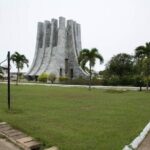
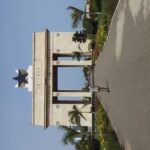
You begin at the W.E.B. Du Bois Centre, honoring the Pan-Africanist who chose to live and work in Ghana. From there, you go to Independence Square, known for the flame monument and the Black Square area tied to Ghana’s independence story.
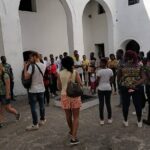
Then the route shifts toward Jamestown, including the fishing community and the Lighthouse area. You also visit the Brazil House. This mix matters. It’s easy to treat Accra as just a city stop. Here, you see how history sits next to daily routine—markets, boats, streets, and buildings that carry old names and newer life.
Why this day works: it’s the right kind of context before you move inland. When you later visit Ashanti sites in Kumasi, you’ll recognize how Ghana’s story is built from many regions, not one single theme.
Reality check: The day is scheduled as a full city pass, not a slow walk. Wear comfortable shoes and keep your phone charged. You’ll be doing plenty of stopping and looking.
Day 3 Driving to Kumasi: Ashanti Royal Culture at Manhyia Palace
After breakfast, you head to Kumasi, the seat of the Ashanti Empire. The drive runs through the forest zone, and it’s a good shift in scenery from Accra’s coastal feel.
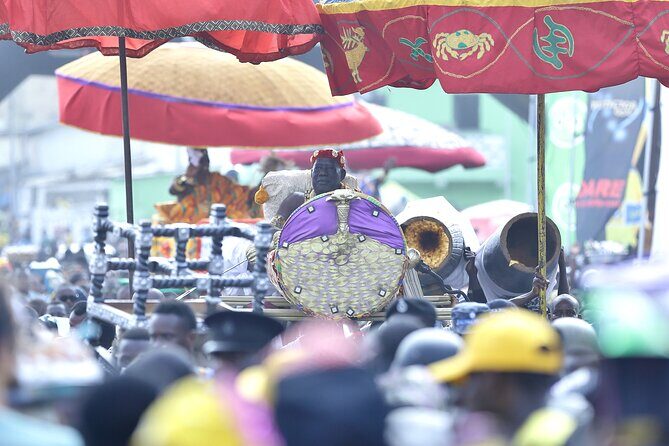
You arrive early afternoon and go straight to Manhyia Palace Museum, the official residence of Ashanti kings (Asantehene) until 1974. Now it functions as a museum with treasures connected to the Ashanti Kingdom. This is where royal culture stops being an abstract idea and starts feeling tangible—objects, symbols, and the sense that leadership here has its own deep traditions.
Next comes the Okomfo Anokye Sword site. This spot is tied to the legend of the Golden Stool descending from the sky and remaining in place for centuries. Even if you don’t care about legends, it’s still a powerful way to understand how belief, identity, and politics blend in Ashanti culture.
What I like about this day: it’s not just “see a building.” It’s a place you can ask questions about. And good guides can connect what you’re seeing to what it means, without turning it into a lecture. In feedback from past guests, guides like George and Elvis have been praised for being friendly, organized, and genuinely invested in explaining the culture.
Practical note: Museums can take more time than expected if you’re reading signage closely. Plan for a steady pace and don’t try to rush the palace exhibits.
Day 4 Around Kumasi: Kente on Looms and Adinkra Stamps That You Can Actually Understand
Day 4 is the craft day, and it’s arguably the most hands-on part of the whole route. You visit the three craft villages around Kumasi: Bonwire, Ntonso, and Ahwiaa.
In Bonwire, you see how Kente cloth is handmade on looms in a time-honored tradition passed down through generations. This is one of those moments where the craft becomes more than a souvenir. You can watch threads turn into patterns and understand why certain designs carry specific meaning.
Then you move on to Ntonso to see Adinkra textiles, where artisans hand-stamp patterns on cotton cloth. Adinkra fabric has strong symbolic associations—black-on-black and black-on-red cloth, for example, tied to funeral contexts in local tradition. Whether you’re buying or just observing, the value is seeing the method and the intention behind the work.
There’s also mention of Ahwiaa as part of the village trio. And you’ll likely have time in the broader market environment with Kumasi Central Market on the schedule.
Why this day is great value: you’re not only learning what Kente and Adinkra are—you’re seeing the production process. That’s what makes purchases more satisfying, too. If you buy cloth, you’ll know what question to ask and what details to look for.
Budget note: Shopping opportunities are real on this day. You’ll want a clear idea of what you came for: yardage, ready-made items, or a smaller textile piece.
Day 5 Toward Cape Coast: The Slave River Park and Cape Coast Castle
Now comes the heavy day. You head to Cape Coast after breakfast, with a major stop at Assin Manso Ancestral Slave River Park.
You’ll see the “Slave River,” where captured Africans were washed before being confined in slave castles awaiting shipment to the Americas and the Caribbean. The site also marks the burial location of two former slaves from the U.S. and Jamaica, whose remains were re-interred in August 1998 during Ghana’s first Emancipation Day celebration.
This stop matters because it adds context beyond the castles. It helps you connect the journey at the river stage to the later confinement and departure sites. History here is physical—paths, locations, and memorial meaning—so you feel the weight even without extra narration.
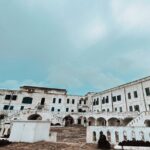
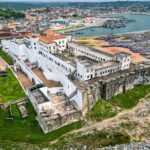
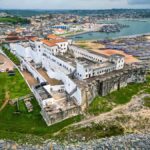
After arriving in Cape Coast for lunch, you visit Cape Coast Castle, a UNESCO World Heritage site. It’s one of the key departure points connected with slavery and includes the famous Door of No Return.
How to handle this day: don’t stack it with too many errands. You’ll want slow time for your own thoughts. Even if you’re tired, force yourself to stand still for a minute at the strongest sites. The impact is partly in how quiet the places can feel.
Tip: Bring a light layer. Castles and memorial sites can have cooler air and shaded sections, and you’ll be standing more than you expect.

Day 6 Kakum National Park: Forest Floor Birds, Then the Canopy Walk
Day 6 is your reward day—an outdoors reset after the cultural and historical intensity of earlier stops.
You go to Kakum National Park after breakfast. The walking part starts on the forest floor. You’re there for a short guided walk with chances to see birds and butterflies, and potentially mammals such as monkeys. The park is known for having a wide range of mammals, including the reclusive forest elephant.
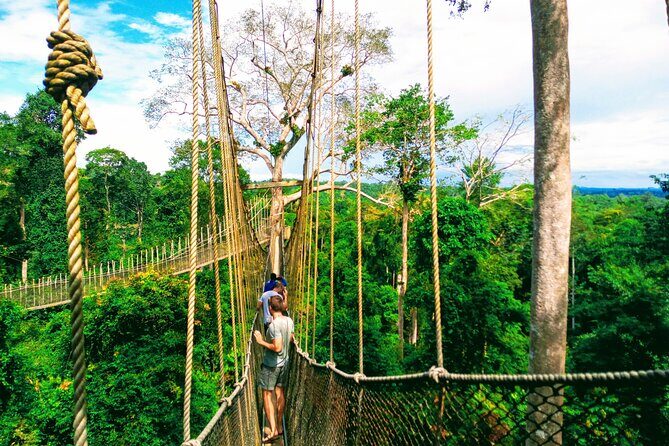
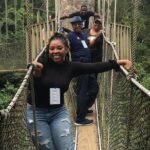
Then comes the centerpiece: the Tree-top Canopy walkway. It’s described as Africa’s only aerial walkway through the tree canopy, running about 1,000 feet long with seven bridges and viewing platforms reaching heights over 150 feet. That’s not a mild stroll. It’s a real high-and-sway feeling experience, even when you keep your eyes forward.
In the afternoon, you return toward Accra. En route, the schedule includes Abandze Village, described as the ancestral home of Louis Armstrong.
This day adds balance to the whole trip. Ghana isn’t only monuments and crafts. It’s also living ecosystems. And the canopy walk is a memorable way to end—because it’s not abstract. You’re literally above the forest, feeling how big it is.
Weather note: The tour requires good weather. If rain hits, you might be offered a different date. Plan your flights around that risk if you can.
How the Tour Logistics Affect Your Experience (In Real Life Terms)
A private vehicle with an experienced cultural guide can change everything on a route like this. You’re not waiting on transfers or trying to coordinate your own taxi chain. You’re also not constantly switching guides or guessing where the day ends.
This tour also limits group size to up to 10 travelers, which usually means:
- fewer distractions
- more room for questions
- a pace that stays comfortable
Meals are another big piece of value. Breakfast is included daily, plus bottled water is provided per person per day. But other meals are not listed as included, so you’ll pay for lunch and dinner yourself.
Hotels are included too, but the exact property names are not guaranteed; you’ll use the indicated properties or similar. That means you should expect a decent standard without assuming luxury branding.
Finally, the tour runs for roughly 6 days. That’s long enough to cover Accra, Kumasi, and the coast, but short enough that you still feel time pressure. This is a great first trip if you want a structured introduction. If you love slow travel, you might find yourself wishing for one extra breathing day.
Value for Money: What You’re Really Paying For
$3,889.62 per person is not a “budget” price. So you have to look at what you get for that spend.
You’re paying for:
- round-trip airport/hotel transfers
- private transportation
- hotel accommodation
- a cultural tour guide for the stay
- breakfast daily
- water each day
- admission tickets for key stops (as listed)
- a route that’s intentionally cross-regional: Accra → Kumasi → Cape Coast → Kakum → back to Accra
If you were to plan this independently, the hardest part would likely be stitching together reliable guides, timing, and entry fees across multiple cities. The castles and canopy walk alone require coordination you don’t want to DIY under time pressure.
Where the cost might feel less “worth it” is if you’re the type who barely shops, eats simple meals, and doesn’t care about learning details. In that case, you might feel you’re paying for a lot of structure. But if you enjoy culture that comes with context—craft processes, royal symbols, and historical sites—this itinerary is designed to deliver.
Also, the guide factor is not trivial. Past guests highlighted guide performances such as George, Elvis, Isaac A., Naa, Joshua, Martina, Shibu, and Ernest. Those names show a pattern: people value being taken care of and being taught, not just transported.
Who This Tour Fits Best—and Who Should Skip It
This is a strong pick if:
- it’s your first time in Ghana and you want a true sampler across regions
- you like structured days with meaningful stops
- you want craft and history that you can see with your own eyes
- you prefer a small group and a guide who sticks with you
You might want to skip or adjust plans if:
- you want lots of free time and slow pacing
- you’re not comfortable with long driving days and frequent stops
- you get stressed by weather-dependent activities (Kakum)
If you’re a solo traveler, this kind of guided structure can be a relief. One guest described it as safe and structured, which matches the vibe of a small-group cultural tour where you’re not figuring everything out alone.
Should You Book Introducing Ghana?
If you want one first-trip week that covers the essentials—Accra history, Ashanti culture, slavery-era sites, and a rainforest canopy walk—this is a smart choice. The itinerary has a clear storyline, and the small-group size helps it stay personal.
Before you book, do two things:
- Check your expectations about pace. This is not a rest-and-relax tour. It’s a “see and learn” tour.
- Plan for weather. Kakum is the ending anchor, and good weather matters.
If you can handle a full week on the move and you like cultural details that make history feel real, I’d book this. It’s the kind of trip that leaves you with photos, yes—but also a better mental map of Ghana’s people, places, and meanings.
FAQ
What cities does the tour include?
You visit Accra, Kumasi, and the Cape Coast area, plus Kakum National Park. Abandze Village is also included on the way back to Accra.
How long is the tour?
The duration is about 6 days.
Where does the tour start and end?
It starts at Kotoka International Airport in Accra and ends back at the meeting point.
What’s included in the price?
The tour includes meeting assistance, round-trip airport/hotel transfers, hotel accommodation, private vehicle transportation, an experienced cultural tour guide, breakfast daily, bottled water per person per day, and the admission tickets listed for the stops.
Are flights included?
No. Visas and round-trip international flights are not included.
Is travel insurance included?
No. Travel insurance is not included.
How large is the group?
The tour has a maximum of 10 travelers.
What meals are provided?
Breakfast is included each day (5 breakfasts listed). Other meals are not included unless specifically mentioned in the itinerary.
When does the tour start each day?
The listed start time is 9:00 am.
What happens if the weather is bad for Kakum?
The experience requires good weather. If it’s canceled due to poor weather, you’ll be offered a different date or a full refund.