REVIEW · ACCRA
1 Day cocoa farm tour
Book on Viator →Operated by Happy eagle tourism management · Bookable on Viator
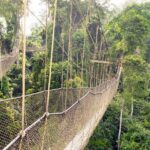
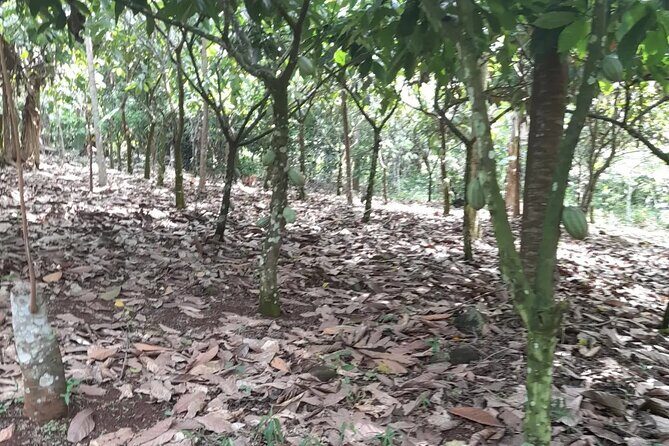
One trip that smells like chocolate starts early. This 1-day cocoa farm tour from Accra shows you how Ghana grows, harvests, and processes cocoa. I especially love walking under the cocoa canopy and hearing the dry-leaf husking sounds as the work happens in front of you, not in a classroom.
Two more things I like: you get a private guide (often with Bless leading the explanations), and lunch plus snacks are included so the day stays relaxed. One possible drawback to plan for: this tour needs good weather, so you may have to switch dates if conditions are poor.
In This Review
- Key Highlights You’ll Actually Care About
- Cocoa From Tree to Cash Crop (and Why Ghana Talks About It)
- Morning Pickup in Accra and the 7:30 Start That Sets the Tone
- Asamankese Cocoa Farm Tour: Canopy Walk, Harvesting, and Drying You Can See
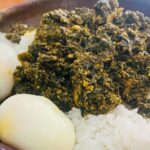
- Lunch and Snacks Included: Eating Like You’re Part of the Day
- Your Private Guide: Why Getting Personal Matters in a Cocoa Farm Day
- Cocoa Tasting: When the Lesson Lands in Your Mouth
- Price and Value: Is $349.94 Worth a 6.5-Hour Private Tour?
- Who This Tour Fits Best (and Who Should Rethink It)
- Practical Tips Before You Go (So the Day Feels Easy)
- Should You Book This 1-Day Cocoa Farm Tour from Accra?
- FAQ
- How long is the cocoa farm tour?
- What time does the tour start?
- Where do I meet for the tour?
- Is pickup offered?
- Is this a private tour?
- What’s included in the tour?
- Is there free admission for the farm stop?
- Where is the farm stop located?
- How much does the tour cost?
- What if the weather is bad?
Key Highlights You’ll Actually Care About
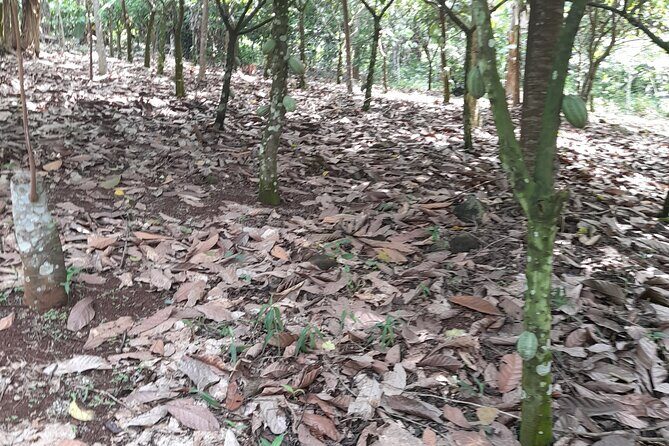
- A canopy walk at an operational cocoa farm where you see shade, pods, and drying work up close
- Private guiding with a human who can answer your questions as you go
- Lunch and snacks included, so you aren’t scrambling for food mid-lesson
- Asamankese visit tied to the farm setting and local cocoa farming culture
- Cocoa tasting shows up in the day (based on guide-led experiences shared by past visitors)
Cocoa From Tree to Cash Crop (and Why Ghana Talks About It)
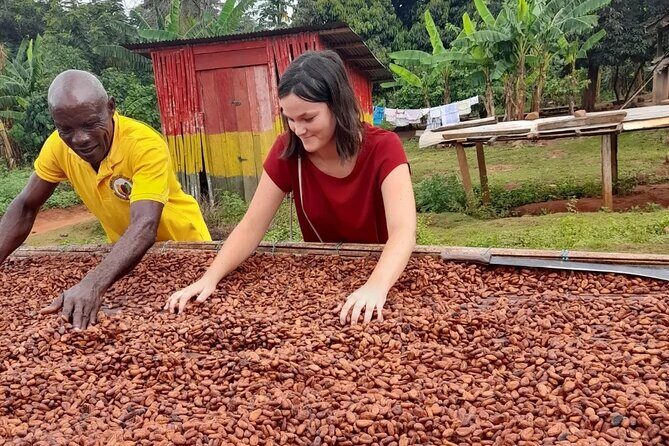
Cocoa is more than a flavor here. In Ghana, it’s one of those crops that feeds jobs, supports rural livelihoods, and shapes the economy in a way you can feel once you’re on a farm.
On this tour, you’re not just looking at plants. You’re learning how cocoa moves from living trees to dried beans—the real steps that make chocolate possible. That matters because the next time you see a chocolate bar in Accra (or anywhere), you’ll recognize the work behind it: growing under shade, harvesting pods, opening them, drying the seeds, and keeping quality consistent.
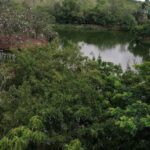
Also, this isn’t a museum-style lecture. The tour is built around being on-site for the farm experience, with a guide who explains what you’re seeing as you walk. Past visitors specifically call out how the farm ambience can be calming—walking under those canopy trees changes your pace. You slow down because everything is happening around you, not behind a counter.
A few more Accra tours and experiences worth a look
Morning Pickup in Accra and the 7:30 Start That Sets the Tone
The day begins at 7:30am. Your meeting point is Fantail Street, Accra, at the ticket redemption location listed as Fantail St, Accra, Ghana.
That early start isn’t random. Cocoa farming is practical work, and the morning helps you catch the day while it’s still comfortable for walking and learning. It also gives you enough time to cover the main farm visit while still fitting in meals and the full tour duration (about 6 hours 30 minutes).
If you’re coming from central Accra, this kind of pickup-and-go setup is a big deal. It lowers stress. You don’t have to solve transport on your own while also trying to figure out where the farm is and what time things start. You can just focus on the point of the day: cocoa.
What to expect time-wise: you have one main farm stop in Asamankese (about 3 hours). The rest of the time is made up of travel, guide explanations as you move, and time for lunch and snacks.
Asamankese Cocoa Farm Tour: Canopy Walk, Harvesting, and Drying You Can See
The heart of the experience is your visit to the farm area in Asamankese. You’ll spend around 3 hours there, and that’s where the tour earns its keep.
Here’s what you’ll likely focus on during the farm walk:
- how cocoa is grown on the farm (including the shade-grown feel under the trees)
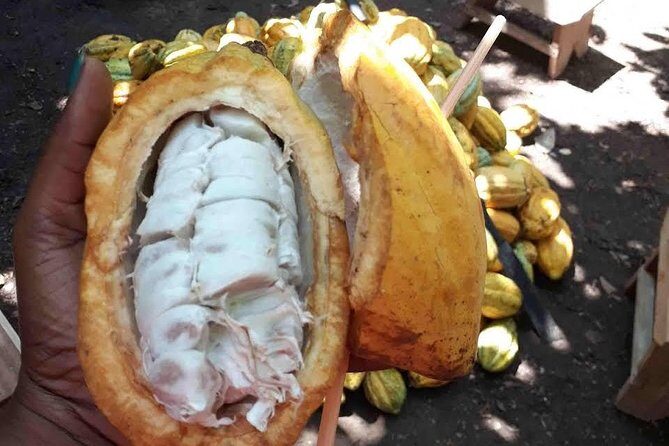
- how pods are harvested and what that looks like on the ground
- what happens after pods are opened—especially the processing stages that lead to dried beans
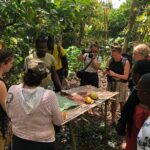
Past visitors highlight a sensory part of this tour that you can’t get from videos: walking under the cocoa trees and hearing the sounds that come from processing dried plant material. It’s a small detail, but it makes the whole operation feel real. You’re not watching a staged demo. You’re seeing the rhythm of farm work.
You’ll also learn the pathway from the harvested material to the cocoa seeds you recognize as the “beans” that make chocolate possible. Multiple visitors mention being impressed by how the process is done step-by-step: harvesting, drying, and turning what you see on the farm into what you later taste or buy.
A practical consideration: since this is an outdoor farm experience, wear shoes that handle uneven ground. Even if the farm walk is guided and not extreme, you’ll be on dirt and plant matter. You’ll want stable footing more than anything else.
Lunch and Snacks Included: Eating Like You’re Part of the Day
A lot of farm tours teach first and feed you later. This one includes lunch and snacks, so your day doesn’t turn into a hunt for food in between lessons.
Why that matters: cocoa processing is the kind of topic where you’ll want to keep listening. When hunger hits, questions drop, attention slips, and you end up counting minutes. With food already part of the schedule, you can actually stay present.
If you’re the type who likes to ask questions, a meal break is useful. It gives you time to reflect on what you saw—then go back with better context. You might also use lunch time to ask your guide how Ghana’s cocoa chain connects to markets you know.
Your Private Guide: Why Getting Personal Matters in a Cocoa Farm Day
This is a private tour, meaning only your group participates. That changes the whole dynamic on a farm visit.
On a shared group tour, the guide has to keep moving. On a private tour, you can slow down at the points that interest you most—planting style, harvesting technique, drying practices, or the way cocoa products connect to Ghana’s economy.
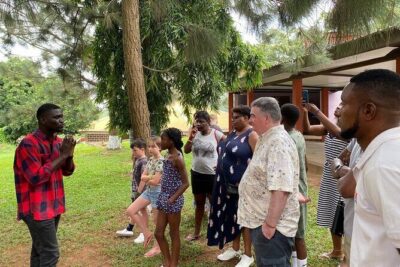
Past reviews also point to one name in particular: Bless. Visitors describe Bless as friendly and good at explaining things clearly, with patience that makes the experience feel comfortable. That doesn’t mean you’ll get a long monologue. It means you can ask follow-up questions without feeling rushed.
I like private guiding for this exact kind of topic. Cocoa farming has lots of moving parts, and the meaning of each step comes from seeing it in context. When you’re in a quiet walking rhythm, the guide can connect the dots faster.
A few more Accra tours and experiences worth a look

Cocoa Tasting: When the Lesson Lands in Your Mouth
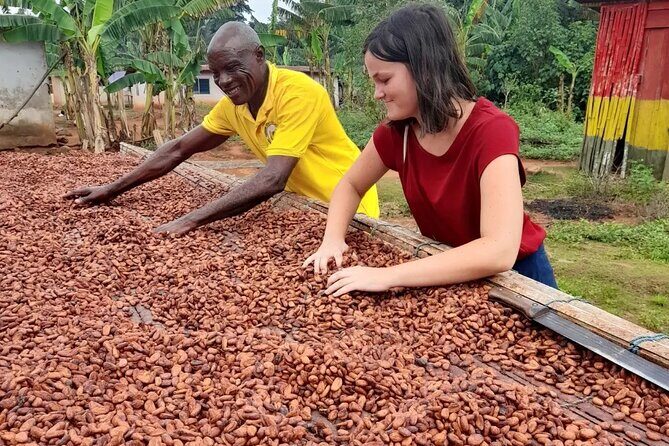
One of the best payoff moments on this tour is the chance to try cocoa. Visitors mention tasting cocoa as part of the experience, and it makes a huge difference.
Why? Because you stop thinking of cocoa as only something processed into chocolate. You start thinking of cocoa as beans with their own flavor story—raw, bitter, earthy, and very different from the sweet candy version most people expect.
Even if you’re not a “foodie,” a tasting like this helps you remember the steps. You can almost trace each stage of processing by what you taste. It’s the fastest way to make the farm visit stick.
Price and Value: Is $349.94 Worth a 6.5-Hour Private Tour?
The price is $349.94 per person, with pickup offered and a private guide included. It’s also typically booked about 5 days in advance (on average).
Is that high? For Ghana, it’s definitely not a budget impulse buy. But value depends on what you actually get.
From the details you’re paying for:
- Private guiding (not a cattle-car group experience)
- Pickup offered
- Lunch and snacks included
- A farm visit that includes processing steps, not just a view
- Asamankese stop with free admission ticket for that farm visit segment
So the real question is whether you want a personal, guided day where food and transport are handled. If you do, the price starts to feel more reasonable because you’re buying time, clarity, and convenience.
If you’re trying to do cocoa on the cheapest possible option, this may feel steep. But if you want cocoa that feels hands-on and guided, you’re paying for that full package.
Who This Tour Fits Best (and Who Should Rethink It)
This tour is a strong match if you:
- want a structured way to learn about cocoa farming beyond a quick photo stop
- enjoy farm walks and don’t mind being outdoors for a few hours
- like asking questions and getting direct answers from a guide
- prefer having lunch and snacks already built in
It may be less of a fit if:
- you have tight time windows and can’t handle a 6.5-hour day
- you’re sensitive to early starts (it begins at 7:30am)
- you hate weather-dependent plans, since the experience requires good weather
Also, keep your expectations grounded. This is a tour focused on cocoa farming practices and what it means for Ghana. It’s not a beach day or an all-day museum crawl. The value is the farm work you can see and the explanations you can ask for.
Practical Tips Before You Go (So the Day Feels Easy)
A few no-regret moves:
- Wear comfortable, closed-toe shoes for uneven farm ground.
- Bring sun protection. You’ll be under trees, but you may still get exposed depending on the day’s movement.
- Ask your guide one or two questions early. If you want details on harvesting versus drying, say it at the start so you don’t forget later.
- If you’re hoping to learn about the economy angle, tell the guide you want the big-picture connection, not only the farm technique.
And here’s a small strategy: during the walk, watch for the “why” behind each stage. Cocoa farming isn’t just steps—it’s timing, drying, quality control, and making sure the end product is stable.
Should You Book This 1-Day Cocoa Farm Tour from Accra?
If you want a meaningful cocoa experience with real on-the-ground learning, I’d book it. The mix of a private guide, an on-site Asamankese farm visit, and lunch plus snacks makes it feel like a complete day, not an awkward half-lesson.
I’d only hesitate if weather is a major risk for your travel dates or if $349.94 per person doesn’t fit your budget. Otherwise, this is the kind of tour that gives you a new mental picture of chocolate—one you can explain to friends later, and one you’ll remember when you buy a bar back in Accra.
If you’re the type who likes authentic day trips with enough structure to feel confident, this cocoa farm stop is a great choice.
FAQ
How long is the cocoa farm tour?
The tour duration is about 6 hours 30 minutes.
What time does the tour start?
The start time is 7:30am.
Where do I meet for the tour?
You’ll meet at the ticket redemption point on Fantail Street (Fantail St, Accra, Ghana).
Is pickup offered?
Yes, pickup is offered.
Is this a private tour?
Yes. It’s a private tour/activity, so only your group participates.
What’s included in the tour?
Lunch and snacks are included.
Is there free admission for the farm stop?
Yes, the admission ticket is free for the Asamankese stop listed in the tour.
Where is the farm stop located?
The farm is located in Asamankese.
How much does the tour cost?
The price is $349.94 per person.
What if the weather is bad?
This experience requires good weather. If it’s canceled due to poor weather, you’ll be offered a different date or a full refund.