REVIEW · ACCRA
From Accra: Cape Coast and Elmina Castles Day Trip
Book on GetYourGuide →Operated by Adanu Transport and Tour · Bookable on GetYourGuide
Two castles, one heavy truth. I love the way the visit connects the trans-Atlantic slave trade to real rooms, and I love the steady, respectful guidance from locals like Jorge—with comfort thanks to an air-conditioned ride and snacks. The one drawback is the day runs full-tilt and the subject matter is emotionally hard, so wear comfy shoes and come ready to slow down.
This is a Central Region day trip from Accra (about 147 km one way). You’ll tour Cape Coast Castle (a UNESCO World Heritage Site), then move on to Elmina’s fortress complex and finish back in Accra after exploring Fort St Jago and Kakum National Park.
In This Review
- Key things to know before you go
- A sobering day on Ghana’s slave-trade coast
- Accra to the Central Region: air-conditioned comfort and real pacing
- Cape Coast Castle: UNESCO walls and the story inside
- Elmina Castle: the oldest European building south of the Sahara
- Fort St Jago: a Portuguese chapel built for defense
- Kakum National Park: rainforest air after the castles
- What the ride and guide style add up to
- Price and value: what you’re really paying for at $200
- Practical tips so the day feels manageable
- Should you book this Accra to Cape Coast and Elmina day trip?
- FAQ
- How far is the trip from Accra?
- What does the tour include besides Cape Coast and Elmina Castles?
- Is Cape Coast Castle a UNESCO World Heritage Site?
- What should I bring for the day?
- Do you get pickup and drop-off in Accra?
- Can I pay later or cancel close to the date?
Key things to know before you go
- Local guide-led context helps you understand what you’re seeing, not just where it is.
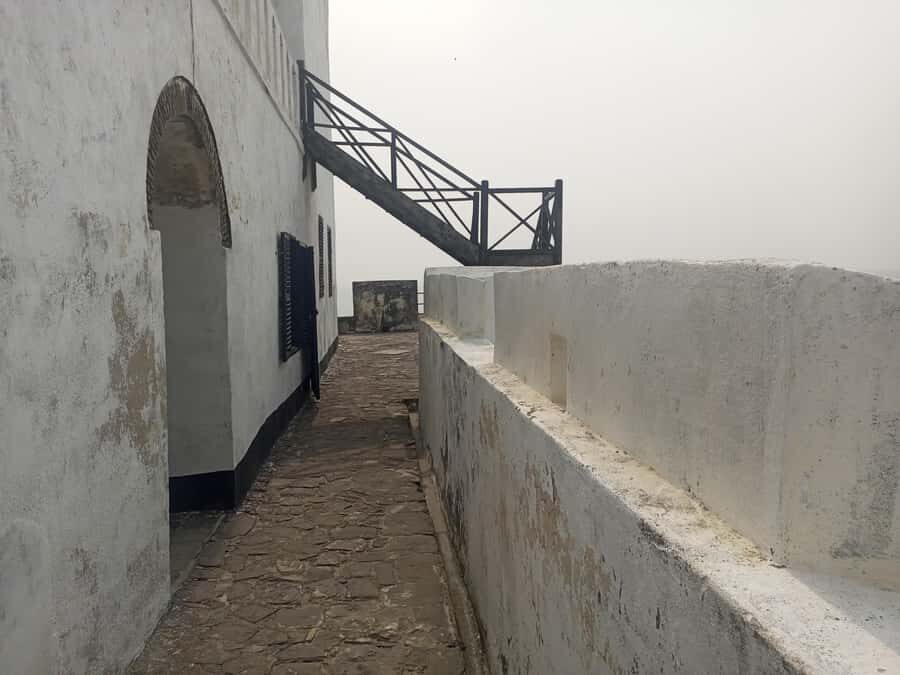
- Cape Coast Castle is UNESCO-listed, so expect a structured, significant visit.
- Elmina Castle dates to Portuguese foundations (1482) and is the oldest European building south of the Sahara.
- Fort St Jago is a small Portuguese chapel tied to defense, opposite Elmina Castle.
- Kakum National Park adds breathing room with rainforest scenery and the canopy walk option.
- Comfort matters: pickup, snacks, and air-conditioned transport keep the long day manageable.
A sobering day on Ghana’s slave-trade coast
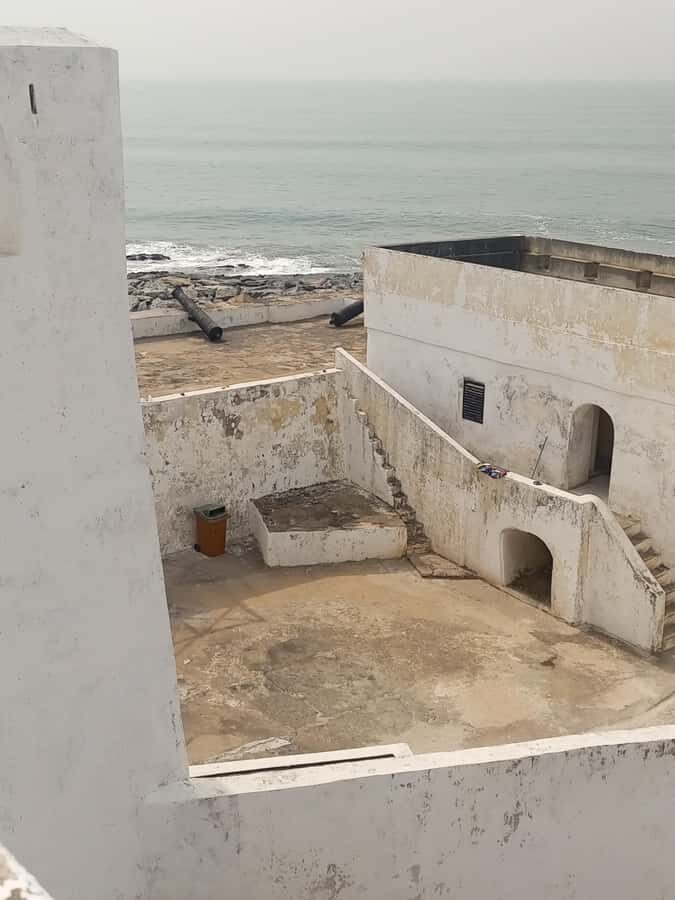
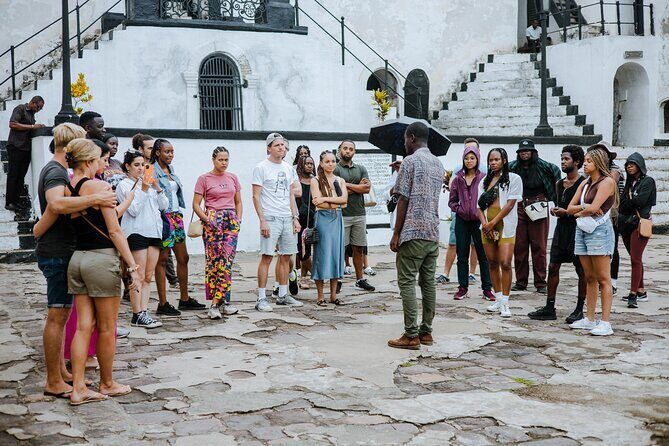
This isn’t the kind of tour where you check boxes and move on. You’re walking through spaces built by European traders, tied to a system of human suffering that reached the Americas. I like that the day trip doesn’t treat the sites as postcards. With a local guide, you get explanations you can actually use while you stand in those rooms.
At the same time, I also like the practical side: the drive is handled, you get snacks along the way, and you’re not trying to coordinate transport and tickets on your own. That matters because the day is long, and you’ll want your energy for both the walking and the emotional weight.
A few more Accra tours and experiences worth a look
Accra to the Central Region: air-conditioned comfort and real pacing
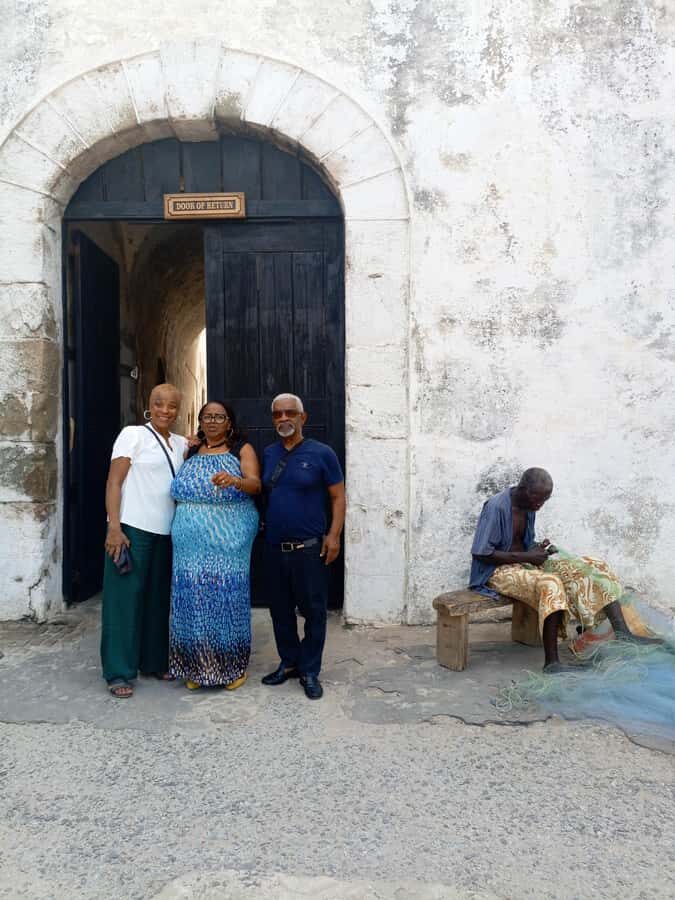
Pickup from your accommodation in Accra keeps things easy. You travel by air-conditioned vehicle, and the trip includes snacks on the way, which helps when you’re balancing early start energy with a later-day museum-style experience.
The distance (roughly 147 km from Accra) means you should treat the whole day as one plan, not separate mini-trips. I recommend keeping your pack light. A small backpack for water and your camera gear is usually the smartest move because you’ll likely do more walking than you expect.
Cape Coast Castle: UNESCO walls and the story inside
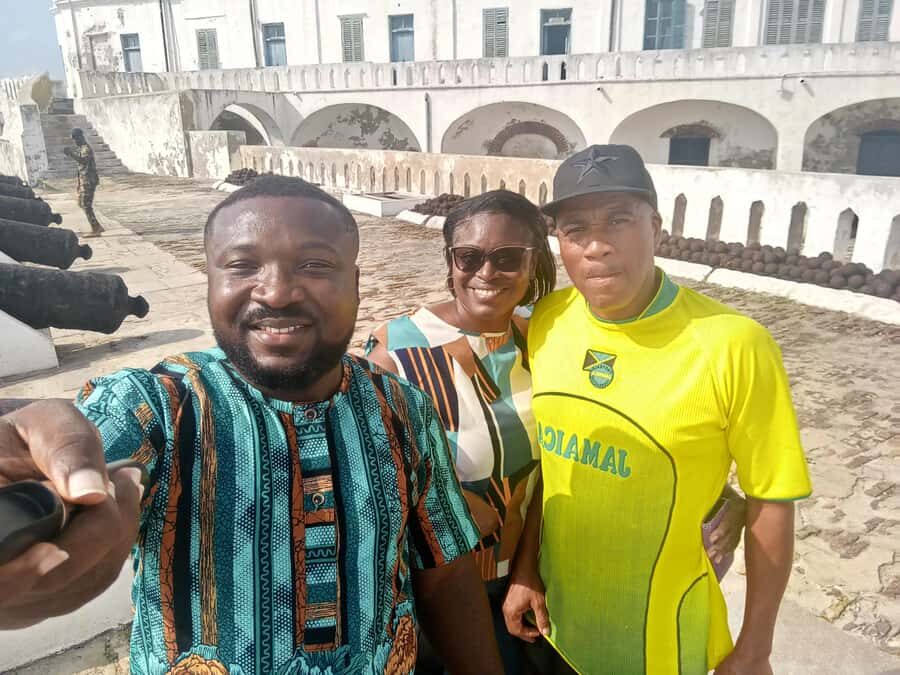
Cape Coast Castle is the first major stop, and it’s a big one: it’s a UNESCO World Heritage Site. Originally, the castle complex began as a Portuguese trading post (a feitoria) in 1555. Later, it was used as part of the trans-Atlantic slave trade, including holding people before they were loaded onto ships bound for the Americas.
What makes this visit valuable is that the guide’s job isn’t just to point. You’ll connect the building layout to the system that operated inside it—how a trading post turned into a human holding facility, and how commerce and violence were fused together. You’ll also notice that the sites force you to slow down. This is one of those places where you’ll feel the facts in your body, not just your brain.
The emotional impact can be real. Plan to give yourself moments to process. I also suggest bringing your camera, but don’t rush shots. If you feel like standing quietly for a minute, do it.
Elmina Castle: the oldest European building south of the Sahara
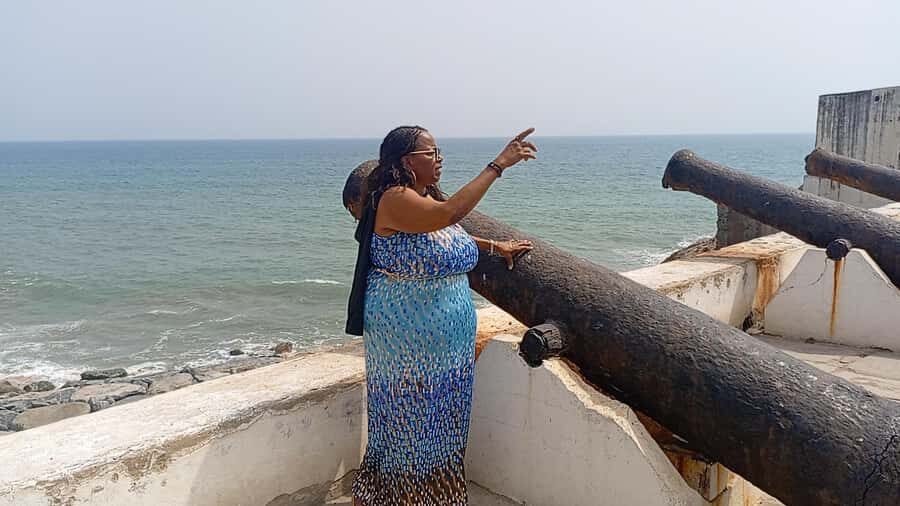
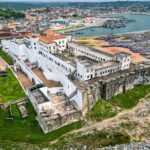
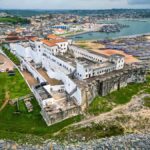
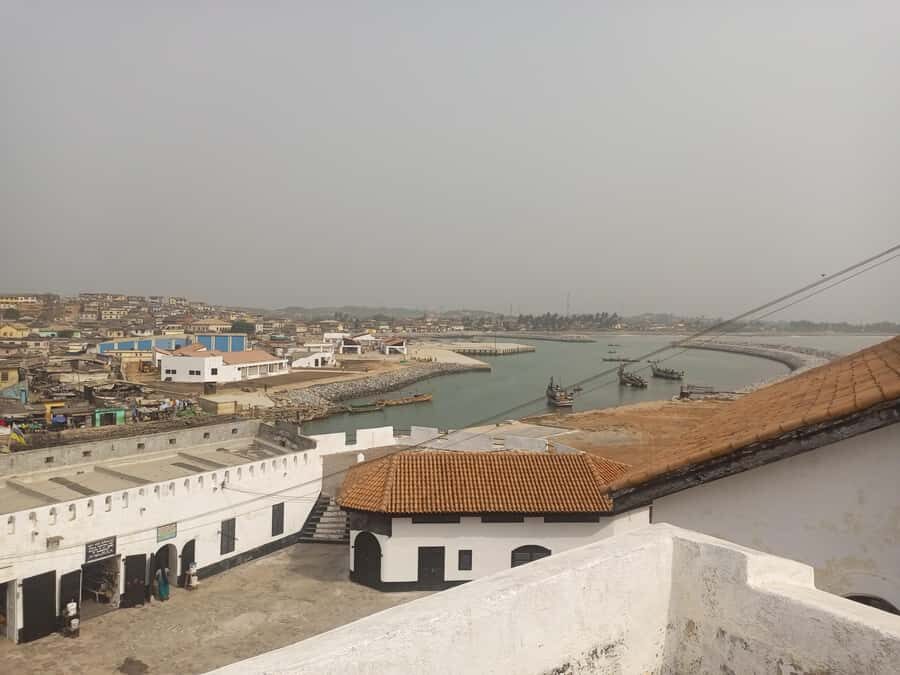
After Cape Coast, you head to Elmina Castle, erected by the Portuguese in 1482. It’s often described as the oldest European building in existence south of the Sahara, and once you’re there, you can see why it mattered so much to European traders.
This stop works best when you listen carefully to the flow of the story: how the Portuguese established trade footholds along the Gulf of Guinea, and how those footholds became part of the larger slave-trade network. You’re not just viewing an old fortress. You’re looking at an early node in a system that spanned oceans and reshaped lives.
I appreciate that the day doesn’t try to make the topic lighter. The guide keeps it human and grounded, which is exactly what you want when you’re dealing with a subject this serious.
Fort St Jago: a Portuguese chapel built for defense
Opposite Elmina Castle sits Fort St Jago, also known by names like Fort Coenraadsburg and Fort São Tiago da Mina. It’s a smaller Portuguese chapel built in honor of Saint Jago. Even though it’s easy to think of it as “just the little church,” it played a practical role: it helped protect the castle and is one of the oldest military constructions on the Gold Coast.
This is a smart final historical stop because it fills in a piece many people miss. When you understand the military and defensive purpose of these sites, the architecture stops being abstract. The fortifications start to make sense as part of a business—and part of enforcing control.


Kakum National Park: rainforest air after the castles
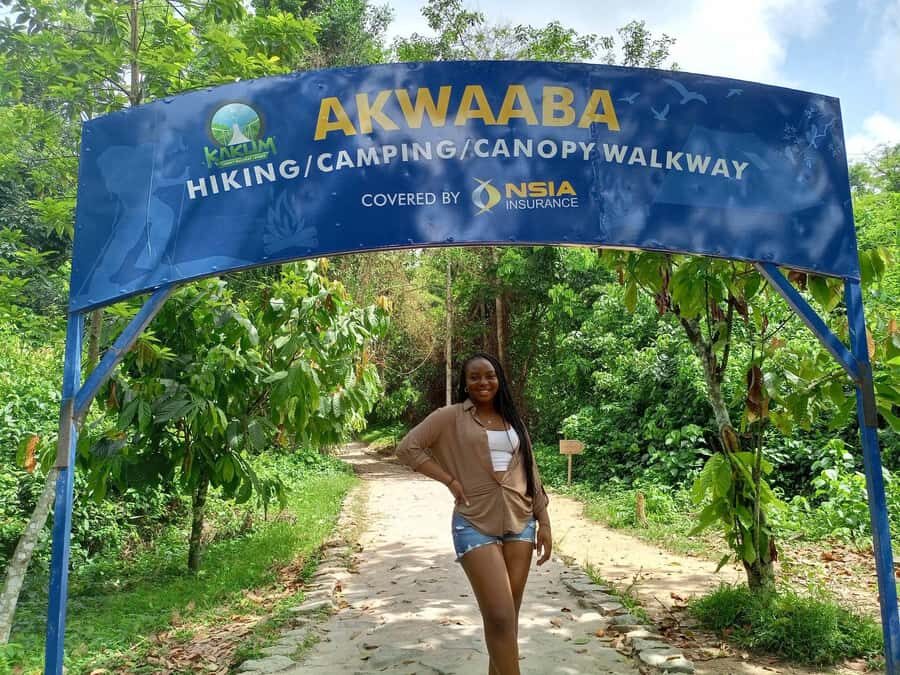
You don’t just go from history lesson to history lesson all day. The tour includes Kakum National Park. This is a chance to shift your senses from stone corridors to rainforest views, and it helps your brain reset after the emotional heaviness of the castles.
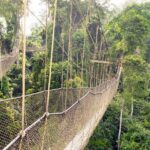
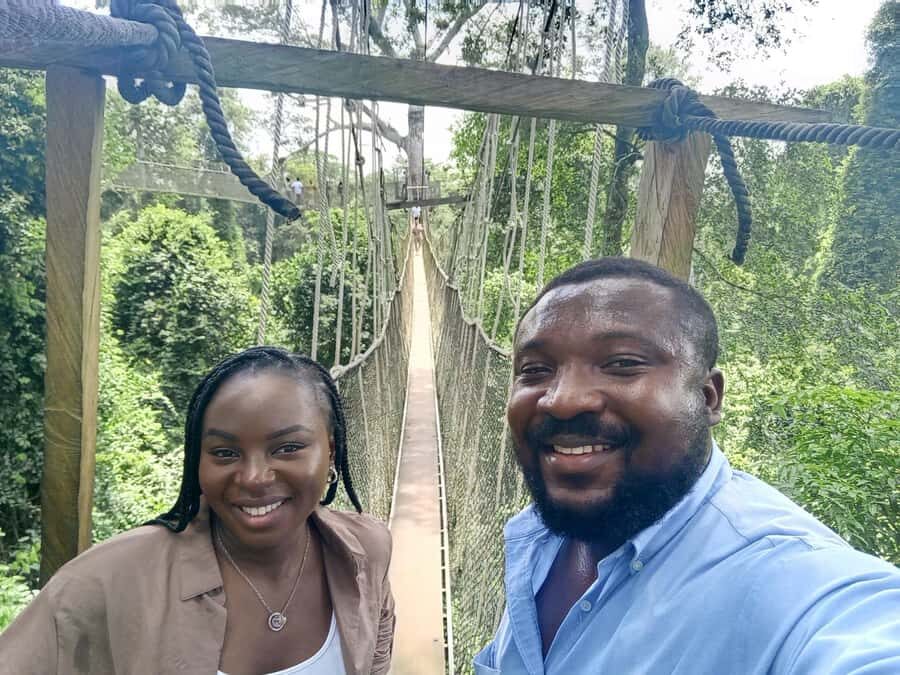
At Kakum, you can plan for the canopy walk option. The experience tends to feel like a release valve: your feet are still on the ground, you’re still walking, but the focus changes to birds, trees, and that feeling of being up among the rainforest tops. It’s also a good moment to stretch your legs before the return trip.
Bring your hat and water. Central Ghana sun can be honest, and Kakum is better when you’re not dehydrated.
What the ride and guide style add up to
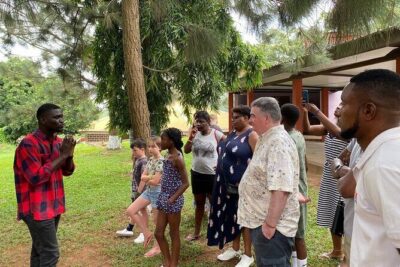
A standout theme in how guides handle this day: they bring history close without turning it into a lecture you can’t feel. Guides are attentive about pacing and they keep the focus on explanation at each stop, so you understand why specific rooms and structures mattered.
In practice, this can show up as flexibility and a calm, organized flow. Some guides also build in time adjustments if needed, and you may be able to align pickup and drop-off within Accra more closely to your plans.
Names you may hear include Jorge, sometimes alongside Esther, plus other guide combinations like Diya and Clement. Whoever is leading, the key is that it’s local knowledge, not just facts read off a sign.
Price and value: what you’re really paying for at $200
At $200 per person, you’re not just buying car transport. The value comes from bundling the big moving parts of a day like this:
- Pickup and drop-off from Accra
- Air-conditioned transportation
- Snacks during the trip
- Kakum National Park
- Cape Coast Castle and Elmina Castle
- Local guide services
If you try to DIY this route from Accra, you’ll spend energy coordinating transport, then you’ll still need an experienced guide to make the castles legible. Here, you’re paying for that “translation layer” between the buildings and the real story.
One practical thought: this is $200 in a day-trip format, so it’s best when you want a structured, low-stress plan and you care about getting context. If you prefer total control and you already have reliable local logistics, it may not feel as cost-efficient. For most first-timers, it’s a fair deal.
Practical tips so the day feels manageable
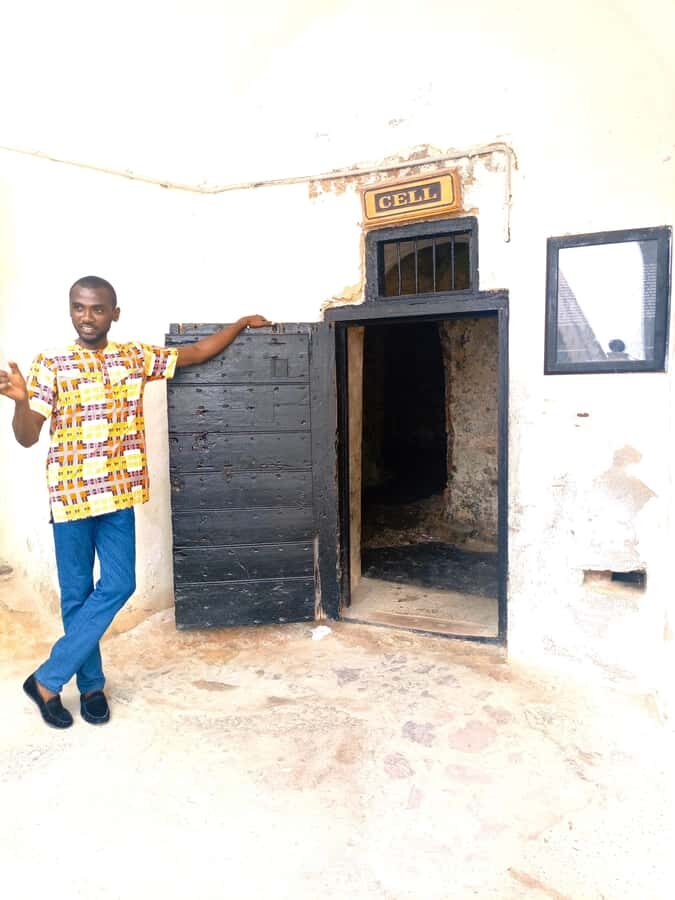
This trip is “one day, lots of impact,” so small prep choices matter.
Bring:
- Passport or ID card
- Comfortable shoes (you’ll be walking)
- Hat
- Camera
- Water
Pack light. You’ll likely want a small bag rather than a heavy daypack. And since you’re covering multiple sites, wear clothes that handle heat and sun. A hat and water are simple, but they make a noticeable difference at Kakum.
Also: keep expectations realistic. Even if the transport is comfortable, the day is still a full one. Build in a quiet evening afterward.
Should you book this Accra to Cape Coast and Elmina day trip?
If you want a guided, context-rich day that combines UNESCO-level sites with a rainforest break, this is a strong choice. I’d book it if you’re visiting Ghana for the first time and you want the slave-trade story explained by someone grounded in the country, not just a self-guided audio route.
I’d think twice if you’re sensitive to emotional content and you’re looking for something purely light. You can still go—just go intentionally. This is a meaningful day, and the best experience comes when you give it the respect it asks for.
FAQ
How far is the trip from Accra?
The day trip covers Ghana’s Central Region and is estimated at about 147 km from Accra.
What does the tour include besides Cape Coast and Elmina Castles?
It also includes a stop at Kakum National Park and visits to Fort St Jago (Portuguese chapel and defensive fortification).
Is Cape Coast Castle a UNESCO World Heritage Site?
Yes. Cape Coast Castle is listed as a UNESCO World Heritage Site.
What should I bring for the day?
Bring your passport or ID card, comfortable shoes, a hat, a camera, and water.
Do you get pickup and drop-off in Accra?
Yes. The tour includes pickup and drop-off from your accommodation in Accra, plus air-conditioned transportation.
Can I pay later or cancel close to the date?
You can use a reserve and pay later option (book your spot and pay nothing today). You can cancel up to 24 hours in advance for a full refund.