REVIEW · ACCRA
Ghana City 2-day Tour
Book on Viator →Operated by Ghana City Tours · Bookable on Viator
Two days is short, but it can change how you see Ghana. This private tour in Accra-style fashion focuses on Cape Coast Castle (UNESCO) and the surrounding memory sites of the transatlantic slave trade, then follows up with Accra landmarks like James Town Lighthouse and Ussher Fort. What I like most is how the trip uses a guide to connect the places into a story, and how the schedule gives you time at each stop instead of rushing through. One thing to consider: this is an emotionally heavy theme, and the day-to-day walking and standing can feel long if you’re not ready for that weight.
You also get practical help that matters on a tight timeline. Hotel pickup and daily transfers reduce the guesswork in Accra, especially on travel days that run into the Central Region and back. It’s a small private group (up to 4), so you can ask questions and set your pace without the usual group chaos.
In This Review
- Key points before you go
- Entering the Central Region: Assin Manso to Cape Coast Castle
- Day two in Accra: James Town Lighthouse and Fort Ussher
- Why the private format matters on a theme like this
- The value math: $307.70 per group, up to 4
- What to pack and how to prepare for these specific stops
- A quick note on weather and energy
- Should you book this Ghana City 2-day Tour?
- FAQ
- FAQ
- Is this a private tour?
- How much does the tour cost?
- How long is the tour?
- Do you get picked up from your Accra hotel?
- Are admission tickets included?
- What sites are included?
- Is the tour weather dependent?
- Can most people participate?
- How far in advance is it usually booked?
Key points before you go
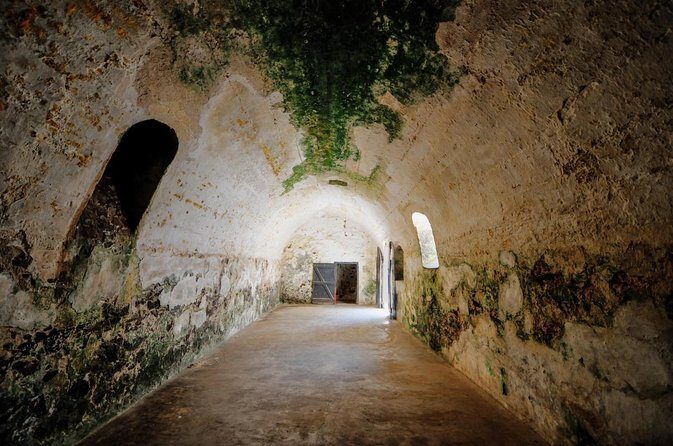
- UNESCO Cape Coast Castle plus the story around the Atlantic crossing
- Assin Manso Slave River Park and the Last Bath area as a place of memory
- James Town Lighthouse with a real climb and useful views (not a typical tourist setup)
- Ussher Fort Museum—restored and explained in plain language
- Private, small-group flow with pickup and hotel transfers built in
Entering the Central Region: Assin Manso to Cape Coast Castle
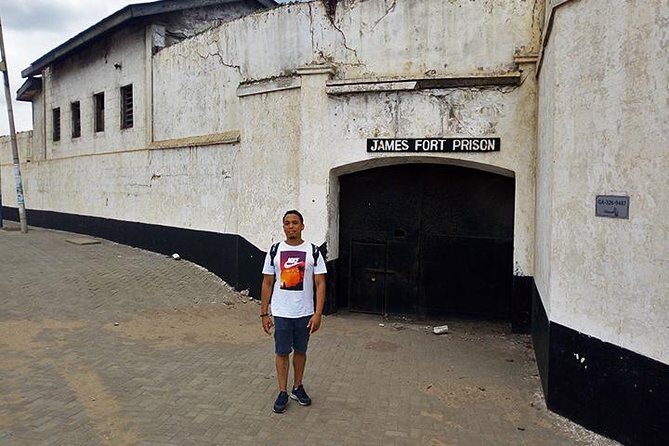
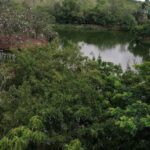
Day one starts with Assin Manso Ancestral Slave River Park, a site built for remembrance rather than quick sightseeing. You’ll spend time around the Slave River and the Last Bath area. The goal here isn’t entertainment; it’s understanding how forced confinement and the slave trek functioned along West African routes from the 16th to the 19th centuries. A good guide helps you connect the geography to what people endured—so the place doesn’t feel like a checklist item.
What I think you’ll like about Assin Manso: it’s direct. The emotional impact lands fast because the site is specifically tied to the final stages of the journey. If you come with an open mind and a little patience, you’ll probably leave with a clearer sense of how these events worked on the ground—not just in textbooks.
Possible drawback: this stop can be mentally draining. If you’re sensitive to themes around slavery and human suffering, plan quiet time afterward. I’d also avoid stuffing the day with extra activities—this is the kind of memory stop that sticks with you.
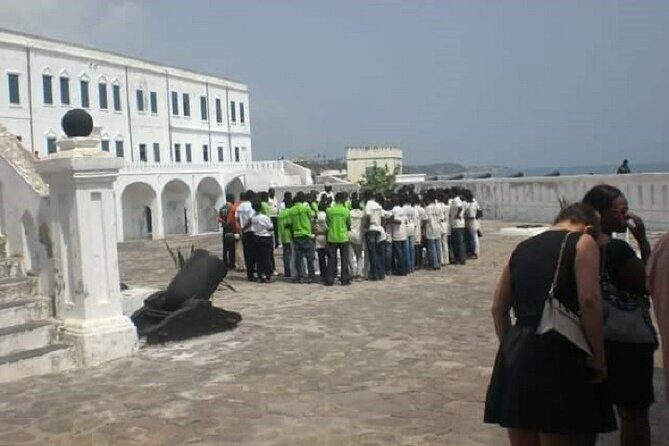
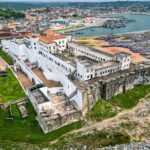
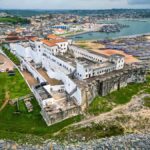
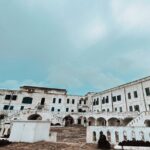
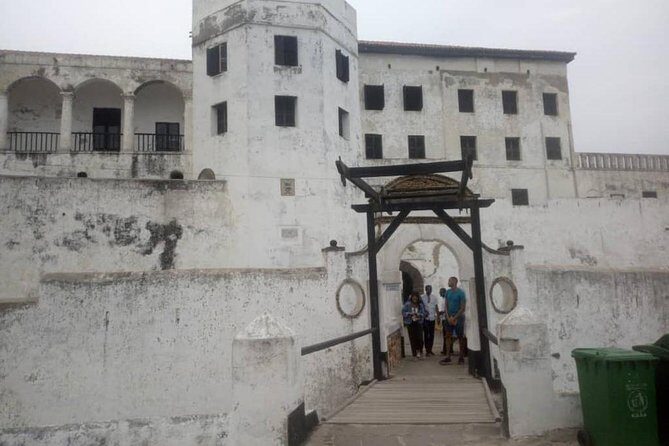
From Assin Manso, the route continues to Cape Coast Castle, the UNESCO World Heritage Site often linked to the last moments before people were shipped overseas. This is where the phrase Gate of No Return becomes more than a slogan. You’ll see artifacts and relics tied to the holding and processing of enslaved people, plus stories that put the castle’s rooms and corridors into context.
Cape Coast Castle is also known internationally as a historic stop for major visitors—President Obama visited the castle in 2009. For you, that detail mostly signals one thing: the site is taken seriously, and it’s not just local history. It has global weight, and you’ll feel that when you’re inside.
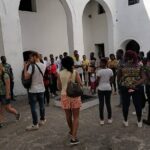
What makes Cape Coast worth the time: the castle helps you see the system as a sequence, not as separate facts. With a guide who stays grounded in what the spaces were used for, you can follow the logic of capture, confinement, and preparation for transport. That’s where a private format helps—your guide can answer the questions that pop up as you move room to room.
How to handle the pacing: the Cape Coast stop is long enough to absorb what you’re seeing. Still, it’s smart to take breaks when you need them. If your emotions rise, that doesn’t mean you’re doing it wrong; it means the site is doing its job.
You can also read our reviews of more city tours in Accra

Day two in Accra: James Town Lighthouse and Fort Ussher
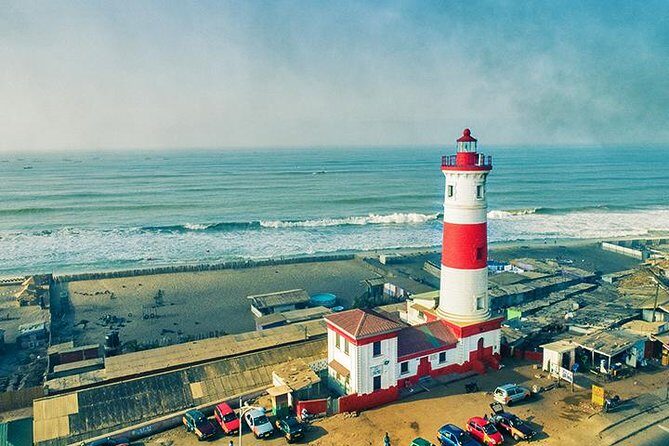
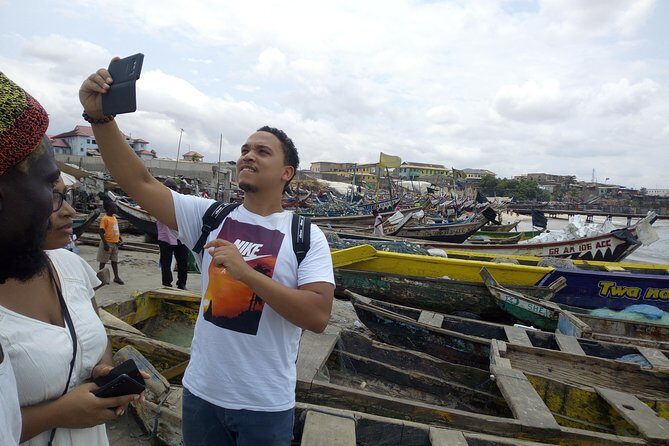
Accra day two shifts from the castle complex to the city’s coastal history. James Town is one of those neighborhoods where the past still feels present because the daily life—fishing, sea-facing streets—keeps the place grounded. You’ll hear how James Town Lighthouse came into being to guide incoming ships near the coast, at a time when the slave trade demanded safe navigation.
The James Town Lighthouse itself is a 28-metre (92 ft) structure. It was built in the 1930s, replacing an earlier lighthouse from 1871. What’s useful for you is the practical experience: it’s basically a working structure with a spiral staircase, lantern, and gallery attached to the keeper’s house. It’s not set up as a mall of souvenir booths—no big gift shop scene or ticket office vibe. That keeps the visit focused on the climb and the views.
Why the lighthouse stop hits differently: you get a panoramic perspective from the top, and the height helps you understand why ships needed navigation aid here. It’s history you can literally see, not just read about.
Then you move to Ussher Fort and Museum, a prominent fort in James Town built by the Dutch in 1649 as Fort Crêvecoeur Major. Today it functions as a museum after restoration work carried out by the Ghana government with support involving the EU and UNESCO, completed in 2007. A museum setting can sometimes feel sterile, but here the restoration angle makes the walls feel more like a message—something preserved so you can interpret it.
What to expect inside Ussher Fort: it’s a learning stop that complements Cape Coast. If Cape Coast feels like the larger, more famous chapter, Ussher helps you understand the coastal fort landscape and how forts shaped control and movement along the shore. A guide can connect the dots between the different forts and what each role might have been.
One consideration for day two: you’ll likely be balancing walking in a coastal neighborhood with climbing the lighthouse stairs. If you have mobility concerns, tell your guide in advance so they can adjust how long you spend in each place and where you pause.
Why the private format matters on a theme like this
A theme tour can become “drive, see, leave” without meaning. This one stays more human because it’s private and small—just your group, up to four people—plus pickup and daily transfers from your Accra hotel. That structure makes a difference on two fronts.
First, it protects your attention span. The subject matter is serious, and you don’t want the stress of coordinating taxis or guessing timing between distant stops. When transfers are handled, you can focus on the narrative the guide is building across both days.
Second, private format gives you room for questions. Sites like Cape Coast and Assin Manso naturally raise questions. With a group that’s only your party, your guide can slow down, clarify, and explain without feeling pulled along by strangers. If you’re the type who wants context—political, geographic, human—this style usually works better than a bus tour.
Also, booking timing gives a clue about demand. The tour is often booked about 65 days in advance on average. In plain terms: this isn’t the kind of experience people typically book last minute, especially if they’re scheduling visits to multiple Ghana sites. If you’re planning carefully, booking earlier is a smart move.
The value math: $307.70 per group, up to 4
The price is $307.70 per group for up to four people. That means your cost per person drops quickly if you’re traveling with a partner or friends who share the same pace and interests. If you’re solo, it’s straightforward: you pay for the whole group setup.
Here’s where value actually lives for this tour:
- Admission tickets are included for the major stops, which reduces add-on surprises later.
- Daily hotel transfers mean you’re paying for logistics as much as sightseeing.
- The schedule covers multiple major sites across two days, so you’re not spending half your time on travel planning.
A private tour can be pricier than group tours on paper, but the tradeoff is fewer interruptions and more purposeful time inside the places that matter. For a history-driven itinerary, that’s usually a good bargain.
What to pack and how to prepare for these specific stops
Because this tour combines memory sites and active city stops, you’ll want to show up ready for both emotion and comfort.
Bring comfortable walking shoes. The visits aren’t described as a “sit-and-watch” experience, and lighthouse stairs plus outdoor areas add up.
For clothing, aim for respectful coverage and something you can tolerate in warm weather. You’ll be outside at times—especially around coastal James Town—and you’ll appreciate light layers.
If you’re coming specifically for understanding the transatlantic slave trade, arrive with a bit of structure in your head. Even a simple mindset helps: treat each stop like a different chapter, not a single event. When you approach it that way, the connections between Assin Manso, Cape Coast Castle, James Town Lighthouse, and Ussher Fort start to feel clearer.
A few more Accra tours and experiences worth a look

A quick note on weather and energy
This experience is listed as requiring good weather. If conditions are poor, you’ll be offered a different date or a full refund. That matters because outdoor time and visibility can affect how much you enjoy places like the lighthouse and the coastal neighborhood vibe.
Also, this is a two-day theme. Don’t schedule a late-night party plan the night before. You’ll get more out of it if you can take it in at a slower tempo—especially after Cape Coast and Assin Manso.
Should you book this Ghana City 2-day Tour?
Book it if you want a focused, historically grounded route that goes beyond surface stops. The combination of Cape Coast Castle (UNESCO), Assin Manso Slave River Park, James Town Lighthouse, and Ussher Fort is a strong way to connect Ghana’s coast to the wider Atlantic story. If you travel with up to three people, the group price also becomes notably reasonable because admission and transfers are built into the package.
Skip it (or at least think twice) if you want a lighter, purely sightseeing trip. This is designed around heavy human history and the physical reality of where suffering happened. If that subject matter sits in your comfort zone, it’s a powerful, well-structured two days. If it doesn’t, you may feel tired or emotionally overloaded.
FAQ
FAQ
Is this a private tour?
Yes. It’s a private tour/activity, so only your group participates.
How much does the tour cost?
The price is $307.70 per group for up to 4 people.
How long is the tour?
It runs for about 2 days.
Do you get picked up from your Accra hotel?
Yes. Pickup is offered, and daily transfers to and from your Accra hotel are included.
Are admission tickets included?
Yes. Admission tickets are included for the listed stops.
What sites are included?
You’ll visit Assin Manso Ancestral Slave River Park and Cape Coast Castle on day one, then James Town Lighthouse and Ussher Fort and Museum on day two.
Is the tour weather dependent?
Yes. It requires good weather. If it’s canceled due to poor weather, you’ll be offered another date or a full refund.
Can most people participate?
The information provided says most travelers can participate.
How far in advance is it usually booked?
On average, it’s booked about 65 days in advance.