REVIEW · ACCRA
Accra to Cape Coast Tour (Slave Castles and Kakum Park)
Book on Viator →Operated by Here is Ghana Tours · Bookable on Viator
Kakum is a big wow before you even reach the castles. This Accra to Cape Coast tour blends Kakum canopy walkway (about 30 meters up) with UNESCO-linked slave-trade fortresses, plus a guide who helps you understand what you’re seeing. I especially like how the trip is built for real ease—transport and entry fees are included—so you can focus on the sights instead of logistics.
My other favorite part is the human factor: guides like Med, and others including Malik and Mannan, are praised for going beyond basic facts and making the day feel safe and clear. The one thing to keep in mind is the early start and long day—pickup begins at 6:00 am, and you’ll be in transit for quite a while.
In This Review
- Key takeaways before you go
- Price and Logistics: What $220 Covers and Why It Matters
- Kakum National Park Canopy Walkway: 30 Meters Up and Into the Real Forest
- Elmina Castle: Portuguese Beginnings and the Atlantic Slave Trade
- Cape Coast Castle: A Museum Visit with Museum-Grade Context
- Guides Are the Difference: Med, Malik, and Mannan’s Role in Your Understanding
- Food, Comfort, and Included Extras: A Long Day Done the Easy Way
- Wildlife, Weather, and Your Best Way to Time Your Day
- Who This Tour Fits Best (and Who Might Want a Different Style)
- FAQ
- FAQ
- What time does the tour start in Accra?
- How long does the Accra to Cape Coast tour take?
- What major stops are included?
- Are entry tickets included?
- What’s included for food and drinks?
- Is there WiFi during the drive?
- Is this a private tour or a shared tour?
- Does the tour require good weather?
- Can I cancel and still get a refund?
- Are service animals allowed?
- Should You Book This Accra–Cape Coast Tour?
Key takeaways before you go
- Kakum canopy walk at treetop height (about 30 meters up) makes the park feel instantly memorable.
- Elmina Castle + Cape Coast Castle give you a stronger sense of the Atlantic slave trade through the places that processed it.
- Transportation, bottled water, snacks, breakfast, lunch, and entry fees are handled for you, which boosts value.
- Good guide support helps you cut through language and context gaps while you’re walking the sites.
- This is a private tour for your group, so the day runs more smoothly than a seat-on-a-coach plan.
Price and Logistics: What $220 Covers and Why It Matters
At $220 per person for an 11–12 hour day, you’re paying for a full “door-to-door” style experience rather than a couple of tickets and a bus timetable. The big win is that all entry/admission fees are included, along with private air-conditioned transport, bottled water, snacks, and breakfast and lunch. When you price those things separately in Ghana, the total usually climbs fast—so bundling them can feel like real savings of both money and brainpower.
The other logistical detail I’d plan around is the clock. The tour starts at 6:00 am with pickup offered from the meeting point area, and it’s scheduled early to prevent getting stuck in traffic. That early timing also means you’ll reach Kakum while the day is still fresh—useful because the park experience is more comfortable when temperatures haven’t fully turned into a workout.
Finally, this tour runs under the “good weather” rule. If conditions aren’t right, you’ll be offered a different date or a full refund. That matters because canopy walking is the kind of thing you don’t want ruined by bad weather.
You can also read our reviews of more tours and experiences in Accra.

Kakum National Park Canopy Walkway: 30 Meters Up and Into the Real Forest
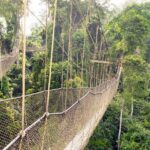
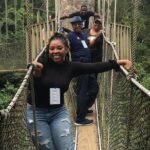
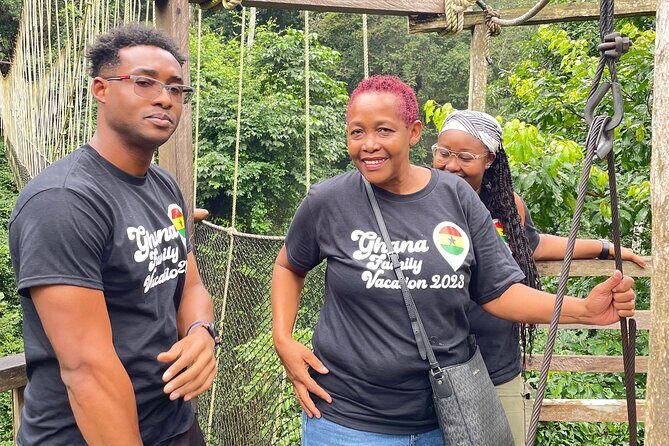
Kakum National Park is where the day starts feeling special. You’ll get time for the park and the Canopy Walkway, suspended roughly 30 meters above the ground. From up there, you’re not just seeing the forest—you’re moving through it visually, with treetop views that feel different from the usual ground-level photos.
This stop is also a wildlife moment. The tour highlights include monkeys and birds in their natural habitat, and that’s exactly the kind of “quiet bonus” that makes a park visit better than just walking from one viewpoint to another.
What I like about structuring the day with Kakum first is mental. It helps you arrive in the region through nature before you hit the heavier history of the castles. It’s easier on your brain. You also get momentum: even if the castles feel intense later, you’ve already had a high-energy, awe-filled win in the morning.
One practical consideration: the canopy walkway is the star. If you’re the type who gets anxious around height, go in with a calm plan. Take it slow, and keep your eyes on the walkway itself rather than scanning constantly downward. The point is to enjoy the views while you’re up there, not to fight your nervous system.
Elmina Castle: Portuguese Beginnings and the Atlantic Slave Trade
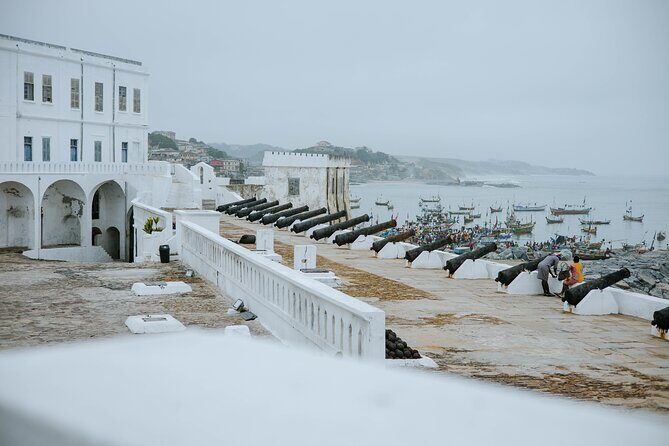
After Kakum, the day turns serious. Elmina Castle is one of those sites where you don’t need a lecture to understand the gravity—you just need context.
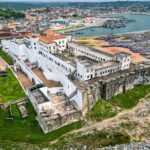
Here’s what makes Elmina so significant. The castle was established by the Portuguese in 1482 as São Jorge da Mina (St. George of the Mine). Elmina Castle is tied to trade on the Gulf of Guinea, and the site is described as the oldest European building in existence below the Sahara. That’s historical scale right there.
Later, Elmina became deeply involved in the Atlantic slave trade route. Today, it’s a major destination for people traveling to connect with family heritage and to understand the machinery of that history. The site is also noted for being a filming location for Werner Herzog’s 1987 drama film Cobra Verde, which adds another layer of modern cultural visibility—but the focus should stay on what the walls witnessed.
What I think is most valuable here is how the tour guide helps you process it. The itinerary is designed so you’re not just staring at stones. You’re given enough explanation to make the site make sense, especially if language would otherwise get in your way. That “escape the language barrier” point is not a small detail—it’s what turns a museum visit into understanding.
A small drawback to consider: Elmina is emotionally heavy. If your day is packed and you’re already tired from the early pickup and long drive, it helps to pace yourself. Take breaks where you can, and don’t feel pressured to rush through every room.
Cape Coast Castle: A Museum Visit with Museum-Grade Context
Cape Coast Castle follows Elmina, and that sequencing helps. You see one powerful node in the slave-trade network, then you move to another major one—and the scale becomes clearer.
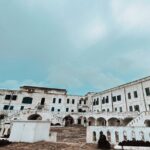
Cape Coast Castle began as a trade lodge built by the Portuguese in 1555. Later, after the Swedish conquest of the Cape Coast in 1653, the Swedish Africa Company constructed a permanent wooden fortress for trade in timber and gold. Over time, it became one of the largest European-built castles in today’s Ghana. Today it operates as a public historical museum.
Why I’d put this stop near the top of your must-dos: it’s not only “history as scenery.” It’s history with structure. The tour information also notes the presence of a Ghana Museums and Monuments Board regional setup and a gift shop featuring Ghanaian arts and crafts. That’s practical because it gives you a way to take the day home beyond photos.
There’s also a gentle reality check built into this stop. Museums can sometimes feel like a place where time freezes. The castles don’t. They feel like places where you can sense the flow—trade, processing, movement, and the cost of human lives. A strong guide makes that flow understandable instead of vague.
If you’re shopping for crafts, keep your expectations simple: this is a museum setting with a shop attached. Go for quality and fairness, not for bargain-hunting. If you’re unsure, ask questions politely and take your time.
Guides Are the Difference: Med, Malik, and Mannan’s Role in Your Understanding
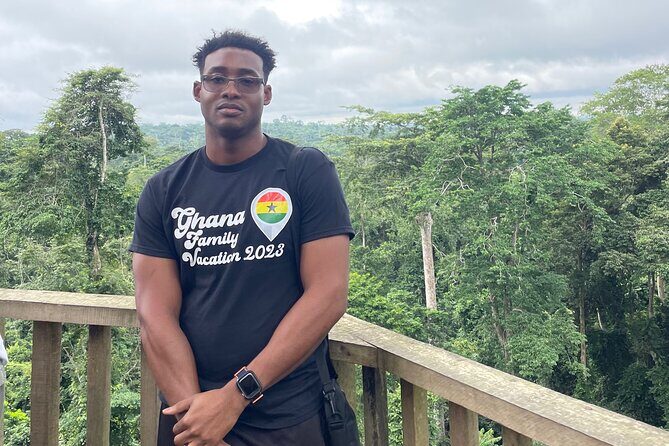
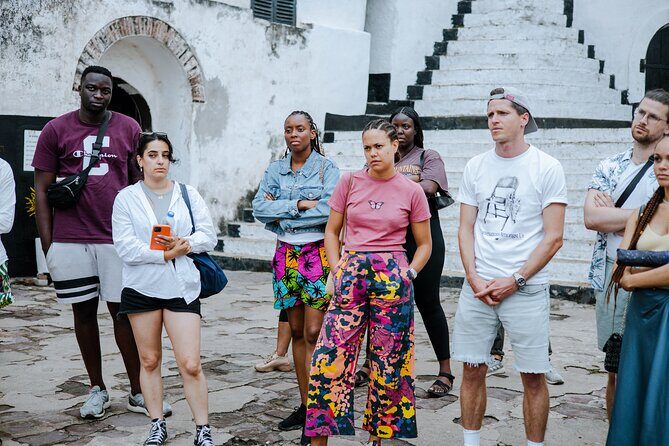
One of the most praised parts of this tour is the guide experience. The standout theme in the feedback is that the guide isn’t just reciting facts. They’re described as passionate and patient, with deep knowledge that makes the sites easier to interpret.
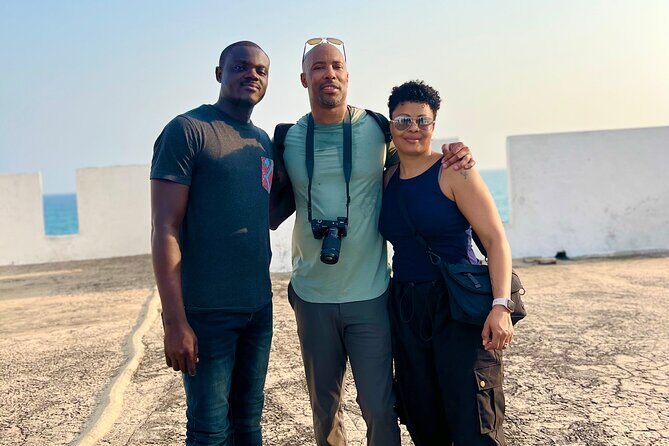
Names that came up include Med—praised for knowledge that goes beyond basics and for doing more than expected. Other guides mentioned include Malik and Mannan, described as accommodating, focused on safety, and able to turn strangers into friends by the end of the day. That kind of warmth matters when you’re dealing with painful history. You want someone who can answer questions without making you feel like you’re interrupting.
The tour also specifically aims to help with the language barrier. That’s huge in places where signs and explanations might not match your comfort level. Even if you can read basic information, a human guide helps you connect the dots: why each room matters, what each transition in the castle’s use indicates, and how the Portuguese and Swedish roles fit into what happened along the Atlantic routes.
If you take one advice from this section, it’s this: ask questions. When your guide is the kind of person who genuinely knows the material, your questions will get better answers than you’d expect.

Food, Comfort, and Included Extras: A Long Day Done the Easy Way
The day is long—11 to 12 hours—but the way it’s packaged reduces the usual pain. You’ll get air-conditioned vehicle transportation, plus WiFi on board. On a long ride, WiFi can be the difference between “checking out mentally” and staying connected.
Then there’s the practical stuff that makes the day feel cared for:
- Bottled water
- Snacks
- Breakfast
- Lunch
- All entry/admission fees
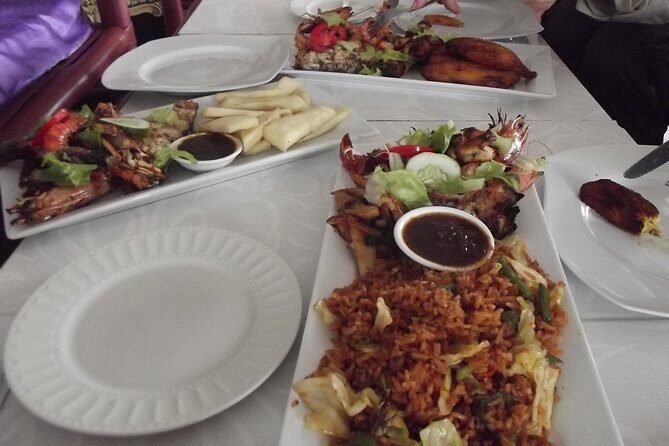
A lot of tours sell you “highlights” but leave you to figure out food, ticket lines, and surprise costs. Here, you’re not doing that work. That matters because the day includes a mix of nature and history, which means your energy needs are all over the place. Breakfast and snacks keep you from feeling drained at the wrong moment. Lunch stop between main parts helps you reset before Cape Coast.
One more comfort point: this is a private tour/activity, meaning your group participates rather than being mixed into a large crowd. Private usually means less waiting around, fewer personality clashes, and more flexibility for your pace.
Wildlife, Weather, and Your Best Way to Time Your Day

This tour calls out good weather as important. That’s directly relevant to Kakum and the canopy experience. If rain or strong wind is involved, you might face a change in plan.
For your own comfort, I’d treat the day like a full-day hike plus museum marathon. Expect heat and sun during the park portion and plan to hydrate. The tour includes bottled water, but you’ll still want to pace yourself.
Also remember that Kakum is a place where you might see monkeys and birds. That doesn’t mean you’ll spot them on demand, but it’s realistic to expect movement and sounds. Go in patient. The best wildlife moments in forested areas often happen when you slow down.
Who This Tour Fits Best (and Who Might Want a Different Style)
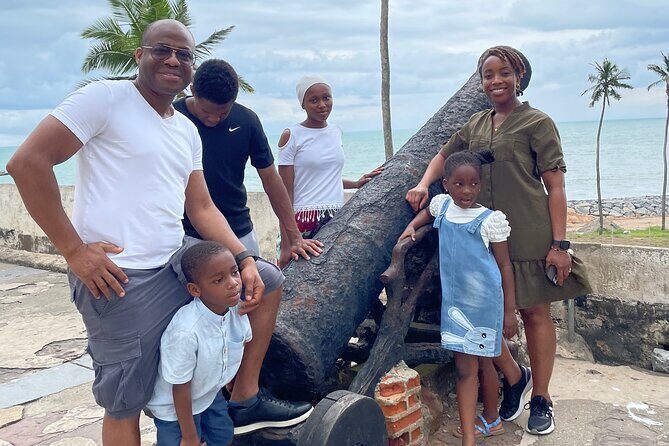
This is the right choice if you want one day that covers three major experiences without stress: Kakum National Park canopy walk, Elmina Castle, and Cape Coast Castle. It’s also a strong fit for people who care about context and prefer a guide who can explain what they’re seeing.
I’d particularly recommend it if:
- You want entry fees handled
- You prefer private group pacing
- You want a guide to reduce confusion, especially around history and language
- You’re traveling from Accra and don’t want to figure out ground transport yourself
It might be less ideal if:
- You hate early starts and long drives
- You’re extremely sensitive to the emotional weight of slave-trade history and would rather break it into smaller pieces
- You’re hoping for a fully flexible “stop wherever we want” style day (this route is organized and structured)
FAQ
FAQ
What time does the tour start in Accra?
The start time is 6:00 am, with pickup offered. The tour ends back at the meeting point.
How long does the Accra to Cape Coast tour take?
It runs about 11 to 12 hours.
What major stops are included?
You’ll visit Kakum National Park (including the Canopy Walkway), Elmina Castle, and Cape Coast Castle.
Are entry tickets included?
Yes. All entry/admission fees are included, and tickets are marked as included for the park and the castles.
What’s included for food and drinks?
The tour includes bottled water, snacks, breakfast, and lunch. There’s also a lunch stop in between the main parts of the day.
Is there WiFi during the drive?
Yes, WiFi is available on board.
Is this a private tour or a shared tour?
It’s private. Only your group participates.
Does the tour require good weather?
Yes. It requires good weather, and if it’s canceled due to poor weather, you’ll be offered a different date or a full refund.
Can I cancel and still get a refund?
Free cancellation is available. You can cancel up to 24 hours in advance for a full refund. If you cancel less than 24 hours before the start time, you won’t receive a refund.
Are service animals allowed?
Yes, service animals are allowed.
Should You Book This Accra–Cape Coast Tour?
Book it if you want a structured, high-value day that covers nature and major historical sites with transport, tickets, and meals included. The real selling point for me is the combination of logistics taken care of and guides who are praised for knowledge and care—especially at Elmina and Cape Coast, where context changes everything.
Skip it or consider a different approach if the early start, long drive, or the emotional intensity of the castles won’t work for you. If you’re okay with a full day and you want the key highlights in one go, this is a smart, efficient way to experience Cape Coast and Elmina from Accra.