REVIEW · KUMASI
Tour Kumasi City Like a Local
Book on Viator →Operated by Bilson Tours Gh · Bookable on Viator
Kumasi hits you with history fast. This 5–6 hour local-style tour mixes Ashanti royal stories with hands-on museum time, then pulls you into the sensory chaos of Kejetia Market and a real local lunch. I like the clear, structured way you move from palace rooms to sacred landmarks, and the market visit feels practical rather than staged. One heads-up: some people find the market-area sound level a bit hard for chatting at times.
If Kumasi feels like it should have a thousand stories, that’s because it does. It’s Ghana’s second-largest city and earns the nickname The Garden City for the flower species that are said to have originated in the area. Your guide also uses that bigger picture to explain how the Ashanti kingdom shaped politics, symbols, and everyday life.
I’d consider this tour if you want strong cultural context without planning your own route from stop to stop. It’s private (only your group) and built around a short set of major sites, with pickup offered and a mobile ticket—nice when you’re trying to keep your day simple. The main trade-off is that it’s still city walking, so comfortable shoes matter.
In This Review
- Key things that make this tour worth your time
- Kumasi in a day: where royal legends meet real street life
- Your guide and what private really means in Kumasi
- Manhyia Palace Museum: Ashanti power you can see
- Okomfo Anokye Sword Site and the Golden Stool story
- Prempeh II Museum: royal objects beyond the throne
- Kejetia Market like a local: huge, noisy, and unforgettable
- Price and value: what $80 includes and why it matters
- How to make the most of the day (and not hate it)
- Who this tour suits best
- Should you book the Kumasi City Like a Local tour?
- FAQ
- How long is the Kumasi City Like a Local tour?
- How much does it cost?
- Is pickup included?
- What places do you visit?
- Is entrance fee included?
- Do you get lunch on the tour?
- Is the tour private?
- Do you need to bring a ticket?
- What if the weather is bad?
- Is the tour good for most people?
Key things that make this tour worth your time
- Manhyia Palace Museum starts with a video, then you move through rooms with original artifacts and royal context.
- Okomfo Anokye Sword Site connects two Ashanti cornerstones: King Osei Tutu I and the Golden Stool legend.
- Prempeh II Museum focuses on royal life through clothing, jewelry, amulets, and personal objects.
- Kejetia Market is enormous by West Africa standards, with thousands of stalls and a real crowd energy.
- Local lunch is included, so you can refuel without hunting for food between sites.
- Private pacing means you can ask questions and adjust the day, especially in the market.
Kumasi in a day: where royal legends meet real street life
Kumasi is the kind of place where symbols show up everywhere. One minute you’re hearing how authority and tradition were encoded through objects and ceremonies, and the next minute you’re surrounded by the noise, smells, and movement of a major market.
This tour gives you both sides of that coin. You’ll spend time at museums tied to Ashanti kings, then shift to a public space where everyday commerce is the main event. That combo is what makes the day feel like more than a list of sights.
And yes, Kumasi’s reputation as the Garden City matters here too. Even when you’re not staring at flowers for hours, the city’s identity as a place shaped by nature and origin stories helps explain why locals talk about place, history, and lineage the way they do.
You can also read our reviews of more city tours in Kumasi


Your guide and what private really means in Kumasi
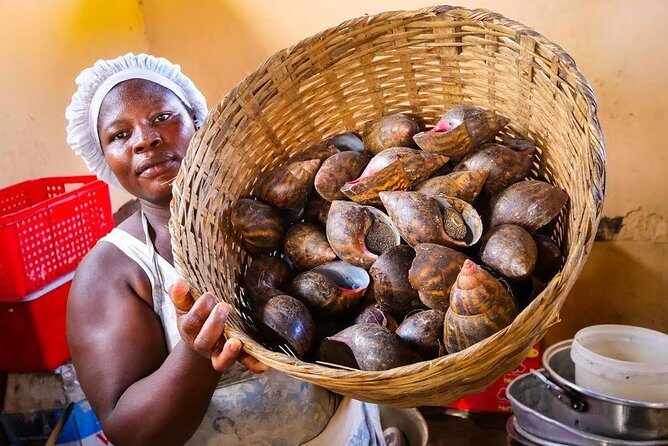
This experience is run by Bilson Tours Gh, and many guests have specifically mentioned a guide named Bilson for being warm and friendly. What that means for you is simple: you’ll have one person steering the day, translating context, and pushing you toward the best moments for photos and questions.
It’s also private, so it’s only your group. That matters in Kumasi because market streets and museum courtyards can move fast. If you’re traveling with family, older relatives, or just the kind of group that needs a bit more time at each stop, a private format helps you avoid feeling rushed.
One more practical point: pickup is offered, but the day can still involve switching between different local transport options as you move around. That’s not a downside by default. It’s more like a choice to experience Kumasi’s flow, not just ride past it in one sealed vehicle all day.
Manhyia Palace Museum: Ashanti power you can see
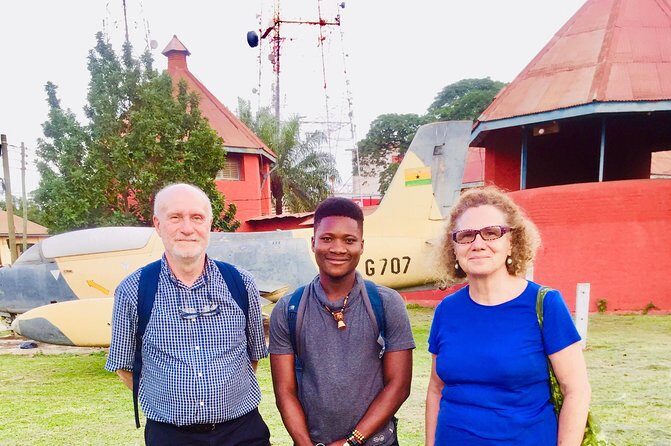
Your first major stop is Manhyia Palace Museum. The visit starts with a video that sets the stage for Ashanti history, so you’re not walking into the palace rooms cold. After that, your guide leads you through multiple rooms featuring original artifacts.
What I like about this approach is that it doesn’t treat the palace like a pretty building. It frames artifacts as evidence—things that help explain why the Ashanti empire mattered, and how specific figures shaped the story. You’ll hear about major personalities, including Yaa Asantewaa, and how the palace connects to authority and symbolism.
You’ll also hear about the current king sitting on the stool, which gives the visit a living sense of continuity rather than a stop-it-and-forget-it museum vibe.
Practical consideration: the palace museum isn’t next to a field used for a gathering of Akwaside chiefs every six weeks (so don’t expect that field to be part of your day unless your timing matches). If your visit lands outside that cycle, your guide can still explain the role of those gatherings, but you won’t see the full event.
Okomfo Anokye Sword Site and the Golden Stool story

Next up is the Okomfo Anokye Sword Site, a place soaked in legend and political symbolism. This is where you’ll hear how the Ashanti beginning is linked to King Osei Tutu I, the founder of the Ashanti nation.
The key moment here is the Golden Stool legend: you’ll learn about the place where the Golden Stool is believed to have descended onto the king’s lap. That’s not just folklore for entertainment. It’s described as a foundational moment—one that ties spiritual authority to political power.
You’ll also hear about the sword being driven into the ground by Okomfo Anokye, the chief priest. The story includes a timeframe of roughly 300 years ago, and the belief that no one can remove the sword despite attempts.
If you like sites where the meaning is as important as the scenery, this stop delivers. It’s short, but it’s dense with explanation.
Tip: wear shoes you’re comfortable standing in. This is a meaningful historical stop, and you’ll want to linger long enough to absorb what your guide is explaining.
Prempeh II Museum: royal objects beyond the throne
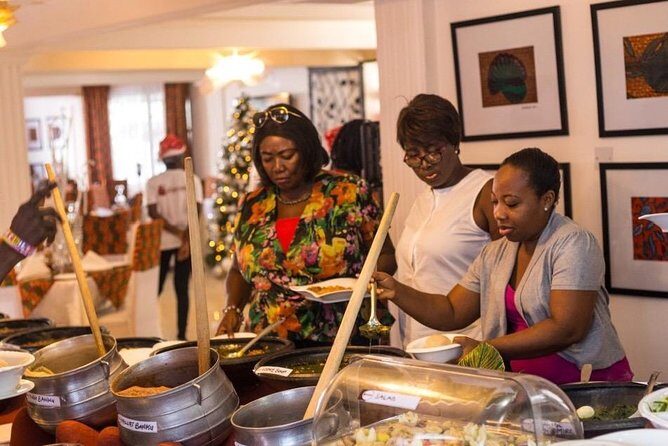
At Prempeh II Museum, the focus shifts from founding legends to royal life you can study through items. You’ll get guided context around Ashanti culture and history, then move through displays tied to King Prempeh II.
Expect to see war attire, ceremonial clothing, jewelry, and protective amulets. You’ll also run into personal items used for bathing and dining, plus furniture and royal insignia. One display you might not expect is related to weighing gold, which helps connect power, wealth, and daily royal responsibilities.
Another detail that matters: the museum is described as constructed to assemble an Ashanti chiefs house. That design choice helps the objects feel less like museum samples and more like pieces from an environment that supported a whole way of life.
Drawback to keep in mind: since the time at each stop is limited, you’ll get the key highlights rather than a slow, hour-by-hour read of every detail. If you’re the kind of traveler who loves to linger, ask your guide to prioritize a few categories you care about most before you move on.


Kejetia Market like a local: huge, noisy, and unforgettable
Then you shift from museum rooms to the real engine of the city: Kejetia Market. From a distance, the market has a reputation for looking like an alien mothership landed in the center of Kumasi. Up close, you’ll see rusting tin roofs and what feels like a circular shanty town made of stalls.
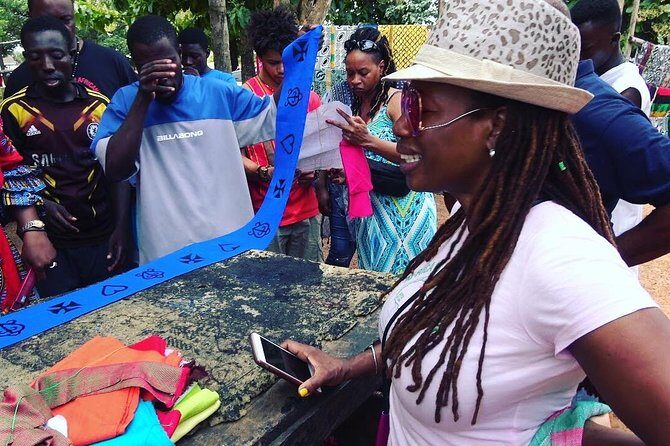
This is where the tour becomes about more than sights. You walk around the market like a local, guided so you can understand what you’re seeing without feeling lost in the noise.
A few scale details to set expectations: it’s often cited as the largest in West Africa, with 11,000 stalls and at least four times as many people working there. That scale is why the market can feel disorienting at first—and also why it’s so captivating once you start following your guide’s cues.
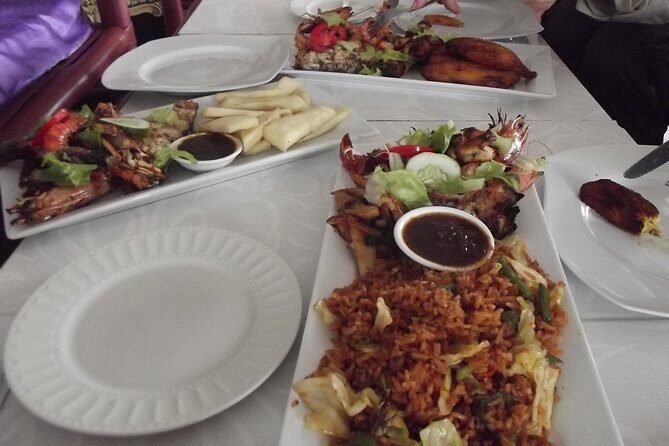
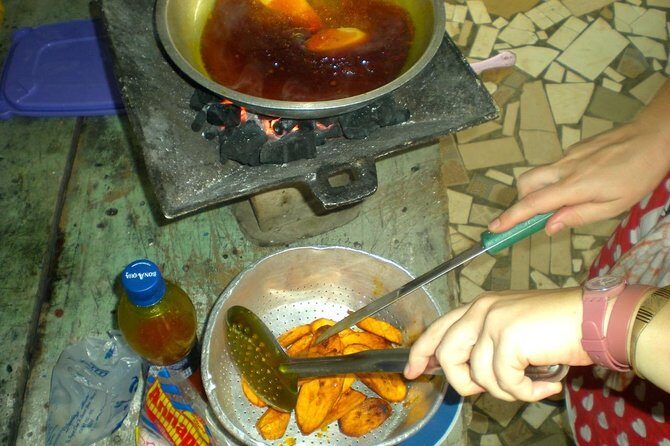
Local lunch is included here. That’s a big value add, because markets can be time traps if you have to locate food and figure out what’s safe and worth it. Having lunch folded into the tour keeps your day moving while still giving you a food experience tied to the local rhythm.
One consideration: sound levels can be loud in busy market zones. If you’re hoping to have easy conversation the whole time, build in moments where you pause and let the noise settle before asking questions.
Price and value: what $80 includes and why it matters

At $80 per person, this tour can feel like a fair deal when you look at what’s bundled.
You’re not just paying for guide time. Your included items cover:
- Transportation
- Entrance fees
- Lunch featuring local food
- Tour guide service
- Pickup offered (when arranged for your group)
- Mobile ticket
For many travelers, the real hidden cost is entrance fees plus figuring out transit plus snack stops that turn into a day-long food bill. Here, lunch and admissions are already handled, so you can spend your mental energy on enjoying the sites instead of managing logistics.
Also, the booking pattern suggests it’s popular enough to be planned ahead. If you’re flexible, that’s good news. If your dates are fixed, booking sooner helps you lock in a private slot.
How to make the most of the day (and not hate it)
Because this tour packs multiple stops in a half-day block, the comfort basics matter.
- Wear good walking shoes. Kejetia is not a gentle stroll.
- Bring light layers. Museums and outdoor market areas can feel different back-to-back.
- Have a phone charged in case you’ll need your mobile ticket during check-in.
- Plan for photos, but don’t block paths. In markets, movement is the rule.
If weather turns poor, the experience is described as requiring good weather, and you’ll be offered a different date or a refund. So if your travel week is tight, watch the forecast and don’t treat Kumasi weather like an afterthought.
Who this tour suits best
This is a strong fit if you:
- Want a first introduction to Kumasi without planning a route
- Care about Ashanti culture and history through museums and sacred sites
- Like a day that mixes “serious meaning” with everyday street life
- Prefer a private experience where your group can set the pace
It may be less ideal if you:
- Hate city walking and get uncomfortable in crowded market areas
- Need near-silent conversation the whole time (sound can be loud)
- Have a very strict timeline and expect every minute to be perfectly optimized for that
Should you book the Kumasi City Like a Local tour?
I think this one is worth booking if you want a guided day that hits the big cultural anchors of Kumasi—Manhyia Palace Museum, Okomfo Anokye Sword Site, and Prempeh II Museum—then lands you in Kejetia Market with lunch, not just a quick photo stop.
Book it if you value meaning over random sightseeing. Skip it if you want a slow, unstructured wandering day or if you dislike loud, crowded spaces. For most first-time Kumasi visitors, the mix of artifacts, sacred legends, and real market life is exactly the kind of practical cultural intro that pays off.
FAQ
How long is the Kumasi City Like a Local tour?
The tour runs about 5 to 6 hours.
How much does it cost?
It costs $80.00 per person.
Is pickup included?
Yes, pickup is offered.
What places do you visit?
You visit Manhyia Palace Museum, Okomfo Anokye Sword Site, Prempeh II Museum, and Kejetia Market.
Is entrance fee included?
Yes. Entrance fees are included.
Do you get lunch on the tour?
Yes. Lunch is included, with local food.
Is the tour private?
Yes. It’s a private tour/activity, and only your group participates.
Do you need to bring a ticket?
You’ll use a mobile ticket.
What if the weather is bad?
This experience requires good weather. If it’s canceled due to poor weather, you’ll be offered a different date or a full refund.
Is the tour good for most people?
Most travelers can participate.