REVIEW · ACCRA
Assin Manso Slave River, Cape Coast and Elmina Castle Day Tour
Book on Viator →Operated by Kwame Tours · Bookable on Viator
Assin Manso makes the coast feel personal. This day tour strings together the Assin Manso Ancestral Slave River—including the last-bath stop and a reburial site for diasporas—then moves on to Cape Coast Castle and other castle stops tied to the trans-Atlantic slave trade. I like how the route gives you context before you step into the fortress walls, and I also like that the day isn’t only sorrow: Kakum’s canopy walkway gives you a breath of living nature at the end.
One thing to consider: this is a long day (about 10 to 16 hours), and the subject matter is heavy. You’ll want to plan your energy and keep expectations realistic for a packed schedule.
In This Review
- Key highlights you’ll actually feel
- Entering the slave-trade story in the right order
- Assin Manso Ancestral Slave River Park: last bath, reburial, and meaning
- Cape Coast Castle: UNESCO walls and the Door of Return option
- Elmina Castle and the coast-circuit logic
- Kakum National Park after the castles: canopy walk, not a distraction
- Price and logistics: what you’re paying for at $280
- The guide effect: why Mike’s kind of “terrific” matters
- Comfort tips for a long, mixed-day itinerary
- Who should book this day tour (and who might rethink it)
- Should you book this Assin Manso, Cape Coast, and Elmina day tour?
- FAQ
- Where does the tour start and where does it end?
- How long is the day tour?
- What sites are included on this tour?
- Are admission tickets included?
- Is pickup from Accra included?
- Can the Door of Return ceremony be requested?
- What’s the cancellation policy?
Key highlights you’ll actually feel
- Assin Manso sets the timeline with the last bath on the route to the coast.
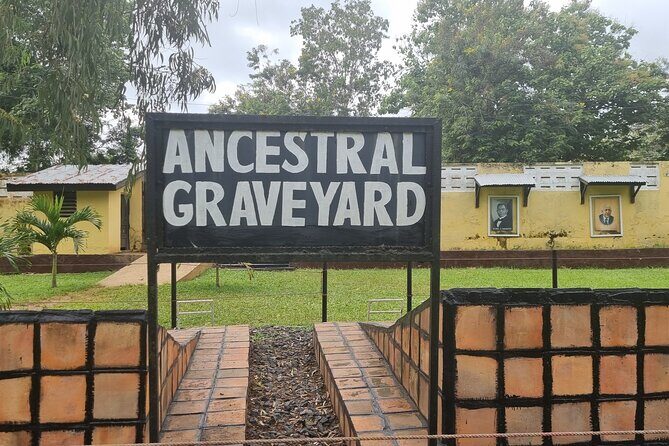
- A reburial detail that matters: returned remains of Lady Crystal and Carson were re-interred on site.
- Cape Coast Castle in UNESCO context (built in 1555) so you understand why these walls still resonate.
- The Door of Return option for the African Diaspora (requested, with an extra fee).
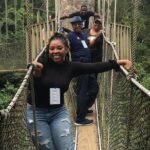
- Kakum canopy walkway contrasts the day with a 1,150-foot (350 m) treetop crossing through seven trees.
- Admissions are included for the main stops listed in the plan.
Entering the slave-trade story in the right order
Ghana’s castles can hit you like a wall—thick stone, muffled echoes, and that heavy sense of history repeating itself. What makes this kind of day tour work is the order. Starting with Assin Manso first gives you context: you’re not just looking at a monument; you’re following a route connected to the trans-Atlantic slave trade.
In Assin Manso, the focus isn’t vague. You’re taught what the site represented, including the idea of a final step before people were moved onward. That matters because when you later reach the castles, you can connect the dots between place, process, and pain—rather than treating the coast like a single stop on a map.
And yes, this is emotional. The payoff is clarity. You leave with a better understanding of how one region fed into the larger system, and how the effects still reach across generations.
You can also read our reviews of more tours and experiences in Accra.

Assin Manso Ancestral Slave River Park: last bath, reburial, and meaning
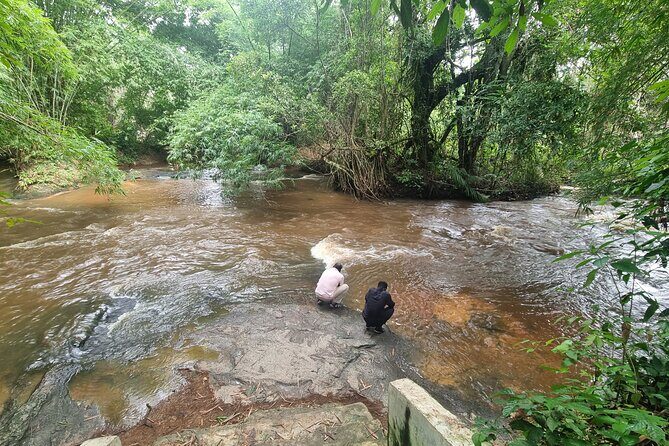
The Assin Manso Ancestral Slave River Park is the first real stop of weight. It’s described as one of the largest slave markets for gathering people to sell into slavery during the trans-Atlantic slave trade. If you care about seeing history with context, this is where you start.
What makes it especially powerful is that it connects daily life and procedure. The site is noted as where enslaved people had their last bath on the journey. Even if you’ve read about the system before, this “last bath” detail is specific enough to feel real—like the story has texture, not just dates.
Another detail you shouldn’t skip: the park also includes the site where returned remains of Lady Crystal (Jamaica) and Carson (New York) were re-buried. That’s not just a footnote. It underlines the long arc between forced separation and later efforts at return and remembrance.
Practical note: this is not a stop designed for rushing. Give it the time you’re offered (the plan lists 3 hours here) and expect to feel reflective rather than “touristy.” Bring a calm mindset. You’ll get more out of it.
Cape Coast Castle: UNESCO walls and the Door of Return option
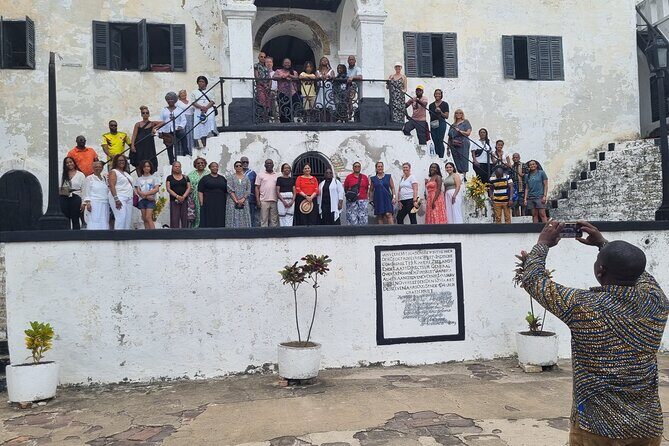
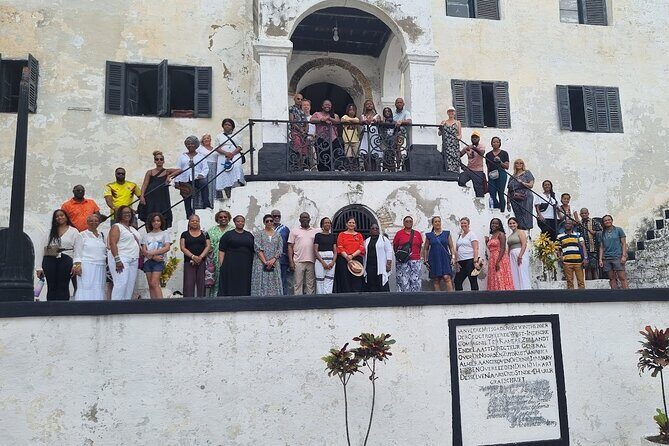
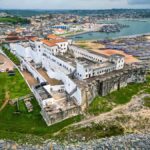
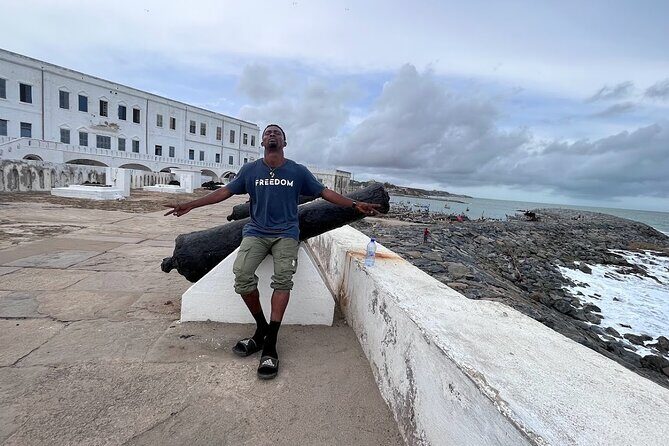
After Assin Manso, Cape Coast Castle changes the mood fast. You go from the pre-coast story to the castle setting—the place tied to capture, confinement, and the machinery of the trade. Cape Coast is a UNESCO World Heritage site, and it’s built in 1555. Those aren’t trivia facts; they help explain why this place still draws global attention.
Here’s what I like about making Cape Coast part of the same day: you can understand it as a system with stages. Assin Manso provides the lead-in. Cape Coast lets you see the coercive architecture of the trade up close.
If you’re part of the African Diaspora, there’s an additional ceremonial possibility. The Door of Return ceremony can be requested, but it comes with an extra fee. If that matters to you—either personally or as a meaningful tradition—ask ahead of time so you don’t end up scrambling during a busy schedule.
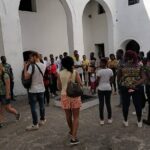
A small but important piece of advice: plan to slow down inside. With a guide, you’ll get more meaning from the rooms and corridors because they’ll connect what you’re seeing to how the trade operated. You’re not just walking through a museum; you’re tracing human choices and human control.
Elmina Castle and the coast-circuit logic
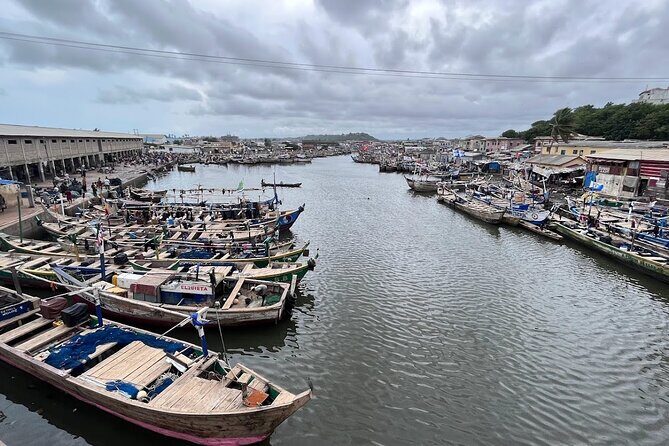
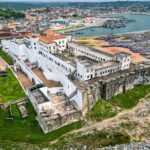
This tour is framed as a day built around the slave-castle coast, including Cape Coast and Elmina. Even when one castle feels like the headline, the deeper value comes from comparing how different forts and castles functioned as part of the same larger system.
I recommend treating Elmina as more than a “second castle.” Think of it as another angle on the same story: where Cape Coast helps you understand a particular node, Elmina helps you see how the coast was organized to move people and profit from that movement.
Because your schedule is time-managed, you’ll want to ask your guide what to prioritize inside the fort. Don’t worry if you can’t soak up every detail on your own. The best use of your time is to focus on what gives you the clearest understanding of the coast-circuit—then ask questions as you go.
Kakum National Park after the castles: canopy walk, not a distraction
One reason this tour feels balanced is the final stop: Kakum National Park. After castle walls and emotional history, Kakum gives you something physical and immediate—green space you can see, hear, and walk through.
The big event is the West Africa canopy walkway, described as the longest in the region at 1,150 feet (350 m). It connects through seven different trees, and it’s one of three places in Africa that features a canopy walk through the trees. You’ll likely appreciate this contrast if you’ve been mentally braced for the entire day.
There’s also a straightforward ecological detail that helps the park feel more real: the prominent landscape is tropical forest, noted as 90% of the park. So this isn’t just a platform with a view. It’s part of a real forest system you’re moving through.
Is Kakum a “break”? Yes, in the sense that you’ll shift from heavy indoor spaces to outdoor movement and fresh air. But it’s also a reminder: the same coast that held suffering also holds living biodiversity. That perspective change can do real good.

Price and logistics: what you’re paying for at $280
At $280 per person, the price isn’t trying to be cheap. It’s meant to cover a full, structured day that includes transportation and guided interpretation across multiple major sites.
Here’s what supports the value:
- Pickup offered in Accra, with your start point at Kotoka Airport.
- Admissions included for the main planned stops: Assin Manso Slave River Park, Cape Coast Castle, and Kakum National Park.
- A professional driver and a well-traveled, informative guide who can answer questions and keep the route coherent.
- Group discounts and a mobile ticket.
A good way to think about this: you’re not just paying to enter sites. You’re paying for the sequencing, the context, and the ability to ask what you’re seeing actually means. When the subject matter is as serious as this, the guide time matters.
The schedule is also long—listed as 10 to 16 hours. That’s typical for a day that crosses between historical sites and a park stop. If you hate long days, you’ll feel it. If you’re okay with a full outing and want everything in one hit, this fits.
Finally, the tour is private for your group only. That usually means less waiting around for strangers and more ability for your guide to tailor pacing and questions.
The guide effect: why Mike’s kind of “terrific” matters
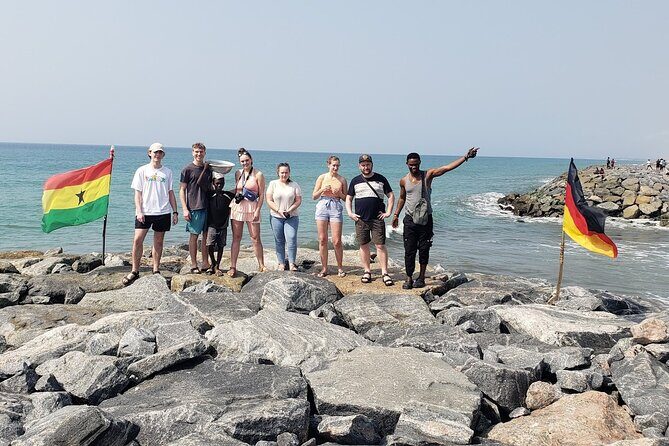
Guides can make or break a historical day. One review specifically praised the main guide, Mike, as terrific and highlighted the Assin Manso stop as especially sobering but well worth the visit.
Even without focusing on any single person, that points to a key value of this experience: you’re dealing with heavy content, and a good guide helps you understand what you’re seeing without turning it into a lecture. It’s the difference between walking past plaques and actually absorbing the story behind the details.
If you book, come with at least two or three questions:
- What is the significance of Assin Manso as the last bath point?
- How should I read Cape Coast’s spaces in terms of the trade process?
- If I want the Door of Return ceremony, what’s the best way to request it?
That kind of interaction turns a day trip into a guided learning experience.
Comfort tips for a long, mixed-day itinerary
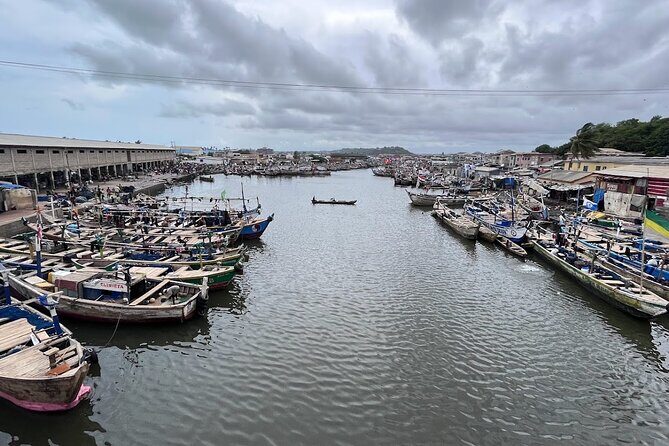
This day is not “sit and snack.” It includes walking through castles and time at a rainforest park with a canopy walkway. Here are practical things I’d plan for:
- Wear comfortable shoes with good grip. You’ll be on your feet for castle exploring and then on a walkway.
- Bring light layers. Coastal regions can shift in temperature, and parks tend to feel different from city stops.
- Have water and snacks if you’re the type who needs a steady energy level. The duration is long, and you’ll be glad to stay comfortable.
Also, mentally pace yourself. Start solemn and attentive at Assin Manso. Expect Cape Coast to feel even heavier. Then let Kakum do its job as a physical reset, even if you’re still carrying emotions from earlier.
Who should book this day tour (and who might rethink it)
This experience is a strong fit if you:
- Want a single-day route that connects Assin Manso, Cape Coast, and other castle elements into one coherent story.
- Care about understanding the trans-Atlantic slave trade through meaningful locations, not just isolated “photo stops.”
- Appreciate a structured itinerary with admissions handled and guided interpretation included.
It may be less ideal if you:
- Get overwhelmed by emotionally intense historical sites in a tight timeframe.
- Prefer shorter days or want a slower, unhurried pace without a park segment at the end.
If you’re traveling as a group and want the privacy of only your own party, the private format is a plus.
Should you book this Assin Manso, Cape Coast, and Elmina day tour?
I’d book it if you want your day to have purpose: start with Assin Manso for the route context, move to Cape Coast (and the overall castle circuit that includes Elmina), then end at Kakum for a real-world nature change of pace.
Skip booking or choose another format if you need a light day or you’re not ready for heavy subject matter back-to-back. This is an experience that asks you to pay attention—and it will reward that effort with clarity and context you can’t get from a quick stop.
If you’re the kind of person who likes organized learning, respects the seriousness of the sites, and wants value in admissions + guidance bundled into one outing, this tour is a solid match.
FAQ
Where does the tour start and where does it end?
It starts at Kotoka Airport in Accra and ends back at the meeting point.
How long is the day tour?
The duration is listed as approximately 10 to 16 hours.
What sites are included on this tour?
The plan includes Assin Manso Ancestral Slave River Park, Cape Coast Castle, and Kakum National Park. The overall experience is also described as a Cape Coast and Elmina Castle day tour.
Are admission tickets included?
Yes. Admission tickets are included for Assin Manso Ancestral Slave River Park, Cape Coast Castle, and Kakum National Park.
Is pickup from Accra included?
Yes, pickup is offered.
Can the Door of Return ceremony be requested?
Yes. For the African Diaspora, the Door of Return ceremony can be requested for an extra fee.
What’s the cancellation policy?
Free cancellation is available, with a full refund if you cancel up to 24 hours in advance. Changes made less than 24 hours before the start time aren’t accepted.