Clay, cloth, and history in one week. This 7-day artisanal-focused trip blends hands-on Ghanaian crafts with major Accra landmarks and a serious day in Cape Coast, including Kakum National Park and the slave-trade story at Cape Coast Castle.
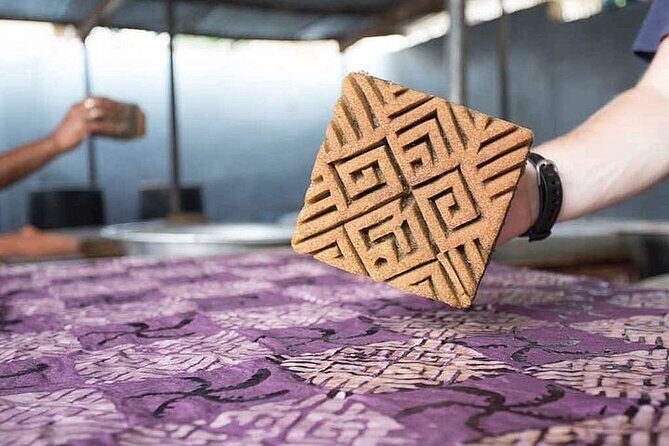
I like the craft classes because they are practical and creative, not just watching. You get to shape pottery and paint what you make, learn traditional black soap methods, and do a batik workshop where you create patterned fabric and take home two yards for sewing.
One thing to consider: at $2,610 per person, this is a premium price, so check the add-ons. Airport/departure tax and landing/facility fees are not included, and those can add up.
In This Review
- Quick hits you’ll feel in your week
- Accra arrival: easy start, private comfort, real orientation
- Happy Art Academy pottery: your hands learn faster than photos
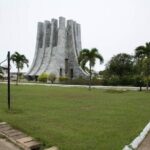
- Kwame Nkrumah Memorial Park and Accra’s independence landmarks
- Center for National Culture: history and a shopping skill test
- ALL PURE NATURE black soap workshop plus Accra’s art galleries
- Day 4 in Accra: letting the city breathe
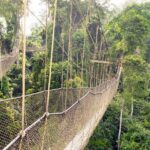
- Kakum National Park: 2 km rainforest walk or a 40-meter canopy walkway
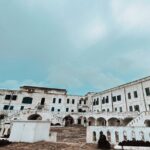
- Cape Coast Castle: close-range history at the slave-trade sites
- Batik workshop plus Aburi Botanical Gardens: craft in the morning, calm in the afternoon
- Last day in Accra: shopping time and a smooth flight out
- Price and value: $2,610 for crafts, parks, and private comfort
- Who should book this 7-day artisanal Ghana tour?
- Should you book it?
- FAQ
- Is the tour private?
- How long is the 7-day artisanal tour?
- Do they pick you up from the airport in Accra?
- What craft workshops are included?
- How long is the Kakum National Park visit?
- What historical site is visited in Cape Coast?
- Is there a free day during the trip?
- What meals are included?
- What’s not included in the price?
- What’s the cancellation deadline for a full refund?
Quick hits you’ll feel in your week
- Private, air-conditioned transportation keeps travel day less tiring, especially with early starts.
- Happy Art Academy pottery lets you shape clay and then add your own color by painting your creations.
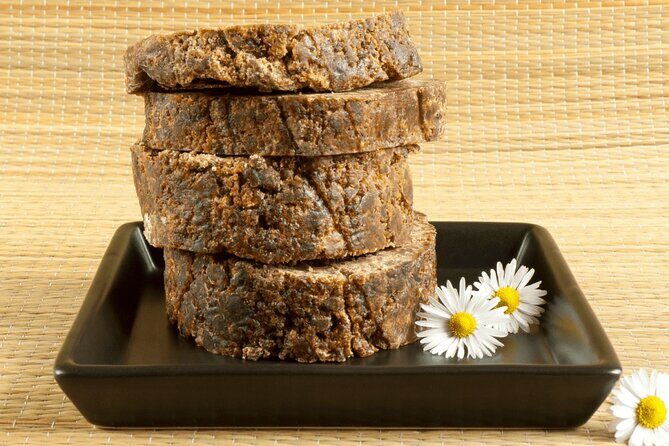
- Black soap making focuses on indigenous ingredients and how artisans mix and mold it.
- Batik with take-home fabric: you’ll leave with two yards of what you made.
- Kakum National Park gives two options: a 2 km rainforest walk or a 40-meter canopy walkway.
- Cape Coast Castle confronts the slave-trade history in the exact places where it happened.
Accra arrival: easy start, private comfort, real orientation
Day 1 is all about landing and getting settled. You arrive in Accra, then you’re transferred from the airport to your hotel with private transportation. That matters in Ghana, because the first day is when jet lag hits hardest, and you want your schedule to start calm.
You also get a head start on orientation with city highlights later in the trip: administrative and economic districts, cultural stops, and landmarks tied to Ghana’s independence story. This tour is built for that. It doesn’t treat Accra like a blur of quick photo stops.
One more practical note: you’ll have a mobile ticket for the experience. That usually helps when you’re moving between multiple locations across the city.
A few more Accra tours and experiences worth a look

Happy Art Academy pottery: your hands learn faster than photos
On Day 2, you start with a pottery class at Happy Art Academy. The session is hands-on and guided by skilled artisans, and it covers the classic core skill: shaping clay into functional pieces. Then you add your own style through painting after the form is made.
Here’s why this stop is a standout: pottery is one of those crafts where watching is nice, but doing is the real learning. With a 3-hour block, you get enough time to work, adjust, and actually feel what the clay is doing.
If you enjoy making, not just buying, this is the kind of activity that gives you a memory you can hold in your hands. Even if you’re not a craft person, the format is simple: work step-by-step, then decorate what you created.
Kwame Nkrumah Memorial Park and Accra’s independence landmarks
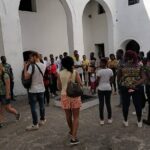
Still on Day 2, you shift gears into national story. You’ll visit Kwame Nkrumah Memorial Park, with time at Nkrumah’s mausoleum, a museum about his life, his personal residence, and the eternal Flame of African Liberation. You also spend time in the landscaped gardens that give the site breathing room instead of feeling rushed.
This part of Accra helps you connect the dots. You learn that Accra has been a capital since 1877 and that it’s also the country’s most populous city. Then the tour ties that reality to Nkrumah’s Pan-African vision and Ghana’s independence path.
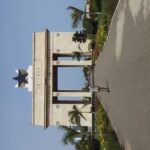
The tour also includes a broader orientation across major parts of town, plus stops such as Independence/Black Star Square, the W.E.B. Du Bois Center for Pan African Culture, and the Artiste Alliance Gallery. That’s useful because Accra’s modern art and Ghana’s independence legacy aren’t separate worlds—they overlap in how people talk about identity today.
Center for National Culture: history and a shopping skill test
Day 2 continues with Center for National Culture. You learn about important events in Ghana’s history and the role of the country’s first president in leading Ghana to independence. Then the schedule brings you back toward the arts areas, where bargaining skills come into play.
One of the practical ideas here: the tour doesn’t only show you the story. It helps you practice navigating the market side of craft and culture. That means you’re not just collecting souvenirs. You’re learning how to ask questions, compare prices, and shop with more confidence.
If you’re going to spend real time making things later in the week, this history-and-market mix is a good mental warm-up. You’ll be more curious about what you’re seeing and less likely to feel lost when you’re offered artwork and handmade goods.
ALL PURE NATURE black soap workshop plus Accra’s art galleries
Day 3 starts with black soap making at ALL PURE NATURE Skin & Hair Care Products. The session is 3 hours and focuses on crafting authentic traditional black soap using natural ingredients and indigenous techniques. You mix and mold, then customize it with aromatic essential oils and botanicals.
This workshop is valuable even if skincare isn’t your hobby. You’re learning a craft process rooted in local materials and knowledge passed through generations. Instead of treating black soap like a random product, you learn how it’s made and what choices go into it.
After that, you move into an Accra art day. You’ll visit and browse Gallery 1957, the Artists Alliance Gallery, and dot.ateliers | South La. The design here is smart: you’re not only doing traditional crafts. You’re also seeing contemporary work alongside them, so your brain can compare styles, materials, and messages.
If you’re the kind of person who likes art without needing a museum lecture, this part should feel refreshing. It’s more about walking through spaces and noticing what different artists focus on.

Day 4 in Accra: letting the city breathe
Day 4 is yours. The schedule is leisure on your own at the hotel if you want. No structured stops are listed, which is rare in a craft-heavy tour.
Use this day intentionally. If you’ve been working with clay and mixing soap, you’ll probably want downtime to recover. If you still feel energetic, you can use the free time to revisit parts of Accra that caught your eye—especially the galleries and cultural sites you saw earlier.
This kind of blank day also makes the whole week feel more humane. Travel gets heavy. A planned rest day keeps the next day in Cape Coast from feeling like punishment.
Kakum National Park: 2 km rainforest walk or a 40-meter canopy walkway
Day 5 is the nature-and-history combo day. You begin with a drive through the Denkyira Kingdom area to Kakum National Park, one of West Africa’s tropical rain forests. You get 4 hours for Kakum, and you choose your experience style:
- a 2 km nature walk through the rainforest to see exotic flora and fauna and learn about medicinal values
- or the canopy walkway hanging 40 meters above the forest floor
Both options are popular for different reasons. The rainforest walk tends to feel grounding, with a slower pace and more time noticing plants and details. The canopy walkway is more about views and perspective—literally looking across the forest from above.
Either way, you’ll get a day that breaks the workshop pattern. Instead of making things, you’re watching nature’s design in real scale.
Cape Coast Castle: close-range history at the slave-trade sites
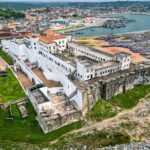
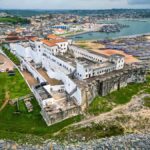
After Kakum, you go to Cape Coast Castle. This is one of those places where the setting does the teaching. The tour focuses on the forts, castlegrounds, and slave dungeons tied to the trans-Atlantic slave trade.
You’ll visit the Cape Coast Castle built by the Swedes in 1653, then later taken over by the British. The tour explains how European slave traders connected with African tribes who enabled the trans-Atlantic slave trade—and how that impact spread far beyond Africa.
This stop is intense. The dungeons are dark and stuffy, and standing in those spaces forces you to imagine conditions millions faced. For me, that is the point: it’s not abstract history. You’re inside the architecture of what happened.
If you prefer lighter days, this might feel like a lot right after a rainforest walk. Still, the schedule has a logic: nature earlier for contrast, then history once you’re energized enough to handle a harder emotional moment.
Batik workshop plus Aburi Botanical Gardens: craft in the morning, calm in the afternoon
Day 6 brings you right back to making with batik. You’ll join a workshop where you learn traditional batik production techniques using wax and dye to create patterns. The schedule says 2-hour class time within a 3-hour window, and you finish by taking your two yards of fabric home to sew into a product.
I like batik because the method is visual and patient. Wax-dye layers create results that feel earned. And taking fabric home is huge for value: you leave with something practical you can use, not just something to admire on a shelf.
After the workshop, you head to Aburi Botanical Gardens. The gardens were created in 1890 for pleasure and scientific research. They’re a habitat for plants and butterflies from around the world, so you’re not only walking through one local style of nature.
The gardens are also mentioned as easier to view thanks to rental bicycles for tours on the mountain. If you want a different pace than just walking, that’s a good option to ask about on site.
Last day in Accra: shopping time and a smooth flight out
Day 7 is set aside for shopping and final packing. You get time for last-minute browsing before noon hotel checkout and transfer to the airport for check-in and departure.
This is a smart closing structure because it follows your making days. After pottery, black soap, and batik, you’ll have a stronger sense of how things are made—and what you actually want to buy. You’ll also know what prices and materials look like, so you can shop with more clarity.
If you’re planning to bring home crafted items as gifts, keep your shopping goals simple. One or two meaningful purchases beats a bag full of random items you later regret.
Price and value: $2,610 for crafts, parks, and private comfort
At $2,610 per person, this isn’t a budget week. It’s priced like a premium private tour, and the structure supports that.
Here’s what the price gets you in practical terms:
- Private transportation in an air-conditioned vehicle across multiple locations
- 5 breakfasts included
- Admissions/tickets included for several key stops such as pottery, black soap, Kakum National Park, and Cape Coast Castle
- Mobile ticket support
What’s not included also matters. You’ll need to budget for airport/departure tax and landing and facility fees. Those extra costs can change how “fair” the price feels, especially if taxes are high at your departure time.
Also, some experience parts list admission tickets as free. That doesn’t mean the tour is free overall—it means you’re still paying for the guided structure, transport, and the major paid workshops and park access where noted.
Who should book this 7-day artisanal Ghana tour?
I think this tour fits best if you want three things together:
- hands-on crafts you can describe in detail later (pottery, black soap, batik)
- major cultural stops around Accra’s independence legacy
- one big nature and history day in Cape Coast that adds emotional weight and scale
It’s especially good for people who learn by doing. If you’re the type who likes markets but also wants context, the mix of memorial sites, culture centers, and workshops works well.
If you want nonstop action every hour, the leisure day on Day 4 might feel too open. But if you travel best with breathing room, that free time is a gift.
Should you book it?
Yes, if your idea of a good Ghana trip is part craft lab, part cultural learning, and part real-world history. The schedule is built around making things with your hands, then using Accra and Cape Coast to frame why those traditions matter.
I’d also book it if you care about comfort and logistics. Private transport and air-conditioning reduce the “heat-and-chaos tax” that can sink a multi-day trip.
Before you commit, do two quick checks:
- budget for the extra taxes/fees that are not included
- decide if you can handle the Cape Coast Castle emotional intensity paired with travel on the same day
If that sounds like your kind of week, you’ll probably come home with both memories and skills.
FAQ
Is the tour private?
Yes. It’s a private tour/activity, and only your group will participate.
How long is the 7-day artisanal tour?
It’s listed as 7 days (approx.).
Do they pick you up from the airport in Accra?
Yes. Day 1 includes transfer from the airport to your hotel.
What craft workshops are included?
Pottery making at Happy Art Academy, black soap making at ALL PURE NATURE Skin & Hair Care Products, and a batik workshop with wax and dye techniques.
How long is the Kakum National Park visit?
Kakum National Park is scheduled for 4 hours, with either a 2 km nature walk or a canopy walkway 40 meters above the forest.
What historical site is visited in Cape Coast?
Cape Coast Castle, including the forts, castles, and slave dungeons, with reference to the castle built by the Swedes in 1653 and later taken over by the British.
Is there a free day during the trip?
Yes. Day 4 is at leisure on your own, with relaxing at the hotel if you wish.
What meals are included?
Breakfast is included for 5 days.
What’s not included in the price?
Airport/Departure Tax and landing and facility fees are not included.
What’s the cancellation deadline for a full refund?
You can cancel up to 6 days in advance for a full refund (you must cancel at least 6 full days before the experience’s start time).