Kumasi tells its story fast. This two-day city tour strings together the best-known Asante landmarks plus everyday market life and craft villages, so you get both the official history and the human stuff. I really like the way it focuses on Asante culture sites without wasting time, and I also like the value: lunch and admission tickets are part of the package. The one catch is that the schedule is active, so plan for walking and travel time between stops.
I also like that this is set up as a private tour just for your group, with pickup offered. In the real world, that matters in Kumasi, because you can keep things moving at a pace that fits you, whether you’re traveling as a couple or bringing kids. If you want a guide who communicates well and can adjust to your interests, the operator has staff like Maclean and KWAME who show up as patient, careful, and practical in the way they run days.
In This Review
- Key things I’d mark on your Kumasi map
- Two days in Kumasi: why this route works
- Okomfo Anokye Sword Site: the legend and what to watch for
- Prempeh II Jubilee Museum: royal history you can actually follow
- Manhyia Palace Museum: Golden Stool connections and royal statues
- Kejetia Market: seeing trade the Kumasi way
- Bonwire kente weaving village: cloth as a living skill
- Ntonso adinkra stamping village: symbols you can understand
- Kumasi Central Market: one more slice of everyday Kumasi
- Kumasi Zoo: a useful change of pace
- Price and pacing: what $51.29 actually buys you
- Guides make it: Maclean and KWAME as a real selling point
- Who should book this Kumasi City Tour
- Should you book the Kumasi City Tour?
- FAQ
- How much is the Kumasi City Tour?
- How long is the Kumasi City Tour?
- Is pickup included?
- What’s included in the tour price?
- Which places does this tour visit?
- Is the tour private?
- What days and times does the tour operate?
- Do I need good weather?
- Are service animals allowed?
- What is the cancellation policy?
Key things I’d mark on your Kumasi map

- Okomfo Anokye Sword Site: a legend tied to unity in the Asante Kingdom
- Prempeh II Jubilee Museum: Asante heritage through a royal, museum-style lens
- Manhyia Palace Museum: statues and stories tied to kings and queens and the Golden Stool
- Kejetia Market: a major open-air market where everyday trade feels very local
- Bonwire kente and Ntonso adinkra: watch cloth-making traditions and stamping techniques at the village level
- Kumasi Zoo: a shorter stop that adds a change of pace on day two
Two days in Kumasi: why this route works
If you’re only in Kumasi for a short stay, this kind of city tour is the fastest way to get your bearings and still feel like you left with something real. The big win here is that the day plan is built around the Asante story from different angles: royal history (museums and palace), religion-and-legend (the Okomfo Anokye Sword Site), and daily life (markets and craft villages). That mix helps you understand Kumasi as more than a photo stop.
Another practical win: admission tickets and lunch are included. When those are part of the price, you don’t end up doing math all day or scrambling for cash at the gate. At $51.29 per person for about two days, it’s a straightforward option for people who want structure without paying premium rates for the privilege.
You can also read our reviews of more city tours in Kumasi


Okomfo Anokye Sword Site: the legend and what to watch for
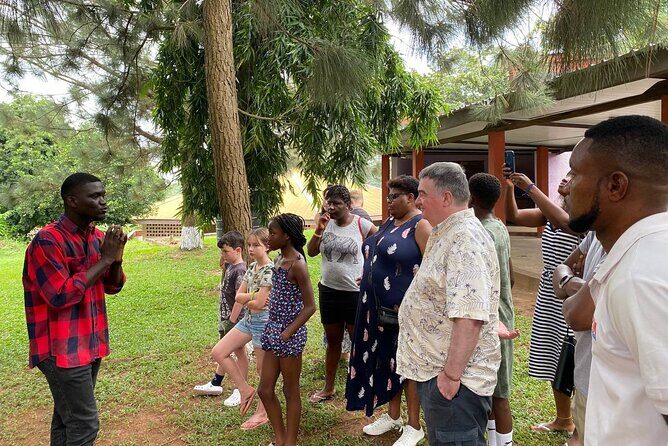
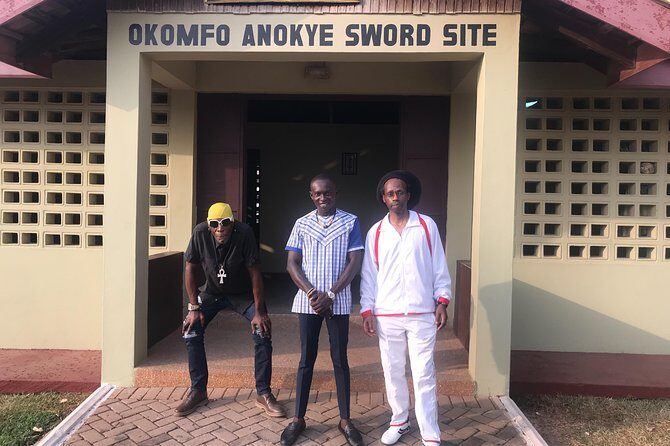
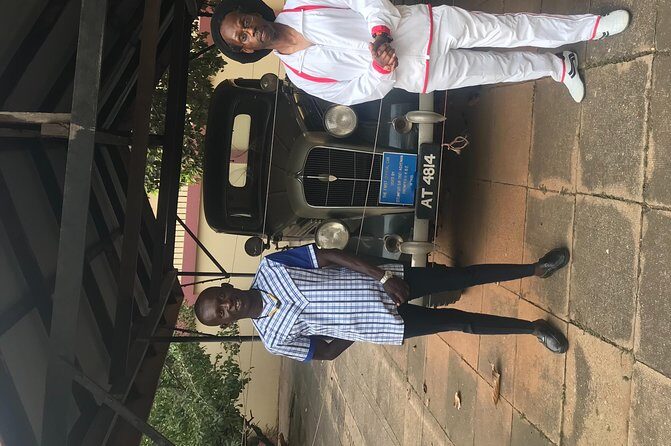
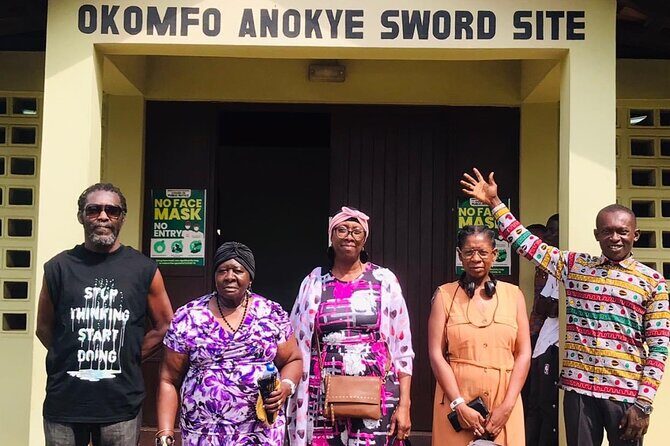
This stop is the one that anchors the tour’s Asante-the-world-is-shaped-by-meaning vibe. You’ll visit the Okomfo Anokye Sword Site, tied to the legend of a fetish priest of the Asante planting the unity sword to help secure unity in the Asante Kingdom. Even if you don’t know the details beforehand, the guide’s job here is to connect the legend to how people explain unity, authority, and cultural continuity.
What I think you’ll get out of this stop:
- A clear story you can repeat later, not just a name on a sign
- A sense of how belief and identity show up in physical places
- Time to ask questions without the pressure of a fast “next, next” rush
Tip: bring patience for respectful listening. Sites like this aren’t just museum exhibits. They work best when you treat them like living culture, not a checklist.
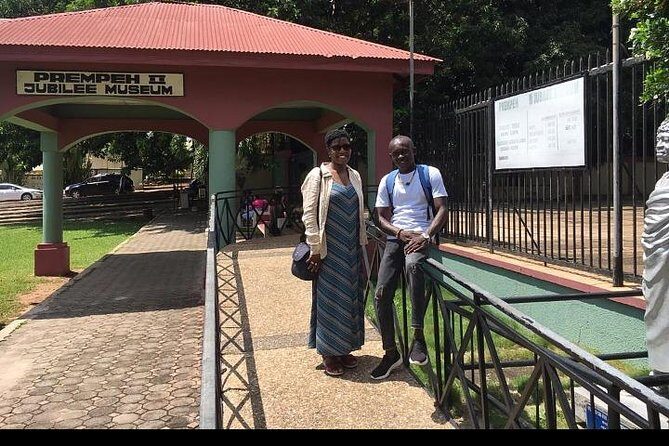
Prempeh II Jubilee Museum: royal history you can actually follow
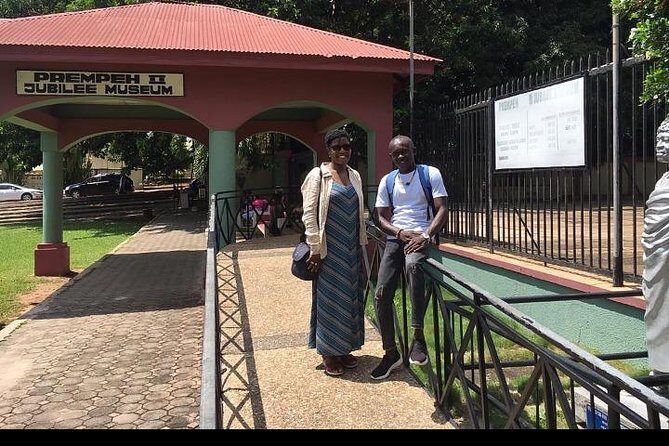
Next up is the Prempeh II Museum (Prempeh II Jubilee Museum). This is where the tour leans into the heritage and traditions of the Asante people, using the museum format to give you a guided pathway through royal-era context.
Why this museum stop matters:
- It provides a framework for understanding what you saw at Okomfo Anokye
- It helps explain the logic behind artifacts and traditions you’ll notice elsewhere
- It’s one of the places where a good guide can turn facts into a story you remember
If you’re traveling with kids, this is also the kind of stop where you can keep them focused by asking simple questions like who ruled, what changed, and why objects matter. The tour’s structure (multiple museums plus cultural sites) makes it easier to build interest instead of forcing everyone to sit through one very long indoor session.
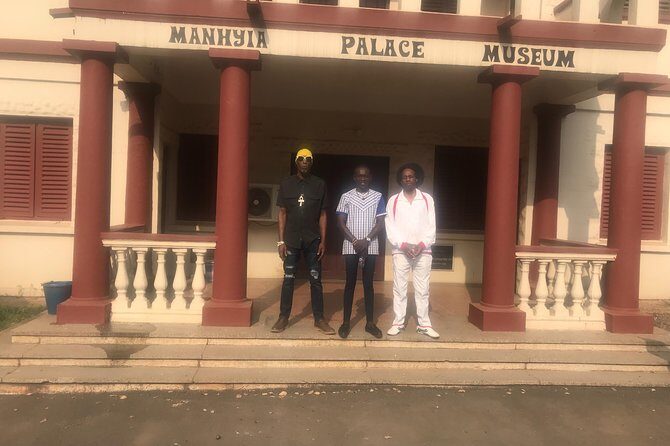
Manhyia Palace Museum: Golden Stool connections and royal statues
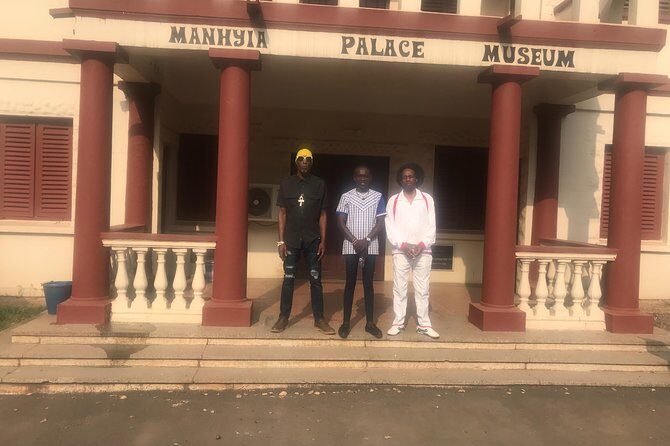
The Manhyia Palace Museum is where you’ll find statues of past Asante kings and queens, including connections to the Golden Stool. This stop helps you “see” power and continuity, not just read about it. When you combine this with the Prempeh II Museum visit, the two-day flow gives you a strong sense of how royal leadership is remembered and represented in Kumasi.
What to expect from this segment:
- Statues and curated displays that help you connect names to roles
- A focus on inheritance and symbolism
- A more personal feel than you might expect from a museum, because the palace theme makes the stories feel closer to real life
Practical note: indoor museums can be cool compared to the street. Bring a light layer if you run cold, then take it off when you’re back in the heat.
Kejetia Market: seeing trade the Kumasi way
Then the tour moves into something much more everyday: Kejetia Market, described as a huge open market in West Africa. This is the kind of place where you can get a real feel for how people buy, sell, bargain, and move through daily life.
Here’s the value of including a market in your route:
- You see the city’s rhythm, not only the formal landmarks
- It’s a shortcut for understanding local priorities and commerce
- You can ask direct questions about what items are used for and how sellers price things
The stop is also relatively short (about 45 minutes), so you won’t get stuck wandering endlessly. Use that time wisely: do one slow circuit first, then go back to what catches your eye.
Shopping reality check: the tour includes admission tickets and lunch, but personal shopping isn’t included. If you want kente, adinkra cloth, or souvenirs, set a shopping budget and treat it like a conversation. Even a small purchase can support the craft makers behind what you see later.


Bonwire kente weaving village: cloth as a living skill
This is one of the tour’s strongest culture moments because you’re not only looking at finished products. You’ll visit the Bonwire Kente weaving village, where kente weaving tradition is practiced.
What you’ll likely notice:
- The craft is a skill passed through generations, not just a product for tourists
- The pattern choices and weaving style feel purposeful, not random
- You can ask how the weaving works and what different cloths are used for
If kente interests you, this stop is worth arriving mentally ready to pay attention. Watch how work moves from material to pattern, then compare what you see here with what you may spot later in shops.
Tip: if you want a photo, ask first. Some people are happy to share, and some prefer to keep focus on the craft.
Ntonso adinkra stamping village: symbols you can understand
Next, the tour includes Ntonso Adinkra cloth stamping village, which focuses on the stamping tradition used to create adinkra designs. This is a great pairing with the kente stop because both are fabric traditions, but they’re different in process and meaning.
What makes this visit practical (not just scenic):
- You see how symbols show up physically on cloth
- You get a better sense of how design works as communication
- It’s easier to buy thoughtfully when you understand what’s behind the look
If you’re the kind of traveler who likes to bring home a story, adinkra is perfect. Even if you only learn a few symbol meanings, you’ll feel connected to what you purchase.
Kumasi Central Market: one more slice of everyday Kumasi
The tour also includes Kumasi Central Market, which adds another view of day-to-day life. Markets are where Kumasi shows up without a museum label. You’ll get another chance to see how people organize commerce and how diverse the city’s product mix feels.
How to get value from this stop: don’t rush to buy. Walk, notice, then ask your guide what’s common, what’s seasonal, and what locals use most. That turns the market from distraction into information.
Kumasi Zoo: a useful change of pace
On day two, you’ll also visit the Kumasi Zoo. The key detail in the tour info is that the zoo has been reopened, so this stop is more than a random add-on. Zoo time is a good break between cultural intensity and craft village focus.
Why I think it’s a smart inclusion:
- It slows the day down a notch
- It offers a different kind of observation compared to museums and workshops
- It can be easier for families than piling on more indoor history
Keep expectations realistic: a zoo visit won’t replace the cultural power of royal sites, but it can make the overall two days feel balanced.
Price and pacing: what $51.29 actually buys you
Let’s talk value, because this matters with city tours.
At $51.29 per person, you’re getting:
- About two days of planned stops
- Pickup offered
- Lunch included
- Admission tickets included at the listed places
That combination matters because it removes a bunch of small expenses that add up fast. You also avoid the “where do we go next” uncertainty when your time in Kumasi is limited.
The pacing is the one thing to manage. A 45-minute block at many different sites means you’ll be up and moving. Wear comfortable shoes, keep a bottle of water handy, and plan to be flexible if traffic changes the travel time between stops.
Guides make it: Maclean and KWAME as a real selling point
The strongest recurring theme from guide experiences is not just that they know the facts, but that they handle people well. I’ve seen feedback pointing to Maclean and KWAME as patient and caring, especially when children were involved. That’s a big deal on cultural tours, because kids and first-time visitors often need more than a lecture. They need someone who can slow down, explain, and redirect attention.
If you want the day to feel less like a conveyor belt and more like a conversation, you should book with a guide you can communicate with clearly. The operator contact details shared with visitors include WhatsApp and email for Maclean, which can help you confirm timing and preferences.
Who should book this Kumasi City Tour
This tour is a strong match if:
- You want a structured introduction to Kumasi in a short window
- You care about Asante royal and cultural context, not only markets
- You like hands-on cultural stops like kente weaving and adinkra stamping
- You’re traveling as a small group and want a private setup
It’s also a decent pick for families, because the format spreads history and culture across multiple stops instead of forcing everyone into one long museum day.
If you hate schedules and prefer wandering on your own, you might find the tour pace too guided. But if you want local depth without doing logistics, this plan is built for you.
Should you book the Kumasi City Tour?
Yes, if you want the highest concentration of Kumasi highlights in two days with predictable costs and included lunch. The mix of royal museums, a major legendary site, and craft villages gives you more meaning than a typical “see the sights” route.
Book with extra confidence if:
- You like guided context and asking questions
- You’re interested in Asante culture through both museums and everyday life
- You value convenience like pickup and included admissions
Skip it only if you truly want an unstructured day, because this tour is designed as a planned circuit with active time at multiple stops.
FAQ
How much is the Kumasi City Tour?
The price is $51.29 per person.
How long is the Kumasi City Tour?
It’s listed as a 2-day experience (approx.).
Is pickup included?
Yes, pickup is offered.
What’s included in the tour price?
Lunch is included, and admission tickets are included for the stops listed in the tour.
Which places does this tour visit?
The tour includes visits to the Okomfo Anokye Sword Site, Prempeh II Jubilee Museum, Manhyia Palace Museum, Kejetia Market, Kumasi Zoo, Kumasi Central Market, Bonwire kente weaving village, and Ntonso Adinkra cloth stamping village.
Is the tour private?
Yes, this is a private tour/activity, and only your group participates.
What days and times does the tour operate?
The listed hours are Monday–Tuesday from 5:30 AM to 8:00 PM.
Do I need good weather?
Yes. This experience requires good weather, and if it’s canceled due to poor weather, you’ll be offered a different date or a full refund.
Are service animals allowed?
Yes, service animals are allowed.
What is the cancellation policy?
You can cancel for a full refund up to 24 hours in advance of the experience’s start time. If you cancel less than 24 hours before the start time, the amount you paid will not be refunded.