REVIEW · ABURI
Visit Aburi Garden, Tetteh Quarshie Cocoa Farm & Waterfall
Book on GetYourGuide →Operated by MrKindFly Tours and Travel · Bookable on GetYourGuide
A day like this has one goal: fresh air and real Ghana. I like how the route strings together Aburi Botanical Gardens, a cocoa farm story, and a waterfall walk without rushing the fun. I also like that Mr. Kindfly Tours and Travel keeps the day organized with guided time at each stop, plus food and drinks handled for you. One thing to consider: the waterfall and the cocoa farm portions may feel smaller than some big-adventure expectations, so set your sights on nature walks and learning over blockbuster sights.
Here’s the good news. This is a compact, one-day plan that fits well if you want variety—plants, chocolate origins, and rainforest water—without planning transport yourself. If you enjoy thoughtful stops with a guide, you’ll get a lot out of it. If you’re the type who measures value by “how huge is the waterfall,” you might leave comparing instead of enjoying.
In This Review
- Key things I’d zero in on
- A smooth one-day loop from Accra’s doorstep
- A quick timing reality check
- Aburi Botanical Gardens: plants, views, and the craft village stop
- What to watch for (so expectations stay fair)
- Tetteh Quarshie Cocoa Farm: how cocoa arrived in Ghana
- The best part: tasting cocoa products
- How much time you’ll really get
- Asenema Falls: rainforest trails and a reality-based waterfall moment
- What you should expect the waterfall to be
- Weather and comfort
- Lunch and the small logistics that make the day feel easy
- Price and value: what $180 per person buys you
- Who gets the best value
- Who this tour suits best
- Should you book this Aburi–Cocoa–Asenema day?
- FAQ
- How long is the tour?
- Where does the tour start and end?
- What stops are included in the route?
- How long do we spend at each main attraction?
- Is breakfast included?
- What’s included in the price?
- What language is the guide?
- Is there a cancellation option?
- What’s the price per person?
- Is lunch included?
Key things I’d zero in on
- Aburi Botanical Gardens walk with hill-and-Accra views and time for the craft village
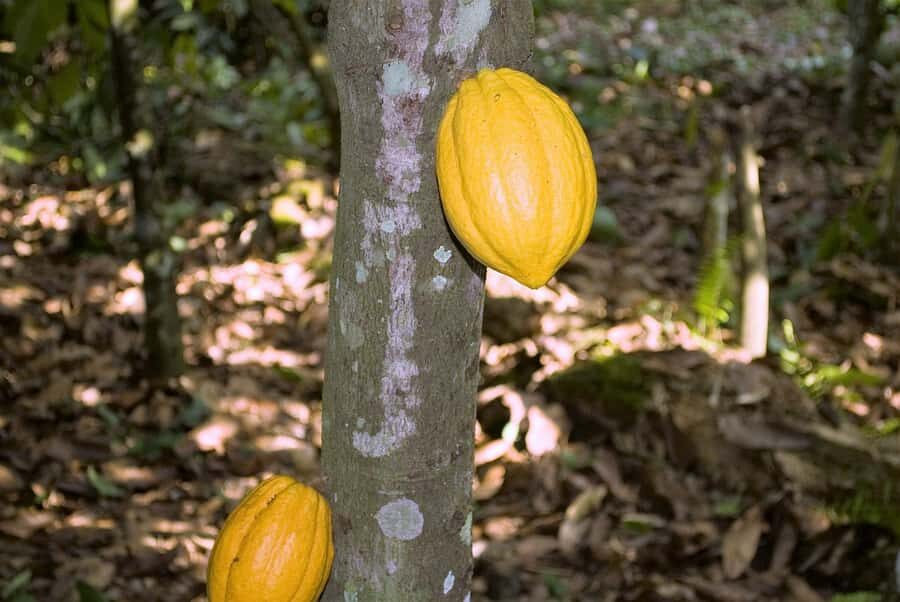
- Tetteh Quarshie Cocoa Farm history tied to how cocoa spread in Ghana
- Hands-on cocoa process from planting to harvesting and drying
- Tasting cocoa products like cocoa powder or chocolate
- Asenema Falls trails for a real rainforest feel, not just a roadside glance
- Guiding plus snacks and lunch so you’re not hunting food all day
A smooth one-day loop from Accra’s doorstep
This tour works because it’s built around a simple idea: you wake up in Accra, ride out to the Aburi Hills, then stack the best “nature + culture” stops within one day. You’ll get a hotel pickup and drop-off, and you start early so you can actually enjoy the gardens and farms in daylight. The day typically ends back in Accra around 7:00 PM, traffic depending.
I like that this format removes stress. Instead of arranging separate taxis for gardens, a cocoa farm, and a waterfall, you’re riding one route with a live English guide. That’s a big deal in a place where you’ll likely spend more effort negotiating than exploring. You also get entry tickets plus lunch, juice, a snack, and water—small comforts that add up.
You can also read our reviews of more tours and experiences in Aburi.
A quick timing reality check
The drive to Aburi is about 30 minutes from Accra, and then the cocoa farm is about 15 minutes away. That means the day stays movement-light, and most of your time is spent where you’re supposed to be—at the stops themselves. If you tend to overpack your itinerary, this one feels manageable.
Aburi Botanical Gardens: plants, views, and the craft village stop
Aburi Botanical Gardens are in the Aburi Hills area, and the payoff is immediate once you’re walking on-site. Expect a leisurely walk through a collection of tropical plants and flowers, with peaceful pockets where you can slow down. You’ll also get panoramic views from vantage points inside the gardens, including views that reach toward Accra.
What I like most here is how the gardens balance easy strolling with natural viewpoints. You’re not just looking at plants from one spot. You move through pathways, take in hillside scenes, and get a break from city life. If you’re traveling with someone who loves nature but doesn’t want a strenuous hike, this part is a strong fit.
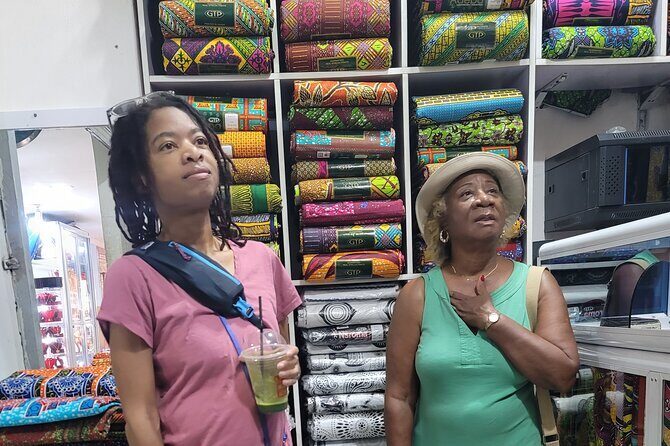
You’ll also have time to connect with local culture through the craft village. This is where you can buy local artifacts instead of leaving the experience with only photos. It’s a small window, so it helps to go in with a sense of what you’d actually like—small crafts and souvenirs are often the most practical buys on a one-day outing.
What to watch for (so expectations stay fair)
One caution: if you expect the gardens to feel like a massive theme park, you may be disappointed. Some people want “wow” size and intensity. Aburi is more about calm walking and appreciating plants and views than big spectacle. If you’re in the mood for gentler sightseeing, this stop is exactly the right tone.
Tetteh Quarshie Cocoa Farm: how cocoa arrived in Ghana
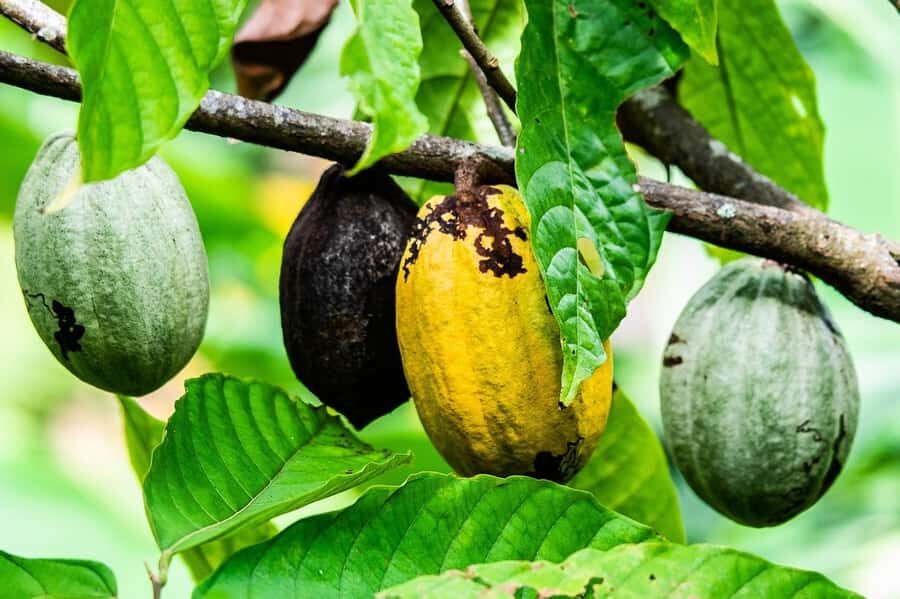
The cocoa stop is where the day turns from scenery to story. At Tetteh Quarshie Cocoa Farm, you’ll learn about cocoa cultivation in Ghana and the role Tetteh Quarshie played in introducing cocoa to the country. That matters because cocoa isn’t just “a crop”—it’s tied to Ghana’s agricultural history and how farming practices spread.
You’ll get a guided look at the farm and how cocoa grows through the full cycle. The process you’ll see typically covers planting cocoa trees, then moving toward harvesting and drying cocoa beans. Even if you already know cocoa is grown on farms, the guided walkthrough helps connect the dots between tree, beans, and the chocolate products you’ve likely tasted before.
The best part: tasting cocoa products
I like that the farm includes a chance to taste fresh cocoa products—cocoa powder and/or chocolate. That small tasting can be surprisingly educational. It turns the lesson into a sensory experience, so you leave remembering more than just dates and details.
How much time you’ll really get
You’ll spend about an hour at the cocoa farm, guided. For many visitors, that’s a good balance: enough time to understand the process and ask questions, but not so much that you feel stuck in one place. Still, keep this in mind: the cocoa farm experience can feel short or compact compared with farms you’ve seen elsewhere. Think “guided learning + tasting,” not “hours of endless viewing.”
Asenema Falls: rainforest trails and a reality-based waterfall moment
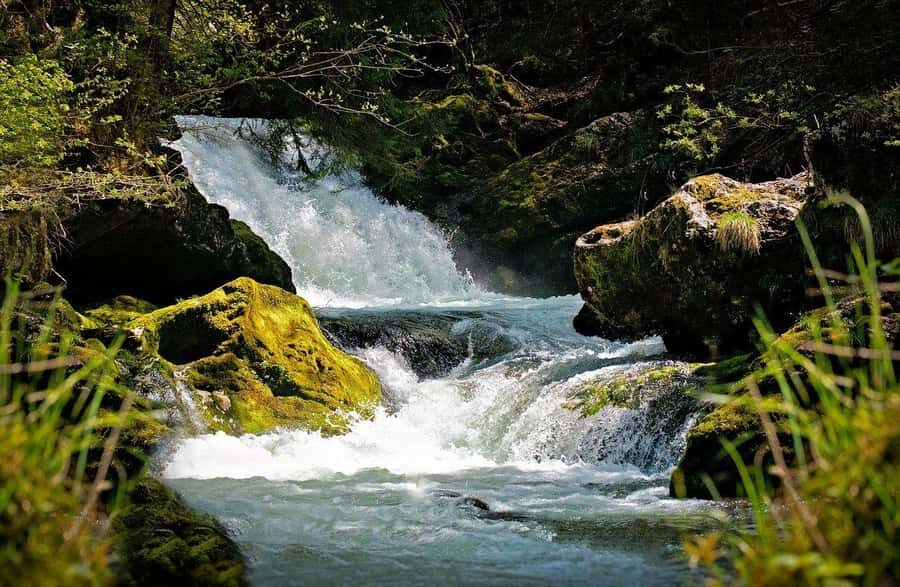
After cocoa, you head to Asenema Falls. This is another nature-focused stop, tucked into a tropical rainforest setting. You’ll arrive and then explore the surrounding area and walk along trails to experience the falls up close.
This is one of those places where the experience isn’t only about one photograph. The walking and time spent near the water are the point. If you like the sound of rushing water, shaded paths, and the feeling of being out of town, Asenema delivers that “got away from it all” sensation.
What you should expect the waterfall to be
Here’s the honest expectation-setting piece: the waterfall may not be huge on a grand-scale comparison. Some visitors find it smaller than what the tour description might make them hope for. If your personal definition of success is maximum size, you might feel let down.
But if you approach it as a rainforest walk and a calm water moment, it’s easier to love. You’ll still get the key elements: cascading water, trails to explore, and time to relax before heading back toward Accra.
Weather and comfort
You’ll be outdoors for a walk. It’s smart to plan for changes in conditions and wear comfortable shoes for trail surfaces. One practical advantage of having a guide and transport arranged is that you can keep moving even if the day gets a little unpredictable.
Lunch and the small logistics that make the day feel easy
Lunch is included, served at a local restaurant, and you’ll have about an hour there. The best value of this setup is that you’re not deciding what to eat while also trying to hit the next stop. You can focus on the day.
I also appreciate that snacks and drinks are included: juice, a snack, and water during the trip. These are the kinds of details that prevent the common mid-day slump where you’re suddenly too tired to enjoy the afternoon.
Food quality can be a concern on tours like this, but the way the day is handled helps. You’re getting a planned meal time, and the overall pacing keeps you from eating something in a rushed, uncertain setting. It’s not just convenience—it’s peace of mind.
Price and value: what $180 per person buys you
At $180 per person for a full day, you’re paying for more than a seat in a vehicle. You’re covering pickup and drop-off, guided time at Aburi Botanical Gardens and the cocoa farm, entry tickets, and a full meal plus snacks and water. You’re also paying for English-speaking guidance that can explain what you’re seeing instead of leaving you to guess.
Whether it feels like a “good deal” depends on your travel style. If you’d otherwise hire separate transport for each stop and figure out entry fees and a guide yourself, this package becomes much more attractive. If you’re comfortable DIY-ing and you already have a reliable driver, it may feel pricier—especially if you’re the type who wants only “big wow” attractions.
Who gets the best value
You’ll likely feel the value most if you care about context. Learning cocoa cultivation history and watching the process is harder to replicate on your own unless you’re already connected with a farm team. The same goes for Aburi: a guide helps you enjoy the garden walk without turning it into a list of random plants.
Who this tour suits best
This one-day route fits travelers who want a balanced taste of Ghana Central Region without a full multi-day plan. I’d point you toward it if you:
- enjoy nature walks and want views without hard hiking
- like cultural learning tied to everyday products (like cocoa)
- want a guided day that handles tickets and meals for you
- prefer a structured plan when your time is limited
It’s also a good match for mixed groups—someone can enjoy plants at Aburi, another person enjoys cocoa farming details, and everyone gets outdoors time at Asenema Falls.
If you’re mainly chasing mega-sized attractions, you might want to adjust expectations. This day is more about guided discovery than spectacle.
Should you book this Aburi–Cocoa–Asenema day?
If your idea of a great day in Ghana is walking, learning, and relaxing in nature, you should seriously consider booking. The biggest strength is the combination: Aburi Botanical Gardens for calm scenery, Tetteh Quarshie Cocoa Farm for a focused learning experience with tasting, and Asenema Falls for that rainforest-water break.
My practical advice: book with the mindset of “guided outdoors + agriculture education.” Don’t book expecting an epic waterfall scale contest. If that matches you, the structure and inclusions—entry tickets, lunch, drinks, and a live English guide—make the day feel smooth and worth the price.
FAQ
How long is the tour?
It runs for one day.
Where does the tour start and end?
It includes pickup from your accommodation in Accra and returns to Accra later in the day, around 7:00 PM depending on traffic.
What stops are included in the route?
You’ll visit Aburi Botanical Gardens, Tetteh Quarshie Cocoa Farm, and Asenema Falls, with lunch at a local restaurant.
How long do we spend at each main attraction?
The guided time at Aburi Botanical Gardens is about 1 hour, and the guided time at Tetteh Quarshie Cocoa Farm is about 1 hour. There’s also sightseeing and walking time around Aburi for about 1 hour, plus about 1 hour for lunch.
Is breakfast included?
No, breakfast is not included.
What’s included in the price?
Hotel pickup and drop-off, entry tickets, lunch, juice, snack, and water are included.
What language is the guide?
The live tour guide is available in English.
Is there a cancellation option?
Yes. You can cancel up to 24 hours in advance for a full refund.
What’s the price per person?
The tour price is $180 per person.
Is lunch included?
Yes. Lunch is included and served at a local restaurant.