REVIEW · KUMASI
Kumasi: City Tour
Book on GetYourGuide →Operated by Where Next Africa · Bookable on GetYourGuide
Five hours in Kumasi, with stories you can see. This tour strings together the Ashanti kingdom sites and the city’s everyday energy, starting at Manhyia Palace and then moving through Kejetia market and beyond. I like that it’s not just sightseeing stops; it’s a guided route that gives you the “why” behind key places like the Okomfo Anokye Sword site.
I also appreciate the wraparound cultural punch: you’ll spend time at the Prempeh Museum and the Cultural Center, where the focus shifts from royal stories to crafts and daily life. One consideration: with only 5 hours and no food or drinks included, you’ll want to pace yourself and plan for snacks and water, especially if the market gets busy under your feet.
In This Review
- Key highlights to look forward to
- Price and what $70 really covers in Kumasi
- Meeting at Manhyia Palace and how the 5-hour route moves
- Manhyia Palace: seeing the Ashanti kingdom from the seat of power
- Kejetia market: walking West Africa’s biggest open market
- Okomfo Anokye Sword site: getting the story behind the mystery
- Cultural Center: art, crafts, and conversations with local artisans
- Prempeh Museum: learning ancient ways and daily life
- Guide quality can make or break this kind of route
- What to bring and how to stay comfortable
- Who should book Kumasi: City Tour (and who shouldn’t)
- Should you book this tour?
- FAQ
- How long is the Kumasi City Tour?
- Where do I meet the guide?
- Is the tour guide available in English?
- What’s included in the price?
- Is hotel pickup included?
- Are food and drinks included?
- Is there a refund if I cancel?
Key highlights to look forward to

- Kejetia market, West Africa’s biggest open market: a hands-on stroll through central life
- Manhyia Palace context: the Ashanti kingdom’s seating area, explained by your guide
- Okomfo Anokye Sword site mystery: you’ll hear the story tied to the sword’s location
- Cultural Center arts and crafts: time for local creative work and everyday creativity
- Prempeh Museum for “how people lived”: ancient ways through museum learning
Price and what $70 really covers in Kumasi
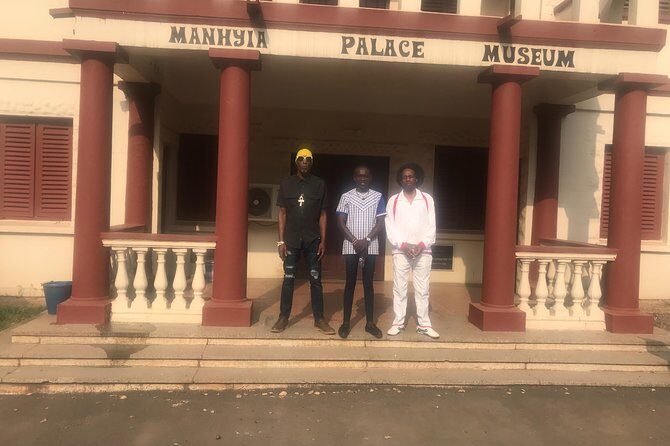
At $70 per person for about 5 hours, this tour sits in the mid-range for Ghana day experiences, mainly because it includes entry tickets to all sites and all taxes. That matters, because otherwise you can end up paying extra at each stop—here, you get a clearer total cost.
Two things are not included: food and drinks, and hotel pickup. So budget for water and a simple meal plan around the route. If you’re relying on the tour for transport from your hotel, you’ll need to line up your own way to the meeting point or request pickup from your destination (the tour notes that pickup is possible, but it’s not labeled as hotel pickup).
Bottom line: this price feels like good value if you want a guided route that hits multiple major stops without surprise entry fees.
You can also read our reviews of more city tours in Kumasi


Meeting at Manhyia Palace and how the 5-hour route moves

The tour centers on a practical starting point: the Manhyia Palace is the main meeting spot. If you’re not starting there, you can arrange pickup from your destination, but hotel pickup isn’t included, so double-check what that means for your specific situation.
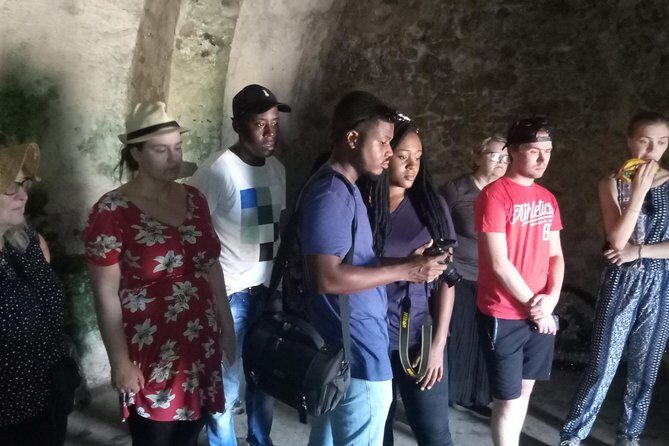
Once you meet your guide, the rhythm is straightforward: palace first, then a walking route into the market area, then the Okomfo Anokye Sword site, followed by the Cultural Center, and finally the Prempeh Museum. Because it’s a private group, the pacing should feel more flexible than a shared bus tour, but it’s still a 5-hour plan—there’s limited time for long detours.
What I like about this structure is the logic: you start with Ashanti leadership context (palace), then go to everyday city life (Kejetia), then hit the spiritual/historical anchor (sword site), and close with culture you can study at a museum level (Prempeh).
Manhyia Palace: seeing the Ashanti kingdom from the seat of power
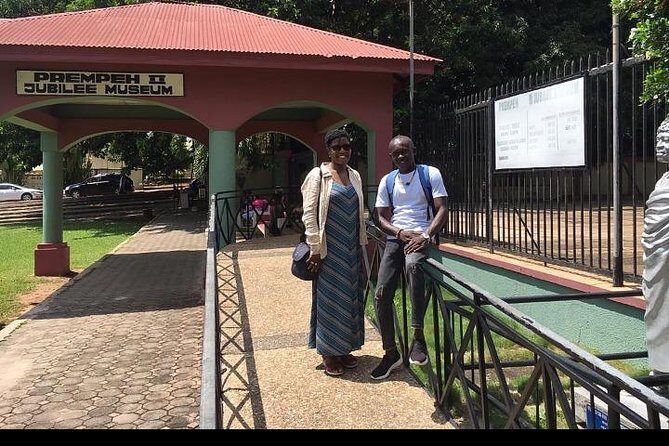
Your first big stop is Manhyia Palace, described as the seating area of the Ashanti kingdom. Even if you’re not a “history person,” this is a useful starting point because it gives you a frame for the rest of the day.
Instead of jumping straight into markets and crafts, you’ll get a guided orientation first. That helps you understand what you’re looking at later—especially when the tour moves toward sites connected to Ashanti stories and traditions.
A practical note: palace visits tend to be more structured than market wandering. Wear comfortable shoes and expect a bit of standing and walking before you get back into the busier streets.
Kejetia market: walking West Africa’s biggest open market
From the palace, you’ll walk into Kejetia market and the central business area. The tour calls Kejetia the biggest open market in West Africa, and you should treat that as a hint: this is not a quick browse.
What you can expect is active street-level life, the kind where your guide becomes more than a translator. They help you make sense of what you’re seeing so you don’t just pass through noise.
Here’s how I’d make this stop work for you:
- Keep your phone and wallet controlled, especially when crowds thicken.
- Go slow. A market like this rewards attention, not speed.
- Ask your guide what’s most typical to find there, then use that as your mental checklist while you stroll.
One drawback to consider: markets can be physically and mentally tiring. If you’re sensitive to crowds or heat, plan water breaks and don’t feel like you must see everything at once.
Okomfo Anokye Sword site: getting the story behind the mystery
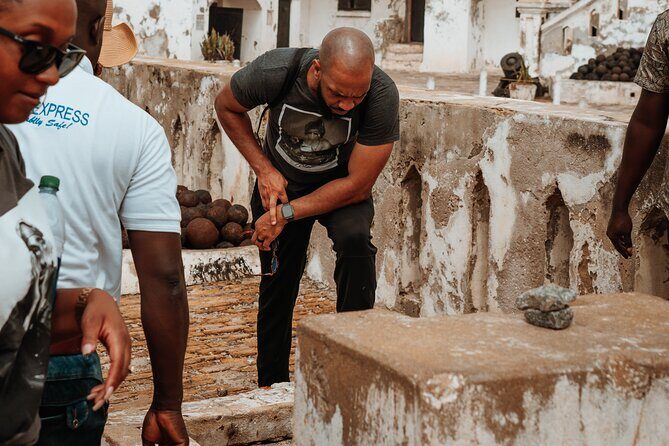
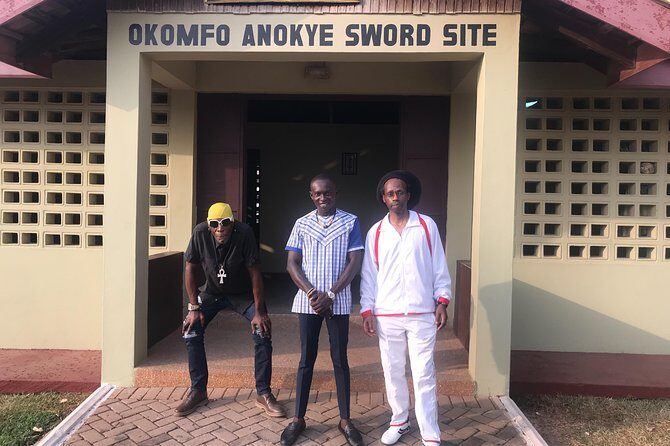
Next up is the Okomfo Anokye Sword site, where the tour’s focus is to unveil the mystery behind the sword site. That phrasing matters. This isn’t just a photo stop; it’s a narrative stop.
Your guide’s job here is key: they’re helping connect the location to meaning. Even if you don’t catch every detail, you’ll leave with a clearer picture of why this place gets attention in Kumasi and why it’s tied to Ashanti memory.
Practical tip: treat this stop like a learning moment, not a wander moment. Listen closely, then take photos only after you’ve got the story in your head—otherwise the site becomes just another landmark.


Cultural Center: art, crafts, and conversations with local artisans

After the sword site, you head to the Cultural Center, where you’ll admire art works by local artisans. This part of the tour shifts gears from historical place to creative output.
I like this sequencing because it helps your brain switch from “listening to stories” to “seeing stories in objects.” Crafts are often easier to connect to personal taste, too. You can focus on the styles you respond to—materials, design, technique—without needing to understand every historical detail.
A small caution: in any arts-and-crafts area, shopping can happen fast if you’re not paying attention. If you’re not there to buy, you can still enjoy the walk and conversation. Just keep your boundaries polite and clear.
Prempeh Museum: learning ancient ways and daily life
The final stop is the Prempeh Museum, where you’ll learn more about the ancient ways and how people of the Ashanti kingdom lived. This is the “slow down and absorb” section of the day.
Museums work best after you’ve already placed the culture into context, and that’s exactly what the earlier stops do. By the time you reach Prempeh, you’ve seen the palace setting, you’ve walked market life, and you’ve visited the sword site. That makes the museum material feel less like a random collection and more like a continuation.
Expect this to be more about information than movement. If you’re the kind of visitor who likes facts and clear explanations, you’ll likely enjoy this ending. If you prefer constant motion, you might feel the time more as a seated learning stretch—but it’s a good trade for variety.
Guide quality can make or break this kind of route
This tour lives or dies by your guide, and the feedback is strong on that point. In the reviews, Ibrahim is singled out as very knowledgeable and genuinely friendly. Another guide, Prussia, is described as upbeat and friendly, and that personality seems to help people experience Kumasi like a local.
That’s not just nice to hear—it’s practical. In places like Kejetia and the cultural stops, a guide helps you interpret what you’re seeing and keeps the day from turning into a random checklist. It can also reduce frustration if you’re unsure where to look or what to ask.
If you care about learning, book this tour with the mindset of asking questions. The route is designed to support that.
What to bring and how to stay comfortable
You’ll want to be ready for a walk-and-visit day. The tour suggests:
- Water
- Passport or ID card
- Comfortable shoes
I’d add one more piece of common sense based on the stops: bring something you can use to manage the market environment—sunscreen if the day is bright, and keep your phone protected in crowded areas. Even without that added gear, the provided items will cover the big essentials.
Also, note that the tour is not suitable for pregnant women and people with mobility impairments. That points to a level of walking and on-your-feet movement that may be hard to manage across the route.
Who should book Kumasi: City Tour (and who shouldn’t)
This is a great choice if you want a single half-day that ties together several major Kumasi touchpoints: palace, market, a key historic/spiritual site, cultural arts, and a museum finish.
It’s especially suited to:
- People who like guided walking tours
- Visitors interested in Ashanti kingdom context
- Anyone who wants both city life (Kejetia) and culture learning (Prempeh Museum)
Skip it if:
- You need minimal walking time
- You have mobility limitations or are traveling with accessibility needs (the tour lists these as not suitable)
- You don’t want to manage snacks, since food and drinks aren’t included
Should you book this tour?
If your goal is a focused 5-hour introduction to Kumasi with organized stops and included entry fees, I’d say this tour is worth booking. The best reason is the combination: you don’t just see places—you get guided explanations at multiple points, from the palace to the sword site to the museum.
Book it if you’re happy doing some walking and you’re comfortable planning your own meal and water. If you want a relaxed day with lots of breaks and included meals, this one may feel tight.
FAQ
How long is the Kumasi City Tour?
The tour duration is 5 hours.
Where do I meet the guide?
The central meeting point is the Manhyia Palace, or you can arrange pickup from your destination.
Is the tour guide available in English?
Yes, the live tour guide speaks English.
What’s included in the price?
Entry tickets to all sites and all taxes are included.
Is hotel pickup included?
No. Hotel pickup is not included.
Are food and drinks included?
No. Food and drinks are not included.
Is there a refund if I cancel?
Yes, you can cancel up to 24 hours in advance for a full refund.