REVIEW · ACCRA
9-Day Private Guided Tour of West Africa (Ghana, Togo & Benin)
Book on Viator →Operated by AL ECO TOUR · Bookable on Viator
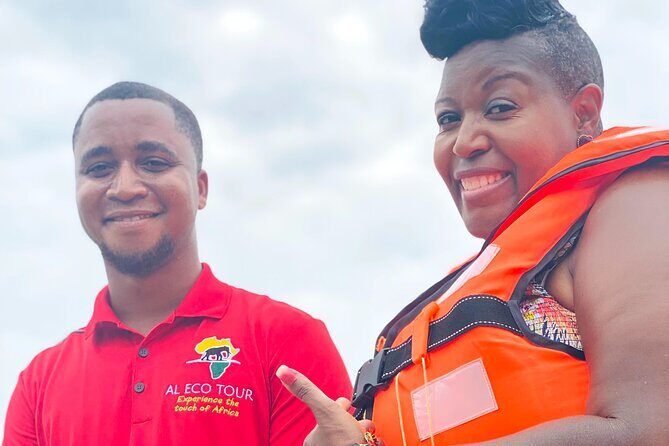
Three countries, one guided rhythm. This 9-day private tour connects Ghana, Togo, and Benin with pickup, an air-conditioned car, and onboard WiFi, so the trip feels smooth even when the days get packed. I like the way the guide team communicates ahead of time and then keeps the pace comfortable once you’re there, with Sam showing up as a standout for staying tuned to what you want to see.
My favorite part is how it stitches nature and heritage together without turning it into a rushed checklist. You get the Kakum canopy walk experience, then move to the monkeys at Tafi Atome and the dramatic drop at Wli Waterfalls, with enough time at each stop to actually look around.
One consideration: you’re moving from town to town early in the day, and the route depends on good weather. If you don’t like walking (or if you’re sensitive to heat and sun), the hike up Mount Afadjato and the waterfall viewpoints can feel like a real day of effort.
In This Review
- Quick hits you’ll appreciate before you go
- First day in Accra: memorials, Black Star Square, and markets with context
- Accra to Kakum: canopy walks and the coast at Elmina Castle
- Tafi Atome monkeys and cultural village time
- Wli Waterfalls plus a hike toward Mount Afadjato
- Lomé’s Grand Marché and the independence-era museum stop
- Agbodrafo slave history and Togo Ville: learning that can feel hard
- Temple des Pythons and the Door of No Return in Ouidah
- Ganvie slit village: boats, stilts, and a living way of being
- The last stretch back to Accra: a smooth landing
- Price and value: what $3,700 gets you (and what it doesn’t)
- Days are full: when this itinerary feels perfect (and when it won’t)
- Who should book this 9-day Ghana–Togo–Benin private route?
- Should you book?
- FAQ
- Is this a private tour or shared with other people?
- What languages are available for the tour?
- What time does the tour start each day?
- What’s included in the tour price?
- Are admission tickets included?
- What is not included?
- Do I need good weather for the experience?
- Can I cancel and get a full refund?
Quick hits you’ll appreciate before you go
- Private guidance in English or French so explanations actually land, not just the basics.
- AC car plus WiFi onboard for long stretches between Ghana, Togo, and Benin.
- A mix of major sites and local life, from Accra memorials to Lomé’s market energy.
- Kakum canopy walk and Wli Waterfalls give you nature that feels special, not just scenic.
- Tafi Atome monkey sanctuary adds an interactive wildlife moment with a cultural village feel.
- Ouidah stops built around remembrance, including the Temple des Pythons and Door of No Return.
First day in Accra: memorials, Black Star Square, and markets with context
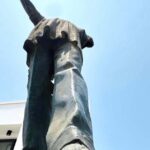
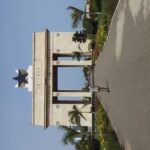
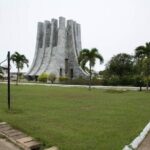
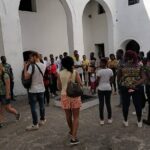
Accra is a smart place to start because it sets the tone: politics, culture, and identity. Your day begins with pickup, then you’ll work through some of the city’s best-known landmarks, including the Dr. Nkrumah Memorial Museum and Black Star Square. Plan for a lot of “wait, that’s the point” moments here—these aren’t just photo stops.
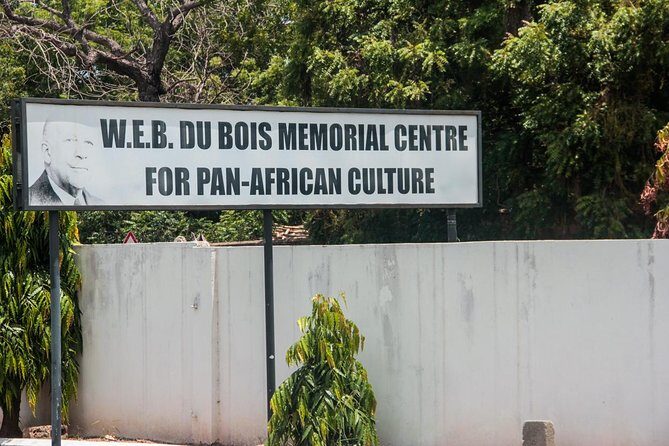
Next up is the W.E.B. Du Bois Memorial Center, which helps frame the wider story of West Africa’s role in global ideas. Then you’ll head to the Art Centre and Makola Market. This pairing matters: one side of the city speaks through design and expression, and the other side speaks through everyday trade.
Practical note: markets can be fast-moving and crowded. If you prefer slow strolling, ask your guide to time your walk for quieter moments. It’s still worth going—Makola is where you see how people live, buy, and chat.
You can also read our reviews of more guided tours in Accra

Accra to Kakum: canopy walks and the coast at Elmina Castle
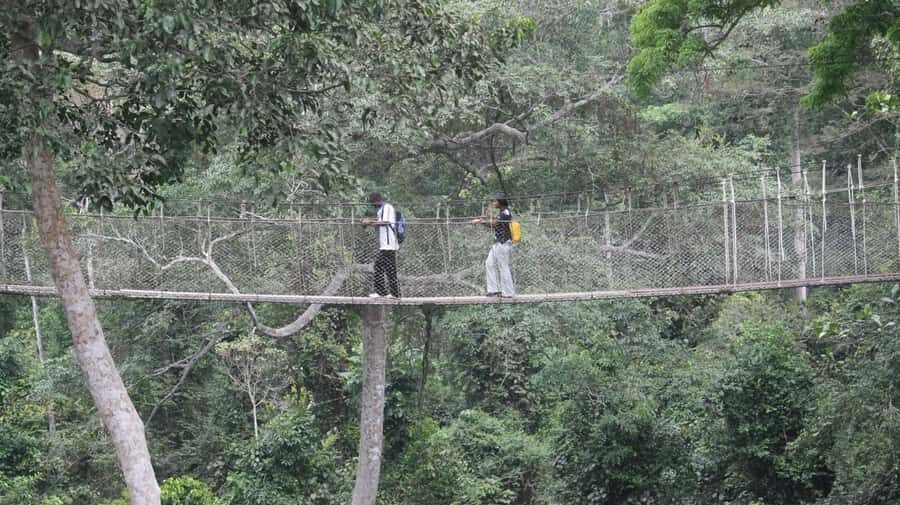
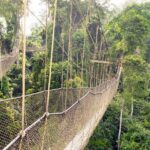
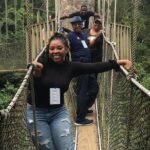
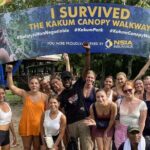
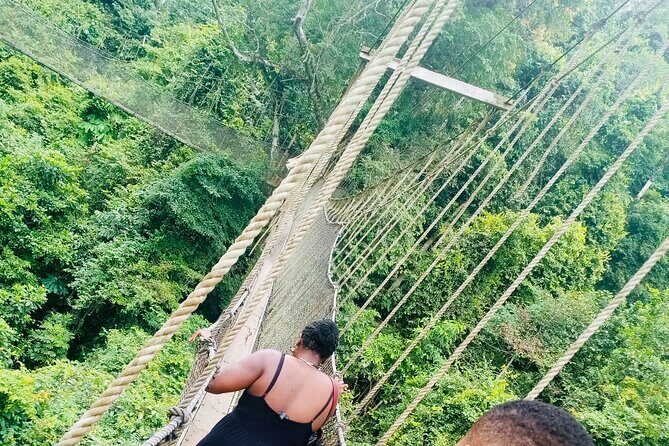
After you leave Accra, the trip shifts into a different mode: forest air and coastal history. Kakum National Park is the star here, with the canopy walk experience. This is one of those activities that changes your perspective, literally. From up in the trees, you get a different sense of scale and you can spot wildlife movement through the forest canopy.
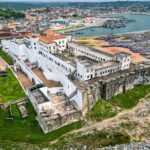
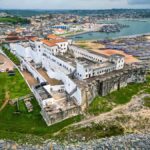
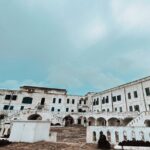
Then you continue to Elmina and its castle. Elmina Castle is heavy history, and your time there is typically focused on understanding the past rather than rushing for photos. When you pair it with the canopy walk, it makes the contrast hit harder—in one day you go from living ecosystems to sites shaped by human conflict.
A drawback to know in advance: both Kakum and Elmina take focus. If you’re tired, you might miss small details. The fix is simple: slow down, ask questions, and let your guide guide you through what to look for.
Tafi Atome monkeys and cultural village time
One of the tour’s most memorable stops is Tafi Atome Monkey Sanctuary and Cultural Village. You don’t just pass through; you spend a couple hours here, which is the difference between seeing animals from a distance and actually experiencing the space.
I like this stop because it’s not only about the monkeys. The sanctuary setting gives you a better sense of local relationships with wildlife, and the cultural village component helps you connect what you’re seeing to the people who live around it. Expect to be close enough to feel the energy in the area.
If you’re visiting with kids, this is often the moment that breaks up the heavier history. If you’re traveling solo, it can feel like a breath of fresh air.
Wli Waterfalls plus a hike toward Mount Afadjato

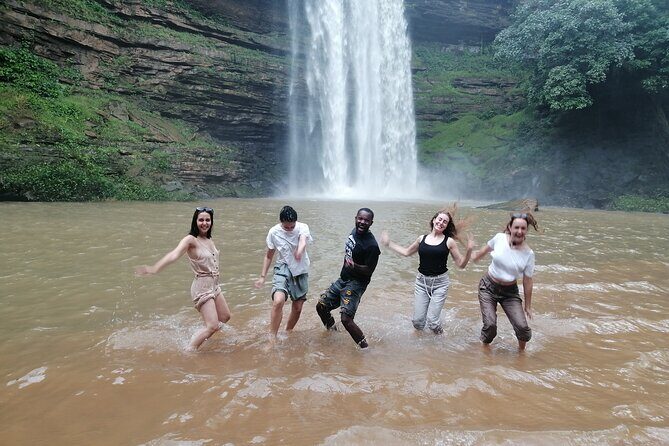
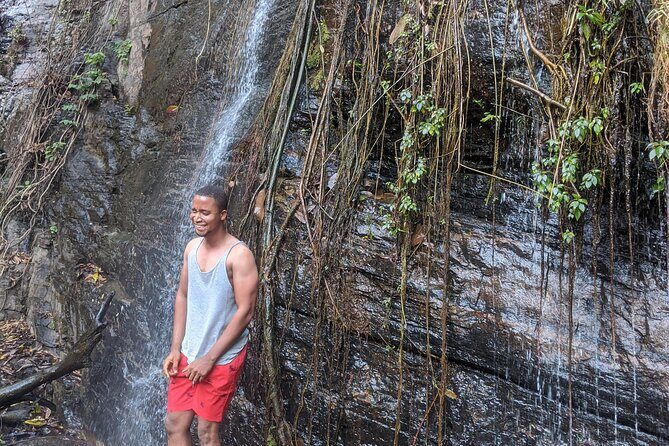
From Tafi Atome, the route heads toward Wli Waterfalls. This is the kind of natural stop that feels worth the effort: water, viewpoints, and time to take it in. The total time set aside is about an hour, so you’ll want to move at a comfortable pace and save your best photos for when the lighting looks right.
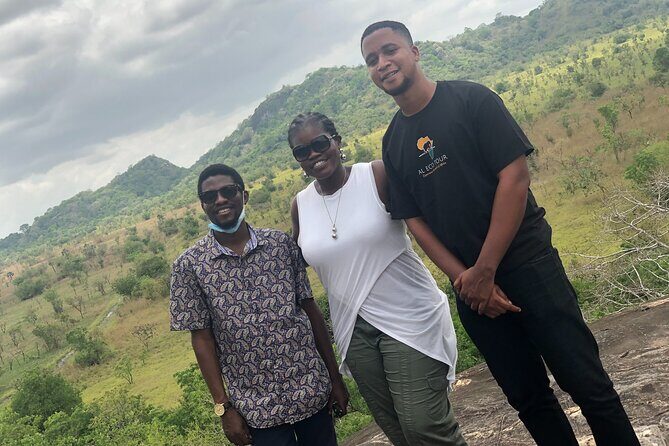
And since the tour overview includes a hike up Mount Afadjato, you should expect at least one more active block during the trip. That’s a plus if you like moving your legs, and a stress point if you’d rather keep days lighter. Either way, it’s part of why the itinerary doesn’t feel like a series of museums.
Tip: bring water and something light for sun protection. With outdoor time, those practical items matter more than you think.
Lomé’s Grand Marché and the independence-era museum stop
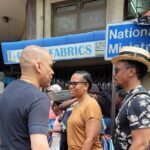
Heading into Togo brings a big shift in daily rhythm. Day five centers on Lomé with a Grand Marché visit. Four hours is a generous amount of time for a major market. You’ll see stalls, trade, and the fast energy that makes markets worth the visit. You’ll also have enough time to ask questions without feeling like you’re sprinting.
Then you’ll visit the National Museum and Monument de L’indépendence. This part helps you connect the earlier Ghana stops to what’s happening across the region. If you like your travel with meaning (not just movement), this museum block adds depth.
The final stop on that day is Akodessewa, described as the biggest fetish market in Africa. That’s a site you should approach with respect and curiosity, since it can be culturally unfamiliar. Let your guide set the tone for what you’re allowed to photograph, what questions are appropriate, and how to understand what you’re seeing.
You can also read our reviews of more private tours in Accra

Agbodrafo slave history and Togo Ville: learning that can feel hard
In Togo, the itinerary spends time at Agbodrafo, including visits to the slave castle and Togo Ville. Five hours is long enough that the day can feel emotionally loaded, and it also gives you the chance to not rush. Your guide’s job here is important: good explanations turn a site from “I’ve seen it” into “I understand why it matters.”
This is one of the days where you should give yourself permission to pause. If you find yourself overwhelmed, take a step back, drink water, and keep going only when you feel ready. You’re not failing the experience—you’re processing it.
Temple des Pythons and the Door of No Return in Ouidah
Benin’s Ouidah portion is the spiritual and historical center of the trip. You start at the Temple des Pythons, then you move into Door of No Return experiences, including La Porte Du Non Retour and the Ouidah Museum of History.
This is where the tour’s balance shows. The itinerary doesn’t only hit monuments. It also includes museum context and multiple related sites, so you can understand the story at different levels.
A practical note: sites like these are meaningful and sometimes intense. Dress comfortably, keep your mind open, and let your guide explain the symbolism and history in a way that fits your pace. If you ask questions, this part tends to become more than a stop—it becomes a clear lesson you’ll remember.
Ganvie slit village: boats, stilts, and a living way of being
On the last full day, you head to Ganvie, the slit village. You’ll spend about two hours here, which is the right length for wandering, watching village life, and taking in the setting without feeling rushed.
Ganvie is visually memorable because of how the village sits on the water. But what makes it worth your time is the sense of daily life continuing around you. Even with photos in mind, stay a little longer to watch routines, because that’s where the place starts to feel real.
The last stretch back to Accra: a smooth landing
Day nine ends back in Accra with drop-off at your hotel or the airport. The time allotted is about 40 minutes, so the goal is a clean finish, not more sightseeing. After nine days of movement, this is exactly what you want: clear handoff, no confusion, and time to reset for your next steps.
Price and value: what $3,700 gets you (and what it doesn’t)
At $3,700 per person, this isn’t a budget trip. What you’re paying for is a private format plus the cost of doing three countries in one sweep without having to arrange everything yourself.
Here’s where the value shows:
- Private transportation with air conditioning and WiFi helps you stay functional between stops.
- A guided route in either English or French means you’re not decoding sites alone.
- Admissions are partly covered (for example, Kakum canopy is included, Wli and other listed entries are marked included), while others are free, which reduces surprises.
What isn’t included also matters. The tour lists bicycle use as an extra at $10 per hour. If you plan to rent bikes or add extra logistics, budget for that. Also, meals beyond the included breakfasts aren’t listed as included, so you’ll still be making some decisions at local spots.
If you’re the type who likes having a plan but doesn’t want to feel herded, private can be a good fit. If you prefer freedom and self-guided time, you might feel the structure is tighter than you’d like.
Days are full: when this itinerary feels perfect (and when it won’t)
This route works best if you want a set path across Ghana, Togo, and Benin and you like learning from someone who can explain what you’re seeing. The best reviews emphasize Sam’s service style—steady communication before the trip, smooth running once you arrive, and attention to details that keeps people comfortable. That’s the kind of support that helps when you’re visiting places where history and culture deserve more than skim-reading.
It may feel less ideal if:
- You’re only interested in beaches or light sightseeing and not in history-heavy stops.
- You want long free time in each city, since the itinerary is structured.
- You’re easily frustrated by early starts (meeting time is 8:00am).
Who should book this 9-day Ghana–Togo–Benin private route?
I’d point you toward this tour if you:
- Want a private guide who can handle both nature and cultural sites.
- Like a balance of walking (canopy walk, waterfalls, hiking up Afadjato) and seated museum time.
- Prefer AC comfort on travel days with WiFi to keep things simple.
It also fits well for friend groups or small travel parties who want the benefits of guided learning without sharing the experience with strangers. And if you travel with service animals, the tour allows them.
Should you book?
If your ideal trip is equal parts nature stops (Kakum, Wli, monkeys) and meaningful cultural/history experiences (Elmina, Agbodrafo, Temple des Pythons, Door of No Return), this tour is a strong match. The private guiding style—especially with Sam’s calm, detail-focused approach—seems built for travelers who care about getting context, not just getting photos.
If you’re expecting a fully relaxing vacation with minimal walking and minimal emotion, you might want to adjust expectations. This route asks you to pay attention.
FAQ
Is this a private tour or shared with other people?
This is a private tour/activity, so only your group participates.
What languages are available for the tour?
The tour is offered in English and French.
What time does the tour start each day?
The meeting time is 8:00am.
What’s included in the tour price?
Included items list WiFi on board, private transportation, an air-conditioned vehicle, and breakfast (8).
Are admission tickets included?
Some entries are listed as included, like the Kakum canopy walk and certain museum or landmark stops. Other stops are listed as free, and your tour details reflect which ones fall into each category.
What is not included?
Bicycle use is not included, and it’s listed as $10 per hour if you choose to rent one.
Do I need good weather for the experience?
Yes. The experience requires good weather, and if it’s canceled due to poor weather, you’ll be offered a different date or a full refund.
Can I cancel and get a full refund?
Yes. You can cancel for free up to 24 hours in advance for a full refund. If you cancel less than 24 hours before the start time, the amount paid won’t be refunded.