REVIEW · KUMASI
Discover kumasi Tours
Book on Viator →Operated by Beyond the return 2020 · Bookable on Viator
Kumasi can feel like a living classroom, and this tour is built to keep it moving through the sites that matter most to Asante identity. You’ll see the palace world of the kings, the legendary sword site, and then jump straight into the cloth and symbol traditions at Bonwire and Ntonso.
What I like most is the hands-on feel at the craft stops, especially the kente weaving at Bonwire. I also like that the experience is delivered with care, with safety clearly stated as a priority, and it shows in the reviews for guides like Emmanuella and Sam.
One thing to plan for: it runs about 8 to 9 hours, and it needs good weather, plus lunch is not included.
In This Review
- What makes this Kumasi tour worth your time
- How This Day in Kumasi Is Set Up
- Price and Value: What You’re Actually Paying For
- Pickup, Mobile Ticket, and Private Group Comfort
- Stop 1: Manhyia Palace Museum and the Asante Royal World
- Stop 2: Okomfo Anokye Sword Site and the Meaning of Unity
- Stop 3: Bonwire Kente Weaving Centre and Watching Craft Happen
- Stop 4: Ntonso Adinkra Craftsmen and Symbol Meaning
- Guides Matter: Emmanuella, Sam, and the Care Factor
- Timing, Weather, and What to Plan For
- Who This Tour Fits Best
- A Practical Reality Check: The Main Tradeoffs
- Should You Book Discover Kumasi Tours?
- FAQ
- What is the duration of the tour?
- How much does the tour cost?
- What’s included in the price?
- Is pickup offered?
- Is lunch included?
- Is this tour private?
- Can I cancel and get a full refund?
- What happens if the weather is poor?
What makes this Kumasi tour worth your time

- Manhyia Palace Museum: Go straight to the royal seat of the Asante Kingdom, including key context for understanding the rest of the day
- Okomfo Anokye Sword site: A short stop that carries heavy meaning about unity in Asante tradition
- Bonwire kente experience: You’re not just looking at cloth, you’re watching how weaving happens
- Ntonso adinkra craftsmen: A focused lesson on traditional symbols and what they mean
- Private transportation and group-only tour: Less hassle, more time on-site with your own group
How This Day in Kumasi Is Set Up
This is a private, all-day style tour based in Kumasi, Ghana, priced at $129 per person. For that price, you get private transportation plus entrance fees, and you won’t get stuck paying surprise site costs along the way. The tour is designed for a single group, so you’re not competing with a crowd for timing and attention.
The schedule clocks in around 8 to 9 hours. That matters because Kumasi days can stack up fast; this one keeps your focus where the day has the most payoff: palace, sacred legend, and two craft traditions that still shape West African culture today.
You’ll also get pickup offered, and you’ll travel with a mobile ticket. That combination tends to cut down stress at the start of the day, which is a real plus when you’re aiming to see several meaningful places in one stretch.
You can also read our reviews of more tours and experiences in Kumasi.

Price and Value: What You’re Actually Paying For
At $129 per person, you’re paying for more than transportation. You’re paying for a route that bundles four major Asante-related stops and covers the admission fees to those sites. When entrance fees are included, you can budget more calmly, especially on a day that runs long enough to feel like a “real” tour day, not just a couple of quick photo stops.
Lunch is the main extra cost. It’s not included, and lunch normally runs about $5 to $8. That’s not a dealbreaker, but it does mean you should plan when you want to eat and be ready to pay that portion yourself.
If you’re the type who likes structure—seeing the important places in a logical order—this pricing format tends to make sense. It’s also aligned with what good private tours aim for: less time figuring out logistics and more time learning and looking.
Pickup, Mobile Ticket, and Private Group Comfort
This is a private tour/activity, meaning only your group participates. That helps in two ways: it keeps your pace more flexible, and it makes it easier to ask questions without feeling rushed.
The tour also includes private transportation, so you’re not bouncing around on shared options between distant points. For an all-day plan like this, that reduces the “wasted time” feeling that can happen when transit takes longer than expected.
You’ll receive confirmation at booking, and the tour uses a mobile ticket. In practice, that’s usually a faster, simpler start than handling paper tickets, especially if your phone has service or you can keep the ticket ready offline.
Stop 1: Manhyia Palace Museum and the Asante Royal World

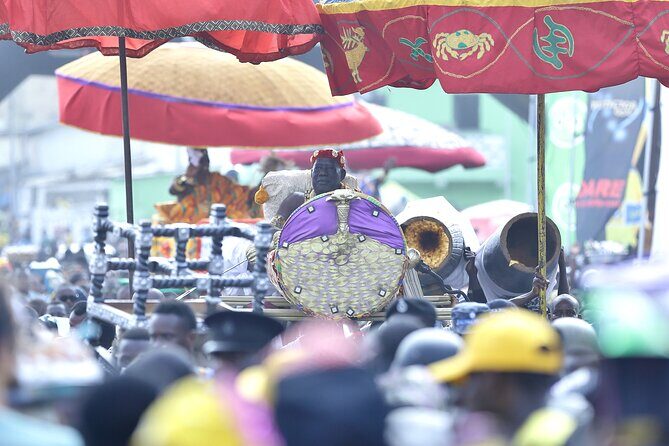
Manhyia Palace Museum is the starting point, and it’s a smart choice. This is the kingdom of Asante, and it’s also the residence of the King of Asante, Okomfo Osei Tutu. Even if you know only a little about the Asante Kingdom, starting here gives you a clearer frame for the day’s other sites.
The museum stop runs about 1 hour, and admission is included. That time window is enough to get the key ideas without letting the day drag. I like the way this stop anchors the tour: it’s not only about seeing a place, it’s about understanding why the later stops carry such meaning.
A practical consideration: palace-related sites often move at a steady pace, so it helps to wear comfortable shoes. You’ll likely be walking within the museum area, and a 1-hour block can feel shorter when you’re focused on context.
Stop 2: Okomfo Anokye Sword Site and the Meaning of Unity
Next comes the Okomfo Anokye Sword Site, a shorter stop at about 40 minutes. The premise is powerful: our late priest, Okomfo Anokye, planted a sword over 350 years ago, and it hasn’t been removed. The tradition explains it wasn’t planted for challenge, but for togetherness within Asante.
This stop works well because it isn’t long, but it’s memorable. It also changes the tone of the day from royal context into symbolic, spiritual meaning—then you transition toward living culture at the craft villages.
If you like history that has a story behind it, this is the kind of place that makes you pay attention. The best part of a short stop like this is that you can still keep energy for the longer craft segments after.




Stop 3: Bonwire Kente Weaving Centre and Watching Craft Happen
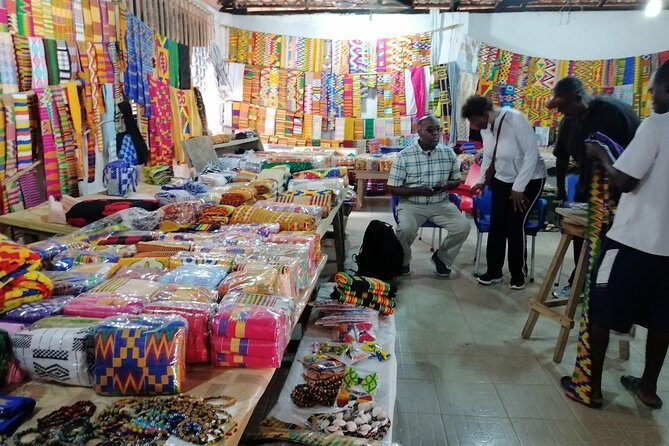
Then the tour moves to Bonwire Kente Weaving Centre, and this is where the day turns practical. Bonwire is known as the village where kente was found, and here you get about 2 hours to experience how the people weave.
Admission is included, and the time is longer than the other stops for a reason. Kente isn’t a quick “look and leave” kind of craft. Watching the weaving process takes attention, and 2 hours gives you time to see patterns take shape rather than just catch a moment.
This is also one of the stops that the reviews line up with strongly—people remember the day because of the cultural experience, not only because of the buildings and sites. If you’re the type who learns better by watching and asking questions, this part can feel like the highlight.
Bring patience for the craft rhythm. It may not move like a timed attraction where everything happens on schedule. That’s not a downside; it’s often how traditional production works.
Stop 4: Ntonso Adinkra Craftsmen and Symbol Meaning

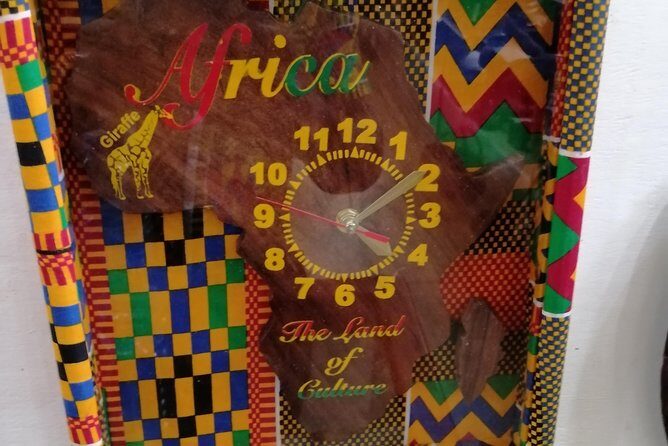
After kente, you’ll head to Ntonso Adinkra Craftsmen. This stop runs about 1 hour, with admission included. Here, you learn the history behind traditional symbols and the meaning behind them.
This is a different kind of lesson than weaving, and that balance is valuable. Kente and adinkra are both tied to identity, but one leans more toward textile craft while the other leans toward symbolic communication. A good craft-focused tour treats both as culture, not souvenirs.
I find symbol-focused stops help you “read” what you might otherwise see as decoration. When you understand meanings tied to adinkra patterns, it changes how you look at the symbols later—on cloth, in art, or even in everyday cultural designs.
If you’re traveling with kids or family members, an adinkra symbol stop can be a nice brain-friendly pause between locations. It’s interactive in the sense that you can connect symbols to explanations rather than just walking through rooms.
Guides Matter: Emmanuella, Sam, and the Care Factor
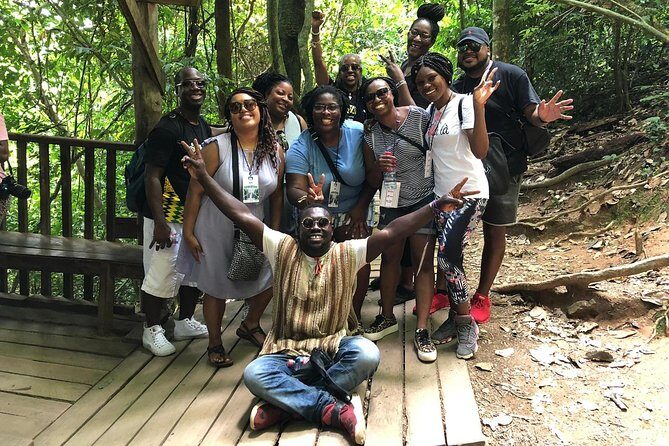
What stands out in the feedback is the human side of the tour. One guide named Emmanuella is praised for being kind and caring, with a clear focus on checking in to make sure everyone was okay and enjoying the experience. Another guide, Sam, gets strong praise for explaining Asante culture and history clearly and answering questions in a friendly way.
That’s not a small detail. In a tour like this, the sites are powerful, but your guide is what turns them into understanding. When a guide takes the time to explain and makes people feel comfortable, the entire day lands better.
It also fits with the stated priority around safety. The tour doesn’t treat safety as an afterthought, and the reviews reflect that the experience feels handled with care. For a long day in a new place, that kind of calm usually matters more than people expect.
Timing, Weather, and What to Plan For
This experience requires good weather. If weather doesn’t cooperate, you’ll be offered a different date or get a full refund. That’s a key factor because the day includes multiple outdoor-facing stops across different areas.
A smart approach is to plan flexible days around this tour. If Kumasi is only a one-day stop for you, you’ll want to build in a backup option.
Also, remember the tour runs 8 to 9 hours. That’s enough time that you should bring water and plan for energy. Lunch is your responsibility, so having a plan for when and where you’ll eat can prevent the day from feeling like a scramble.
Who This Tour Fits Best
This tour is a great match if you want a structured day focused on Asante identity: royalty context, sacred legend, and major craft traditions. It also works well if you like learning through guided explanation and watching craft in action.
It’s private, which makes it a strong option for:
- Families who want control of pace and fewer crowds
- Small groups who want to ask questions without interruption
- Culture-first travelers who care about meaning, not just photos
Most travelers can participate, and service animals are allowed. If you’re using public transport systems, the tour is near public transportation, which can help you coordinate your pickup and arrival.
A Practical Reality Check: The Main Tradeoffs
No tour is perfect, and this one has tradeoffs you should consider.
The biggest considerations are:
- It’s a long day (8 to 9 hours), so you’ll want comfortable clothing and shoes
- Lunch isn’t included, so you’ll pay around $5 to $8
- It depends on good weather for running as planned
If any of those factors could spoil your day, you might want to adjust your schedule. But if you’re okay with a full, focused day, the structure is the point.
Should You Book Discover Kumasi Tours?
I’d book this tour if you want a clear path through major Kumasi Asante stops without handling the logistics yourself. The value stands out because entrance fees are included, transportation is private, and the route covers both history and craft—plus the guides earn strong praise for care and clear explanations.
I would think twice if you can’t handle a long day, or if your travel dates are tightly locked around unpredictable weather. Otherwise, it’s a solid choice for anyone who wants a meaningful Kumasi day that feels organized, respectful, and genuinely informative.
FAQ
What is the duration of the tour?
The tour lasts about 8 to 9 hours.
How much does the tour cost?
The price is $129 per person.
What’s included in the price?
Private transportation, all fees and taxes, and entrance fees to the tourist sites are included.
Is pickup offered?
Yes, pickup is offered.
Is lunch included?
No. Lunch is not included and normally costs about $5 to $8.
Is this tour private?
Yes. It’s a private tour/activity, and only your group will participate.
Can I cancel and get a full refund?
Yes. You can cancel up to 24 hours in advance for a full refund.
What happens if the weather is poor?
The tour requires good weather. If it’s canceled due to poor weather, you’ll be offered a different date or a full refund.