REVIEW · KUMASI
One day tour at Kumasi
Book on Viator →Operated by BIBINIBA KUMASI CITY TOURS · Bookable on Viator
Kumasi tells its story with artifacts. This private day tour links the Asante Kingdom through major museums and the Okomfo Anokye Sword Site, then turns practical with hands-on craft stops where you can buy adinkra and kente. I love the mix of royal objects and everyday craftsmanship in one smooth route, and I also like the air-conditioned vehicle that keeps the day from feeling like a dust marathon. The only real drawback to plan for: the day can run fast (about 4 to 8 hours) with shorter museum time blocks, and lunch isn’t included.
If you want a guide who can adjust on the fly, the Bibiniba Kumasi City Tours team has a reputation for being flexible, and names like Jones, Josephine, and owner Kofi come up when people talk about how smoothly they handled changing needs. You’ll start at the Manhyia Palace Museum at 8:00 am, then end at Kejetia New Market and Bus Terminal on the N8—handy if you’re catching onward transport after your shopping and photos.
Before you go, think about what you want most: museums for context, or crafts for purchases (or both, which is the point). Since some stops are outside and markets take time, bring cash for souvenirs and plan your day around that final market hour.
In This Review
- Key Highlights You’ll Actually Feel
- A Comfortable 8:00 A.M. Start in an Air-Conditioned Vehicle
- Manhyia Palace Museum: Where War Amulets Sit Next to Palace Life
- Kumasi Fort and the Ghana Armed Forces Museum: Military Gear With a Bigger Story
- Prempeh II Museum: A Chief’s House Feel in a Small Space
- The Okomfo Anokye Sword Site: A Small Museum, a Big Legend
- Ntonso Adinkra Craftsmen: Symbols You Can See, Then Understand
- Adanwomase Kente: Over 300 Patterns With Named Meanings
- Kejetia Market: Souvenirs After Museums, Plus Real City Life
- Price and Time: Is $130 Good Value?
- Who Should Book This Kumasi City Day?
- A Practical Decision: Should You Book?
- FAQ
- What’s the duration of the Kumasi one-day tour?
- What does the tour cost?
- Is pickup offered?
- Where does the tour start and end?
- What’s included in the price?
- Is lunch included?
- Are admission tickets included for the museums and sites?
- What time does the tour start?
- Is the tour affected by weather?
- Can I bring a service animal, and is the tour suitable for most people?
- Is this a private tour?
Key Highlights You’ll Actually Feel
- Royals, war, and sacred objects in one route: Manhyia Palace Museum, the Armed Forces museum, and the Prempeh II collection
- The “immovable” sword stop: a small museum that marks the site tied to Okomfo Anokye
- Adinkra made locally from scratch in Ntonso: the cloth symbols are the product and the language
- Kente patterns with names and meanings: over 300 patterns tied to proverbs, events, chiefs, and plants
- Kejetia Market at the end: a practical place to turn sightseeing into souvenirs and small discoveries
- Private tour pace: only your group rides together, so you can spend more time where you care most
A Comfortable 8:00 A.M. Start in an Air-Conditioned Vehicle
Kumasi can feel hot and humid, and this tour is built to reduce the ugly parts of moving around. You get pickup offered, and you travel in an air-conditioned vehicle while your guide keeps the schedule moving. That matters because the day includes several short museum blocks plus two craft stops plus Kejetia Market.
This is also a true private tour—only your group participates—so you’re not stuck waiting behind strangers who want to sprint or linger. If you care about details, you’ll appreciate that you can ask questions as you go. If you’re more photo-and-souvenir focused, you can keep things efficient.
One thing to remember: the tour length is listed as about 4 to 8 hours. That range is usually a clue that visits may flex based on pace and timing between stops. If you’re trying to catch a later flight or bus, build in a cushion.
You can also read our reviews of more tours and experiences in Kumasi.


Manhyia Palace Museum: Where War Amulets Sit Next to Palace Life
Your day begins at the Manhyia Palace Museum, a smaller museum with a big emotional and historical weight. The palace context helps: the museum opened in 1995 during the Silver Jubilee celebration of the Golden Stool’s accession. That opening detail isn’t just trivia—it hints that the museum is part of how Asante culture preserves and presents itself.
Expect to see historic artefacts connected to the Asante Kingdom, including war amulets and other important items. This stop runs about 45 minutes, and that time is enough to get oriented without feeling stuck in a long building.
What I like about starting here is simple: it gives you cultural “frames” before the tour shifts into military history and sacred sites. If you walk in cold, the later objects can feel like random displays. With Manhyia first, they start to click as belonging to a system—kingship, protection, authority, and memory.
Kumasi Fort and the Ghana Armed Forces Museum: Military Gear With a Bigger Story
Next comes Kumasi Fort and the Ghana Armed Forces Museum. This is a strong stop if you want the uncomfortable, practical side of history—equipment, weapons, and the human decisions behind conflict.
The museum features military equipment and items used during the British Asante war and also includes collections tied to the Second World War. You’ll also see war weapons, colors (flags), medals, armored cars, portraits, and photographs. The time here is about 1 hour, and there’s enough to take it in without rushing.
The tour description also frames the building and museum as a way to refer back to how Ghana moved from colonial-era development to what followed. That means you’re not just looking at old metal. You’re seeing objects placed inside a longer timeline.
Possible consideration: if you strongly prefer “craft first” days, this stop might feel heavier than the rest. But if you’re trying to understand how the Asante Kingdom’s story intersects with modern Ghana, it’s one of the most direct stops on the route.
Prempeh II Museum: A Chief’s House Feel in a Small Space
After the fort museum, you’ll visit the Prempeh II Museum. This one is described as small, but it’s also presented as an introduction to Ashanti culture and history through a very specific lens: artifacts connected to Ashanti king Prempeh II.
The displays include war attire and ceremonial clothing, jewelry, protective amulets, and even personal equipment for bathing and dining. There’s also furniture, royal insignia, and fine brass weights used for weighing gold. The building itself is designed to resemble an Ashanti chief’s house, with a courtyard in front and walls adorned with traditional carved symbols.
You’ll spend about 25 minutes here. That short timing is actually an advantage if you want to keep momentum. It’s not trying to be a full encyclopaedia. It’s more like a focused “get the meaning” stop.
I like this museum because it shows kingship as everyday life plus symbolism. The king is not only costumes and speeches; you’re seeing objects tied to protection, routine, and power.
The Okomfo Anokye Sword Site: A Small Museum, a Big Legend
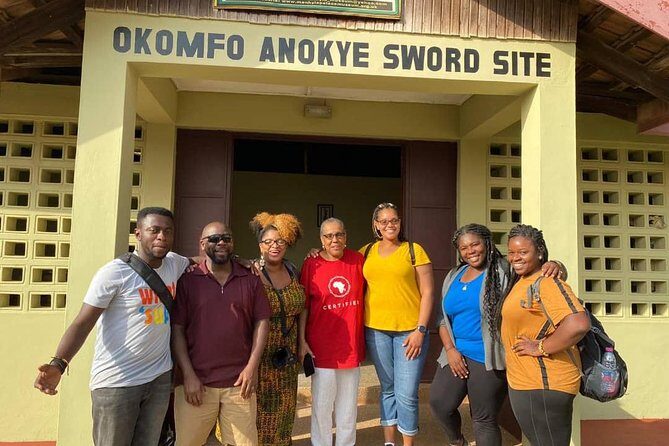
Then you head to the Okomfo Anokye Sword Site, where the famous immovable sword is said to have been driven into the ground by Okomfo Anokye. The site is inside its own small museum, and the time is about 15 minutes.
Short stop, yes. But it’s memorable because it connects place to story. You’re not just touring artifacts behind glass; you’re visiting a location associated with sacred or historical tradition.
If you’re the kind of traveler who likes to balance museums with sites you can stand in, this is the perfect pivot. Keep an eye out for the mix of stillness and significance—this is one of those places where you’ll feel the difference between reading history and being at a named spot in it.



Ntonso Adinkra Craftsmen: Symbols You Can See, Then Understand
Now you move from objects to making. The Ntonso Adinkra stop is one of the day’s most practical highlights because it’s about production, not just display.
Ntonso is described as the homeland of adinkra cloth, and it’s noted as the only place in Ghana where traditional adinkra is made locally from scratch. Ntonso is also said to be Ghana’s biggest producer of adinkra, known for symbols and proverbial wisdom.
You’ll spend about 50 minutes here, which is enough time to see the process and still have time to shop. Even if you don’t buy anything, this stop helps you read the symbolism on finished cloth in later market browsing.
When I look at value on a craft tour, I’m always asking one question: Are you just passing through a shop, or is someone showing you the real work? Here, the description points clearly toward real production steps. That’s what makes this stop feel like more than a souvenir detour.
Adanwomase Kente: Over 300 Patterns With Named Meanings
Next is Adanwomase for kente cloth, made in the traditional way in the Ashanti region. Kente is described as a fabric worn by African kings for centuries, and the best part is the way it’s explained: kente isn’t only eye-catching design. It carries meaning.
There are said to be over 300 patterns, each with its own name and meaning derived from proverbs, historical events, important chiefs, and even valuable plants. That’s a lot of information for one stop, but you’ll likely get a sense of how the naming system works and why people treat cloth as more than fashion.
The time here is about 1 hour, and admission is listed as free. That’s a nice value add: you’re paying for transportation and the overall tour experience, but this specific stop doesn’t add ticket cost.
Practical tip for you: if you care about getting the right pattern meaning, ask your guide about what you’re seeing before you buy. Since patterns are named and meaningful, you’ll get more satisfaction from the purchase if you understand what the design is saying.
Kejetia Market: Souvenirs After Museums, Plus Real City Life
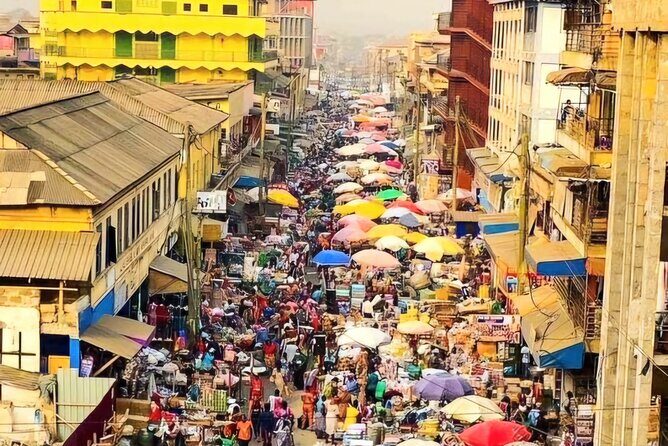
The day ends at Kejetia New Market and Bus Terminal, also known as Kumasi Central Market. Expect an open-air market in Kumasi’s rainforest bioregion in Ashanti, in the Ashantiland Peninsula area.
This is your final stop (about 1 hour), and admission isn’t included. That means you’ll want to budget a little extra cash for shopping and possibly any snacks you grab while you’re there.
I like ending at a market because it turns the day from learning into doing. After museums and craft villages, you can compare what you’ve just learned with what you see for sale: cloth, symbols, souvenirs, and everyday goods.
One consideration: since markets are social and active, your pace matters. If you hate crowds, go a little slower and keep your focus on one or two categories of shopping instead of trying to see everything at once.
Price and Time: Is $130 Good Value?
The price is $130 per person for a one-day private sightseeing tour in Kumasi, with pickup offered. The duration is listed as about 4 to 8 hours. On average, this tour is booked about 66 days in advance, which usually suggests people plan ahead for a guided circuit like this.
So is $130 worth it? For me, the “yes” case is the combination:
- Air-conditioned vehicle (comfort matters in Ghana heat)
- All fees and taxes included, which typically saves you from surprise add-ons
- Multiple museum admissions included (Manhyia Palace Museum, Armed Forces museum, Prempeh II museum, Okomfo Anokye Sword Site, and Ntonso)
- Craft experiences that connect you to production, not just buying
Lunch isn’t included, so factor that into your spending. Also, you’re paying for a guided day that connects the Asante Kingdom’s story across different themes: royalty and objects, conflict and military memory, then craft and living symbolism.
If you’re the type who would otherwise hire separate guides for museums and crafts, this bundling can feel like a deal. If you only want one museum and a quick photo stop, you may feel you’re paying for more than you’ll use. In that case, pick a shorter or more focused option.
Who Should Book This Kumasi City Day?
This tour fits best if you want:
- a coherent Asante Kingdom day with museums plus cultural sites
- hands-on craft culture stops where you can shop thoughtfully
- a private pace so you can ask questions and move without pressure
It can work for most travelers, and service animals are allowed. It’s also near public transportation, which helps if you’re planning onward travel at the end point.
You might consider skipping (or adjusting expectations) if:
- you dislike structured museum time and prefer slower, longer stops
- you need a full lunch included in the package
- you want a single deep museum experience instead of several shorter ones
A Practical Decision: Should You Book?
If you want a guided day that connects artifacts, legends, and cloth-making in Kumasi—without turning the day into a logistical puzzle—I’d book this. The structure makes sense: start with palace-level context, then military history, then a sacred site, then craft villages, then finish where souvenirs are easy to find.
Just plan smart:
- bring cash for Kejetia Market and any craft purchases
- wear comfortable shoes for open-air walking
- expect a packed but manageable day rather than a slow sit-down tour
If your goal is to understand Kumasi beyond street names and quick photos, this is the kind of route that helps the city make sense fast.
FAQ
What’s the duration of the Kumasi one-day tour?
The tour is listed as about 4 to 8 hours.
What does the tour cost?
It’s $130.00 per person.
Is pickup offered?
Yes, pickup is offered.
Where does the tour start and end?
It starts at Manhyia Palace Museum in Kumasi and ends at Kejetia New Market and Bus Terminal on the N8.
What’s included in the price?
An air-conditioned vehicle and all fees and taxes are included. Admission tickets are included for multiple stops listed in the tour.
Is lunch included?
No, lunch is not included.
Are admission tickets included for the museums and sites?
Admission tickets are included for Manhyia Palace Museum, the Ghana Armed Forces Museum, Prempeh II Museum, the Okomfo Anokye Sword Site, and Ntonso Adinkra Craftsmen. Kejetia Market admission is not included, and Adanwomase kente is listed as free.
What time does the tour start?
The start time is 8:00 am.
Is the tour affected by weather?
Yes. The experience requires good weather, and if it’s canceled due to poor weather you’ll be offered a different date or a full refund.
Can I bring a service animal, and is the tour suitable for most people?
Service animals are allowed, and most travelers can participate. The tour is also near public transportation.
Is this a private tour?
Yes. It’s private, so only your group will participate.