REVIEW · ACCRA
Naming Ceremony and Heritage Homecoming Experience for Diasporas
Book on Viator →Operated by Kwame Tours · Bookable on Viator
A naming ceremony can change how you see your name. This one in Accra connects you to Ghanaian heritage through your birth date, with a Soul Name and a local community name, shared alongside drumming and dance. I also love the personal touch of being clothed in Ghanaian fabric tailored for you, plus the formal recognition that comes with the ceremony. The main thing to consider is expectations: this is a community-style ritual, not a quick, indoor show.
I’d place this in the “real reconnection” category, especially if you’re from the African American or Caribbean diaspora and you want something beyond photos. It’s run by Kwame Tours, starts at 7:00 am at Kotoka Airport, and is a private group experience (just you and your group). At $265 per person for a half-day in the Accra area, it’s best seen as a heritage ritual you’ll remember—not a casual sightseeing add-on.
In This Review
- Key highlights you’ll feel during the ceremony
- Why this Ghana naming ceremony feels different
- The morning logistics: Kotoka Airport start and a half-day rhythm
- What you do: your birth identity process
- Inside the ceremony: elder-led, with drumming and dancing
- Your gift and cloth: more than a souvenir
- How to prep so the ceremony feels respectful and easy
- Price and value: what $265 buys you
- Who should book this naming ceremony
- A quick reality check on expectations
- What to do after: keeping the sense of meaning
- Should you book this Ghana heritage homecoming?
- FAQ
- What is the duration of the naming ceremony experience in Accra?
- When does the tour start, and where does it begin?
- Is pickup included?
- Is this a private experience?
- What do I need to provide for the ceremony?
- Will I receive anything during the ceremony?
- What is the role of the elder during the ceremony?
- Is there any guidance on cancellation?
- Are service animals allowed?
Key highlights you’ll feel during the ceremony

- Your birth date becomes your Soul Name, shared in the traditional way of the day you were born
- A local community name with meaning, given alongside your heritage identity work
- Drumming and dance as part of the process, not just background entertainment
- A respected elder leads the ceremony, with a focus on moral standing in the community
- Personalized gift and cloth, such as beads or a Kente stole and Welcome to Ghana design
- A certificate of recognition you can keep as proof of the ritual
Why this Ghana naming ceremony feels different
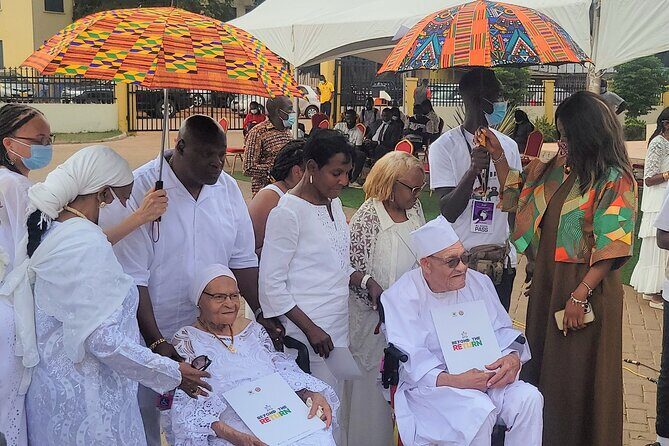
If you’ve ever traced your family story and hit gaps, this kind of ceremony can feel like a bridge—even if it can’t fill every missing piece. The point here isn’t just to learn a tradition. It’s to participate in it. You give your date of birth and receive an identity based on the day you were born, then you’re offered a second layer of belonging through a local name and its meaning.
In practice, that means you’re not just standing there watching. You’re part of a process with an elder, a community, and a sequence of rituals. The drumming and dancing aren’t decorative; they create the tone of a living culture doing what it’s always done—turning personal history into a shared moment.
I also like that this experience doesn’t lean on guesswork. Your Soul Name comes from a specific detail (your birth date), and your local name comes from the community. That’s a more grounding way to do heritage homecoming than anything that feels generic or mass-produced.
You can also read our reviews of more historical tours in Accra



The morning logistics: Kotoka Airport start and a half-day rhythm
This experience starts early at Kotoka Airport in Accra. Pickup is offered, and the activity ends back at the meeting point, so you’re not left trying to figure out your return after the ceremony.
The total duration is listed as 5 to 8 hours, which matters because it helps you plan your day with enough breathing room. The ceremony itself is described as around 3 hours, and the rest of the time is typically travel and transitioning between parts of the experience. An early start also tends to make Ghana mornings feel calmer, with less heat and fewer crowds.
One more practical note: it’s a private tour/activity, and your group is the only group participating. That usually makes it easier to follow instructions, ask questions respectfully, and stay present during a ceremony that’s meant to feel personal.
What you do: your birth identity process
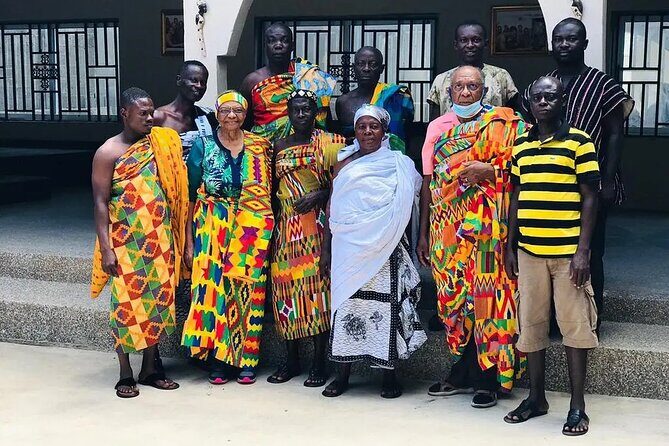
The heart of the ceremony is your birth identity process. You’ll share your date of birth so the elder can guide you through the traditional naming steps tied to the day you were born. The name you receive from this part is described as your Soul Name.
Then you receive a second name from the local community. This local name includes a meaning, so it’s not only a label—it’s a story tied to how the community understands people and identity.
For diaspora visitors, this is where the value really lands. Even if you can’t trace a specific family line back to a village, you can still receive something rooted in tradition: a name that connects you to a system of meaning. And because the ceremony is led by an elder with recognized moral standing, the tone is meant to be taken seriously.
Inside the ceremony: elder-led, with drumming and dancing
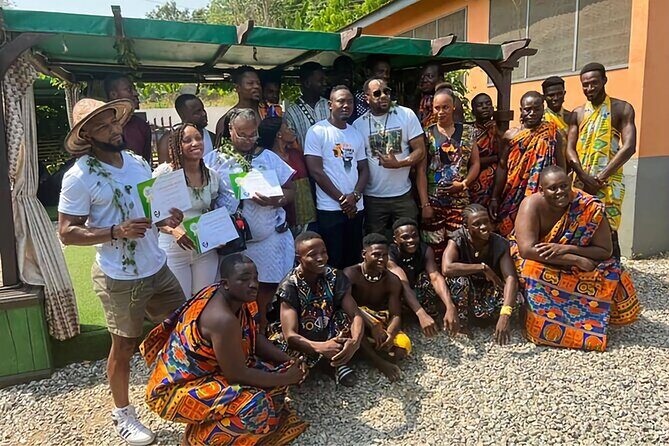
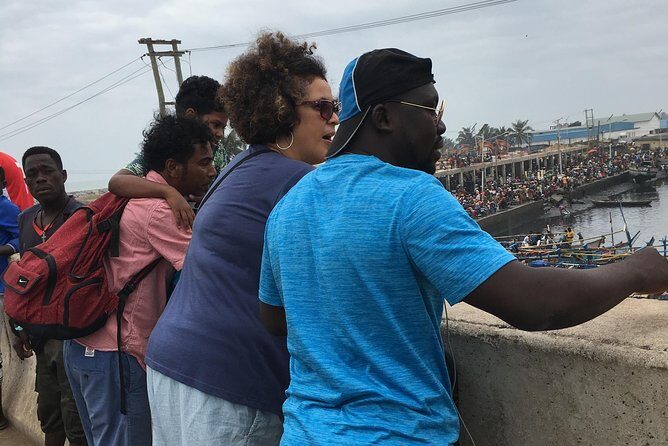
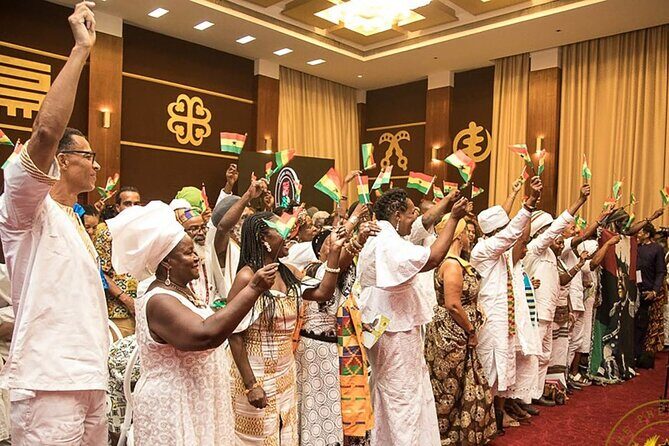
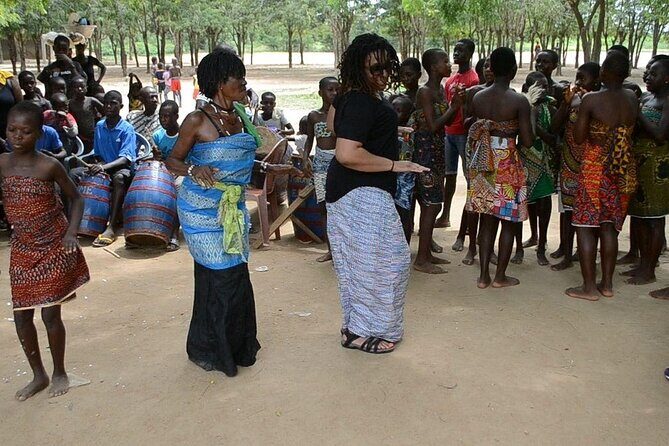
You’ll be welcomed into a traditional setting described as either a rural Ghana village community experience or a community setting in Accra. Either way, the structure stays the same: you’re invited into the naming process, surrounded by tradition, with traditional drumming and dancing during the ceremony.
This is where expectations can trip people up. If you’re hoping for something that feels like a polished performance, you may be surprised. A community-led ceremony can be more grounded and less stage-managed. The good news is that’s also why it feels authentic. You’re not watching a reenactment; you’re participating in a ritual that has meaning for the people performing it.
The elder’s role is central. You can think of it as a moral and cultural anchor for the process—someone respected in the community who guides the ceremony with care.
Your gift and cloth: more than a souvenir
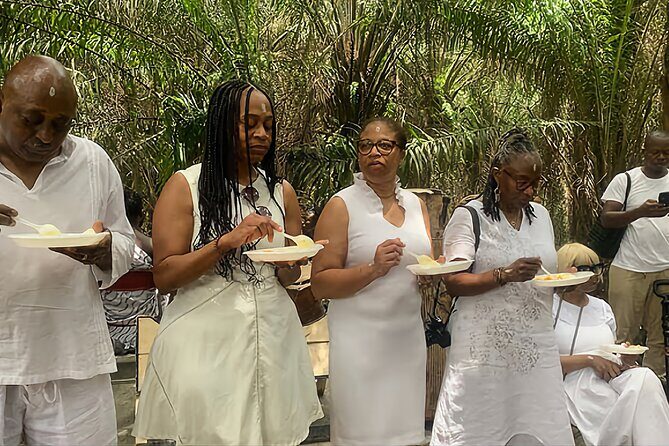
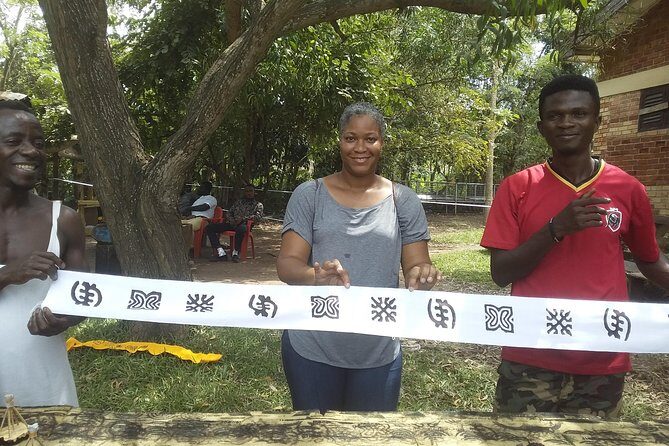
One of the most memorable parts—at least based on how people describe the experience—is the way it’s marked as yours. After the naming steps, you receive a gift from the community. The details listed include things like beads or a Ghana Kente Stole with Welcome to Ghana written and designed on it.
You also receive a tailored Ghanaian cloth that’s described as being worn as part of the recognition tied to you as the child of your roots. Even if you’ve bought Kente before, what’s different here is the context. The cloth isn’t being sold as a tourist item—it’s part of the ritual presentation.
Then there’s the certificate of recognition. That matters because it gives the experience a formal “bookmark” you can keep. It’s not just a memory; it’s a paper record of the moment you were named and recognized.
Practical tip: plan how you’ll keep the items safely after the ceremony. The stole and cloth can be easy to fold and carry, but you’ll want to do it in a way that doesn’t get wrinkled or damaged while you’re still in travel mode.




How to prep so the ceremony feels respectful and easy
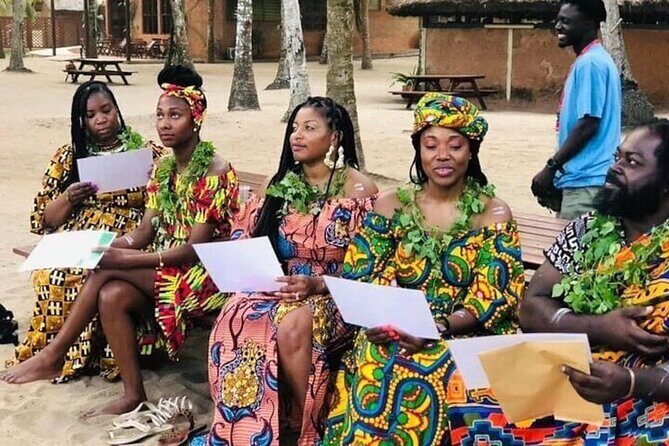
You don’t need a special “costume,” but you should show up ready to participate with a calm, open attitude. Since you’ll receive and wear Ghanaian cloth as part of the process, you’ll want to dress in a way that lets you comfortably receive it without fuss.
Also, be ready to share your date of birth clearly. That’s the information that triggers the Soul Name part of the ritual, so accuracy helps you avoid delays and confusion in the moment.
If you’re someone who likes to understand what’s happening step-by-step, this is the right experience to lean into that curiosity. Ask questions when it feels appropriate. This is a respectful setting—questions are best when they’re timed with the elder’s guidance and the pace of the community.
Price and value: what $265 buys you
The price is listed at $265 per person, with pickup offered, private participation for your group, and a mobile ticket. There are also group discounts if you’re traveling with people.
So is it worth it? For me, the value depends on what you want from Ghana.
If you’re looking for a checklist of landmarks, this won’t beat a full-day tour of major sights. But if you want something identity-based—something you can’t recreate at home—then this price starts to make sense. What you’re paying for is:
- a private, elder-led ceremony
- drumming and dance as part of the process
- your Soul Name based on your birth date
- a local community name with meaning
- gifts such as beads or a Kente stole with Welcome to Ghana design
- a certificate of recognition
- personalized Ghanaian cloth as part of the ritual
In other words, the cost is tied to the ceremony itself and the formal community recognition, not just transportation.
Who should book this naming ceremony
This is a strong match if you:
- feel drawn to African diaspora heritage and want a real cultural ritual
- want an experience that centers identity, not only sightseeing
- like structured meaning—your birth date is part of the process
- prefer a private group setting so you can take the moment in fully
It may be less ideal if you:
- only want quick, casual, touristy activities with minimal cultural participation
- dislike being involved in a ceremony that follows community rhythm rather than a strict agenda you control
And one more thought: this is best when you treat it as a relationship moment. You’re not just consuming an activity; you’re being welcomed. That mindset tends to turn a good day into a memorable one.
A quick reality check on expectations
The most useful consideration I can offer is to calibrate what you’re picturing. The ceremony is described as a traditional naming experience, with the possibility of a village/community setting beyond an indoor environment.
So if you expect a purely staged event, you might feel unsettled. The upside is that a community-led ritual often feels more grounded, more human, and more meaningful.
Also remember: the ceremony is elder-led, so the flow may not feel like a typical tour schedule. That’s normal here. Flexibility is part of the cultural respect.
What to do after: keeping the sense of meaning
Once you’ve received your names, cloth, stole, and certificate, give yourself time to let it land. If your afternoon is packed with other plans, you may not feel the full emotional impact of the experience.
Instead, plan a slower buffer after you return to the starting point. Consider how you’ll store the items you receive. And if you share your Soul Name with family, keep the story of meaning attached—not only the sound of the name.
Those details help the ceremony stay alive for you long after you leave Accra.
Should you book this Ghana heritage homecoming?
If your goal is a genuine connection to Ghanaian naming tradition—centered on your birth identity, delivered through an elder-led community ritual—I think you should strongly consider booking.
Book it if you want a private experience with real cultural participation, drumming and dance, and meaningful items like tailored cloth, a Kente stole design, and a certificate. Skip it if you’re shopping for a standard sightseeing day or if you need everything to feel strictly indoor and tightly staged.
One last check: if you like early starts and you’re comfortable being part of a ceremony, this feels like the kind of trip memory that follows you home—and gives you something more personal than a postcard.
FAQ
What is the duration of the naming ceremony experience in Accra?
The experience is listed as lasting about 5 to 8 hours.
When does the tour start, and where does it begin?
It starts at 7:00 am at Kotoka Airport in Accra, Ghana.
Is pickup included?
Yes, pickup is offered.
Is this a private experience?
Yes. It’s private, and only your group participates.
What do I need to provide for the ceremony?
You provide your date of birth so the ceremony can determine your Soul Name.
Will I receive anything during the ceremony?
Yes. You can receive a gift from the community, which may include beads or a Ghana Kente Stole with Welcome to Ghana, plus a certificate of recognition.
What is the role of the elder during the ceremony?
The ceremony is conducted by a respected elder known for their strong moral standing within the community.
Is there any guidance on cancellation?
Free cancellation is available. You can cancel up to 24 hours in advance for a full refund.
Are service animals allowed?
Yes, service animals are allowed.