Accra comes at you from every angle. This private sightseeing tour strings together major landmarks in Ghana’s capital, including sites tied to the Transatlantic Slave Trade, with a guide who keeps things practical as well as meaningful. You’ll also have pickup, air-conditioned transport, and tickets sorted for several stops.
I particularly like the admission tickets included piece—less time wasted, more time seeing. I also like the Makola Market experience: your guide stays with you, helps with smart bargaining, and keeps you feeling like you’re moving with the rhythm of the city instead of just passing through.
One thing to consider: this is a tight highlights route, so some stops are photo-first, not linger-all-day. And while the tour nudges you toward a traditional beach lunch, lunch is not included, so you’ll want to plan for that extra spend.
In This Review
- Key highlights you’ll feel right away
- Why this Accra highlights plan works (even if you’re short on time)
- Price and what you really get for about $123
- Getting the day right: pacing, pickups, and weather reality
- Stop 1: Kwame Nkrumah Memorial Park and the first-president memorial museum
- Stop 2: Makola Market with real bargaining help and local-market time
- Stop 3: James Town Lighthouse—photos, then an optional neighborhood stroll
- History with teeth: the Transatlantic Slave Trade context
- Stop 4: W.E.B. DuBois Center and the late-life Ghana perspective
- Stop 5: Centre for National Culture for African goods and souvenirs you can justify
- Stop 6: National Museum of Ghana for big-picture context
- Beach lunch idea: where Labadi Beach-style downtime fits in
- Who this Accra tour suits best
- Should you book this Accra highlights tour?
- FAQ
- Is this a private tour or shared?
- Does the tour include pickup from my hotel?
- Are admission tickets included?
- How long does the tour take?
- Is lunch included?
- What transportation is provided?
- What happens if the weather is bad?
- Are service animals allowed?
Key highlights you’ll feel right away
- Private guide, private pacing: only your group goes, so you can ask questions and adjust the pace.
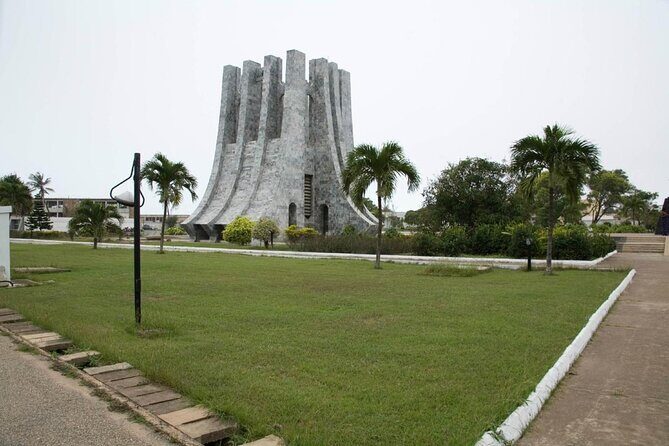
- Kwame Nkrumah Memorial Park + museum stop: includes time at the memorial and the museum, plus admission handled.
- Makola Market shopping help: your guide stays with you for bargaining and local-market context.
- James Town Lighthouse photos (optional walk): quick stop for pictures, with the option to wander the town a bit.
- DuBois Center and national culture stops: a strong mix of Ghanaian stories, arts, and artifacts.
- National Museum of Ghana: a good place to pull everything together with broader context.
Why this Accra highlights plan works (even if you’re short on time)
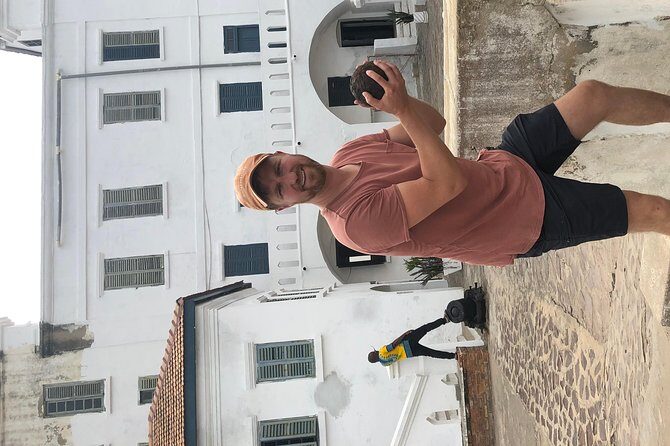
If you only have part of a day in Accra, this kind of route makes sense. You’re not guessing where to go or negotiating transport on your own. Instead, you’re moving through a sequence of places that each teach you something different—politics and legacy, everyday city life, art and souvenirs, and wider cultural context.
The value here is the structure plus the human element. A private guide can explain what you’re looking at in plain terms, and you’re not stuck reading wall text alone. That matters in Accra, where landmarks connect to real neighborhoods and real stories, not just photo backdrops.
One more practical plus: you’re not doing constant logistics work. Pickup is offered, you get bottled water, and you ride in an air-conditioned vehicle. When the day is warm (and it often is), that comfort isn’t a small detail—it’s the difference between being eager at Stop 3 versus wishing you had stayed in bed.
You can also read our reviews of more tours and experiences in Accra.

Price and what you really get for about $123
At about $123.08 per person, this is positioned as a guided, ticketed highlights day—not a bare-bones walking tour. Whether it’s a “good deal” depends on how you’d otherwise spend your time.
Here’s the math that matters for value:
- Admission tickets are included for the listed stops, which can add up fast if you’re paying site-by-site.
- Private transportation is included, so you’re not spending your limited hours coordinating rides.
- A bottled water supply is included, and you’re not paying for that basic comfort.
What you should budget separately is straightforward. Lunch is not included, and shopping is optional but likely if you love crafts. If you’re the kind of traveler who hates surprises, this tour is refreshingly clear: it packages the major sights, then leaves discretionary time for you to choose what to eat and what to buy.
Also, most people book around a month out. If your dates are fixed, getting on this sooner rather than later usually saves you stress.
Getting the day right: pacing, pickups, and weather reality
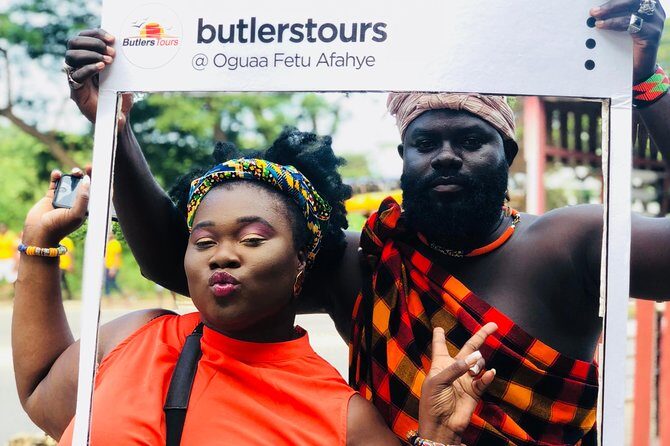
This experience runs in a 1 to 6 hour window, so build your schedule with some wiggle room. In practice, the stops add up to several hours, and you’ll also spend time traveling between neighborhoods.
A private tour can also mean flexibility. If you want more photos at the lighthouse or extra time in a museum room, a guide can sometimes help you reshape the order—within reason. But don’t expect it to turn into a whole-week itinerary. This is a highlights day, built to be efficient.
One more reality check: the tour requires good weather. If conditions aren’t suitable, it may be rescheduled or refunded. That’s not a gimmick; it’s exactly what you want to know before you arrange other plans the same day.
Stop 1: Kwame Nkrumah Memorial Park and the first-president memorial museum
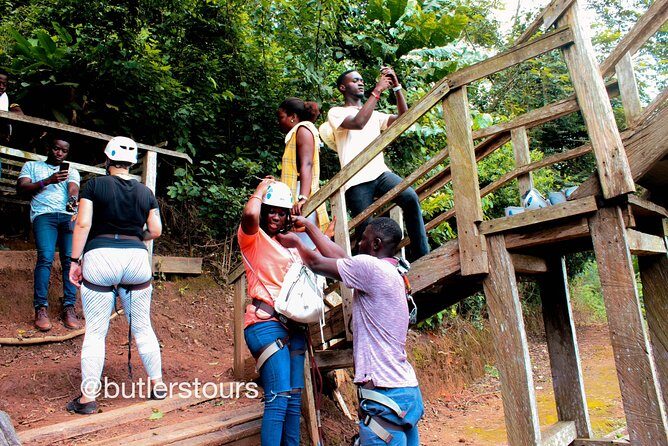
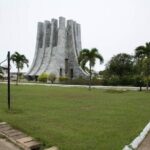
Your day starts at Kwame Nkrumah Memorial Park, and plan on about an hour here. This isn’t just a monument stop. You’ll also visit the museum area tied to Kwame Nkrumah, Ghana’s first president. The setting is built to help you understand his role and legacy, including a focus on where he was buried alongside his wife.
Why this stop works early: it sets the political and emotional tone for the rest of the day. You’ll be moving later through market life and arts, but this is the anchor that helps everything else feel connected rather than random.
A practical tip: take a few minutes to slow down and read beyond the most obvious plaques. The goal isn’t academic trivia. It’s to walk away understanding why Accra feels the way it does—modern city energy, layered with major national milestones.
Stop 2: Makola Market with real bargaining help and local-market time
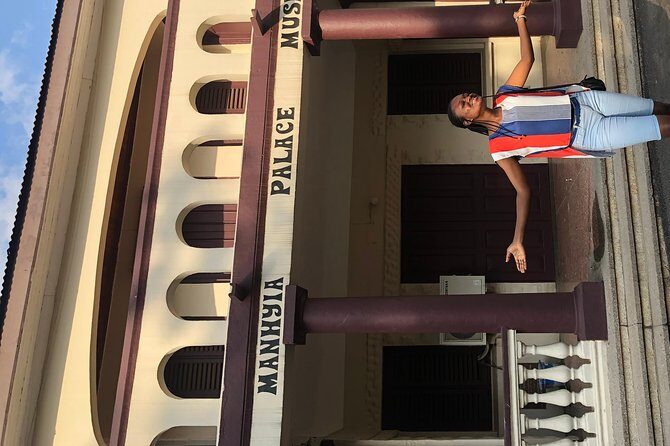
Then you swing into Makola Market, where the point is not just seeing goods—it’s learning how to shop in the moment. You’ll spend about 40 minutes here, with your guide staying with you the whole time.
What makes this stop worth paying for: you’re not left alone in the crowd figuring out prices and etiquette. The guide helps you bargain for good prices and explains what you’re looking at, so you can decide what’s worth your money. This turns a stressful shopping situation into something you can actually enjoy.
Also, Makola is a place where you’ll feel the everyday Accra flow. You’ll see goods, textures, colors, and the quick negotiations that are part of normal life. If you like crafts or textiles, this is where you’ll likely spot items that make good souvenirs without looking like they were made just for tourists.
Quick self-check for your budget: if you know you want souvenirs, bring cash you’re comfortable spending. If you don’t, you can still enjoy the sights—just set a limit before you start browsing.

Stop 3: James Town Lighthouse—photos, then an optional neighborhood stroll
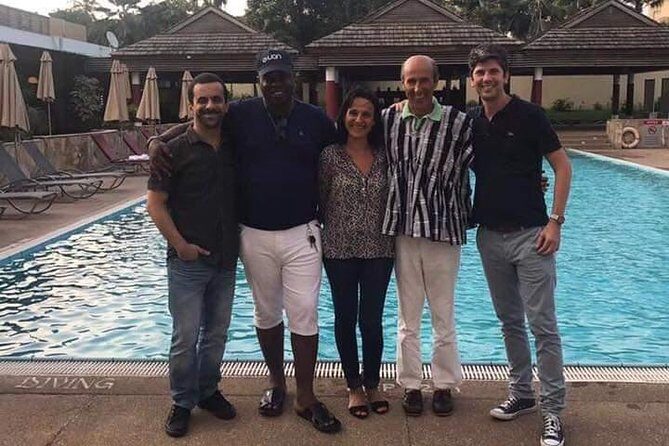
Next up is James Town Lighthouse. Expect a shorter stop—about 30 minutes. The plan is simple: stop for pictures, then if you want, take a walk through the town.
This is a great moment in the route because it breaks up the museum rhythm. A lighthouse gives you a quick geographic sense of where people live and how the coast connects to daily life. If your guide offers extra context about the area, it can also help link the physical landscape to the historical themes you’ll hear about during the tour.
The optional stroll is worth considering if you enjoy short walking stretches and street-level views. If you’re tired or the heat is hitting hard, you can keep it to the lighthouse photos and save your energy for the later indoor stops.
History with teeth: the Transatlantic Slave Trade context
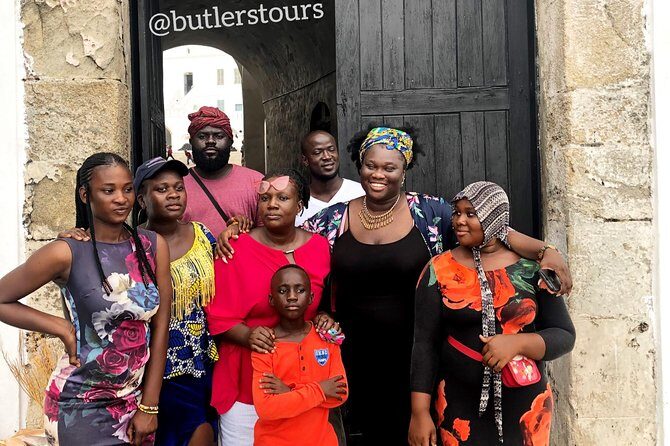
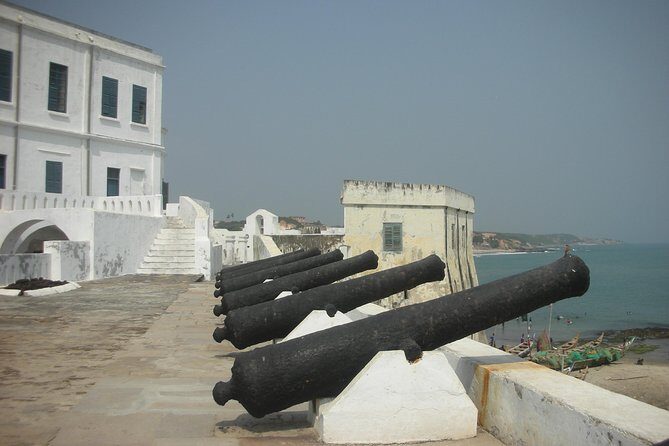
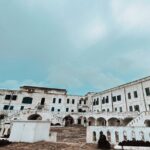
The tour doesn’t shy away from the darker chapters tied to the Transatlantic Slave Trade. You’ll also visit major historical areas linked with that story, including the Osu slave castle area.
I like that this history is woven into the day by your guide, not tacked on like a separate lecture. When it’s done well, it changes how you see the city. You stop thinking of landmarks as isolated objects and start recognizing them as parts of a larger human story.
A gentle caution: this part of Accra can feel heavy. If you get overwhelmed, tell your guide. A good private guide can pace the tone and help you absorb the material without turning the whole day into a constant weight.
Stop 4: W.E.B. DuBois Center and the late-life Ghana perspective
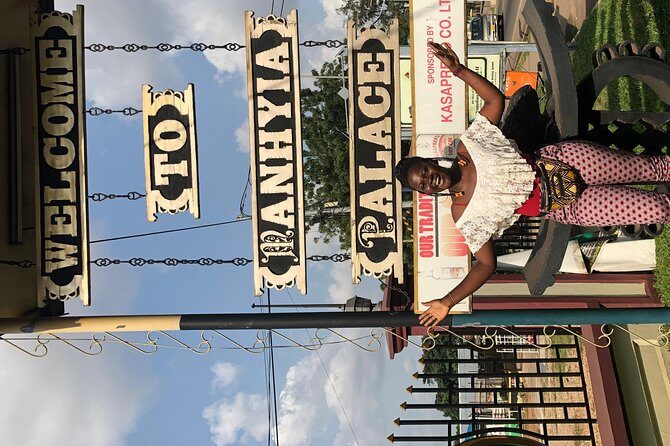
After the lighthouse, you visit the W.E.B. DuBois Center. Plan on about an hour here, including time inside to see artifacts and learn about his late life in Ghana.
This stop is valuable because it adds another viewpoint to the day. The story isn’t only about Ghana’s national leadership; it also connects global thinkers and intellectual life to Ghana. For many visitors, DuBois is a familiar name from school—but seeing how that later period connects to the country makes it feel real and specific.
Look for the sections that explain what brought him there and what his later years meant. Even if you don’t want a deep academic read, this museum time helps you understand why Accra has always attracted people who wanted ideas to matter.
Stop 5: Centre for National Culture for African goods and souvenirs you can justify
Then you head to the Centre for National Culture. You’ll have about an hour here, with a chance to see and buy African goods and artifacts.
This is a practical stop for two reasons. First, it gives you a curated place to shop for crafts—so you’re not bouncing from stall to stall with no context. Second, it helps you understand what you’re buying. Your guide can point you toward items that match what you saw earlier in the day, so your souvenir feels connected rather than random.
Here’s how I’d approach it: treat this as “quality control time.” If you find something at Makola you’re tempted by, you can use this stop to compare. And if you skip shopping at Makola, this center can still be your souvenir anchor.
If you’re sensitive to sales pressure, tell your guide upfront. A private guide can help you ask questions politely and move on quickly when you’ve seen enough.
Stop 6: National Museum of Ghana for big-picture context
To close the loop, you visit the National Museum of Ghana for about an hour. This stop helps you zoom out. Where other stops give you specific stories and places, a national museum gives you a broader view of Ghanaian culture and what makes it diverse.
I like this as a final major indoor stop because it helps your brain connect the dots. You’ve already seen the political legacy, the market life, the coastal landmark, and the culture and craft centers. The museum gives you a way to understand how those pieces fit into the bigger national picture.
Even if you don’t read every label, prioritize the themes that match what you cared about most earlier—history, culture, artifacts, and interpretation. Your guide can usually point you toward rooms that matter for your interests.
Beach lunch idea: where Labadi Beach-style downtime fits in
The tour highlights suggest trying a traditional Ghanaian lunch on the beach, but lunch is an own-expense add-on. If you want that laid-back break, plan to set aside time and budget for it.
One guide in particular—Awuracy—is praised for blending history and culture with a chance to see how locals relax around Labadi Beach. That kind of stop can make the day feel more human, not just checklist tourism.
If your schedule is strict, you can still do this in a small way: short beach time, simple lunch, then back on track. If your schedule is flexible, it can be the moment that turns the tour from “sights seen” into “a day lived.”
Who this Accra tour suits best
This experience is a good match if you:
- Want a private guide to translate what you’re seeing into something meaningful
- Have limited time and want major Accra highlights without planning chaos
- Like history, but also want real local-life stops like markets
- Enjoy shopping for crafts and want help bargaining smartly
It’s also a decent choice for first-timers who feel overwhelmed by cities with lots of choices. A guided route gives you momentum.
If you prefer to wander completely on your own with no structure, you might feel boxed in. The lighthouse and other timed stops make it clear: this is efficient, not slow travel.
Should you book this Accra highlights tour?
I’d book it if your priority is getting your bearings fast and seeing multiple key Accra landmarks with a guide who can explain what matters. The best part is the combo: private pacing + ticketed admissions + market and culture stops. That reduces stress and maximizes time where it counts.
Skip it if you want long stays, deep research time, or a flexible “stay all day anywhere you like” format. This route is designed for highlights, so you’ll likely want to use the rest of your trip for extra exploration on your own.
If you’re aiming for one strong day in Accra—history plus daily life plus a museum finish—this is a solid pick.
FAQ
Is this a private tour or shared?
It’s a private tour/activity, meaning only your group participates.
Does the tour include pickup from my hotel?
Pickup is offered. The tour starts in Accra, Ghana, and ends back at the meeting point.
Are admission tickets included?
Yes. The experience includes tickets and fees for the listed sites, plus all fees and taxes.
How long does the tour take?
The duration is listed as about 1 to 6 hours.
Is lunch included?
No. Lunch is not included. The tour suggests trying a traditional Ghanaian lunch on the beach as an own-expense option.
What transportation is provided?
You get private transportation in an air-conditioned vehicle, along with bottled water.
What happens if the weather is bad?
The experience requires good weather. If it’s canceled due to poor weather, you’ll be offered a different date or a full refund.
Are service animals allowed?
Yes, service animals are allowed.