REVIEW · ACCRA
Half-Day Accra City Tour Experience
Book on GetYourGuide →Operated by Classic Holidays · Bookable on GetYourGuide
Accra in half a day is possible, if you pick right stops. This tour packs the big landmarks and the everyday street energy into one smooth loop, with a guide who can steer you based on your pace. I like the focus on real local context—you don’t just drive past sites; you learn what they mean.
Two things I especially like: you get a Makola Market walking tour with time to shop, and you also visit the memorial story behind Ghana’s modern identity at Kwame Nkrumah Park. The only drawback to plan for is that food is not included, so you’ll want to budget time for lunch on your own or ask your guide for a nearby option.
In This Review
- Key highlights to plan around
- Half-Day Accra, Done Right: How the Route Works
- Pickup, Air-Conditioned Comfort, and a Real Local Guide
- National Museum First: Ghana’s Story Before the Street Noise
- Makola Market Walking Tour: Shopping Without Getting Lost
- Jamestown Drive-By to Kwame Nkrumah Park: Memory Meets Meaning
- Arts and Cultural Centre to Black Star Square and Osu Castle
- Price and What You’re Actually Getting for $120
- Timing, Pacing, and How to Make This Half-Day Feel Smooth
- Who This Tour Fits Best (and Who Might Skip It)
- Should You Book This Accra City Tour?
- FAQ
- What does the half-day Accra City Tour include?
- What are the main stops during the tour?
- Is lunch included?
- How much is the tour?
- What language is the tour guide speaking?
- Does the tour include museum entry tickets?
- Is there air-conditioned transportation?
- Can I reserve and pay later, and how does cancellation work?
Key highlights to plan around
- National Museum first so you understand what you’re seeing before the streets
- Makola Market on foot for textiles, beads, shea butter, and black soap shopping
- Jamestown + Kwame Nkrumah Park for a powerful shift from neighborhood history to national memory
- Arts and Cultural Centre stop for art and curios at the right moment in the day
- Black Star Square and Osu Castle area to finish with major Accra landmarks
- Hotel pickup and drop-off plus an air-conditioned vehicle so you’re not managing transport
Half-Day Accra, Done Right: How the Route Works
This is a practical half-day format: pickup, a steady sequence of major sights, plus short walks where it counts. The goal is simple—get your bearings fast and still have time to see the parts of Accra that visitors often miss when they only do photo stops.
Because the tour is customized to your interests, you’re not locked into a rigid script. If you’re more market-focused, you’ll spend more attention where you can actually shop and ask questions. If you care more about monuments and museums, the day is built for that too.
Plan on a schedule that feels full but not rushed. It moves between areas by car, then slows down when it makes sense—especially at Makola Market and the museum sites.
You can also read our reviews of more city tours in Accra

Pickup, Air-Conditioned Comfort, and a Real Local Guide
The biggest comfort win here is the logistics: hotel pickup and drop-off, plus an air-conditioned vehicle and a driver. You spend your energy watching and listening, not haggling with transport or trying to find the next stop.
Local guiding is part of the package, and the tone stays friendly and responsive. One guide name you may hear is Prince, described as cheerful and pleasant, with answers that match what you ask for. That kind of guide matters in Accra, where the “why” behind a place is often what makes it memorable.
Also, since water is included, you can stay more focused while you’re out walking. It’s a small detail, but it helps during market time when you’re moving, standing, and browsing.
National Museum First: Ghana’s Story Before the Street Noise
You start with the National Museum, which is known for artifacts from Ghana’s historic past. Going early in the tour order is smart: you get the bigger picture before you hit areas that feel like you’re just navigating your way through city life.
Inside, you can expect interpretation that connects artifacts to daily Ghanaian life—culture, ethnicity, archaeology, and medicinal practices are all highlighted. That framing helps you read the city with better context once you’re out in public spaces.
A practical note: museum entry tickets are included, so you don’t have to figure out anything at the door. The tour structure also gives the guide room to lead the museum visit while you’re not juggling paperwork or cash at every stop.
Makola Market Walking Tour: Shopping Without Getting Lost
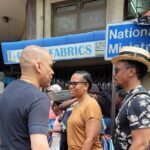
Next comes a revealing walking tour of Makola Market, described as the largest open market in Accra. This stop is where the city feels real—sights, sounds, and constant movement that can feel overwhelming if you try to do it solo.
Your guide helps you slow down and make sense of what you’re seeing. And you get time to shop for common favorites like textiles, beads, shea butter, and black soap. Even if you’re not buying much, it’s a strong place to ask questions and learn what’s used, where it comes from, and why people care about it.
The market is also where your shopping strategy helps. Come with a rough idea of what you want, but keep your expectations flexible. Pricing and selection can change block to block, and one good conversation can steer you to what you actually like.
Because you’re walking here, wear shoes you can stand in. This is not a “quick photo and leave” kind of stop—it’s meant for browsing, talking, and comparing.
Jamestown Drive-By to Kwame Nkrumah Park: Memory Meets Meaning
After Makola, the route includes seeing Jamestown, followed by Kwame Nkrumah Park. This combination works well because it shifts your attention from neighborhood texture to a national story you can feel in the landmarks.
Jamestown is a recognizable stop name on many Accra routes, and it sets up the emotional and historical tone of what comes next. You don’t just hear dates—you get a sense of how Ghana’s path connects to the broader African liberation story.
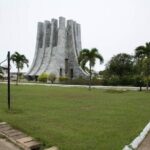
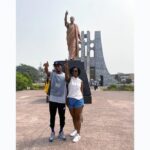
At Kwame Nkrumah Park, you’re at a memorial site for Ghana’s first president and a key figure of the last millennium. The site includes a museum, park, and tomb, so it’s built to tell the story in layers rather than as one single exhibit. If you want a monument to understand, not just to pose in front of, this is the stop.
The guide’s job here is especially important. The park can feel heavy if you don’t have context, so pay attention to the explanations about independence and how Nkrumah influenced liberation across the continent.
A few more Accra tours and experiences worth a look

Arts and Cultural Centre to Black Star Square and Osu Castle
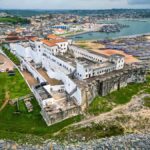
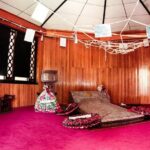
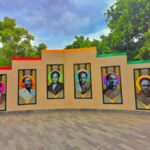
Once the memorial story lands, the tour pushes you back into the creative and public-landmark side of Accra. You’ll stop at the Arts and Cultural Centre for arts and curios, then move on to Black Star Square and the Osu Castle area.
The Arts and Cultural Centre stop is ideal for shoppers who want something with meaning instead of just a souvenir. It also helps break up the day after the monument intensity—so your afternoon feels balanced rather than one long museum block.
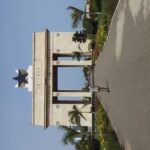
At Black Star Square, you’re in a major Accra space that carries national symbolism. This is where your earlier museum time pays off. You’re not just seeing a famous square; you can connect it to what you learned about Ghana’s identity and independence themes.
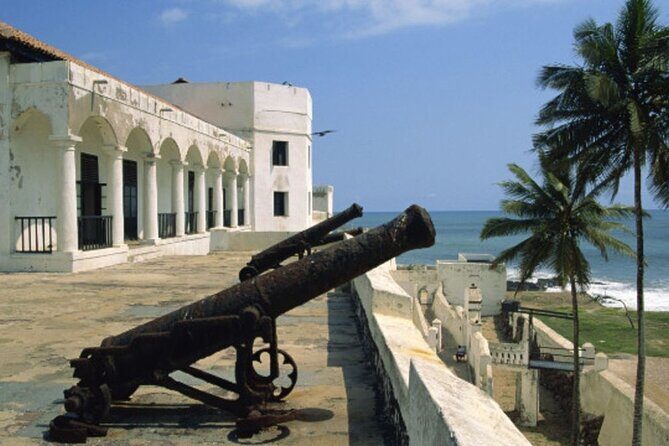
Then the day finishes in the Osu Castle area, which is a good way to cap a city tour with street-level atmosphere. Even though this is still part of a structured schedule, ending here helps you carry the day’s story back into how Accra actually feels when you walk around.
Price and What You’re Actually Getting for $120
The cost is $120 per person, and the value comes from what’s included. Hotel pickup and drop-off, guided services, an air-conditioned vehicle, driver, fuel, entry tickets to all museums, plus water are all part of the package.
That matters because city driving and museum entry can add up fast when you do things separately. In other words, you’re not only paying for a guide—you’re paying for a planned route with transportation and ticket coverage that keeps your half-day from turning into a half-day of logistics.
Food is the main missing piece. Since meals aren’t included, you’ll want to plan for lunch time. In practice, guides often allow enough time to eat and still keep the tour moving, especially if you need a break after the museum and market.
If you’re short on time and want both culture and shopping, this pricing structure usually makes sense. If you already know you’ll skip museums and just want a casual market wander, you might not need a fully guided loop like this.
Timing, Pacing, and How to Make This Half-Day Feel Smooth
This kind of tour can either feel perfect or feel rushed—so your choices matter. Since the schedule includes walking at Makola Market and stops with entry tickets, it helps to start the day early and stay light on your schedule.
A good rule: treat lunch as part of the plan, not an afterthought. Since food isn’t included, build in time so you don’t feel hungry during the later monuments. One practical tip is to ask your guide to recommend a nearby lunch option that fits the route timing.
Also, bring cash for shopping at Makola Market and any purchases at the Arts and Cultural Centre. The tour explicitly points to buying items like textiles and black soap, so having payment ready keeps you moving instead of pausing.
Finally, keep your shopping priorities in mind. It’s easy to get swept up in the market’s energy, so you’ll enjoy the day more if you decide what you want first, then browse for surprises.
Who This Tour Fits Best (and Who Might Skip It)
This half-day Accra city tour fits best if you want a structured overview with room to ask questions. It’s especially good for first-time visitors who want National Museum context plus major landmarks like Black Star Square and Kwame Nkrumah Park.
It’s also a solid choice if you like shopping but don’t want to plan it alone. The Makola Market walking tour is where you can actually browse and buy, guided by someone who can help you navigate the flow.
You might consider skipping this if you have a long time in Accra and prefer to slow travel without a schedule. This route is built to pack a lot into a short window, so it’s less ideal if you want to linger in one area for hours.
Should You Book This Accra City Tour?
I’d book it if your priority is a high-value half-day that hits the must-sees and adds meaning. The strongest argument is the mix: museum context up front, Makola Market on foot, then the independence memory at Kwame Nkrumah Park, finishing with major landmarks like Black Star Square.
Also, hotel pickup plus a car and entry tickets included reduces stress. When your time is limited, stress is the enemy of good travel.
Book with this expectation: you’ll do a little walking and you’ll want lunch time, because food isn’t included. If you’re good with that—and you want a guided, efficient Accra loop—this one is a very practical way to spend a day.
FAQ
What does the half-day Accra City Tour include?
It includes hotel pickup and drop-off, entry tickets to all museums, tour guiding services, an air-conditioned vehicle, a driver, fuel, and water.
What are the main stops during the tour?
You visit the National Museum, Makola Market, Jamestown, Kwame Nkrumah Park, the Arts and Cultural Centre, Black Star Square, and the Osu Castle area.
Is lunch included?
No. Food and drinks are not included in the tour price.
How much is the tour?
The price is $120 per person.
What language is the tour guide speaking?
The tour is offered in English.
Does the tour include museum entry tickets?
Yes. Entry tickets to all museums are included.
Is there air-conditioned transportation?
Yes. An air-conditioned vehicle is included.
Can I reserve and pay later, and how does cancellation work?
You can reserve & pay later. Cancellation is allowed up to 24 hours in advance for a full refund.