REVIEW · ACCRA
Full-Day Tour to Ashanti Region, Kumasi and Ghanaian History
Book on Viator →Operated by Kwame Tours · Bookable on Viator
Kumasi has a way of grabbing you fast. This full-day Ashanti region tour strings together Asante royal sites, craft villages for kente and adinkra, and big-city market energy, then gives you a breather at Lake Bosomtwe. I especially love how hands-on the craft stops are, from the weaving process to making adinkra-style items, and I also like the way the history is anchored by specific landmarks like the Okomfo Anokye Sword Site. One consideration: it is a 12 to 16 hour day, and Kumasi is far enough from Accra that you should expect long stretches in the car.
If you get a guide like Daniel, you can expect history explained in plain language and connected to daily life, not just dates. I also like that your guide can help with shopping plans—especially useful at Kejetia Market where the layout is sectioned and easy to get turned around. The main drawback is practical: you will do a lot in one day, so wear comfy shoes and plan for a slower pace if you need breaks.
In This Review
- Quick hits
- A Day in Kumasi: What This 12–16 Hour Route Really Delivers
- Morning Start From Accra: Distance, Timing, and Comfort
- Manhyia Palace Museum: Ashante Life Beyond the Main Story
- The Okomfo Anokye Sword Site: A Landmark With Myth and Meaning
- Kejetia Market: How to See a Mega-Market Without Losing Your Mind
- Craft Centers: The Hands-On Part That Actually Teaches You Something
- Bonwire Kente Weaving Centre: Spider-Web Origins and Real Process
- Ntonso Adinkra Village: Symbols You Choose, Made Locally
- Tour Fort Kumasi: Reading Colonial-Era Power in the Stones
- Prempeh II Jubilee Museum and Manhyia Palace: Artifacts and Royal Seat
- Lake Bosomtwe: The Natural Break With Swim and Optional Extras
- Price and What $280 Buys You for a Full Day
- Who This Tour Fits Best (and Who Might Prefer a Different Plan)
- Should You Book This Full-Day Ashanti Region Tour?
- FAQ
- How long is the tour?
- Where does the tour start and end?
- Is pickup included?
- What does the price include?
- Is this tour private?
- Is there a group discount?
- Do I get a ticket on my phone?
- When should I book?
- Is cancellation free?
- Are service animals allowed?
Quick hits
- Asante history tied to real landmarks like the Okomfo Anokye Sword Site and Manhyia Palace
- Craft villages you can watch from start to finish, not just browse stalls
- Kejetia Market logistics handled for you, so you can focus on what you actually want
- Lake Bosomtwe is the reset button, with optional boat cruise and horse rides
- A full, structured day with admission stops included where listed
A Day in Kumasi: What This 12–16 Hour Route Really Delivers
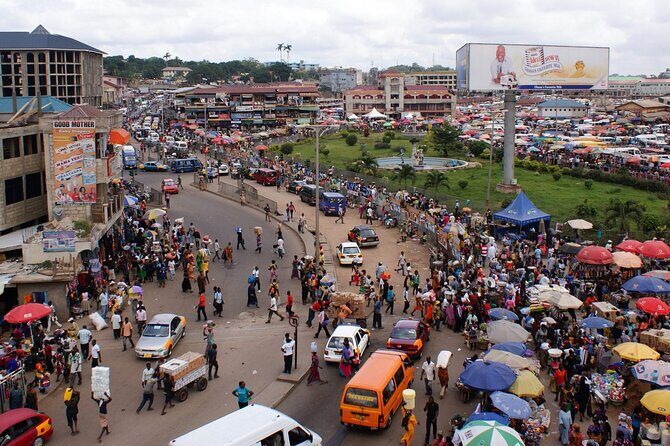
This is the kind of day trip that feels like you folded Ghana into one package. You start with royal and spiritual Ashanti references, then move into the places where culture is made with your eyes and your hands—textiles, printed symbols, and metalwork-style crafts. Then you get the city layer with Kejetia Market, where you experience Ghana’s commerce in real time.
What makes it work is the balance. You are not only collecting photos of monuments. You are also watching processes and meeting makers—how cloth gets formed, how symbols get chosen, and how craft knowledge stays local. And when the day starts to run long, Lake Bosomtwe gives you a chance to sit, look out over the region, and (if you want) add a boat cruise or swim time.
You can also read our reviews of more historical tours in Accra


Morning Start From Accra: Distance, Timing, and Comfort
Accra to Kumasi is a long haul. In fact, the drive has been described as around six hours, depending on traffic and how you time stops. Many departures run early (you might see a 5:30 am start and a driver ready even earlier), and a confirmed pickup plan is part of how the day is set up.
Why this matters for you: if you hate being stuck on the road, this is not a quick city sightseeing loop. It is more like a whole-day expedition with early momentum. Bring water, wear layers for changing temperatures, and keep your daypack practical—you’ll be moving between markets, museum interiors, and craft villages.
Manhyia Palace Museum: Ashante Life Beyond the Main Story
Your first major cultural stop is Manhyia Palace Museum in Kumasi. This museum focuses on the Ashanti people’s culture and Ghana’s ancestry, including the period leading up to British colonization. It is the kind of place where you leave with context: not just what happened, but what values and institutions shaped Ashanti life.
You can expect a guided experience that uses video presentations and key historical items. The setting also matters. Manhyia is not an anonymous museum building—it connects back to the royal world of the Asante people. If you like history explained through lived systems (power, tradition, identity), this stop is a strong foundation for the rest of the day.
Practical note: plan for some indoor time and short walking inside museum spaces. If you have mobility needs, it helps that the tour has shown flexibility with pacing for groups that include seniors.
The Okomfo Anokye Sword Site: A Landmark With Myth and Meaning
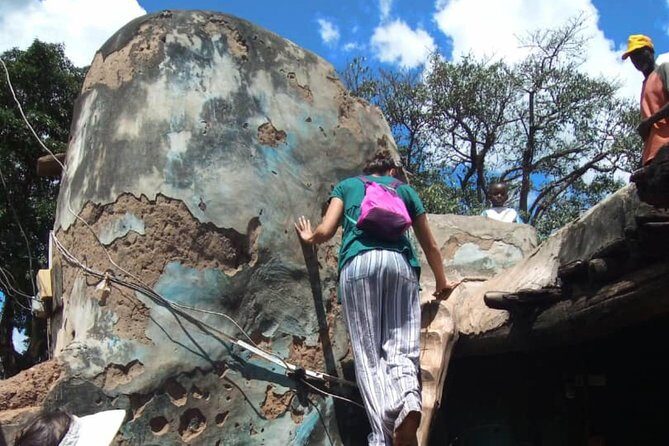
Then you head to one of the most famous Ashanti references: the Okomfo Anokye Sword Site. The sword itself is described as over 300 years old, wedged in the rockface on the grounds of the Komfo Anokye Teaching Hospital.
The value here is simple. This isn’t a generic “look at the statue” moment. The site is presented as a seminal Ashanti landmark—connected to the beginning of the Ashanti Kingdom—so the storytelling has a stronger payoff than you usually get from a quick stop. It also has protection for future generations, which is part of why it feels taken seriously, not like a casual photo spot.
If you’re sensitive to getting stuck in heat, try to time this stop as early as your schedule allows. You’ll be standing and walking around the area, even though it is only about an hour.
Kejetia Market: How to See a Mega-Market Without Losing Your Mind
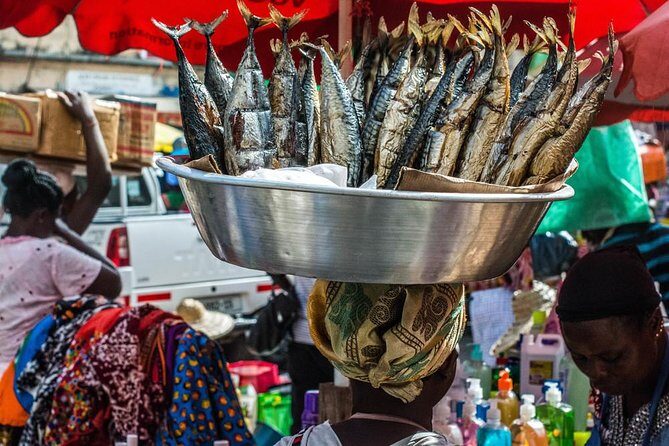
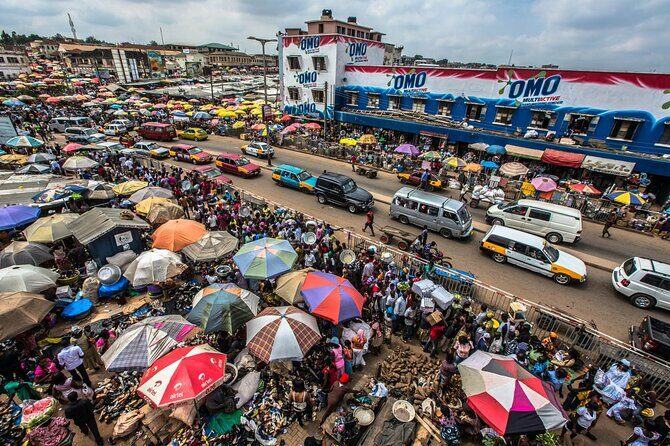
Kejetia Market is often described as the largest single market in West Africa, and the tour experience leans into that scale. The market has been refurbished, but the real draw is the atmosphere: lots of people working, sorting, selling, and moving through crowded sections.
You’ll see everything from food and fabrics to footwear, gold and jewelry, pottery, household items, oils, soaps, and spices. The key practical detail is that the market is divided into sections. So if you want something specific—say beads or fabrics—you will need help finding the right area.
This is where your guide really matters. You can tell your guide what you’re into, and they can help you move efficiently. That saves time and also reduces the chance you waste the day wandering with no plan.
What could be a drawback: a market day can get sensory-heavy. If you get overwhelmed in crowds, bring sunglasses, stay focused on your shopping list, and use your guide to move you between sections instead of drifting.
A few more Accra tours and experiences worth a look





Craft Centers: The Hands-On Part That Actually Teaches You Something
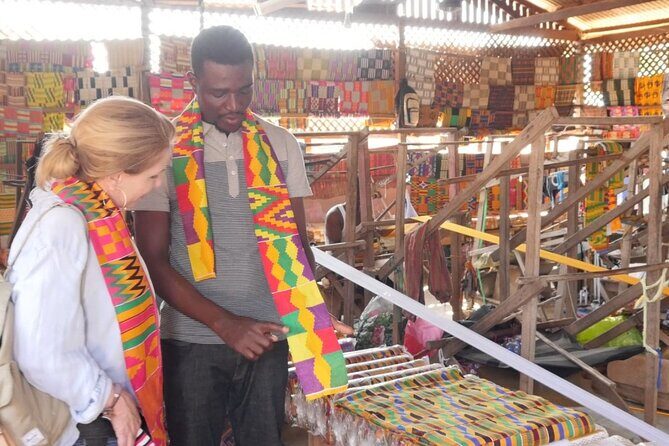
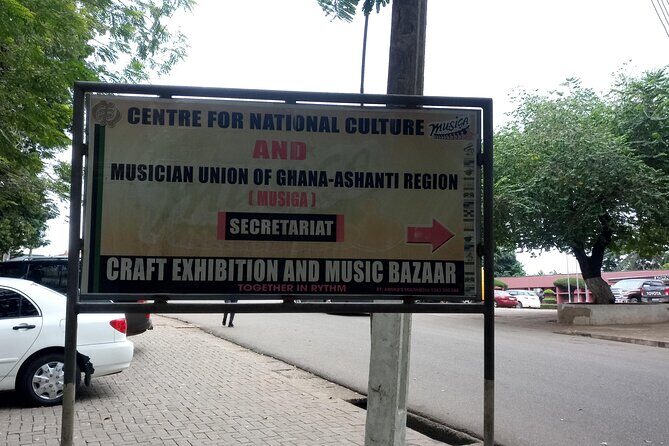
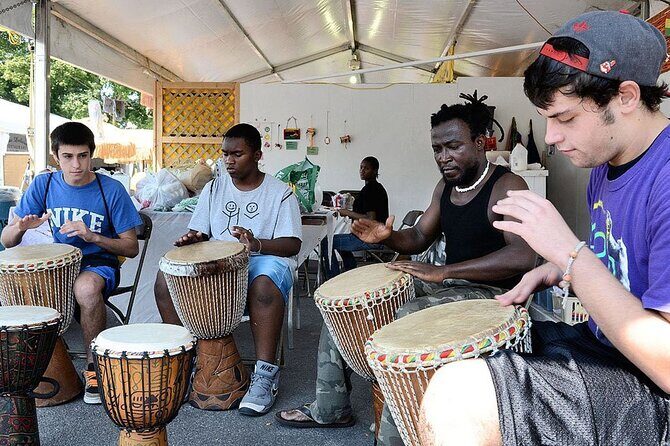
The best section of this tour is the craft stretch. The Center for National Culture in Kumasi is where you see artisans working with traditional methods—things like brass items and pottery—while also observing kente weaving style craft work. The tour even notes an option for visitors who want to learn local drumming, which can turn a passive stop into an active one.
Then comes the shopping angle, but with a useful twist. Your tour guide helps with negotiation, aiming to reduce costs. That matters because craft pricing can vary, and without guidance you can spend more than you intended just because the first price sounds like the only price.
One thing to keep in mind: craft centers can be great, but they can also turn into a “buy something now” pressure zone if you let it. You’ll enjoy this part most if you treat it like learning—watch first, ask questions, then buy if something truly fits your taste and budget.
Bonwire Kente Weaving Centre: Spider-Web Origins and Real Process
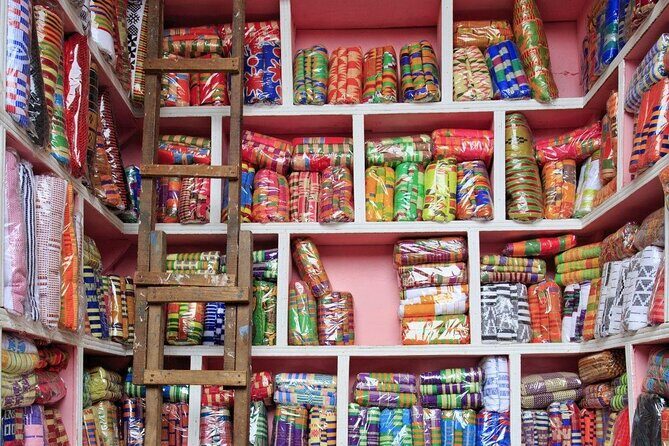
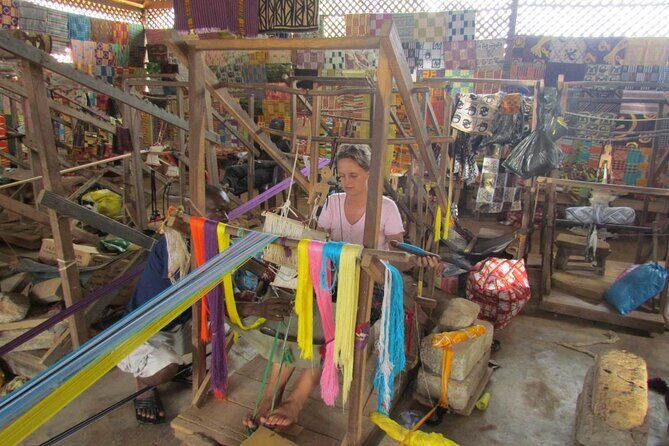
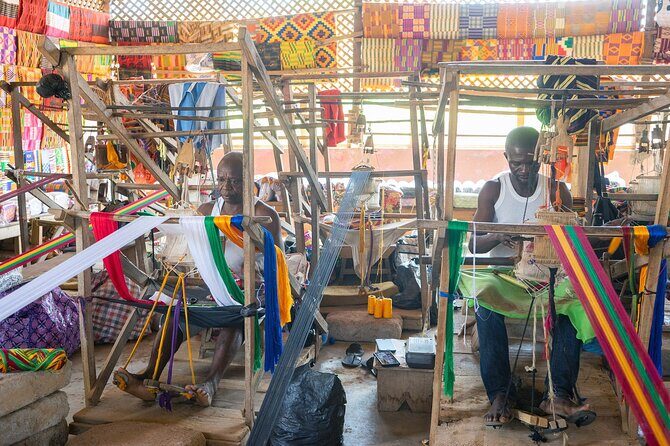
Bonwire is the home of famous Akan kente cloth. The tour experience includes the story that two friends learned to weave by watching a spider spin its web. More importantly, you’re not just hearing the story—you’re watching the process from start to finish.
Plan to spend a solid block here (about two hours). You’ll see how weaving works in real life, not as a souvenir photo. And if you want to bring home textiles, this is one of the most sensible places to shop because you’re buying with context. You understand what the maker’s workflow looks like, and you know what you’re paying for.
Tip for your comfort: kente weaving centers can involve close viewing distances and continued motion. Wear breathable clothes and be ready to look up and around—looms and weaving tools often require different viewing angles.
Ntonso Adinkra Village: Symbols You Choose, Made Locally
Another highlight is the Ntonso Adinkra Village stop, described as the only place in Ghana where traditional adinkra is made locally from scratch. The experience includes making adinkra banners of your choice and even clothes for you.
This is the stop that turns symbolism into something tangible. Instead of treating adinkra like a design you buy, you get to interact with selection and making. That makes the final product feel personal, not generic.
The practical payoff: if you want a souvenir with meaning—something you can explain without sounding like you read a label—that is the kind of craft result this portion of the day can create.
What to consider: hands-on crafting takes time and energy. If you’re tired from the drive and market crowds, prioritize good rest before this part. You’ll get more out of it if you’re alert enough to watch, ask, and make choices.
Tour Fort Kumasi: Reading Colonial-Era Power in the Stones
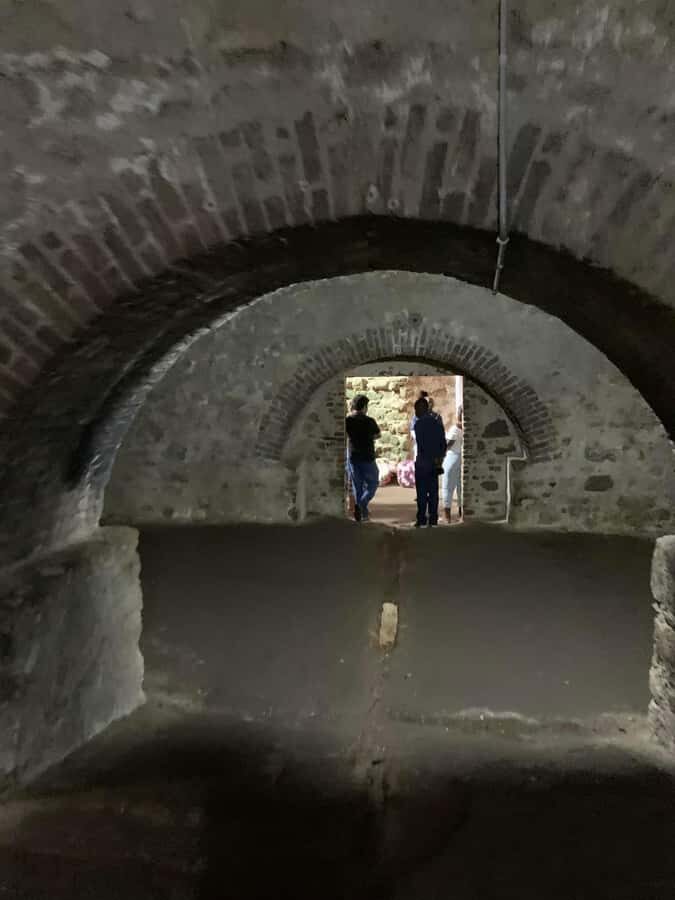
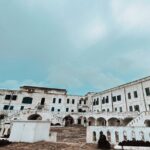
The tour also includes a stop at Fort Kumasi, described as Ghana’s only inland fort. It functioned as a military garrison from colonial rule. The significance isn’t just the architecture; it is how the fort fits into the broader story of power changes in the region.
This is a good contrast stop after the royal and spiritual landmarks and before you head back into craft and market life. Forts and garrisons can be sobering. They remind you that history here includes control, resistance, and shifts in authority.
Because this stop is part of a packed day, you’ll want to move through it at the pace your interest level demands. If you like military history, you’ll enjoy lingering a bit. If you prefer lighter breaks, treat it as a context checkpoint.
Prempeh II Jubilee Museum and Manhyia Palace: Artifacts and Royal Seat
The day also includes Prempeh II Jubilee Museum, which houses historic artifacts related to the Asante world. Paired with time at Manhyia Palace (home of the Ashanti King and seat of the Asante people), this part of the tour helps you connect objects to place.
What you’re getting is a storyline. You see how culture is stored, presented, and explained through artifacts, then you compare that to what you learned at palace-linked settings. If you came mainly for crafts or markets, this museum time may still change how you see what you’re buying—because you understand the cultural roots behind it.
Practical advice: museum time can feel repetitive if you’re bouncing between many indoor stops. Keep your questions simple: What does this object represent? How does it connect to governance or identity?
Lake Bosomtwe: The Natural Break With Swim and Optional Extras
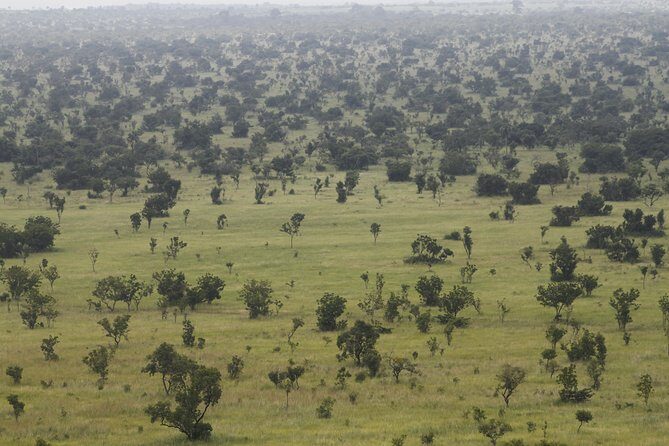
After a big culture and market block, Lake Bosomtwe is the reset. It’s described as the only natural lake in Ghana, with a rain forest feel in the area. You can also look out over Kumasi from the mountains when you’re viewing from your car or bus.
There are optional add-ons, which is nice because it lets you decide how adventurous you want to be:
- A boat cruise on the lake (extra fee)
- A nearby horse ranch managed by a German, with horse rides through the forest to seven villages (extra fee)
- Beach swimming and relaxation—bring your swimming suit if you want that downshift
This is where you can recover from all the walking and standing earlier. It’s also the easiest part of the day to enjoy with no explanations needed—just water, trees, and breathing space.
If you want maximum value: do one optional extra, not both, unless you know you love activities and you’re comfortable with time. The day is already long.
Price and What $280 Buys You for a Full Day
At $280 per person, you are paying for a long, tightly planned day with multiple included items and guided coordination. The drive from Accra into Kumasi is a big part of the cost, and the structure matters: admission ticket stops are included at key sites like Manhyia Palace Museum, Okomfo Anokye Sword Site, Kejetia Market, and Bonwire Kente Weaving Centre.
You also get guided help where it counts most:
- finding your way through Kejetia Market sections
- negotiating during craft shopping
- making the craft villages meaningful instead of just photo ops
Value-wise, this price is most defensible if you care about culture that goes beyond museum walls. If your ideal day is only a quick overview, this might feel like you’re paying for time and travel. But if you want an all-in day with history plus hands-on making plus a nature break, it’s a strong package.
Who This Tour Fits Best (and Who Might Prefer a Different Plan)
This tour is a great match if you:
- want both Asante heritage landmarks and hands-on crafting
- like guided interpretation that links history to the present
- want a day that mixes city energy with a real nature pause
- are okay with long hours and lots of stops
It might not be ideal if you:
- hate long drives or early starts
- want a very slow pace with lots of downtime
- prefer shopping-free days, because craft and market stops are a meaningful part of the experience
If you’re traveling with seniors or anyone with mobility limitations, it’s reassuring that the tour has shown attention to pacing for groups that included older travelers. Still, it helps to communicate needs clearly before you go.
Should You Book This Full-Day Ashanti Region Tour?
I think you should book this tour if Kumasi is on your list for more than a photo stop. The best reason is the mix: royal and spiritual landmarks, then craft-making where you watch process, then a market that feels like a working city, and finally Lake Bosomtwe to reset your energy.
I’d skip it if you only want a light, short itinerary. This is a full-day commitment, and it only feels great if you’re willing to trade a little comfort for a lot of cultural payoff.
If you book, do one smart thing: pick what you want most—kente, adinkra, market finds, or nature time—and use your guide to keep you focused. That way the day stays fun, not exhausting, and you leave with souvenirs that feel like they belong to the story you came to learn.
FAQ
How long is the tour?
The tour runs about 12 to 16 hours.
Where does the tour start and end?
It starts with pickup from Kotoka Airport in Accra, Ghana, and ends back at the same meeting point.
Is pickup included?
Pickup is offered.
What does the price include?
Admission tickets are listed as included for some stops (Manhyia Palace Museum, Okomfo Anokye Sword Site, Kejetia Market, and Bonwire Kente Weaving Centre). Other stops are listed as free (Center for National Culture and Lake Bosomtwe). Additional activities at Lake Bosomtwe (like a boat cruise or horse ride) are extra fees.
Is this tour private?
Yes, it is a private tour/activity, and only your group participates.
Is there a group discount?
Group discounts are available.
Do I get a ticket on my phone?
Yes, the tour includes a mobile ticket.
When should I book?
On average, it is booked about 33 days in advance.
Is cancellation free?
Yes. You can cancel up to 24 hours in advance for a full refund.
Are service animals allowed?
Yes, service animals are allowed.