REVIEW · ACCRA
Cultural Tour Of Ghana And South Africa 12 Days
Book on Viator →Operated by Continent Tours · Bookable on Viator
UNESCO sites hit hard, then the safari lifts you. This 12-day route strings together Ghana to South Africa with guided history in Accra, Cape Coast/Elmina, and Soweto—then shifts gears to animals in Pilanesberg National Park and skyline views in Cape Town. You’ll get one expert cultural guide and private transfers so the story keeps moving, not stuck in paperwork mode.
I like how the trip pairs major landmarks with meaning. Cape Coast Castle and the Door of No Return aren’t treated like a photo stop, and you also get the ceremony called fiankra to frame what it meant to leave home without saying goodbye. I also love the mix of people-focused learning with hands-on culture at Lesedi Cultural Village, where you tour multiple villages and end with a traditional performance and buffet dinner.
One drawback to consider: the days are busy. You’ll move between cities, catch flights, and do walking sessions like Kakum’s forest stroll, so build in patience and comfy shoes for a schedule that doesn’t slow down.
In This Review
- Key highlights worth your attention
- Why this Ghana-and-South-Africa route works
- Accra arrival and the first taste of Ghana’s identity
- W.E.B. Du Bois, Nkrumah Park, and the Accra Arts & Crafts Centre
- Cape Coast and Elmina’s UNESCO sites: seeing the Door of No Return
- The fiankra ceremony and Elmina Slave Castle
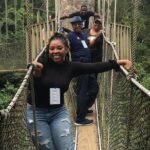
- Kakum National Park: a guided forest walk that changes the pace
- Johannesburg and Soweto: freedom-fighter sites with a clear route
- Pilanesberg safari plus Lesedi Cultural Village: animals and living culture
- Cape Town: Table Mountain, Cape Peninsula sights, and Constantia wine
- Robben Island ferry and township cultural tour (Langa and Gugulethu)
- Leisure time in Cape Town and why it matters
- Price, meals, and what you’ll still need to plan for
- Should you book this Ghana and South Africa cultural tour?
- FAQ
- How long is the Ghana and South Africa tour?
- Where does the tour start and what time?
- Is airport pickup and drop-off included?
- Are site admissions included?
- What meals are included?
- What hotels are included for overnight stays?
- Is there a limit on group size?
- Can I get a full refund if I cancel?
Key highlights worth your attention
- One small group cap (max 10) with consistent guiding, which keeps the pace friendly.
- UNESCO World Heritage stops in Cape Coast and Elmina, including the Door of No Return and Elmina Slave Castle.
- Kakum National Park forest walk, with a chance to spot wildlife in a guided setting.
- Big Five safari at Pilanesberg, plus lots of bird life (over 360 species noted).
- Soweto freedom-fighter sites in a structured route: Hector Pieterson Memorial, Regina Mundi, and more.
- Cape Town plus Cape Peninsula power day with Table Mountain cable car and Cape Point views.
Why this Ghana-and-South-Africa route works
This tour is built for people who want more than one country’s best hits—they want the threads. In Ghana, you start with modern leadership and cultural creativity in Accra, then move to Cape Coast and Elmina where the built environment carries the weight of the transatlantic slave trade. In South Africa, you shift from liberation stories in Johannesburg and Soweto to a safari where you’re reminded that conservation and wildlife also shape the future.
I also like that the trip is structured around guided context. You’re not just dropped in front of a wall and told to read a plaque. The guide stays with you and links stops to themes: leadership, forced migration, return, struggle, and community resilience.
Value-wise, the price tag is high at $8,695 per person, but the included pieces are substantial: admission to the listed sites, private transportation, airport/hotel transfers, and multiple breakfasts and dinners. The big thing to check is that flights are not included, so your total cost will depend on how you book those legs.
You can also read our reviews of more historical tours in Accra
Accra arrival and the first taste of Ghana’s identity
Landing in Accra starts with a simple plan: meeting at Kotoka International Airport, assistance, and transfer to your hotel in a private air-conditioned vehicle. That matters. After a long flight, the fastest way to enjoy a new place is to get your bearings fast—without hunting for a taxi or figuring out where your hotel is.
Once you’re checked in at the Mövenpick Ambassador Hotel, your guide briefs you on what to expect. Then Accra comes into focus with places tied to Ghana’s political and cultural identity.
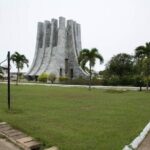
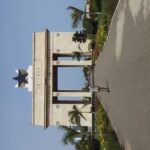
You’ll walk past Flagstaff House, then head to the upgraded Kwame Nkrumah Memorial Park. The size matters here—5.4 acres—and so does the layout. It’s not only memorial space; it includes a library, conference center, synchronized fountain, a mini-amphitheater, and a picnic area. In other words, it feels like a living public space, not a sealed-off monument.
W.E.B. Du Bois, Nkrumah Park, and the Accra Arts & Crafts Centre
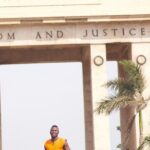
Accra day is a strong mix: one big idea, one national icon, and one place to shop with your eyes open. You’ll start at the W.E.B. Du Bois Centre, a hub for the Pan-Africanist legacy. It sets the tone: this isn’t just Ghana’s story in isolation; it’s Ghana’s role in broader movements.
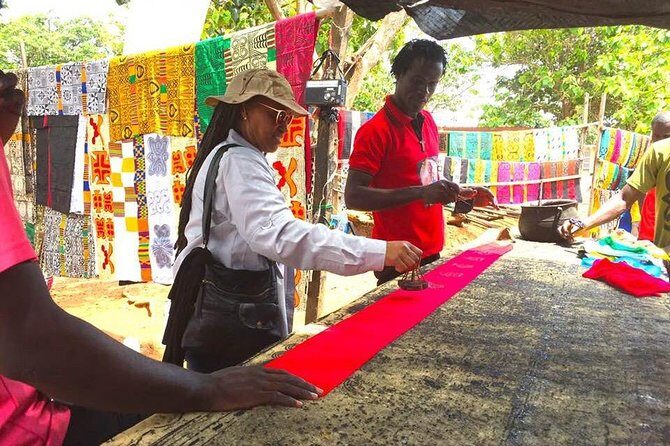
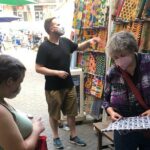
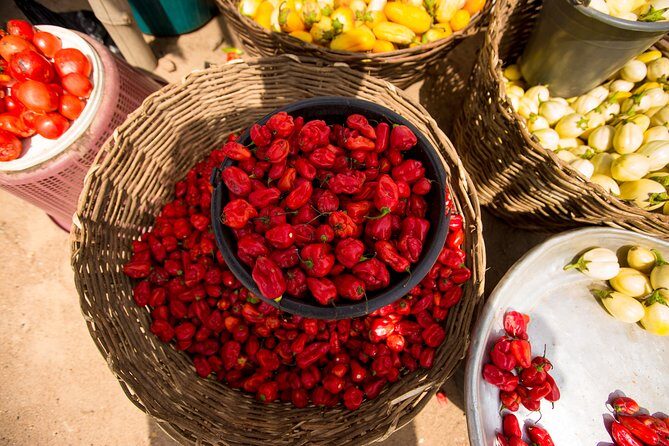
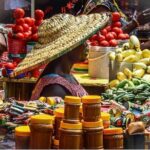
Then you’re into modern Ghana with Kwame Nkrumah Memorial Park, followed by time at the Accra Arts & Crafts Centre. This is where you get to browse and bargain for items like kente cloth, sculptures, and jewelry. The practical angle: go with a light hand if you’re not sure what you want. Use it as a feel-test for prices and quality before you decide.
A tip from the way this trip is run: since you’re in a guided setup, ask your guide what’s a fair range before you bargain hard. With cultural goods, the “cheap” price can sometimes mean the quality is off—or the materials are mixed. Even if you still buy, you’ll buy with fewer regrets.
Cape Coast and Elmina’s UNESCO sites: seeing the Door of No Return
The tone shifts as you head to Ghana’s central region and arrive around Cape Coast. There’s an intentional build here: you start with Mankessim to visit the Posuban Shrine and Fante Village, then continue to Cape Coast.
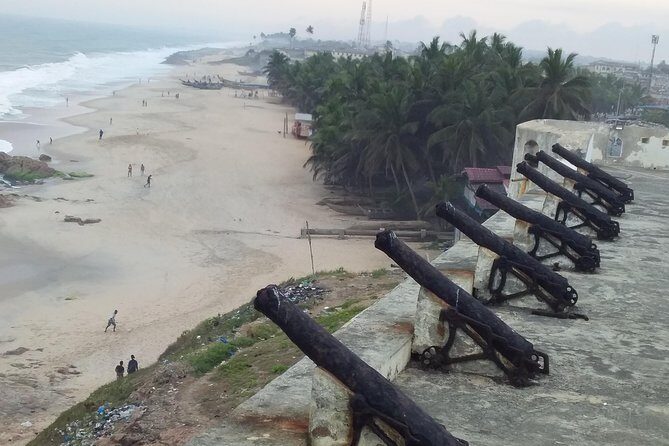
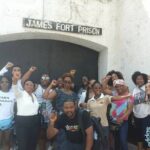
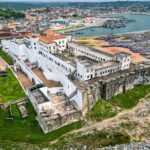
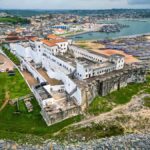
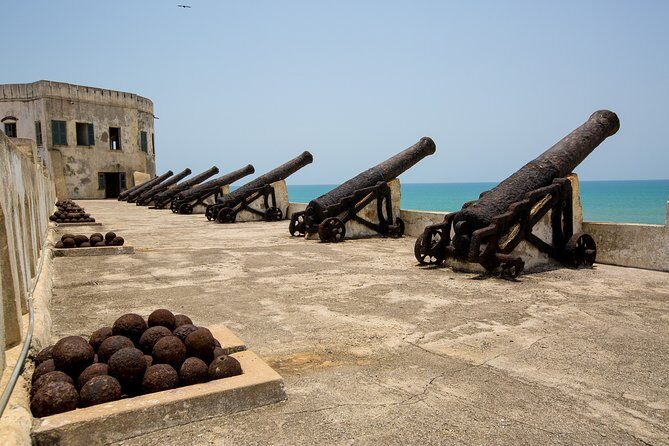
Cape Coast Castle is your first major UNESCO moment, and the details are the point. This site was a departure point for enslaved Africans sent to the Americas, and it’s home to the notorious Door of No Return. If you visit with a camera, you’ll want to be respectful with it. You’re walking through a place where people were processed for something unimaginable.
That evening, you get a guided tour through the ancient town of Elmina, including time at the harbor to see colorful fish activity. It’s a different kind of scene than the castles—more everyday life—but it matters because the area isn’t only remembered for one chapter. It’s still a working town.
The fiankra ceremony and Elmina Slave Castle
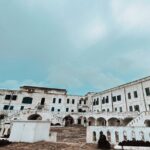
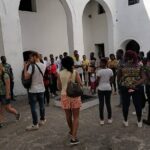
The next day goes deeper with Elmina Slave Castle, built in 1482, described as the first European structure in sub-Saharan Africa. You’ll get a guided experience that connects the building to the lived experience of departure, not just architecture.
Then you’ll attend a “Return to the Homeland” ceremony called fiankra. This is one of those moments that’s hard to replace with any other stop, because it turns the concept of leaving and returning into something you can witness. The framing is clear: fiankra illustrates the reality of being taken from home without bidding goodbye, and it’s also described as an initiation rite for those returning.
Be ready for emotions here. If you prefer your history in smaller doses, pace yourself with pauses during the walking portions and hydrate. The trip provides bottled water per person per day, which helps on long days.

Kakum National Park: a guided forest walk that changes the pace
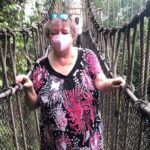
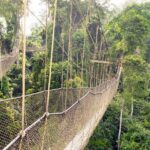
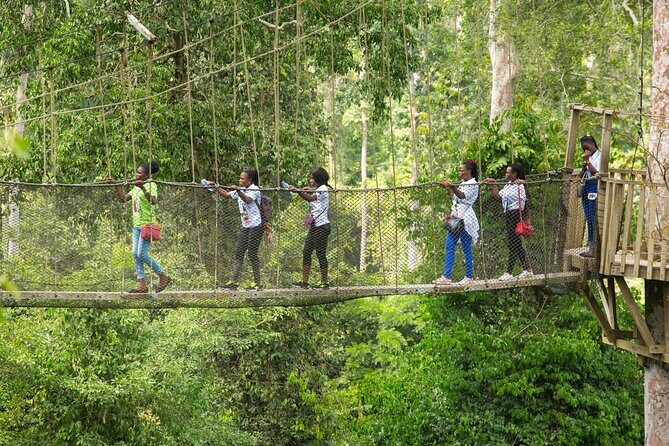
After two heavy-hitting days, Kakum National Park offers an important reset. You’ll take a brief guided walking tour on the forest floor, with an opportunity to see birds, butterflies, and—if luck is with you—wildlife like monkeys and even the reclusive forest elephant.
What makes Kakum valuable on this tour is that it’s not just nature marketing. It’s a reminder that these countries have complex ecosystems and that conservation is part of the present, not only the past.
Physical note: the tour asks for moderate fitness. Kakum is described as a forest-floor walk, but “brief” doesn’t mean effortless. Bring walking shoes you can trust.
Johannesburg and Soweto: freedom-fighter sites with a clear route
Flying to South Africa turns the page. You’ll arrive early in Johannesburg, get transferred to your hotel, and then spend the afternoon exploring Soweto through the lens of freedom fighters.
This part of the trip is well-structured: you hit key locations that connect to major events. You’ll stop at the Hector Pieterson Memorial, tied to the Soweto uprisings. You’ll visit Regina Mundi Church, described as a sanctuary for activists during apartheid, and you’ll see bullet holes left from police clashes. The route also includes Chris Hani Baragwanath Hospital, noted as the world’s largest hospital, and Mandela’s House, with memorabilia and photos.
You’ll also spend time at Freedom Square, where the Freedom Charter was adopted. This is the kind of “history in one line” day that helps you connect names, events, and places instead of treating them like separate attractions.
Pilanesberg safari plus Lesedi Cultural Village: animals and living culture
Next comes the kind of day most people book for: a safari. At Pilanesberg National Park, the tour calls out the Big Five—lions, buffalo, leopards, elephants, and rhinos—along with other animals like cheetahs, giraffes, and hippos. It also highlights bird life, with over 360 species mentioned.
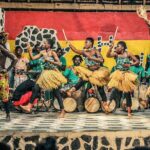
Then you shift from animals to people at Lesedi Cultural Village. You’ll be welcomed into the Ndebele village, watch a multimedia presentation on South African history, and tour four unique cultural villages, each with local customs and language. The day ends with a traditional performance and a buffet dinner.
Here’s why that pairing works: if your Ghana section focused on forced movement and return, then this section asks a different question—how cultures preserve identity. You’re not only hearing about tradition; you’re seeing it presented within a community setting.
Also, you stop en route at a market offering Southern African goods. This is the practical time to buy small gifts or snacks—then you’re ready for dinner without scrambling.
Cape Town: Table Mountain, Cape Peninsula sights, and Constantia wine
Cape Town gets a full “starter pack” day, and it’s a smart move. You’ll be transferred to a hotel near the Victoria & Alfred Waterfront, then later you’ll get to see why Cape Town is famous for views.
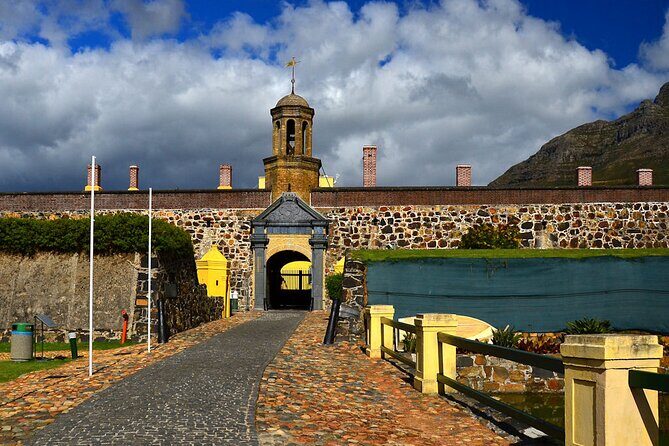
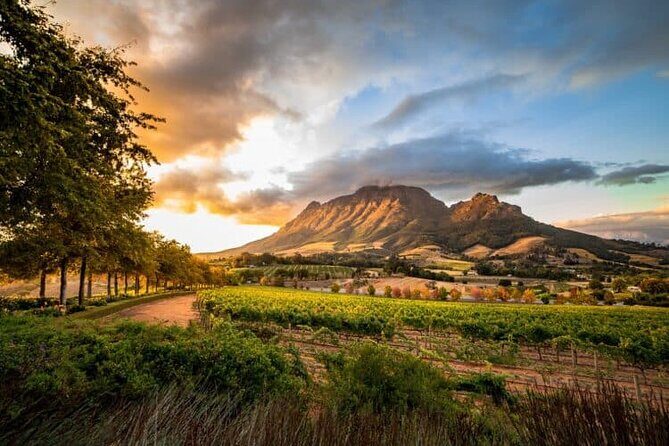
You start with Table Mountain via the 360-degree rotating cable car. After the panorama, you drive the Cape Peninsula with stops including Clifton, Camps Bay, Hout Bay, and then along Chapman’s Peak Drive through Scarborough to the Cape of Good Hope. You even pause for tea or coffee by the Cape of Good Hope signboard, then ride the Flying Dutchman Funicular for views from the old Cape Point lighthouse.
Lunch follows near Boulders, then you continue to the Constantia Valley Wine Route for a wine tasting at a selected estate. You’re not getting hours of winery time here—this is a tour day—but you are getting a taste of how the region does wine tourism: guided, time-boxed, and tied to a broader sightseeing day.
If you’re the type who gets tired of glass-and-grapes timelines, keep it simple: sip what’s offered, take in the views, and save your deeper wine interest for a future trip.
Robben Island ferry and township cultural tour (Langa and Gugulethu)
One of the most important South Africa days is the one that blends a major monument with lived-in communities. You’ll take a ferry to Robben Island, described as the former prison where Nelson Mandela spent many years, and it’s listed as a UNESCO World Heritage site.
From there, you continue with a cultural tour of Cape Town townships, where you’ll interact with communities including Langa (called Cape Town’s oldest formal township). You’ll get insights into the legacy of apartheid and the struggle for democracy.
Then you visit Gugulethu, including a community-driven project and time to observe artisans and crafters at work. This is the part of the tour that helps you understand that history isn’t only museums. It’s what people build and repair every day.
Meal-wise, this day includes breakfast and dinner, so you have less to figure out on your own.
Leisure time in Cape Town and why it matters
After the intensity of Johannesburg/Soweto and the heavy context around Robben Island, the schedule includes real slack time. There are leisure days with your own pace for shopping, dining, and exploring Cape Town’s “Mother City” energy.
You’ll stay at Protea Hotel & Hotel Sea Point for your Cape Town nights, and the included meals typically cover breakfast, with one day also including dinner. That gives you a structured start to the day and a built-in place to land at night.
My advice: use the leisure time for low-pressure goals. Pick one neighborhood to walk, one market to browse, and one long meal. Cape Town rewards slow choices, even when your tour moves fast.
Price, meals, and what you’ll still need to plan for
Let’s talk value without sugarcoating it. At $8,695 per person, this is a premium cultural and wildlife package. The reason is the scope: multi-country guiding, private vehicle transportation, round-trip airport/hotel transfers, and admission to the listed sites.
You also get practical extras:
- bottled water per person per day
- meeting and assistance on arrival and departure
- assistance with visa application
- a day room provided in Accra on your travel day before the flight to South Africa
- mobile ticket
Food is partly covered: 11 breakfasts and 9 dinners are included, and you’ll encounter additional free time between activities. What’s not included is key: flights aren’t listed as included, so those can change your total budget a lot. Travel insurance is also not included, and personal expenses plus gratuity for driver and guide are on you.
Also keep in mind the trip is capped at a maximum of 10 people. That’s a good sign for the guide-to-group ratio, especially on days with lots of stops and walking.
Should you book this Ghana and South Africa cultural tour?
I’d book it if you want a guided, meaningful route that blends politics, culture, and wildlife without turning history into a quick checklist. The strongest reasons to choose it are the mix of UNESCO slave-trade sites, the structured Soweto freedom-fighter route, and the two-part reset of Pilanesberg safari plus Lesedi Cultural Village.
I’d think twice if you prefer very slow travel. This is a lot of moving, with flights and busy sightseeing days. If you can handle that, you’ll likely appreciate how the tour ties together big themes instead of treating each stop as a separate box to tick.
One more smart decision tip: check your flight plan early since flights are not included. If you get your air schedule wrong, you can end up eating into the included time that makes this tour feel efficient.
FAQ
How long is the Ghana and South Africa tour?
The tour runs for about 12 days based on the provided schedule.
Where does the tour start and what time?
It starts at Kotoka International Airport in Accra, with a start time listed as 8:30 am.
Is airport pickup and drop-off included?
Yes. Round-trip airport/hotel transfers and meeting and assistance upon arrival and departure are included.
Are site admissions included?
Yes. Admission to the listed sites is included.
What meals are included?
The tour includes 11 breakfasts and 9 dinners.
What hotels are included for overnight stays?
Overnight stays include the Mövenpick Ambassador Hotel in Accra and Protea Hotel & Hotel Sea Point in Cape Town, based on the provided info.
Is there a limit on group size?
Yes. The maximum group size is listed as 10 travelers.
Can I get a full refund if I cancel?
You can cancel for a full refund if you cancel up to 24 hours in advance of the experience’s start time.