REVIEW · ACCRA
Black History Tour – Back to Your Roots (Accra to Assin to Cape Coast to Elmina)
Book on Viator →Operated by Freelancenana Travel And Tours · Bookable on Viator
This route traces family history through living places. You’ll cover key sites tied to the Transatlantic slave trade—Assin Manso Slave River Park, Cape Coast and Elmina’s UNESCO slave castles, plus time in Kakum National Park—guided by people who make the story personal.
Private guide plus slave castles turns a drive into something you’ll carry.
I love that the package takes real weight off your planning: overnight accommodation is included, and admission tickets and meals are built in. That means you can focus on what you’re seeing instead of chasing entry times or food stops.
One consideration: this is an emotionally intense route and the schedule starts early (7:00am), so you’ll want to pace yourself and wear comfortable shoes. Good weather matters too, especially for the outdoor part of the experience.
In This Review
- Key things to know before you go
- Why Assin Manso and the castles change how you see the story
- The 7:00am Accra launch: easy pickup, long day energy
- Day 1 in the “last steps” zone: Assin Manso Slave River Park
- Cape Coast Castle: seeing Portuguese and Swedish layers of power
- Day 2 in Elmina: the oldest European building below the Sahara
- Kakum National Park: when the route turns from stone to trees
- The private guide factor: when the story feels like it’s aimed at you
- Price and value: what $720 covers (and why that matters)
- What to bring: practical basics for a very physical, very emotional day
- Who this tour suits best (and who might want a different format)
- Should you book Black History Tour – Back to Your Roots?
- FAQ
- What are the tour dates and duration?
- How much does the tour cost?
- Where does the tour start and what time?
- Is transportation and pickup included?
- Are meals and overnight lodging included?
- Do I need to pay for admissions at the main sites?
- Is this a private tour?
- What’s the cancellation rule if plans change?
- Does weather affect the tour?
Key things to know before you go
- Start in Accra at 7:00am from Shoprite Accra Mall, then travel through history toward the coast
- Assin Manso Slave River Park centers on the final bathing stop and the forced journey to the castles
- Cape Coast and Elmina slave castles are major World Heritage–linked sites tied to European forts on the Gold Coast
- Elmina’s mix of sites includes Elmina Castle, Fort Jago, salt mining village, and the 17th-century Dutch Cemetery
- Kakum National Park is part of the plan, so expect an outdoor day that depends on conditions
- Warm, prompt guiding shows up in feedback, with guests naming Nana and Prince for making people feel at home
Why Assin Manso and the castles change how you see the story
This tour is built around connections—between past and present, between place and memory. You start inland at Assin Manso, then move to the coast where the large European forts worked as commercial gateways in the slave trade.
What makes the route powerful is that it doesn’t just point at buildings. It frames the journey as a sequence: capture and confinement, forced marches and waiting, then the brutal final transport phase. When you see Assin Manso and then go straight to Cape Coast and Elmina, the timeline feels clearer.
You’ll also get context for how the slave trade affected later generations, not only what happened “back then.” That’s often the difference between a history stop and a root-tracing experience.
You can also read our reviews of more historical tours in Accra

The 7:00am Accra launch: easy pickup, long day energy
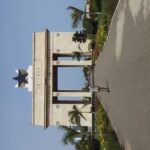
Your morning begins at Shoprite Accra Mall on Tetteh Quarshie Ave around 7:00am. Pickup is offered, and the tour is private, so you’re not stuck sharing a small timeline with a crowd.
Plan for a long day because you’re traveling between major towns along the coast. Even with comfortable transport, you’ll want water, sun protection, and a small break plan for moments that feel heavy.
The good news: the tour includes lunches and all meals in the overall package. Fewer “what are we eating?” decisions means more mental room for what you came for.
Day 1 in the “last steps” zone: Assin Manso Slave River Park
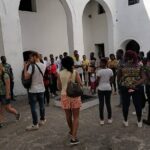
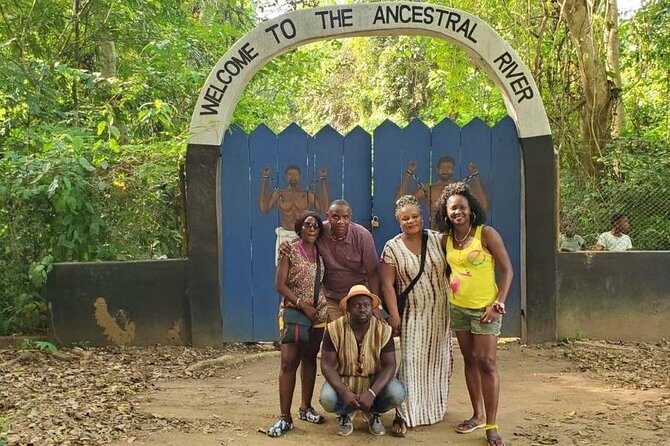
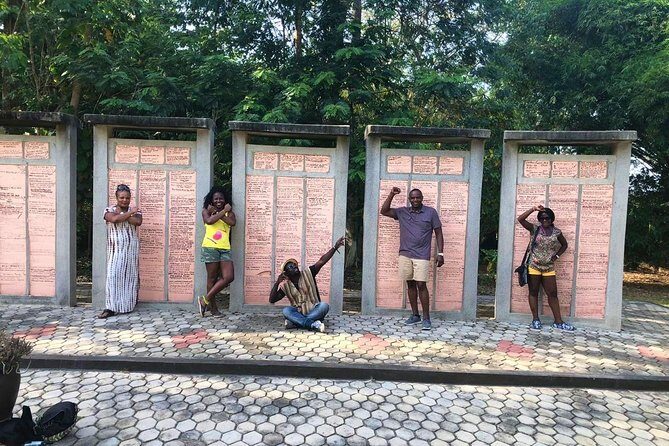
Assin Manso is where the story slows down. You’ll visit the Assin Manso Slave Market on the way, described as the final and last point where enslaved people had their last bath before being taken through the virgin forest for weeks toward the castles and the ships.
That detail matters. You’re not only looking at history as an abstract idea; you’re at a specific stop in a forced route. The Slave River Park is designed to help you feel that “last bathing” moment in a physical way—by standing where people did.
A practical note: this is a reflective site, and it can hit hard. You’ll want to keep your camera use respectful, and if you’re traveling with family or friends, agree ahead of time about pace—some people want to move quickly, others need time to sit with it.
After Assin Manso, you head to the Cape Coast area for lunch, then continue to the castle site.
Cape Coast Castle: seeing Portuguese and Swedish layers of power
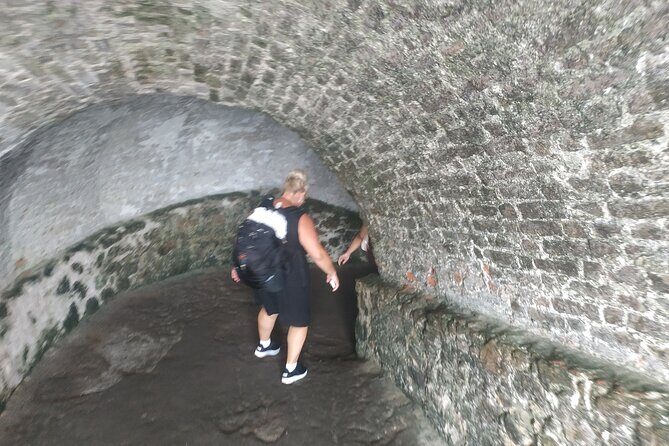
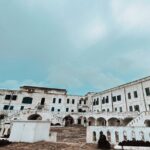
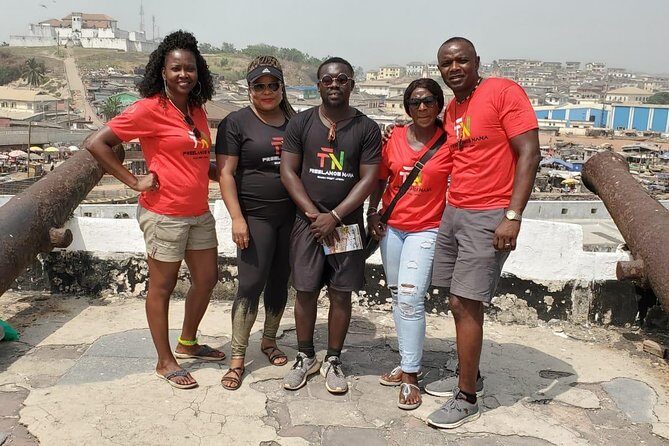
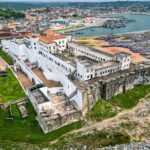
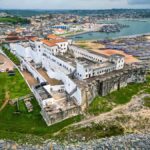
At Cape Coast Castle, you’ll walk into one of the major forts tied to the transatlantic system. It’s commonly described as one of about 40 slave castles built along the Gold Coast by European traders.
Here’s what makes this place more than a single-era monument. The site began as a Portuguese feitoria (trading post) established in 1555, then shifted in 1653 when the Swedish Africa Company built a timber fort there. That layered timeline helps you understand how control changed hands while the system kept functioning.
The castle visit is included with an admission ticket, and you’ll spend about two hours there. In that time, focus less on memorizing facts and more on how the space was used—where people were held, where power was enforced, and how trade was run.
It’s also a UNESCO World Heritage–linked experience, which adds a layer of preservation and international recognition. Still, the goal isn’t “touristy history.” You’re there to connect with the human impact of a brutal economic system.
Day 2 in Elmina: the oldest European building below the Sahara
Day two starts with Elmina, one of Ghana’s most historically loaded towns. You’ll visit Elmina Castle, described as the oldest European building in existence below the Sahara.
That alone is a jaw-drop moment, but the route inside Elmina goes beyond the main fort. You’ll also see Fort Jago, visit the salt mining village, and take time for a walk through town past ancient historical buildings, including the 17th-century Dutch Cemetery.
This is where the tour feels especially grounding. Elmina isn’t only a “castle day.” It’s a whole town context—old walls, older burial grounds, and working community elements like salt mining that show how people lived and continue to live in the same broader region.
Your guide also aims to provide cultural context and help you connect the historic events to the community’s traditions today. The goal is for the visit to feel like heritage, not only tragedy.
If time allows, there may be an opportunity for a deeper look at everyday life by visiting homes in the communities. That kind of access can be meaningful, because it shifts the story from a distant past to a living present.


Kakum National Park: when the route turns from stone to trees
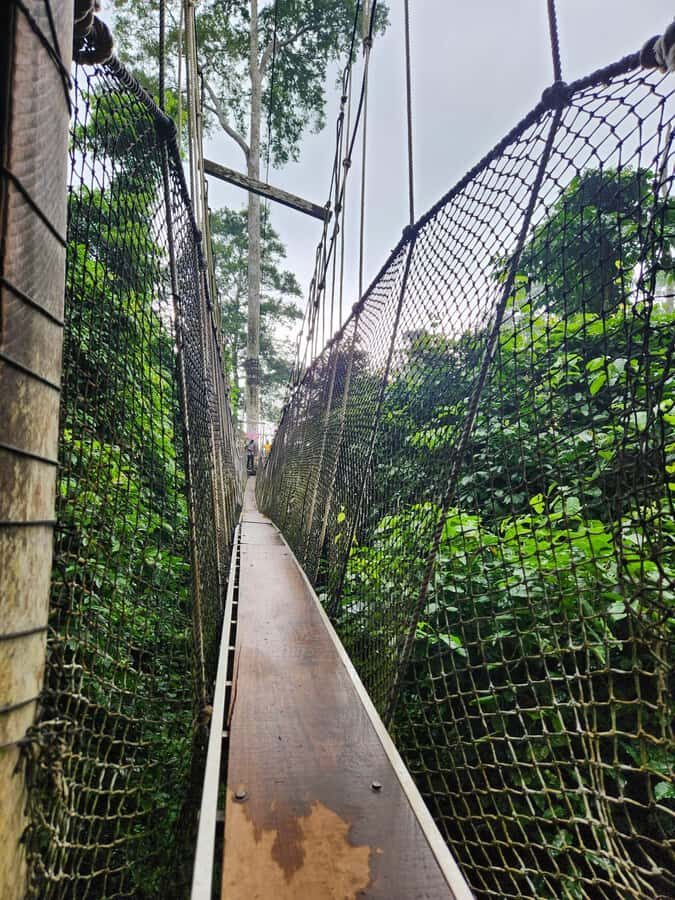
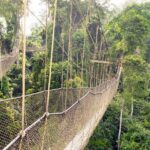
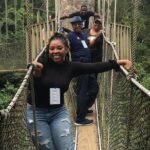
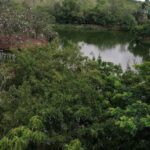
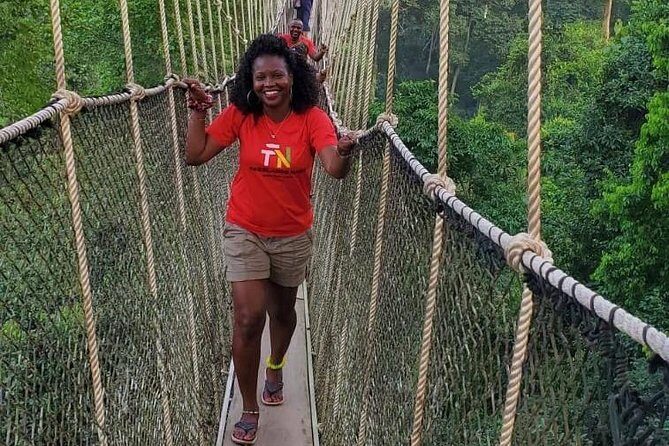
The tour overview includes Kakum National Park, so you should expect at least part of the experience to move outdoors between castle visits. This matters because it balances the schedule. After heavy sites, greenery and fresh air can do real work for your mood and attention.
You won’t want to treat Kakum as a “quick photo stop.” Plan for the fact that it depends on conditions—this experience requires good weather. If weather doesn’t cooperate, you’ll be offered a different date or a full refund, so there’s some built-in protection for your time.
If your itinerary day feels packed, Kakum is one of the best places to slow your pace. Even short nature time helps you reset after standing in places meant to hold pain.
The private guide factor: when the story feels like it’s aimed at you
You’re traveling with a private tour guide, and that changes everything. Instead of being rushed by a group dynamic, you can ask questions and follow the parts of the story that feel most relevant to you.
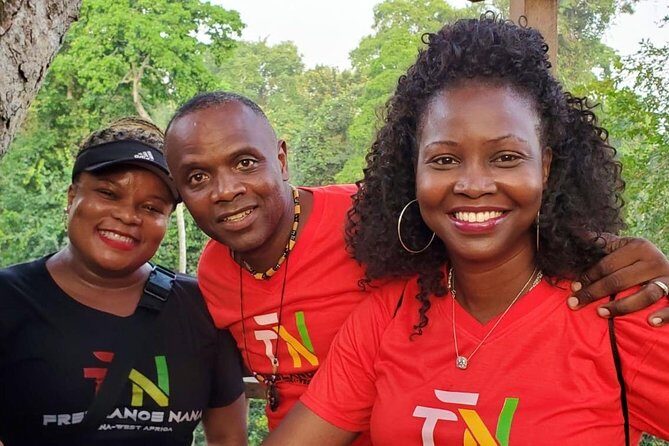
In feedback, guests specifically praised the guide team—people named Nana and Prince—for being prompt, patient, personable, and professional. That shows up in how guests describe the emotional tone: they felt welcomed, not processed.
For a tour like this, that warmth is practical, not just nice. A personal, respectful guide can help you pace the difficult moments, explain terms clearly, and connect what you’re seeing to what it meant for families and future generations.
Price and value: what $720 covers (and why that matters)
At $720 per person for about two days, this tour isn’t “cheap,” but it also isn’t priced like a bare-bones day trip. The cost is largely justified by what’s included:
- Private guidance
- Overnight accommodation
- All meals
- Admission tickets for key stops
- Pickup and local transport between major areas
- A mobile ticket, which helps with day-of convenience
When you compare this to piecing it together yourself, the “hidden costs” add up fast: entry fees, driver time, lodging, and the time you spend coordinating stops. Here, the tour does the coordination for you, and it keeps the sequence logical—Assin Manso first, then Cape Coast, then Elmina.
If you’re traveling with friends or family, the group discount feature can make it even better value. This is one of those experiences where the guide quality and included structure matter more than squeezing the price down.
What to bring: practical basics for a very physical, very emotional day
You’ll be doing a lot of walking and standing, plus driving between towns. I’d pack for comfort first:
- Comfortable shoes with good grip
- Water and a light snack if you’re the type who gets hungry between lunch and the next site
- Sun protection (cap, sunglasses, sunscreen)
- A small layer for changing temperatures across coastal and inland areas
Also think about your “headspace kit.” This kind of history can bring up strong feelings quickly. If you’re traveling with kids, or if your group includes elders, consider setting expectations for quiet breaks and bathroom stops ahead of time.
A gentle tip: keep your photos intentional. Some places benefit from observation before you start shooting.
Who this tour suits best (and who might want a different format)
This tour fits best if you want meaning and context, not just a checklist of sites. I’d especially recommend it for:
- African American travelers and others tracing roots who want a guided timeline across major sites
- Groups who want a private experience with meals and lodging handled
- People who appreciate cultural explanations alongside the historical record
If you prefer a slow, independent pace, you might find this schedule feels packed. And if you’re coming for only light sightseeing, the slave trade sites will likely feel emotionally intense.
That said, the guide-led structure can help you stay grounded and informed without turning the day into pure heaviness.
Should you book Black History Tour – Back to Your Roots?
If you want a focused two-day plan that connects Assin Manso, Cape Coast, and Elmina in a meaningful sequence, I think this is a strong choice. The value is in the included logistics—overnight stay, meals, tickets, and private guiding—so you can spend your energy on the story instead of planning it.
I’d book it if:
- You want a private guide who can explain context and keep the pace human
- You value having entrances and meals handled
- You’re okay with an early start and an emotionally heavy route
I’d consider another option if:
- You hate early mornings
- You want lots of free time at each site with no schedule structure
- You’re traveling during a stretch where weather reliability is low (since the experience requires good conditions for the outdoor portion)
FAQ
What are the tour dates and duration?
The tour runs for approximately 2 days.
How much does the tour cost?
The price is $720.00 per person.
Where does the tour start and what time?
It starts at Shoprite Accra Mall on Tetteh Quarshie Ave, Accra, with a start time of 7:00am.
Is transportation and pickup included?
Pickup is offered, and the activity includes transport between the listed stops.
Are meals and overnight lodging included?
Yes. Overnight accommodation and all meals are included.
Do I need to pay for admissions at the main sites?
Admission tickets are included for Assin Manso Slave River Park, Cape Coast Castle, and Elmina Castle.
Is this a private tour?
Yes. It is a private tour/activity, and only your group participates.
What’s the cancellation rule if plans change?
You can cancel for a full refund up to 24 hours before the experience’s start time.
Does weather affect the tour?
Yes. The experience requires good weather; if it’s canceled due to poor weather, you’ll be offered a different date or a full refund.