Accra makes a strong first impression, and this tour keeps things focused. You get hotel pickup and drop-off plus all entry fees and transfers included, so you can spend your attention where it belongs: the places and the stories behind them. The tour also packs in key stops like the W.E.B. Du Bois Centre, Independence Square, Black Star Square, Makola Market, and Jamestown without making you juggle tickets. One catch: lunch isn’t included, so plan for food costs during the Jamestown café stop.
I like that the schedule leans toward a calmer time of day, starting around 9:00 to 10:00am, which helps when the sun is at its peak later. You’ll also get a live guide who can explain what you’re looking at in plain language, and the reviews specifically call out guides such as Rashid, Koffe Benjamin, and Hassan. If you want a super slow, in-depth museum day, the format is more of a brisk orientation—about 3 to 4 hours.
In This Review
- Key Highlights You’ll Feel Right Away
- Private Pickup and a Morning Start That Actually Works
- W.E.B. Du Bois Centre: Pan-African Culture Without Guesswork
- Independence Square and Black Star Square With the Stories Behind the Symbols
- Makola Market for Fabrics and Real Life (With a Guide)
- Kwame Nkrumah Mausoleum and the Jamestown Side of Accra
- Local Art Market Time and Drumming Lessons You Can Actually Join
- Lunch in Jamestown: Plan for It, Don’t Assume It’s Covered
- Price and Practical Value of the $150 Half-Day Tour
- Who This Tour Suits Best (and Who Might Want Something Else)
- Should You Book This Accra City Tour?
- FAQ
- What is the duration of the Accra City Tour?
- Where does the tour take place?
- What time does the tour start?
- What is included in the price?
- Is lunch included?
- Is this tour private?
Key Highlights You’ll Feel Right Away
- Morning timing (around 9:00 to 10:00am) that helps you move comfortably through town
- W.E.B. Du Bois Centre for Pan-African Culture with context you can actually use
- Independence Square and Black Star Square as the symbols they are, explained clearly
- Makola Market for fabrics and everyday local energy, guided so you don’t feel lost
- Kwame Nkrumah mausoleum and Jamestown area for a fuller sense of modern Ghana
- Local art market time to watch, buy, and even join drumming lessons
Private Pickup and a Morning Start That Actually Works
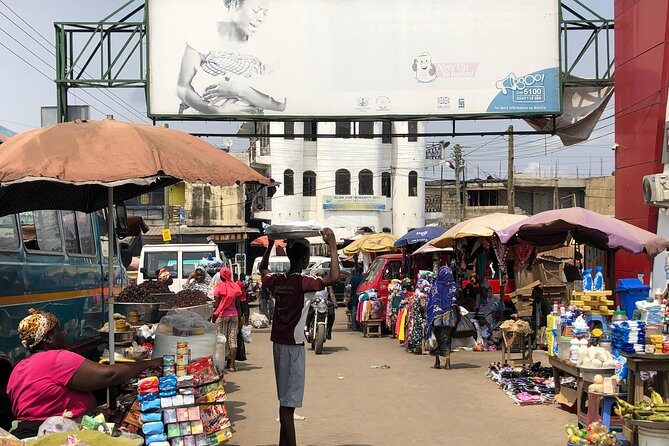
This is a private city tour, meaning it’s just your group, not a shared scramble with strangers. The big practical win is hotel pickup and drop-off, which matters in Accra because you lose time (and patience) figuring out transport when you’re only in town for a short visit.
The tour starts between 9:00am and 10:00am, and there’s a good reason for that early window: you’re less likely to bake while walking or waiting for transitions between stops. You’ll get a mobile ticket and a simple flow through the day, with the guide keeping the pace steady rather than letting you bounce between locations on your own.
If you’re arriving in Accra and want a quick understanding of where the landmarks sit in relation to each other, this is the kind of structured half-day that helps. It’s also a nice option if you don’t want to carry a guidebook, because you’re trading solo reading time for real-time guidance.
You can also read our reviews of more city tours in Accra

W.E.B. Du Bois Centre: Pan-African Culture Without Guesswork
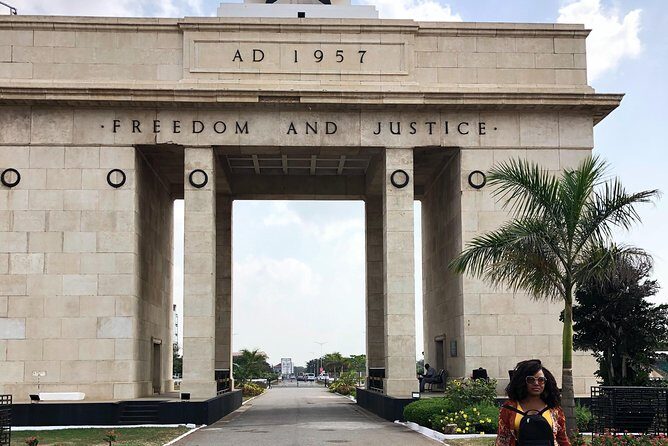
The W.E.B. Du Bois Centre is one of the anchors of this tour, and it’s a strong pick for first-time visitors. You’re not just looking at plaques—you’re getting the background tied to Pan-African culture, which gives meaning to what you see rather than turning it into a quick photo stop.
In practice, I like how the guide approach works here: you arrive with an outline of who W.E.B. Du Bois was and why this centre matters, then you walk through the experience with that context. The result is less confusion and more connection, especially if you don’t know Ghana’s intellectual and cultural history yet.
One review calls the Du Bois Centre a must-see, and that tracks with what this stop is designed to do: help you understand how Ghana fits into wider Pan-African ideas. Even if you’re more interested in the street-level city than museums, this is still worth your time because it explains the bigger picture behind the landmarks you’ll hit next.
A practical note: go in with comfortable shoes. You’ll be moving through different areas, and the day is meant to be active even though it’s not a long one.
Independence Square and Black Star Square With the Stories Behind the Symbols
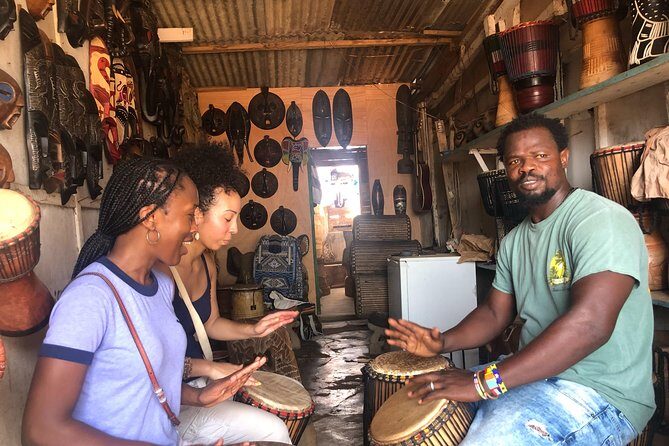
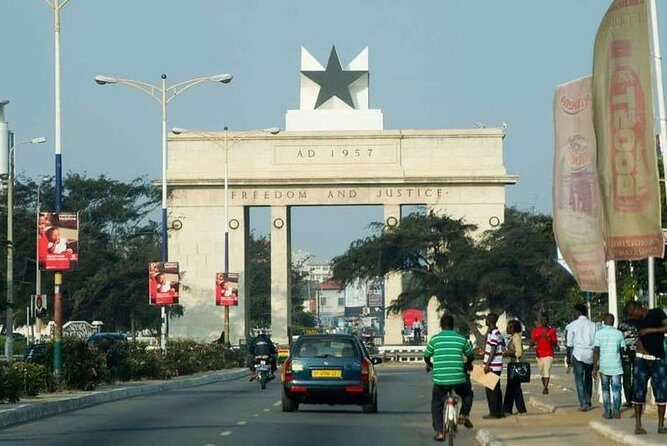
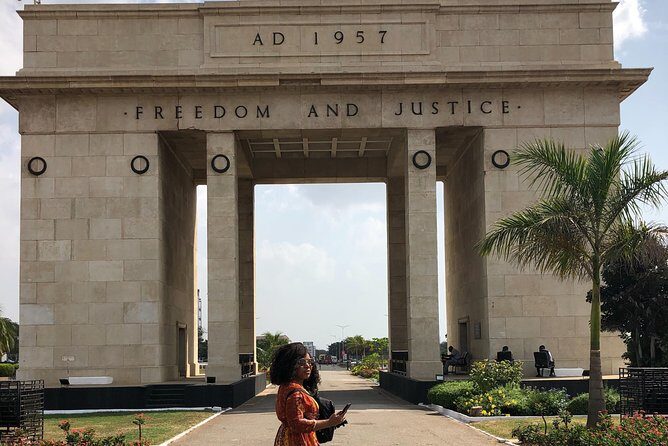
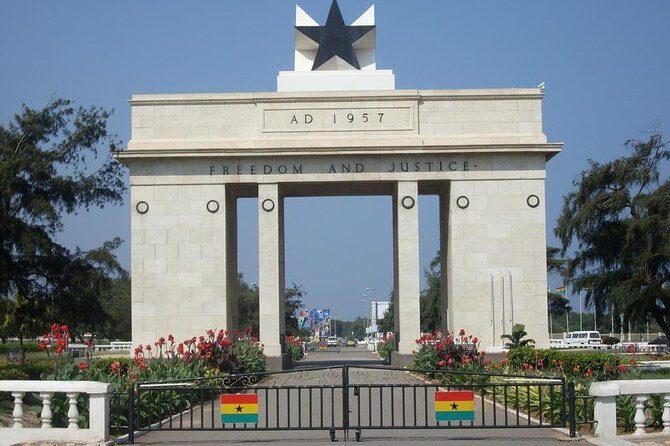
Independence Square and Black Star Square are the headline stops because they’re tied to Ghana’s national identity. You’ll visit both, and your guide should point out what the symbols are meant to represent—then connect those meanings to the real history around them.
These squares are also a good place to take in the mood of the city. You’re seeing places people associate with national pride, but you’re doing it with a guide who can explain why those exact locations matter, not just what they look like.
In one of the reviews, the visitor specifically mentioned a tour inside and up to the roof of the Black Star Gate, which adds a level of access beyond quick exterior sightseeing. If you’re the type who hates missing opportunities to go beyond the obvious, this is the kind of detail that can make the stop feel more complete.
Expect this part of the day to be a mix of photos, storytelling, and a bit of walking around the key points. If you’re sensitive to heat, this is another reason the morning start helps: you’ll have the energy to absorb the details.
Makola Market for Fabrics and Real Life (With a Guide)
Makola Market is often described as the busiest local market in Accra, and that’s exactly why you want a guide for it. Without one, you can spend the first part of the visit trying to figure out where to go, how to ask for items, and how to avoid feeling like you’re in the way. With guidance, you can aim your time toward shopping you’ll actually enjoy.
The tour includes time at Makola Market, and the focus includes browsing and shopping for African fabrics. This is where you can pick up something small and meaningful—cloth for a future tailoring project, or a souvenir that isn’t just mass-produced.
Here’s the value from a travel-writer point of view: markets are not only about buying. They’re about learning how locals live and communicate. Your guide can help translate what you see—what’s sold, what people are doing, and how to approach sellers respectfully.
A tip based on how market time is typically handled on tours like this: decide in advance what you want to leave with. Fabric by the yard? A piece to take home? Then tell yourself you’re here to shop intentionally, not just to browse until you’re tired.
Kwame Nkrumah Mausoleum and the Jamestown Side of Accra
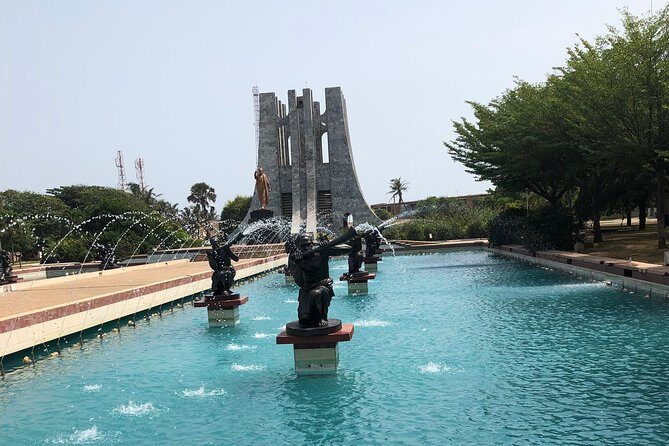
After the squares and market time, the tour moves you into more layers of Ghana’s identity. You’ll visit the Kwame Nkrumah mausoleum, which is dedicated to the memory of a major Pan-Africanist. This is the kind of stop that feels different when you connect it to what you saw earlier at Independence and Black Star-related locations.
The logic of the route matters. You’re not hopping randomly across town. The order builds a theme: Ghana’s identity symbols, the Pan-African cultural thread, and then the legacy expressed through a monument and memorial site.
From there, you get heading toward Jamestown, and the tone shifts slightly from formal landmarks to everyday city energy. That’s important because Accra isn’t only squares and institutions. Jamestown brings you closer to local street life and creative culture, which helps you round out your mental map of the city.
This is also where the tour can feel more personal. Several reviews highlight the guide’s passion for Accra and their ability to balance history with art and crafts. That mix is what makes the day feel like more than a checklist.



Local Art Market Time and Drumming Lessons You Can Actually Join
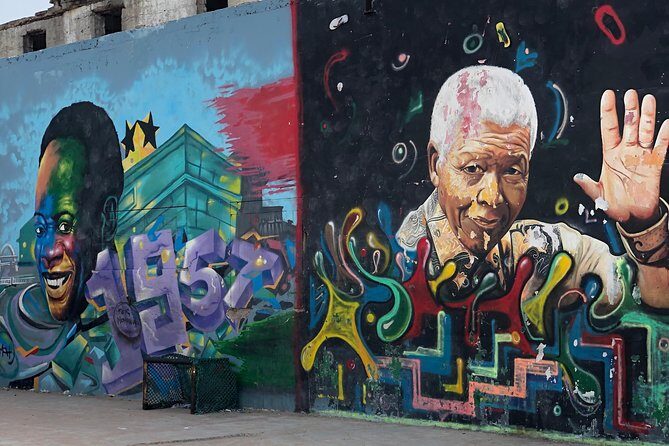
One of the most fun parts of this tour is the local art market stop. You’ll have time for art and craft shopping, and you can walk around, interact with artists, take pictures, and—if the moment works out—enjoy drumming lessons.
This is a major difference from many “see and leave” cultural stops. You’re not only observing. You get a chance to participate in a tradition that’s connected to how people express themselves. Even if you’re not buying anything, it’s a real way to understand the creative side of Accra.
From the reviews, the best-running tours here seem to be the ones where the guide keeps you moving without rushing the interactions. If you want photos and conversations, give yourself permission to slow down for a few minutes when an artist is explaining something.
What to bring? Keep your hands free if you’re planning to purchase crafts. Wear comfortable shoes and avoid very formal footwear. The tour specifically notes no high-heeled shoes, which is a good signal that you should plan for walking and uneven surfaces.
Lunch in Jamestown: Plan for It, Don’t Assume It’s Covered
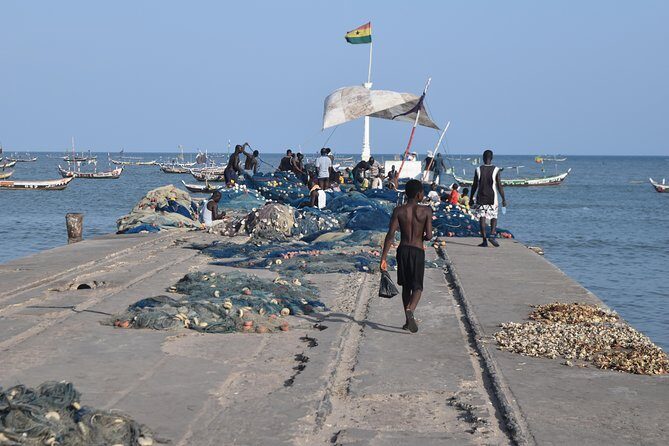
The itinerary includes lunch at a James Town café, and this is where you’ll likely refuel and reset before the final stretch. The key detail is that lunch isn’t included in the tour price, so you’ll want to budget for it separately.
Even though lunch is not part of the included cost, I like that the tour builds in the time. Otherwise, you’d be stuck trying to find a good place while hungry and tired after several stops. With the schedule, you know when you’ll have a break.
If you’re picky about where you eat, you can still use the guide’s presence to help you pick something appropriate once you arrive at the café. And because Jamestown is the area you’re heading toward, the meal fits the day’s theme rather than feeling tacked on.
Practical move: keep some cash or a card you’re comfortable using in Ghana. The tour covers transport and entry fees, but your lunch will come from your own budget.
Price and Practical Value of the $150 Half-Day Tour

At $150 per person for about 3 to 4 hours, this tour is priced like a guided experience that removes a lot of guesswork. The standout value is what’s covered: the guide, all fees, and hotel pickup and drop-off.
Why does that matter? Because the hidden costs of independent sightseeing can sneak up quickly—admission tickets, transport between stops, and the time wasted trying to coordinate it all. Here, you’re paying for a designed route, with the guide handling the practical side so you can focus on seeing Accra in a meaningful order.
Group discounts are mentioned too, which can be helpful if you’re traveling with friends or family. Since it’s private, you also avoid the compromise of sharing your day with strangers who may want a slower pace or different interests.
Is it expensive? It’s not cheap, but it’s also not a random local guide bargain. If your top priorities are landmark orientation, cultural context, and smooth logistics without ticket hassles, this price can feel fair.
Who This Tour Suits Best (and Who Might Want Something Else)
I think this tour is ideal if you’re visiting Accra for the first time and want a strong overview in half a day. It’s also a good fit if you like history mixed with art—because you’re hitting major symbols like Black Star Square and then shifting into Makola Market and an art market with drumming lessons.
You’ll also appreciate this tour if you prefer not to carry around a guidebook and you want a live person explaining what you’re seeing. The reviews are very consistent about guide energy and historical framing, with names like Rashid, Koffe Benjamin, and Hassan showing up as memorable.
On the other hand, if you want long stays at each site, deep museum time, or a slow wander where you can linger for hours, this itinerary may feel too efficient. It’s built for movement and an overview, not for an extended, stop-by-stop marathon.
Should You Book This Accra City Tour?
If you want a straightforward way to understand Accra—fast, organized, and guided—this is a smart booking. The combination of Du Bois Centre, Independence/Black Star Square, Makola Market, and Jamestown-area culture gives you a well-rounded taste of the city without you chasing directions all morning.
I’d especially recommend it if you hate surprise expenses, because entry fees and transfers are included and you only need to think about things like lunch. And if you enjoy interaction—shopping, conversations with artists, even drumming—this tour has time built in for that.
Book it if your goal is getting your bearings fast and leaving with names, meanings, and a map in your head that lasts past the trip. If you’d rather go slower or plan meals and stops completely on your own, you may prefer a more flexible day arrangement.
FAQ
What is the duration of the Accra City Tour?
The tour runs for about 3 to 4 hours.
Where does the tour take place?
The experience is in Accra, Ghana, with pickup and drop-off from your hotel.
What time does the tour start?
It starts at 9:00am, with a general start window of 9:00 to 10:00am.
What is included in the price?
The tour includes a guide, all fees, and hotel pick-up and drop-off.
Is lunch included?
No, lunch is not included. The schedule includes a lunch stop at a James Town café, but you’ll pay for it.
Is this tour private?
Yes. It’s a private tour/activity, and only your group participates.