REVIEW · ACCRA
4 Days Trip in Accra, Cape Coast,Kumasi culture & heritage tours
Book on Viator →Operated by Bilson Tours Gh · Bookable on Viator
Accra to Cape Coast to Ashanti in just four days. This tour is built around real context—major museums, independence landmarks, and the heavy coastal slave-trade sites—then it balances that with hands-on craft work like kente weaving and adinkra stamping. You also get time for lively local places such as Makola Market, not just photo stops.
I especially like how the schedule mixes big, well-known landmarks (National Museum, Independence Square) with work you can watch and try with your own hands (Bonwire kente looms and Ntonso adinkra symbol stamping). I also like that you’re not stuck staring out a window—you get guided movement through the story behind each place.
One thing to consider: Day 2 is demanding. The Kakum canopy walk includes a steep trek to the start, and the coastal castles are emotionally intense. If you don’t handle long, full days (or heavy history) well, plan your energy carefully.
In This Review
- Key highlights worth planning for
- A 4-day Ghana route: Accra, Cape Coast, and Ashanti craft country near Kumasi
- Price and what you truly get for $750 per person
- Accra day with National Museum, W.E.B. DuBois Center, Makola Market, and Independence Square
- National Museum of Ghana (about 1 hour)
- W.E.B. DuBois Center (about 1 hour)
- Makola Market (about 1 hour)
- Independence Square (about 1 hour)
- Centre for National Culture, Accra (about 1 hour)
- Kakum canopy walk plus the coast: Elmina Castle and Cape Coast Castle
- Kakum National Park canopy walk (about 2 hours)
- Elmina Castle (about 1 hour)
- Cape Coast Castle (about 1 hour)
- Bonwire kente weaving: learning the cloth code at the source
- Bonwire Kente Weaving Centre (about 2 hours)
- Ntonso adinkra symbols: stamping like a local (gourd carving to dye)
- Ntonso Adinkra Craftsmen (about 2 hours)
- Adanwomase naming ceremony, kente weaving practice, and a cocoa farm stop
- Adanwomase (about 2 hours, plus practical weaving time)
- Day Four at La Pleasure Beach: horses, quad rides, and a softer ending
- Labadi Pleasure Beach (about 2 hours)
- Who this private heritage tour is best for (and who should reconsider)
- Should you book Bilson Tours for this 4-day Accra–Cape Coast–Kumasi heritage route?
- FAQ
- How long is the trip?
- What does the tour cost?
- Is pickup included?
- Is this tour private?
- What’s included in the price?
- Are mobile tickets provided?
- What is the cancellation policy?
- What happens if weather is poor?
Key highlights worth planning for
- Isaac Clouds Bilson and Mr. BISMARK keep things moving with respectful, on-time guidance you can count on.
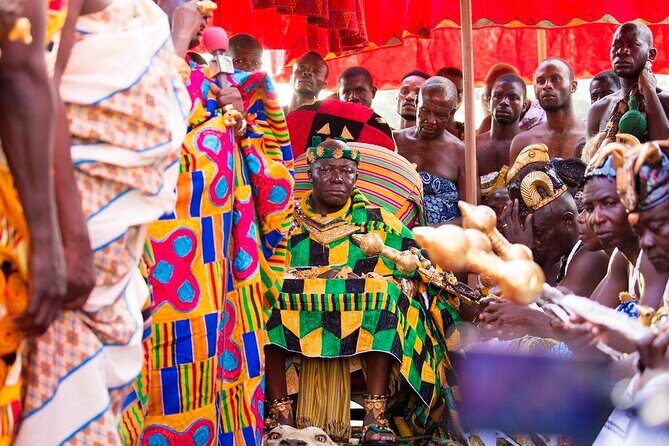
- Bonwire kente weaving is hands-on, not just a showroom visit.
- Ntonso adinkra crafts teach the stamping method, including the lines, gourds, and dye steps.
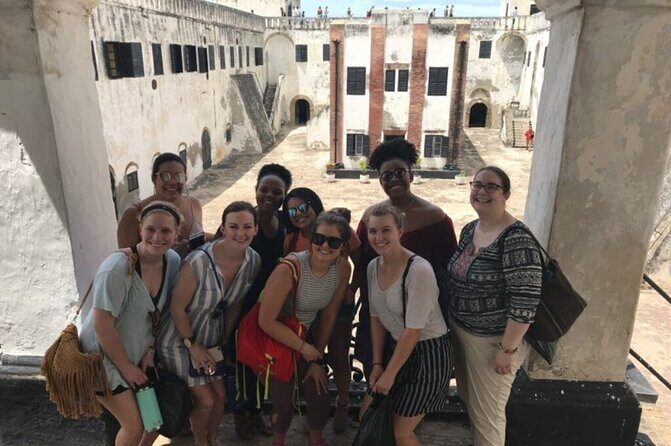
- Cape Coast and Elmina deliver the sobering coastal slave-trade story with time in dungeons and the fort area.
- Kakum canopy walk adds an outdoor workout plus that 40-meter treetop view.
- La Pleasure Beach finishes the trip light with rides like horse and quad activities.
A 4-day Ghana route: Accra, Cape Coast, and Ashanti craft country near Kumasi
This isn’t a trip that treats Ghana like a checklist. It connects three areas with very different moods. Accra gives you the modern capital feel plus major national culture stops. The Cape Coast area brings the coastal history—serious, direct, and hard to shake. Then the Ashanti region (around the Kumasi craft belt) shifts into fabric, symbols, and identity in a way that feels personal.
The timing matters. Starting in Accra on Day 1 helps you get bearings fast: you learn the country’s big story first, then later the coastal sites land harder. And by Day 3 you’re ready for the craft and meaning work, not just the visuals.
You should expect a fairly structured rhythm: a private group, a guide who stays with you, transportation included, and set stops with time built in for questions. It’s the kind of pace where you see a lot—so it helps that this plan is organized around experiences, not random driving.
You can also read our reviews of more historical tours in Accra


Price and what you truly get for $750 per person
The price is $750 per person for roughly four days. For many people, that’s the difference between doing this kind of coast + craft combo on your own (time-consuming and logistically stressful) versus having it packaged with transportation, tickets, and a guide.
What makes this feel like value is that the package covers the parts that usually add up:
- transportation (so you’re not piecing together rides between cities and rural craft stops)
- entrance fees and all taxes
- bottle water and snacks during the day
- 3x lunch listed in the inclusions (the details also show an additional lunch line, so meals are clearly a priority)
- tour guide service
You still control your own spending for purchases. The tour clearly notes buying items isn’t included, which is fair. If you’re shopping for cloth, crafts, or souvenirs, set a budget so you don’t end up surprised.
Also, you’re getting pickup offered and a mobile ticket. That combination matters because it cuts down the small “where do we meet, who’s calling who” friction that can ruin the first hour of a trip.
Accra day with National Museum, W.E.B. DuBois Center, Makola Market, and Independence Square
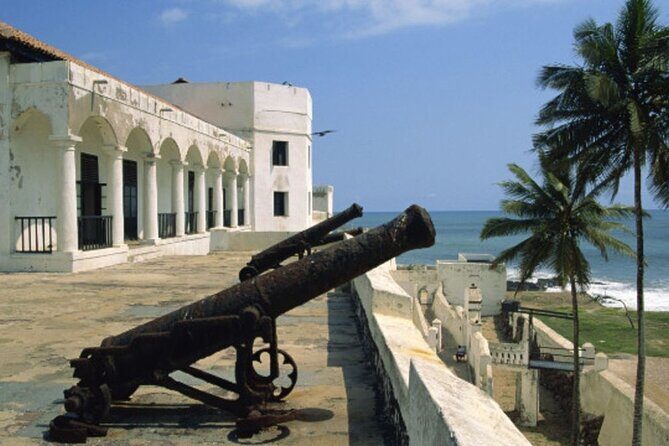
Day 1 is built like a story arc: history first, then people, then nationhood.
National Museum of Ghana (about 1 hour)
If you want your trip to make sense, this is a smart start. The museum is one of the oldest in Ghana and it’s placed on pleasant grounds. What I like about this stop is the way it frames African and Ghanaian history through culture and material objects—crafts and heritage you can connect later to cloth, symbols, and traditions.
One practical note: the museum description you’ll see mentions free or royalty-free photo use for commercial designs, but only follow what’s officially allowed on-site. Don’t assume every gallery treats photography the same way.
W.E.B. DuBois Center (about 1 hour)
This stop hits different because it’s connected to a person who shaped Pan-African thought and later lived in Ghana. You’ll see a small museum area connected to Dubois’s works and his personal library collection, plus a shrine area covering his grave and the ashes of his second wife, Shirley Graham Dubois.
It’s the kind of stop that makes the later history on the coast feel less abstract.
A few more Accra tours and experiences worth a look

Makola Market (about 1 hour)
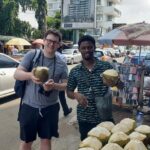
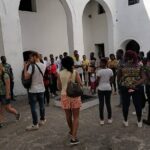
Makola Market is for sensory overload—in a good way. Expect crowds, scents, sounds, and a strong sense of everyday Ghana. It’s also presented as an epicenter of trade and a major social institution in the country.
This is where your guide earns their keep. Ask what time works best for you and what parts are best to walk with confidence. Markets move fast, and you’ll enjoy it more if you’re not trying to figure everything out on your own.
Independence Square (about 1 hour)
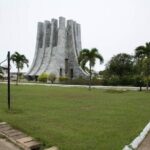
Independence Square gives you national symbols in a physical space. You’ll see major monuments tied to Ghana’s independence story: the Independence Arch and the Black Star Gate, plus liberation-themed monuments. It’s also described as the second-largest city square after Tiananmen Square in Beijing, with room for big gatherings.
Even if you’re not there on March 6th, the scale helps you feel the importance of public ritual in national identity.
Centre for National Culture, Accra (about 1 hour)
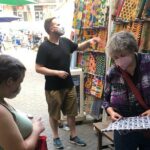
This is the “what Ghana makes and how it’s worn” stop. You’ll find stalls and indoor market sections with kente cloth, wood and leather items, bead work, sculptures, bags, and accessories. It’s a good place to get ideas for what you might want later when you’re learning the craft process.
I like that it’s not only a museum vibe. It feels like craft and fashion in motion, and you can shop with purpose instead of wandering.
Day 1 practical tip: Bring small cash for market browsing and keep one phone pocket free for quick photos. You’ll take more pictures than you think.
Kakum canopy walk plus the coast: Elmina Castle and Cape Coast Castle
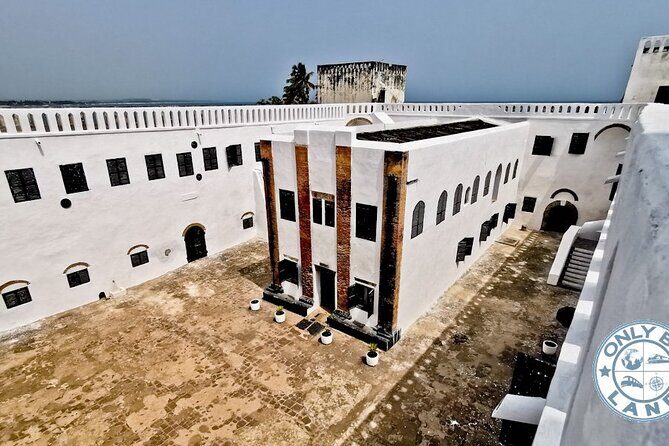
Day 2 is where the trip becomes emotionally heavy and physically active.
Kakum National Park canopy walk (about 2 hours)
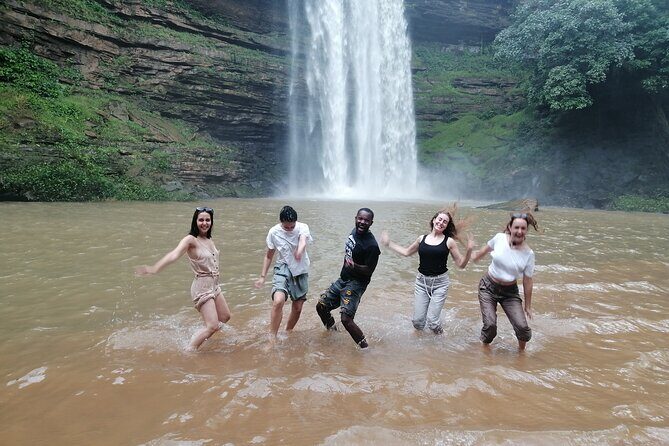
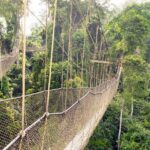
The canopy walk is the headline: you walk on suspended bridges about 40 meters above the ground. What matters isn’t just the view—it’s the approach. The trek to the start is described as steep, and it can test visitors who aren’t used to uneven climbs.
I’d plan for this like it’s a workout. Wear shoes with grip. If you have balance issues, don’t ignore that—it’s a real moving walkway over height.
Once you’re up, you get that birds-eye perspective over treetops, which gives your brain a break between the history stops.
Elmina Castle (about 1 hour)
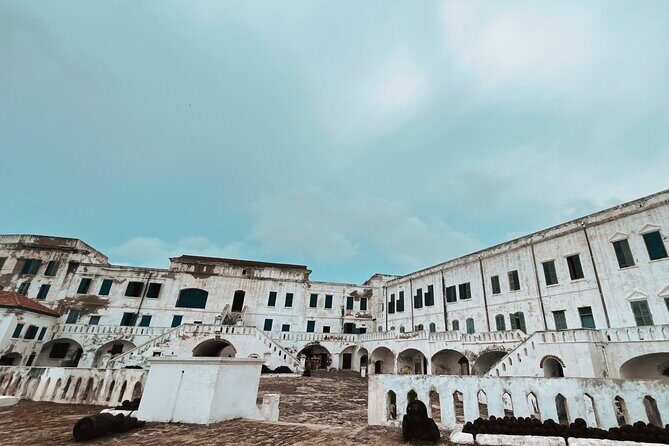
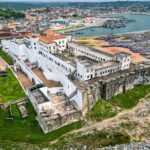
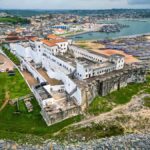
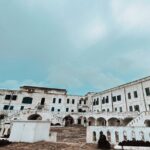
Elmina is presented as one of the most important coastal sites for the Atlantic slave trade story. You’ll see the whitewashed medieval castle on the coast and learn about what happened within the fortress walls—especially how enslaved Africans were held before transportation.
This is also where you start getting the full pattern: market and logistics of the trade, not just a single moment. The tour description emphasizes the ongoing suffering that came after departure, which is important for understanding the scale of the system.
Cape Coast Castle (about 1 hour)
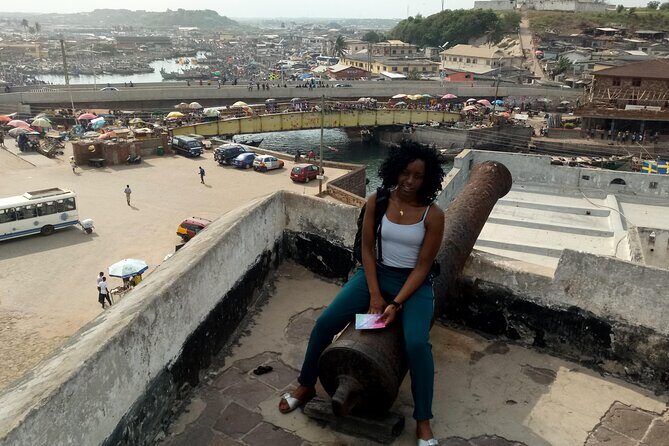
Cape Coast Castle is structured similarly, with a focus on the trade timeline. You’ll learn it began as a Portuguese trading post established in 1555. Then you’ll go into the dungeons where enslaved people were kept before being moved.
After the dungeon portion, you’ll be able to enjoy the scenery from the forts of the castle area. And from the trip’s reputation and the way people talk about it, it’s also a place where the idea of the Door of No Return comes up. For many visitors, that moment is the emotional peak—quiet, direct, and hard to measure in words.
Day 2 practical tip: Bring water (you’ll get bottled water in the package) and slow your pace near the dungeons. It’s okay to pause. This isn’t a place for rushing through feelings.
Bonwire kente weaving: learning the cloth code at the source
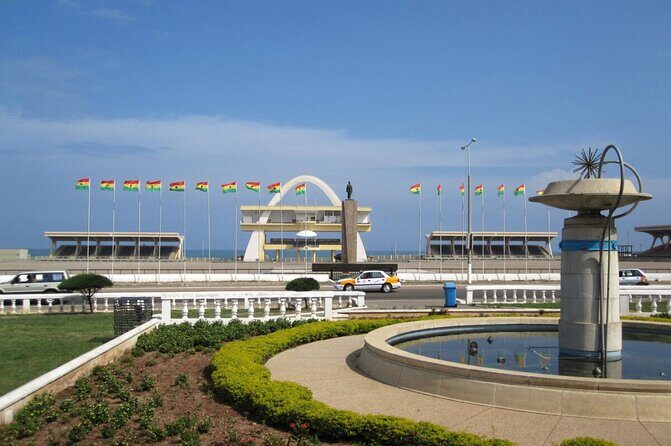
Day 3 starts with hands-on fabric craft, and the location is key.
Bonwire Kente Weaving Centre (about 2 hours)
Bonwire is described as the birth place of popular kente. The tour frames kente cloth as expensive and symbolic, worn on important occasions and celebrations.
What makes this worth more than a quick shop stop is the method: you’ll explore the weaving birthplace, learn that different kente patterns carry their own symbolism and names, and you’ll have a weaving lesson that walks you along the process. You’re not just seeing finished bolts—you’re learning what the craft actually does.
If you’ve ever wondered why certain cloth patterns feel formal or ceremonial, this is where the “why” starts to click.
Ntonso adinkra symbols: stamping like a local (gourd carving to dye)

After kente, the itinerary switches to adinkra crafts, which focus on symbols and meanings.
Ntonso Adinkra Craftsmen (about 2 hours)
Here you’ll experience Ashanti kingdom culture through adinkra symbols made locally from scratch. The tour description is especially practical about the steps: you learn how dye is prepared to draw lines on cloth to divide it into squares, then how symbols are carved into calabash gourds, how the gourd is pressed into dye, and how it’s stamped onto fabric like a local.
That step-by-step sequence is the whole point. You start to understand that adinkra isn’t just decoration—it’s a visual language tied to stories, wisdom, and social meaning.
If you’re the type who buys souvenirs, you’ll probably enjoy this more if you think of it as a craft workshop. Buying later feels like a choice, not a last-minute impulse.
Adanwomase naming ceremony, kente weaving practice, and a cocoa farm stop

This part of the trip is different. It’s not only about culture as a spectacle. It’s about identity and meaning.
Adanwomase (about 2 hours, plus practical weaving time)
The description is explicit: this activity is purposefully for African Americans and the Caribbean. If that includes you, you’ll likely feel the strongest connection here.
You’re given a date of birth, then you receive a Ghanaian name along with a certificate that’s tailored for you. The tour also mentions an adornment of Ghanaian cloth connected to the traditional naming recognition. After that, you do a practical kente weave session—described as weaving kente as local.
You also visit the Ntonso Adinkra village for crafts on clothing and lastly stop at a cocoa farm to learn about the beginning of cocoa: how it’s nurtured and harvested.
Even if you’re not 100% sure how you’ll react emotionally to the naming ceremony, the practical weaving piece helps ground it. It becomes more than a ritual; it becomes something you participate in.
Who should pay attention here: If identity and personal history are part of what you want from travel, this stop is the emotional engine of the trip. If you prefer only light sightseeing, you might find it too intense.
Day Four at La Pleasure Beach: horses, quad rides, and a softer ending
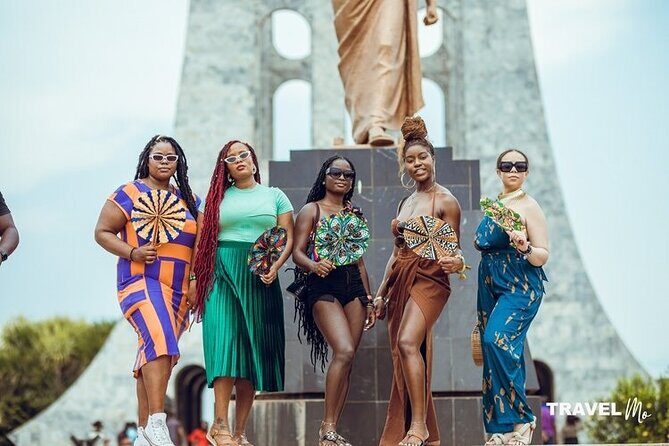
After the coast history and the craft days, Day 4 is a release valve.
Labadi Pleasure Beach (about 2 hours)
La Pleasure Beach (also called Labadi Pleasure Beach) is presented as the busiest beach on Ghana’s coast, and it’s maintained by local people. The vibe you get here is relaxed and fun-focused compared to the history-heavy days.
You’ll have time for activities like horse rides and quad rides along the shoreline. If you like moving—walking, riding, doing something rather than only sitting—you’ll probably enjoy this.
This is also a good day to do simple human things: eat, cool off, watch people, and let your brain process everything from prior days.
Day 4 practical tip: Beach days are sun-and-sand days. Bring sunscreen and keep your phone dry if you plan to use it near rides.
Who this private heritage tour is best for (and who should reconsider)
This is a strong match if you want a culture-and-crafts trip with real meaning behind what you see. It’s also a good fit if you don’t want to manage logistics yourself across Accra, the coastal castles, and the Ashanti craft belt.
It’s especially well suited to:
- people interested in African identity through names, symbols, and clothing traditions
- visitors who want hands-on experience (kente looms and adinkra stamping)
- travelers who want both history and nature (Kakum canopy walk)
- families traveling together who like a guide-led flow
You might reconsider if:
- you hate long days or steep treks
- you’re sensitive to heavy slave-trade history and might struggle emotionally
- you want zero structure and lots of free time
One more thing: the tour is private, meaning it’s only your group. That’s a big quality-of-life upgrade. It makes asking questions easier and it helps the guide pace you instead of rushing everyone through.
Should you book Bilson Tours for this 4-day Accra–Cape Coast–Kumasi heritage route?
I’d book it if you want a trip where the craft work isn’t an afterthought and the historical sites are treated seriously, not skipped. The combination is rare: museums and markets in Accra, then canopy nature and coastal castles, then kente and adinkra taught as process, not just products.
It’s also reassuring that the tour is led by people with a real presence on the ground—Isaac Clouds Bilson as owner operator and Mr. BISMARK as driver—so you’re not dealing with guesswork.
One last practical note: the experience requires good weather, and if conditions are bad you’ll be offered a different date or a full refund. If you’re planning around a tight schedule, keep some flexibility.
FAQ
How long is the trip?
It’s listed as 4 days (approx.), starting at 9:00 am.
What does the tour cost?
The price is $750.00 per person.
Is pickup included?
Yes. Pickup is offered, and the tour ends back at the meeting point.
Is this tour private?
Yes. It’s a private tour/activity, and only your group participates.
What’s included in the price?
Transportation, entrance fees, all taxes, bottle water, snacks, a tour guide service, and lunch are included as listed.
Are mobile tickets provided?
Yes. A mobile ticket is included.
What is the cancellation policy?
Free cancellation is offered. You can cancel up to 24 hours in advance for a full refund.
What happens if weather is poor?
The experience requires good weather. If it’s canceled due to poor weather, you’ll be offered a different date or a full refund.