REVIEW · ACCRA
4 Days Cultural and Village Stay Experience
Book on Viator →Operated by Skyway Safari & Tours Ghana · Bookable on Viator
Monkeys and culture share one calm village. This 4-day Ghana trip strings together Ashanti royal history and the unusually close relationship between humans and monkeys at Boabeng-Fiema. I like the way it teaches culture through real places, not just photos, especially with the Manhyia Palace Museum and Prempeh II Jubilee Museum stops.
The best part is that you don’t just watch monkeys. You learn how the community organizes life around them, including a courtesy with the Monkey Priest and a village tour with traditional dancing. One thing to consider: the itinerary asks for moderate fitness, and one day includes a long 6-hour excursion tied to the Kintampo Water Falls route—so plan your energy for that.
In This Review
- Key Highlights You’ll Care About
- Ashanti Royal Rooms: Manhyia Palace and Prempeh II Museum in Kumasi
- Day 1 in Boabeng-Fiema: First Contact With Humans and Monkeys Living Side by Side
- Day 2: Sanctuary Walks, Monkey Interactions, and the Courtesy With the Monkey Priest
- Day 3: Family Farm Time With Crops You’ll Recognize, Then Kintampo Water Falls
- Day 4: Monkey Masks, Paintings, and Returning Toward Accra via Kumasi
- Price and Logistics: Is $1,107.70 Good Value for This 4-Day Package?
- Who Should Book This Ghana Culture and Village Stay?
- Should You Book This 4-Day Experience?
- FAQ
- Where is this tour based, and when does it start?
- Is pickup included?
- How long is the experience?
- Is this a private tour?
- Are admission tickets included?
- What happens at Boabeng-Fiema on day 2?
- Who is the Monkey Priest, and what is the Darrow Shrine part?
- Do you do anything beyond monkeys at Boabeng-Fiema?
- What crops are mentioned during the farm visit?
- What natural attraction is included besides the sanctuary?
- What if weather is poor?
Key Highlights You’ll Care About
- Ashanti royal museums in Kumasi that connect monarchy, culture, and museum storytelling
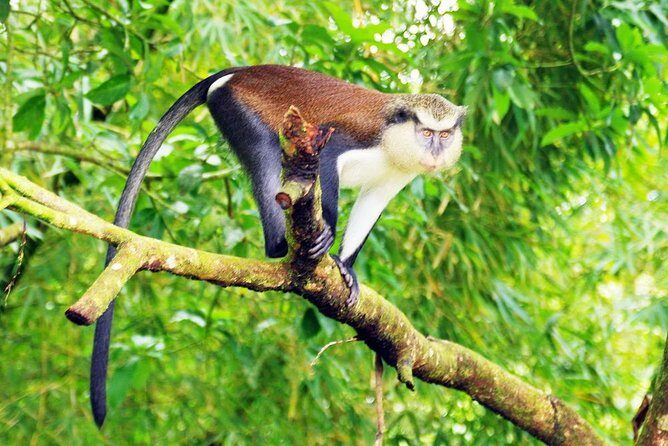
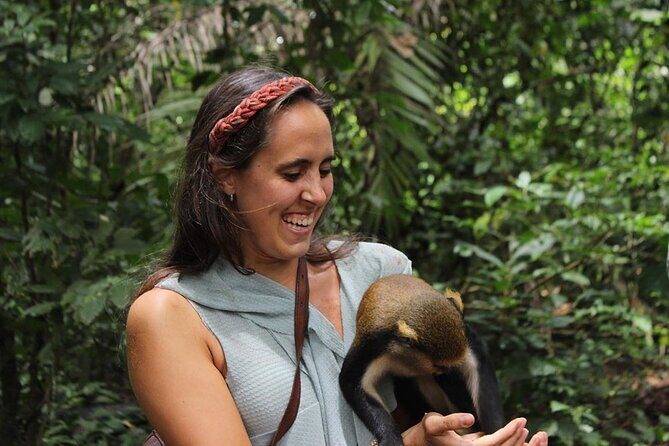
- Boabeng-Fiema sanctuary time focused on how Mona monkeys and black-and-white colobus monkeys interact
- A courtesy with the Monkey Priest, described as a human representative for the monkeys and caretaker of the Darrow Shrine
- Village life after dark, with a community walk and a traditional dance performance
- A family farm visit tied to crops like cashew, cassava, yam, plantain, and vegetables
- Kintampo Water Falls added as the big nature day, then back toward Accra via Kumasi
Ashanti Royal Rooms: Manhyia Palace and Prempeh II Museum in Kumasi
This trip starts by grounding you in Ashanti history before it heads toward the monkey sanctuary. You’ll visit the Manhyia Palace Museum, which is the residence and historic museum connected to the Ashanti King. Even if you’re not a “museum person,” I like starting here because it gives you a cultural frame. You see how authority, tradition, and identity live side by side—and that matters later when you learn how Boabeng-Fiema organizes daily life.
Next comes the Prempeh II Jubilee Museum at the Kumasi cultural centre. This stop is about the Great Ashanti king, and it’s timed for a solid museum visit. The value here is not just learning dates—it’s understanding why symbols and roles carry weight in Ghanaian culture. On tours that jump straight to villages, that context can get lost. Here, it’s built in from day one.
Practical note: both museum stops are listed as about 2 hours each, so you’re not rushing through rooms. Still, you’ll want to wear comfortable shoes and take water breaks when you can.
A few more Accra tours and experiences worth a look
Day 1 in Boabeng-Fiema: First Contact With Humans and Monkeys Living Side by Side
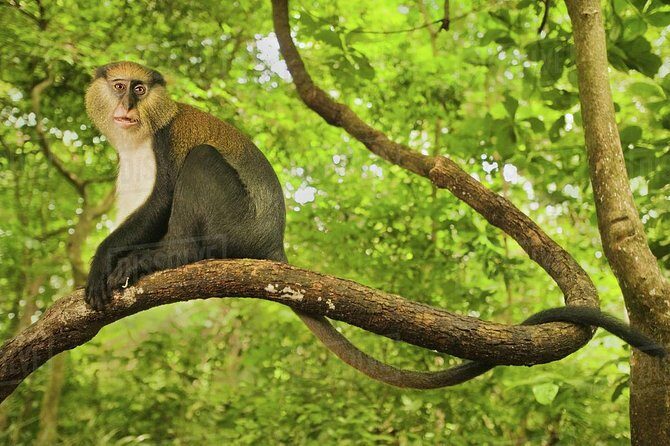
Day one turns toward the real heart of the experience: Boabeng-Fiema Monkey Sanctuary. You’ll head into the ancient village of Boabeng-Fiema for a stay that’s meant to be educational about the everyday reality of sharing space with monkeys.
This sanctuary is special because it treats the monkey-human relationship as something lived, not staged. The itinerary frames it as a way to understand how people live humoneously with the monkeys (the wording is unusual, but the idea is clear). That “how they live” focus is what makes this more than a wildlife walk. You’re being taught how the community thinks about coexistence.
Expect the tone to be calm and observational at first. The first sanctuary block is about 2 hours, which is enough time to get oriented—then later days go deeper with specific interactions and roles.
Day 2: Sanctuary Walks, Monkey Interactions, and the Courtesy With the Monkey Priest
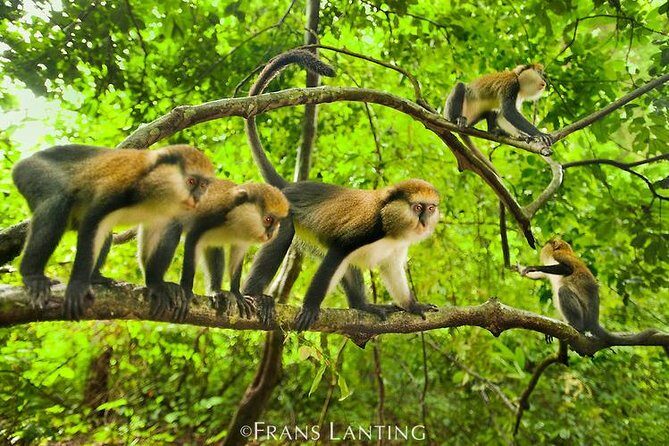
Day two doubles down on the sanctuary. In the morning, you’ll tour to observe the monkeys and learn how Mona monkeys and black-and-white colobus monkeys interact. This detail matters. If you only see one monkey group, the place can feel generic. Here, the tour intentionally points you to the relationships between species, which is a big part of what makes Boabeng-Fiema interesting.
Later that day, you’ll take part in a courtesy visit to the Monkey Priest—described as the human representative of the monkeys and the caretaker of the Darrow Shrine. I really like that this is included because it tells you this sanctuary isn’t only about animals. There’s a human framework for caring, respecting, and managing that relationship. You’re not just learning biology; you’re learning how a community interprets and participates in the natural world.
In the evening, you switch gears from sanctuary observation to village life. You’ll join a community tour and learn about day-to-day ways of living, plus you’ll experience a traditional dance performance from local residents. This is the kind of timing that makes sense: daylight for observation, evening for culture.
Also, from the tone of past feedback, the guides running this route put a lot of effort into context. Emmanuel is specifically mentioned in connection with planning and a memorable weekend, and Sampson shows up in the provider’s responses. Even when you’re just booking, you’re dealing with people who take the “teach it properly” approach seriously.
Day 3: Family Farm Time With Crops You’ll Recognize, Then Kintampo Water Falls
After breakfast, you’ll join a family tour connected to farming—specifically a farm visit where you can learn how one family grows food. The crops listed are cashew, cassava, yam, plantain, and vegetables. This is one of those itinerary details that sounds simple until you realize it’s the best way to understand local agriculture without guessing.
What I like about this structure is that it makes “village stay” practical. You’re not just walking through scenery. You’re seeing what people grow and how their meals connect to the land. If you like cultural travel that includes daily work—not just performances—this is where you’ll feel it most.
Then you move to Kintampo Water Falls, with the schedule showing about 6 hours for that segment. That’s a long chunk of time, so treat it like the main outing of the day. The upside is obvious: you get a major nature moment after a morning tied to village life. The possible downside is energy. If you’re easily worn down by long drives or long days, you’ll want to plan an easy pace on day three.
Day 4: Monkey Masks, Paintings, and Returning Toward Accra via Kumasi
The final morning keeps things light and meaningful. You’ll visit the sanctuary souvenir shop, where you can see monkey masks and paintings. This is a small stop, but it’s the kind that often gets skipped on rushed itineraries. Here, it gives you time to look carefully and decide what you’d actually want to bring home—especially because the items tie directly to what you learned in the sanctuary.
After that, you’ll leave Boabeng-Fiema for Kumasi to pick up a flight to Accra. That final logistics piece is important: you end with movement, not a final full day of activities. If you’re trying to plan the rest of your trip in Accra, keep your day-one and day-four timing in mind so you don’t feel squeezed.

Price and Logistics: Is $1,107.70 Good Value for This 4-Day Package?
At $1,107.70 per person for roughly 4 days, this isn’t a bargain-basement tour. But when you break down what’s included, the value starts to make sense.
Here’s what you’re paying for in practical terms:
- Multiple structured cultural and historic stops (Ashanti palace museum and Prempeh II museum)
- A full multi-block Boabeng-Fiema experience with sanctuary time, a courtesy visit involving the Monkey Priest and the Darrow Shrine, plus a community walk and traditional dance
- A farm-family component tied to real crops (cashew, cassava, yam, plantain, vegetables)
- A major excursion day to Kintampo Water Falls
- Listed admission tickets included across the stops shown
- Pickup offered, which reduces a lot of hassle when you’re working from Accra
Where the price can feel steep is meals and personal expenses, since those aren’t spelled out here. If you’re budgeting, you’ll want to set aside money for lunch and any snacks or drinks not included in the itinerary pacing.
If your ideal trip is more than sightseeing—if you want culture, roles, and daily life—this itinerary is built around that. The monkey element is the headline, but the reason this tour earns its reputation is the human side: museums first, then community structure, then village life, then food production.
Who Should Book This Ghana Culture and Village Stay?
This tour fits best if you:
- Want culture that connects to how people live, not just landmarks
- Like wildlife when it’s treated with respect and context
- Enjoy guided explanations that focus on meaning—roles, shrines, traditions—rather than just pointing and walking
- Are comfortable with a moderate fitness level and a long day tied to the waterfall segment
It’s also a strong match for small groups. It’s listed as a private tour/activity, meaning only your group participates. That usually makes it easier to ask questions and move at a pace that works for your group.
If you’re traveling with very limited mobility or you hate long travel days, you might find the 6-hour waterfall day challenging. The itinerary isn’t built around “short and sweet.”
Should You Book This 4-Day Experience?
I’d book it if you want a trip that teaches you Ghana in layers: Ashanti royal history, a village built around coexistence with monkeys, and a day that ties culture to food through farming—then finishes with a big nature visit.
Hold off if you’re looking for an easy, low-effort holiday. This tour asks for a steady day rhythm, including longer time tied to Kintampo Water Falls. It also depends on good conditions, since the experience is described as requiring good weather.
FAQ
Where is this tour based, and when does it start?
The tour is in Accra, Ghana, and the meeting point start time is listed as 8:00 am.
Is pickup included?
Yes. Pickup is offered.
How long is the experience?
It’s listed as 4 days, approximately.
Is this a private tour?
Yes. It’s described as a private tour/activity, so only your group will participate.
Are admission tickets included?
Admission tickets are listed as included for the stops shown, including the museum and sanctuary visits.
What happens at Boabeng-Fiema on day 2?
On day 2, you’ll tour the sanctuary to observe Mona monkeys and black-and-white colobus monkeys and see how they interact. You’ll also do additional sanctuary time, plus a courtesy visit connected to the Monkey Priest.
Who is the Monkey Priest, and what is the Darrow Shrine part?
The itinerary describes the Monkey Priest as a human representative of the monkeys and the caretaker of the Darrow Shrine.
Do you do anything beyond monkeys at Boabeng-Fiema?
Yes. You’ll join a community tour in the evening and experience a traditional dance performance. You’ll also visit a family farm on day 3.
What crops are mentioned during the farm visit?
The listed crops include cashew, cassava, yam, plantain, and vegetables.
What natural attraction is included besides the sanctuary?
The itinerary includes a visit to Kintampo Water Falls on day 3.
What if weather is poor?
This experience requires good weather. If it’s canceled due to poor weather, you’ll be offered a different date or a full refund.