REVIEW · ACCRA
15-Day Ghana Wildlife Private Tour
Book on Viator →Operated by Ashanti African Tours · Bookable on Viator
Ghana wildlife is timing, not guarantees. This 15-day private mammal-focused trip strings together Shai Hills, Kakum, Ankasa, an Ashanti pangolin project, and Mole National Park, all aimed at the species you can’t see easily at home. The route also shifts habitat fast, from coastal savannah and rainforest to woodland and Sahel-edge country.
I love that the plan leans hard on what works in Ghana: early light for canopy and misty forest edges, plus long night walks for bats, primates, and other elusive mammals. I also like the built-in support—airport transfers, an air-conditioned vehicle, and 24/7 office help—so your time goes to spotting wildlife instead of managing logistics.
One drawback to think about up front: mammal sightings in dense rainforest are never guaranteed, even with local experts. That matters most if pangolins or hammer bats are your must-sees, because the best strategy is patience, not demanding certainty.
In This Review
- Key highlights to pay attention to
- Start in Accra, then get into the field quickly
- Shai Hills Reserve for Egyptian Tomb Bats and Shai people stories
- Kakum National Park: 40 meters up, then hours after dark
- Two full Kakum days for pangolins, primates, and nocturnal birds
- Brenu Akyinim and Elmina beach road: rodents, mongoose, and a real break
- Ankasa Conservation Area: remote camp comfort and serious forest effort
- Ashanti Region and New Edubiase: pangolin protection with community support
- Mole National Park: savanna mammals, long drives, and night spotlighting
- Price and value: what $4,995 covers (and what it doesn’t)
- Guides and guiding style: spotting skills, communication, and expectations
- Who should book this mammal-focused Ghana route
- Should you book this 15-day Ghana wildlife private tour?
- FAQ
- How long is the Ghana Wildlife Private Tour?
- Where do you meet the group in Ghana?
- What wildlife areas are included?
- What does the tour price include?
- What is not included?
- Is there any internal travel to save time?
Key highlights to pay attention to
- Egyptian Tomb Bats at Shai Hills Reserve plus caves, mammals, and nearby traditional shrines
- Kakum canopy walkway at about 40 meters, with telescope-friendly viewing platforms
- Ankasa Conservation Area camp access for deeper forest routes using 4×4 landrovers
- Hard-target mammal night sessions across rainforest and savanna for bats and rare species
- New Edubiase community conservation where locals help protect the habitat and search responsibly
- Mole National Park spotlighting for a wide savanna mammal mix from elephants to rodents
Start in Accra, then get into the field quickly
Your trip begins in Accra at Kotoka International Airport, with your guides meeting you as you exit customs. After that, you drive about an hour to a hotel near Shai Hills Reserve, so you’re not wasting day one on travel fatigue. From the start, the vibe is practical: you get a briefing and then the schedule ramps up.
A big reason I’d book this kind of route is simple: Ghana wildlife is time-sensitive. Many mammals and most bats are best at the start of the day or after dark, so minimizing wasted hours helps your odds. The tour also includes airport transfers and fuel with unlimited mileage, which reduces the usual hidden costs of a long private route.
You can also read our reviews of more private tours in Accra
Shai Hills Reserve for Egyptian Tomb Bats and Shai people stories
Shai Hills Reserve is where the safari feeling starts without needing a huge national park commute. You’ll go after an early breakfast into a mix of savannah, grassland, and woodland—perfect habitat for bats and smaller mammals that aren’t always on the radar in Ghana. The tour’s main focus is spotting Egyptian Tomb Bats, which aren’t common, and you’ll also search for other mammals like Olive Baboon, Red-fronted Duiker, Kob, and Bushbuck.
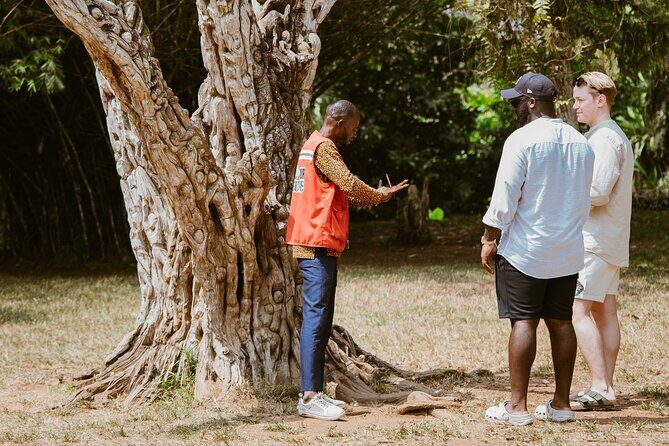
What I find extra valuable here is the cultural add-on tied to the landscape. Near the bat caves, you can visit a traditional shrine area and learn about the Shai people—linked to local history around hiding from slave raiders. Wildlife trips feel more meaningful when you connect the animal habitat to the human story that shaped how people use the land.
Practical note: bat-and-cave time can feel slower than you expect. If you love patient, low-visibility wildlife work—listening for movement, scanning cave entrances, and staying still—you’ll fit right in. If you want big mammals every hour, Shai Hills may be a different pace than you imagine.
Kakum National Park: 40 meters up, then hours after dark
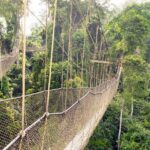
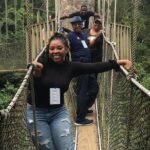
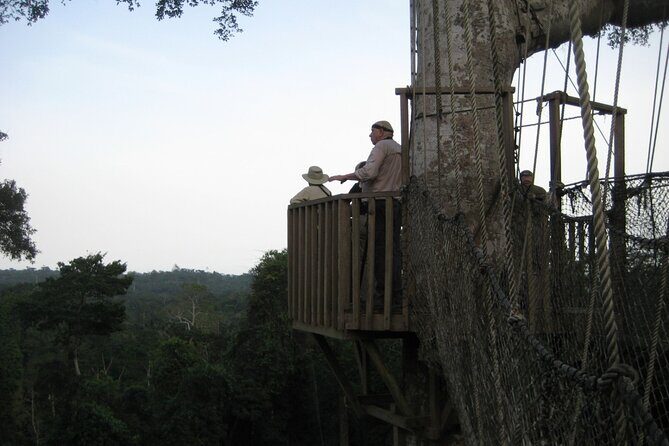
Kakum National Park is the headline for many people, and this itinerary uses it in a smart way. You’ll head to the canopy walkway for first light, aiming to be there early enough to spend the critical viewing hours above the forest floor. The walkway sits roughly 40 meters up, and the platforms are large enough to support telescopes—helpful if your vision isn’t perfect or if the canopy is busy with leaf cover.
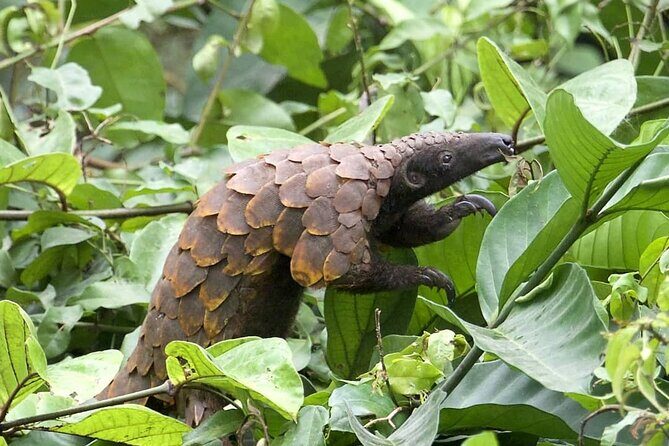
The tour is mammal-focused, and it leans into species you can actually try for in a canopy setting: long-tailed pangolin is a key target, with other squirrels also possible (including species listed on the trip). Then the plan shifts mid-day and evening into forest searching where bats, rodents, and primates become the focus.
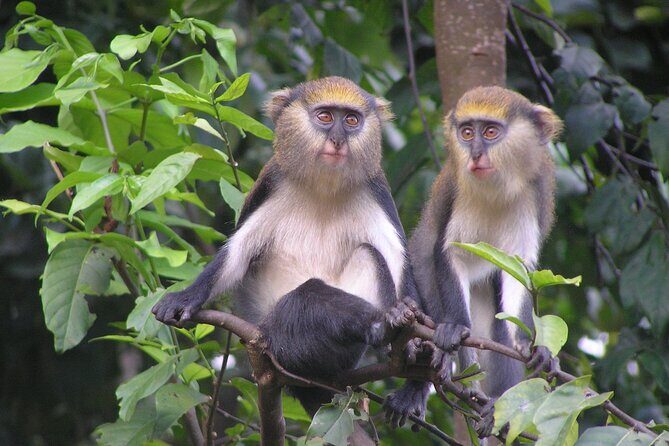
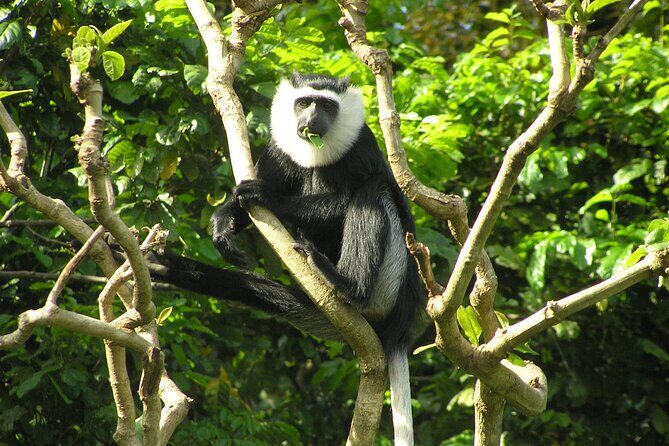
Night in Kakum is where you’ll do serious wildlife effort. The schedule includes evening canopy time and longer forest sessions, targeting primates such as Olive Colobus, Lowes Mona, Geoffrey’s Pied Colobus, and Lesser Spot-nosed Monkeys. Bats are also noted as being in good numbers, and pangolins can still appear depending on conditions.
A balanced expectation check: monkeys and bats can be easier than rainforest pangolins, but nothing here is guaranteed. If you need a trip that guarantees specific mammals on cue, you’ll want to stay flexible and treat Kakum as a best-chance zone rather than an order-at-a-restaurant situation.
Two full Kakum days for pangolins, primates, and nocturnal birds
Days three through five give Kakum more time, and that’s exactly what you want in rainforest. The longer blocks aren’t just filler—they increase your shot at species that move on a schedule you can’t control. You’ll hunt for pangolins (all species listed for the program), Bossmans Potto, Demidoffs Galago, Common Cusimanse, plus bush baby, tree hyrax, giant pouched rat, and multiple primate targets.
Night walks also get dedicated time. You’ll do night walk spot-lighting with targets such as Akun and Frasers Eagle Owls, along with whatever else decides to show. This is a good place to remember that night wildlife work is as much about darkness discipline as it is about spotting: keep still, let your eyes adjust, and don’t rush the scan.
One more practical angle: Kakum can mean a lot of walking and waiting. If you’re bringing camera gear, consider how quickly you can switch from a steady tripod stance to a handheld scan when something moves. This trip rewards quick adjustments.
Brenu Akyinim and Elmina beach road: rodents, mongoose, and a real break
After Kakum, the itinerary changes habitat and mood. You’ll head west with a morning stop along the Brenu Akyinim beach road, where the tour targets Slender Mongoose and Ground Striped Squirrel. Birding is also mentioned as good here, and there’s a walk to one of the best beaches in Ghana.
That beach interlude is more than a nice photo stop. It’s a pressure release after rainforest days of darkness and dense foliage. If you want your group to feel rested enough for the next forest camp stretch, this is a smart pacing move.
A few more Accra tours and experiences worth a look
Ankasa Conservation Area: remote camp comfort and serious forest effort
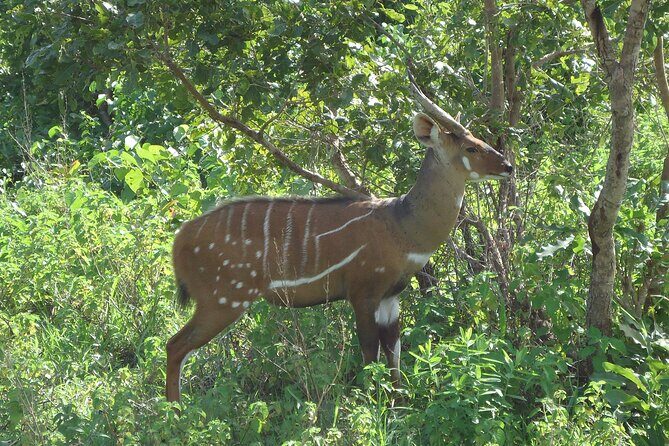
Ankasa Conservation Area is a big highlight because it’s described as Ghana’s only pristine wet evergreen upper guinea rainforest. You arrive late afternoon, and your camp is already set up. The camp details matter: you’ll have showers, flushing toilets, and electricity, which is not guaranteed on every “remote” forest trip.
From there, it’s straight into evening searching. You’ll look for Demidoffs Galago, Common Cusimanse, African Palm Civet, and other species that are harder to find elsewhere. Then you spend two full days and nights with early morning walks, late afternoon time, and night spotlight sessions—exactly the mix you need for mammals that won’t follow your timetable.
The targets get more ambitious. Bongo are described as rare but possible, and a strategy is to stake out waterholes in the evening to catch tracks—also a chance for Red River Hog. Later, the itinerary emphasizes hammer bat searches, plus rodents. Pels and Lord Derby’s Anamolure are named targets too, and the Dwarf Crocodile is described as regular at waterholes.
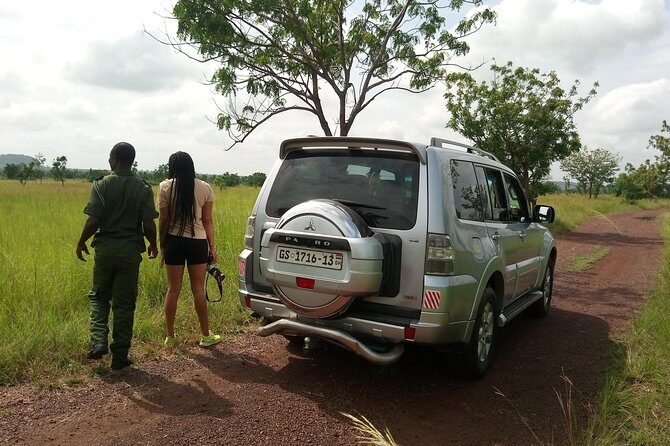
Even the access plan is part of the value. The tour notes 4×4 landrovers and drivers based in the area to get deeper into difficult-to-access forest. That matters because in thick habitats, the best sightings often depend on reach, not luck.
If you’re deciding whether you can handle “rougher” than lodge life: Ankasa is remote, but your comfort baseline is not skipped. Still, expect humidity, long sessions, and lots of time outside—this is a forest work trip, not a sit-on-a-terrace trip.
Ashanti Region and New Edubiase: pangolin protection with community support
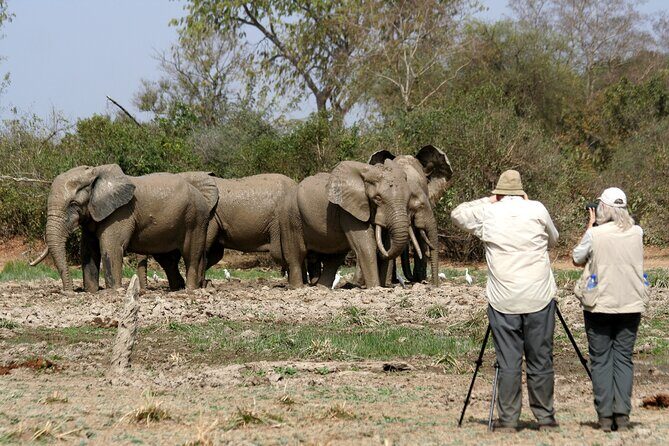
The Ashanti portion of this tour is a welcome twist because it’s not only about spotting wildlife—it’s about supporting how wildlife survives. You travel to a remote community protecting a small Upper Guinea Forest, aiming to arrive by late afternoon, then prepare for a night walk. The focus here includes pangolin search, with a strong note that pangolins are endangered and also illegally trafficked.
The program also states they’re involved in a conservation and community project to protect the habitat from illegal hunting and logging. This gives you a more grounded reason for why you’re searching at all: you’re not just doing a checklist; you’re participating in efforts to keep the habitat intact.
Next comes New Edubiase, another full day in that forest. Locals assist with the search for pangolins if needed, plus other targets. Butterflies are mentioned as abundant, with several hundred species recorded, so even if mammal sightings go quiet, you’re not stuck with dead time.
A practical thing to know: this part may feel less “flashy” than national parks because it’s smaller and more community-driven. If you enjoy slow wildlife work, respectful searching, and seeing how local conservation is actually organized, you’ll likely love it.
Mole National Park: savanna mammals, long drives, and night spotlighting
Then the trip shifts north into drier broad-leaved Guinea woodland and savannah toward the Sahel edge. Mole National Park is Ghana’s largest national park, and you’ll have a few days and nights dedicated to it. The accommodation sits on an escarpment about 250 meters high, with wide views—useful for atmosphere and also for breaking up the day.
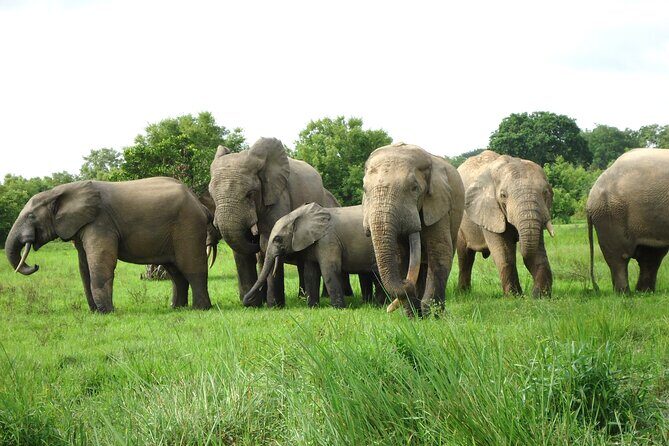
Mole is where the mammal list expands into the classic savanna mix: African elephants, kobs, bushbucks, waterbucks, hartebeests, roan antelopes, warthogs, and buffalos are all named targets. You’ll also look for Olive baboons and patas monkeys, and yellow-winged bats are mentioned too.
In the evenings, the program switches into driving and walking through the park, spotlighting for more elusive species—hedgehogs, galagos, mongooses, civets, genets, duikers, hares, aardvarks, porcupines, and various rodents and bats. This is where “night work” becomes a different game than in the rainforest: visibility can be better, and tracks and movement patterns can be easier to read.
One travel note I like in this itinerary: the trip uses an internal flight from Tamale back to Accra at the end. It saves nearly two full days of road travel, which keeps the final days from turning into a transportation blur.
Price and value: what $4,995 covers (and what it doesn’t)
At $4,995 per person for 15 days, you’re paying for a long, private route that includes far more than just a guide. The package lists all excursion fees, fuel with unlimited mileage, expert local guide 24/7, an experienced driver, and air-conditioned vehicle. It also includes accommodations and all meals: breakfast (13), lunch (13), and dinner (14), plus unlimited mineral water.
So your extra costs are mostly the big-ticket items not listed: international flights, visa, and soft and alcoholic drinks. The price also includes airport transfers and insurance coverage (public liability and professional indemnity), which you’ll appreciate when you’re far from home and moving quickly between regions.
Is it good value? For a private, mammal-heavy route across multiple habitat zones, yes—especially because you’re not buying park fees and meal plans as you go. The only cost that can surprise some people is the visa process; one earlier client flagged that the system for visa applications can feel complicated if you mix e-visa steps with traditional paperwork. If paperwork stresses you out, start early and confirm the exact pathway you should use.
Guides and guiding style: spotting skills, communication, and expectations
The strongest praise tied to this operator comes down to guiding performance and logistics. On Ghana birding trips, Foster has been described as superb from beginning to end, with logistics working perfectly and a driver called safe. Guides like Philip Senyo have been praised for spotting and identifying species, and for knowing where birds are. Another guide, Jakson/Jackson, has also been credited for making the tour comfortable and safe.
There’s also one caution worth noting. One account mentioned that Philip was excellent at identifying birds but was soft-spoken and didn’t always clearly communicate the exact location of what was being seen. In your own planning, that means you may want to ask your guide early: How do you communicate sighting locations? If you prefer explicit pointing and a louder explanation, say so. In a private tour, you can usually work that into the rhythm.
Who should book this mammal-focused Ghana route
This is a strong fit if you:
- Want a mammal-first itinerary that uses rainforest canopy and night spotlighting
- Like long days in the field, not just quick sightseeing
- Are excited by tough targets like pangolins and bats (and can handle “not guaranteed” outcomes)
- Care about the community conservation angle in the Ashanti Region
It’s less ideal if you:
- Need frequent sightings of large, obvious animals every day
- Prefer shorter walking sessions and minimal night activity
- Get frustrated by slow wildlife work (caves, canopy scanning, waterhole stakeouts)
Should you book this 15-day Ghana wildlife private tour?
I’d book it if you’re serious about mammals, bats, and pangolin possibility, and you’re happy trading certainty for time in the right habitats. The route is well-structured for Ghana’s wildlife reality: early light for canopy and scanning, long night sessions for nocturnal species, and enough Mole time to balance the rainforest effort with savanna mammals.
I’d pause if pangolin sightings are the only reason you’re going. The trip includes strong attempts and local expertise, but the data also makes it clear that sightings in dense rainforest habitat can be difficult. If you can handle that uncertainty and focus on the whole experience—habitats, night work, and community conservation—you’ll likely feel the trip was worth it.
If you decide to go, pack for a mix of camp nights and long field hours, and bring gear that helps you work in low light. Also, start your visa paperwork early so it doesn’t steal your energy.
FAQ
How long is the Ghana Wildlife Private Tour?
It’s listed as about 15 days.
Where do you meet the group in Ghana?
Your guides meet you at Kotoka International Airport in Accra.
What wildlife areas are included?
The tour includes Shai Hills Resource Reserve, Kakum National Park, Ankasa Conservation Area (with nearby forest access), a community forest area in the Ashanti Region including New Edubiase, and Mole National Park.
What does the tour price include?
It includes all excursion fees, fuel with unlimited mileage, 24/7 expert local guide, experienced driver, accommodation, air-conditioned vehicle, airport transfers, unlimited mineral water, and meals (breakfast, lunch, and dinner as listed).
What is not included?
International flights, visa, and soft and alcoholic drinks are not included.
Is there any internal travel to save time?
Yes. Near the end, you travel to Tamale and take an internal flight back to Accra to save nearly two full days of road travel.