REVIEW · ACCRA
Makola Market Walking Tour
Book on GetYourGuide →Operated by Classic Holidays · Bookable on GetYourGuide
Makola Market hits you fast: this is Ghanaian life in motion. I love how the walk is organized by real market sections, so you see food ingredients and everyday goods, not tourist stand-ins. I also like that you get an English-speaking local guide who can explain what you’re looking at and help you navigate the crowd. One possible drawback is that Makola can feel intense if you’re not used to busy, loud places and lots of bargaining energy.
For a set price of $58 per person with water included, it’s a solid way to sample a huge market in a short time. The tour runs 2 to 3 hours, and it’s private, so you can ask questions instead of just following the group. If you hate walking and prefer quiet shopping, you may want to rethink the pace.
You’ll start in the food market area and keep moving through cosmetics, jewelry, textiles, pharmaceutical stalls, groceries, electronics, and more. If you still have energy, you can continue farther into the artisan and timber zone for building-related supplies, and you may also add the Agblobloshie vegetable market.
In This Review
- Key things to know before you go
- Makola Market Walking Tour: What You’re Actually Seeing in 2–3 Hours
- Price and value: Why $58 feels fair for this kind of guide-led market time
- Getting picked up and meeting your English guide (and why private matters)
- The food market start: where Ghanaian cooking is basically on display
- Oils, spices, gari, and produce: learning how ingredients connect to daily life
- Cosmetics, jewelry, textiles, and pharma: the market has specialists
- Artisan and timber market: a practical detour if you have energy
- Used clothing shopping: Broni wawu and Bend-down boutique
- Optional stop: Agblobloshie vegetable market
- Shopping with a guide: how to get the most without getting steamrolled
- Comfort and pacing: what you should mentally prepare for
- Who this tour is best for (and who might skip it)
- Should you book the Makola Market Walking Tour?
- FAQ
- FAQ
- How long is the Makola Market Walking Tour?
- How much does the tour cost?
- Is the tour guided, and what language is used?
- Is it a private group?
- What is included in the tour?
- What areas of the market does the tour cover?
- Can the tour include the Agblobloshie vegetable market?
- Does the tour include used clothing shopping?
- What happens if I need to cancel?
Key things to know before you go
- Real market sections, starting with food ingredients and moving outward to everything else you’d need
- Local guidance in English, focused on explaining what things are and how the market works
- Hands-on Ghanaian food culture, including palm oils, cassava gari, and other local staples
- Shopping help and price negotiation support, especially if vendors push higher prices
- Used clothing shopping stops, including Broni wawu and Bend-down boutique (a very specific vibe)
- Optional add-ons like the artisan and timber area and Agblobloshie vegetable market, if time allows
Makola Market Walking Tour: What You’re Actually Seeing in 2–3 Hours
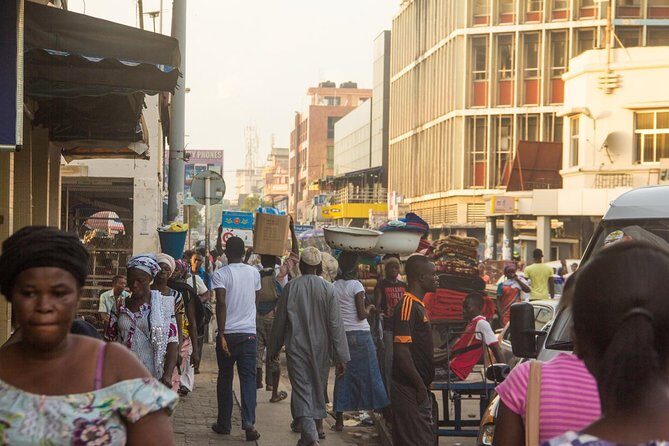
Makola Market is one of those places that you can’t really understand from photos. It’s not a single “thing.” It’s a whole city of small jobs and specialists, and you feel that as you walk. This tour is built to give you a clear route through the chaos. You’re not just passing stalls at random. You’re guided through major segments in a way that makes sense, so you leave with a mental map of how Accra shops, cooks, and builds.
The timing matters. With a 2 to 3 hour walk, you’ll get a wide cross-section without turning the day into a full-day ordeal. That’s the value here: you’re sampling a lot of categories while your guide keeps the story connected.
The tone is practical too. The guide points out items people actually buy every day, then explains what they are and where they fit in Ghanaian kitchens and daily life. That approach is what makes the market feel like culture instead of just crowds.
You can also read our reviews of more walking tours in Accra

Price and value: Why $58 feels fair for this kind of guide-led market time
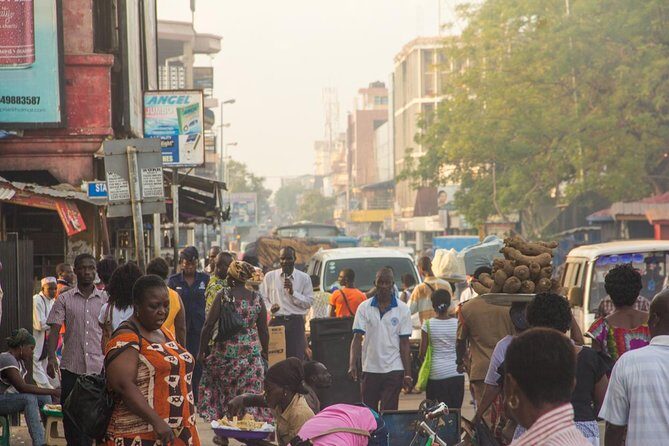
At $58 per person, this isn’t priced like a long bus tour. You’re paying for something more specific: time with an experienced market guide who can keep you oriented and help you understand what you’re looking at.
Think about what you’d do without that help. You’d still be able to wander, but you’d likely spend more time doing the hard part: figuring out which section you’re in, what a particular item is used for, and how to interact with sellers without getting lost in the noise. The tour is set up to reduce that friction.
It’s also smart that water is included. In hot market conditions, that small inclusion changes the experience from stressful to manageable.
If you like shopping but hate feeling pressured, the guide can also help you manage vendor interactions. People have found that negotiation support makes a difference when prices get inflated.
Getting picked up and meeting your English guide (and why private matters)
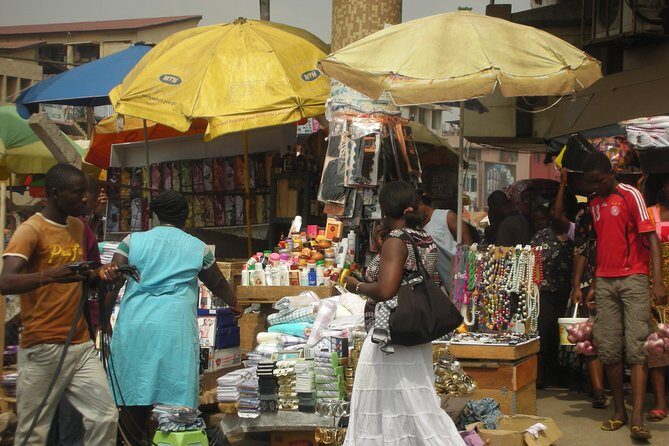
Your pickup depends on the selected option, and the tour is run as a private group. That one detail matters more than it sounds. A private format makes questions easier, and it also helps the guide adjust the route if you’re tired, cautious, or just want more time in the food section.
The guide you’ll meet is English-speaking. That’s important here because the tour is not just about showing objects. It’s about explaining purpose. In a market like Makola, understanding what a product does is half the fun.
If you end up with a guide like Ben, people have described him as both helpful and knowledgeable, including going above and beyond to assist when someone had a broken suitcase and needed extra time to deal with it. Even when you aren’t shopping, that kind of calm, practical support improves how safe and comfortable you feel in a busy place.
The food market start: where Ghanaian cooking is basically on display
You begin in the typical food market section, and this is where the tour earns its “culture at its best” promise. Instead of just walking past ingredients, you’re guided through them in a way that connects them to everyday cooking.
Here are the food categories you can expect your guide to explain:
- Local meats such as bush meat, fishes, and giant snails
- Edible cow hides
- Oils from the palm tree, including red and white oils
- Gari from cassava
- Local spices
- Fruits and vegetables
This part of the tour is unforgettable if you’re curious about how ingredients shape flavor and routine. You get to see what people actually buy, not what a restaurant menu uses in a sanitized way.
A consideration: if you’re sensitive to animal products being handled or displayed, this section may feel confronting. The market is honest. You should be ready for that realism.
Oils, spices, gari, and produce: learning how ingredients connect to daily life
After the initial walk-through, the guide continues into details that help you understand the logic of Ghanaian cooking. You’ll move through items like palm oils and cassava gari, plus spice blends and fresh produce.
Even if you don’t plan to cook these foods yourself, you’ll start recognizing patterns:
- What is sold fresh versus processed
- What is used as base flavor (oils and spices)
- What is common everyday staple (cassava products like gari)
One extra benefit: you start to see how a market becomes a food system. Everything is close together. That’s part of the reason Makola feels like a living machine rather than a shopping street.
You can also read our reviews of more shopping tours in Accra

Cosmetics, jewelry, textiles, and pharma: the market has specialists
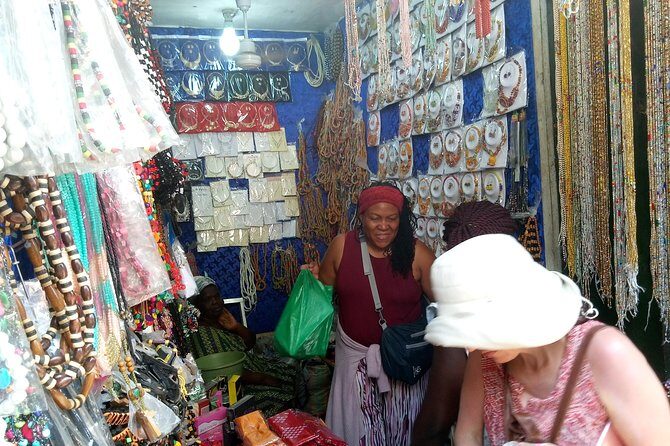
Once the food portion has set your context, you’ll move beyond cooking ingredients into the parts of Makola that cover personal and household needs.
Expect to see sections such as:
- Cosmetics
- Jewelry
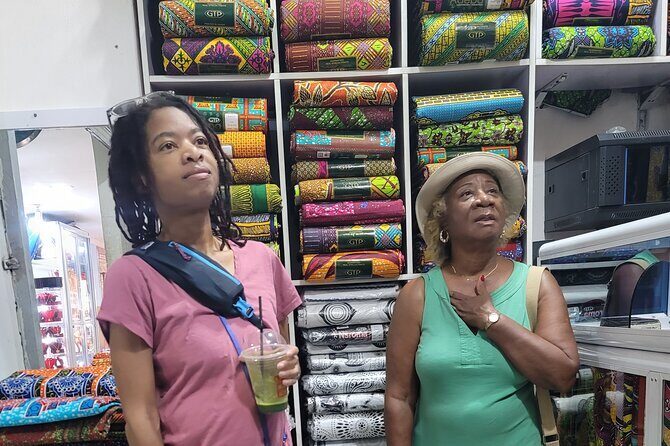
- Textiles
- A pharmaceutical area
- Groceries
- Electronics
This is where the tour turns from “food culture” into “everyday Ghana life.” Textiles and cosmetics show style and daily grooming. Jewelry shows taste and gift culture. Pharma and groceries reflect how people manage health and household basics, not just meals.
The electronics section is also a useful reality check. Markets like this aren’t only about tradition. They also keep up with modern consumer demand, and you’ll notice that contrast as you move.
Artisan and timber market: a practical detour if you have energy
If you still have time and energy, you can go farther into the Artisan and Timber market. This is described as a zone known for skillful patrons, and it’s tied to construction and building needs.
It’s an interesting add-on because it changes the vibe again. You’re no longer focused on household shopping. You’re looking at supplies and materials that connect to building work. If you like seeing how different parts of a city function, this is a highlight.
A drawback to plan for: farther sections mean more walking and more sensory overload. If you’re already tired from the food start, keep it flexible and don’t feel you have to push on.
Used clothing shopping: Broni wawu and Bend-down boutique
One of the most distinctive sections is the used clothing area, also called Broni wawu (white man died) and Bend-down boutique. This part is full of secondhand items, from underwear to shirts and shoes.
It’s a very specific market experience. If you enjoy browsing used goods and appreciate the social side of thrift shopping, you’ll likely find it fun and surprising. If you find secondhand shopping emotionally heavy or uncomfortable, you might prefer to spend less time there.
Either way, it helps to go in with a mental filter. This isn’t about buying one perfect souvenir. It’s about scanning lots of items, checking quality, and deciding what you actually want to carry.
Optional stop: Agblobloshie vegetable market
Another optional add-on is Agblobloshie, which is described as the largest vegetable market in Ghana. If your timing allows, your guide can add this visit.
Why it’s valuable: it’s a change of pace within the broader market experience. You’ll focus more tightly on produce, and you’ll see how large-scale vegetable trading looks compared to the mixed categories of Makola.
If you’re more interested in food than fashion or electronics, this add-on can make the whole tour feel more focused.
Shopping with a guide: how to get the most without getting steamrolled
The tour is designed for people who want to interact with locals and also shop. That mix can be tricky in a big market. This is where the guide’s role becomes more than “point and explain.”
People have reported that guides help with price negotiation when vendors inflate prices. That means you’re less likely to get caught in a back-and-forth that drains your energy.
Here’s how to make it work for you:
- Tell your guide what you want (food items, textiles, used clothing, or other categories)
- Ask them to route you to the right sections so you’re not guessing
- Use the guide to understand what you’re looking at before you decide
A small warning: negotiation can be emotional in any market. If you don’t want to bargain, say so early and keep your browsing attitude relaxed.
Comfort and pacing: what you should mentally prepare for
This is a walk in a busy open market. That means:
- Lots of movement around you
- Noise and constant activity
- People calling out and vendors trying to get your attention
Your guide will help you stay oriented and manage your route. Still, your comfort depends on your own tolerance for crowds.
The tour is 2 hours of walking with a possible extension toward other sections, and the guide may keep things moving based on your energy and time. If you get overwhelmed easily, prioritize the sections that matter most to you and leave the rest for next time.
Who this tour is best for (and who might skip it)
This tour fits best if you want:
- Authentic Ghanaian market culture, not a staged experience
- A structured route through multiple Makola sections
- An English-speaking guide to translate what you’re seeing
- Help with shopping decisions and price interactions
It may not be ideal if:
- You dislike crowded markets
- You only want one small shopping stop
- You are sensitive to seeing raw meats and animal products presented in a market setting
- You prefer slow, leisurely browsing without guidance
For most visitors, though, a market walk with a real guide is one of the quickest ways to understand daily life in Accra.
Should you book the Makola Market Walking Tour?
If your goal is to get a fast, guided snapshot of Makola Market in a way that connects to food, shopping categories, and local life, I’d book it. Two to three hours is the right length to cover a lot without burning your whole day.
I would especially book it if you’re the kind of traveler who likes asking questions and learning what items mean in real Ghanaian routines. With a guide, you don’t just see products. You understand why people buy them.
Book with confidence, but go prepared for a real market environment: loud, crowded, and active. If that sounds like the experience you came for, this is a strong use of your time in Accra.
FAQ
FAQ
How long is the Makola Market Walking Tour?
The tour runs for 2 to 3 hours.
How much does the tour cost?
It costs $58 per person.
Is the tour guided, and what language is used?
Yes. It includes a live tour guide, and the tour is in English.
Is it a private group?
Yes, it’s offered as a private group.
What is included in the tour?
Water is included, along with guiding services from your local expert.
What areas of the market does the tour cover?
The tour starts in the food market and continues through sections such as cosmetics, jewelry, textiles, pharmaceutical items, groceries, and electronics. If time allows, it can also include the artisan and timber area.
Can the tour include the Agblobloshie vegetable market?
Yes. Agblobloshie is listed as a place you can also visit if you have energy and time.
Does the tour include used clothing shopping?
Yes. The used clothing area includes Broni wawu (also described as the white man died) and Bend-down boutique, featuring secondhand items.
What happens if I need to cancel?
Free cancellation is available up to 24 hours in advance for a full refund.