REVIEW · ACCRA
Makola Market Walking Tour
Book on Viator →Operated by Classic Holidays · Bookable on Viator
Makola Market can feel like a human maze. This guided walk through Accra’s biggest market helps you move with confidence and understand how local trading actually works. Makola Market is huge, hot, and busy, so the structure of a small group tour really matters.
I like two things most: the guide brings you through the right sections (textiles, used clothes, electronics, and food/groceries), and you get real help with bargaining instead of guessing. It’s also a practical way to shop for local products and souvenirs without getting stuck in the crowd.
The main drawback is simple: it’s still a market. Expect crowds, heat, and lots of walking, so come ready for moderate physical effort and patience.
In This Review
- Key points
- Why a Makola Market guide is worth it in the first 10 minutes
- Price and what $41.03 really buys you
- Meeting point and timing: how the 1–2 hours fits your day
- Inside Makola: what the guide shows you in each market section
- Haggling lessons you can use immediately (without making it awkward)
- Shopping outcomes: textiles, souvenirs, and finding what you actually want
- The guide matters: Prince, Obeng, and Ben set the tone
- Who should book this Makola Market walking tour
- Should you book it? My take on the decision
- FAQ
- How much does the Makola Market walking tour cost?
- How long is the tour?
- Where does the tour start?
- Where does the tour end?
- What is included in the tour price?
- What is not included?
- How many people are in the group?
- Is there a ticket format I should expect?
- What fitness level do I need?
- Is cancellation free?
- About the Provider
Key points
- Small group (max 15) means you’re not shouting to be heard
- Price-haggling help from a local guide in the middle of the action
- Market layout coaching for textiles, used clothing, electronics, food, and groceries
- You shop with a plan, not just wander through aisles
- Guided by familiar, friendly names like Prince, Obeng, and Ben in past tours
Why a Makola Market guide is worth it in the first 10 minutes
Makola is the kind of place where you can lose time fast, even if you think you know where you’re going. The market is divided into sections, and the quickest route through it is not always obvious from the outside paths. A guide helps you get your bearings fast, so you spend your energy shopping instead of backtracking.
Two other things click early. First, you learn how sales flow in Ghanaian market culture—how people talk, compare, and negotiate without it turning into a fight. Second, you get support moving between sections like textiles, used clothes, electronics, and food and grocery stalls, which are all different in layout and vibe.
Your comfort matters here. If crowds and loud noise wear you down, this is exactly where a small group helps—you can keep your pace, ask questions, and still avoid feeling pushed around by the market.
You can also read our reviews of more walking tours in Accra


Price and what $41.03 really buys you
At $41.03 per person, this tour is priced like a short, focused experience: about 1 to 2 hours with a guide leading you through the market. What makes it feel like value is what’s included—bottled water, plus all fees and taxes. In other words, you’re not paying extra for basic entry costs or being asked to handle small add-ons on the spot.
The bigger value is the guidance around spending. If you plan to buy textiles, clothes, electronics, or souvenirs, bargaining can be the difference between a “good enough” purchase and a deal you’re actually happy with. The tour is designed for that moment when you’re standing in front of a vendor and need a smart way to communicate.
One more detail: the listing notes group discounts, which can make the per-person price even easier to justify if you’re traveling with friends.
Meeting point and timing: how the 1–2 hours fits your day
This is a walk tour that starts and ends at the same area: Accra CentralHQ3R+8MX, Tudu Rd, Accra, Ghana. That round-trip structure is handy. You’re not trying to figure out how to get back across town after you’ve been shopping for a while.
You’ll also want to plan around the market’s tempo. The tour time is listed as approximately 1 to 2 hours, but market pace can stretch depending on questions, browsing, and bargaining. In past tours, guides adjusted the pace and kept checking in so people stayed comfortable.
Also, plan on using a mobile ticket. And since private transportation isn’t included, you should expect to handle your own way to the meeting point.
Quick fit question: If your schedule is tight and you only want a quick taste of Makola, this tour can work. If you want hours of deep shopping without stopping for guidance, you may want more time on your own afterward.
Inside Makola: what the guide shows you in each market section
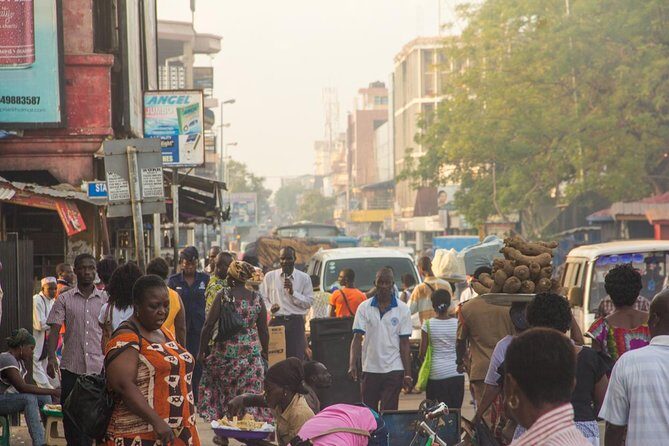
The guided portion centers on one main stop: Makola Market. The guide leads you through the market’s main sections, typically including textiles, used clothes, electronics, and food and groceries.
Here’s why this matters. These areas don’t just sell different things; they also work differently. Textiles and clothing often involve more discussion about quality and fabric. Used clothes can require slower, more careful inspection. Electronics tend to move with more comparisons, where “what’s included” and condition matter a lot. Food and groceries shift the tone again—less about bargaining for items you carry home, more about daily commerce.
I like that the tour doesn’t treat Makola as one long corridor. Instead, you get a guided pathway across categories, so you can explore without getting turned around.
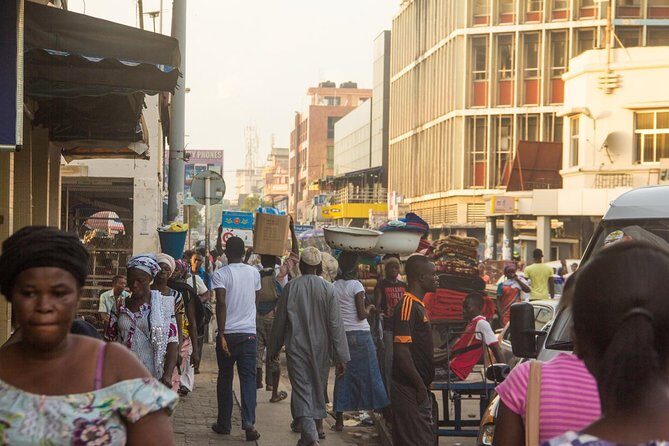
What you might notice as you go: the market’s layout can feel like a maze, especially when you’re surrounded by people and movement. Multiple guides have been praised for taking shoppers way inside and helping them move through that complexity with less stress.
Haggling lessons you can use immediately (without making it awkward)
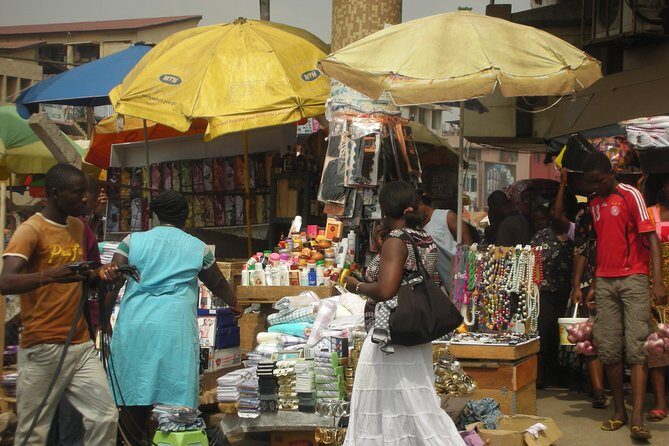
One of the strongest reasons to book this tour is simple: you’re not stuck learning bargaining theory in a classroom. You’re learning it while you’re actually standing in front of vendors.
The highlights promise help with getting the best price and understanding the Ghanaian way of trading. That’s useful because market negotiation isn’t just about lowering a number. It’s about communication—how you ask, how you show you’re comparing, and how you keep the exchange respectful enough to keep talking.
From past experiences, guides like Prince and Ben are often praised for being patient and for steering the group toward exactly what they want to see. That patience is a big part of successful bargaining. If you’re unsure what questions to ask, you’ll feel stuck. With a guide, you can slow down, ask questions, and learn the rhythm.
Also keep expectations realistic. Even with help, the price isn’t likely to be identical to what you’d pay in a fixed-price store. But you can still aim for fair value and walk away with fewer regrets.
You can also read our reviews of more shopping tours in Accra


Shopping outcomes: textiles, souvenirs, and finding what you actually want
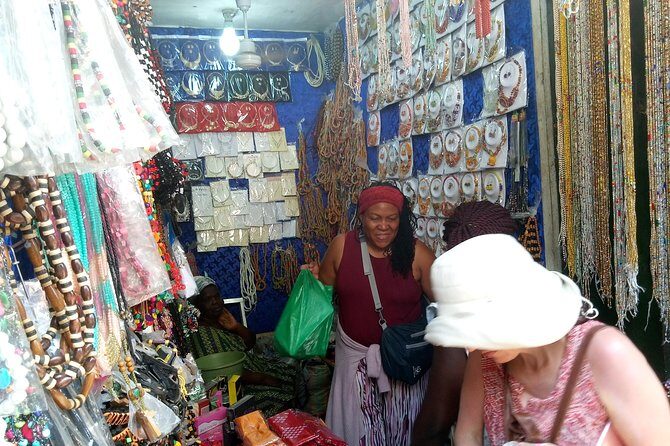
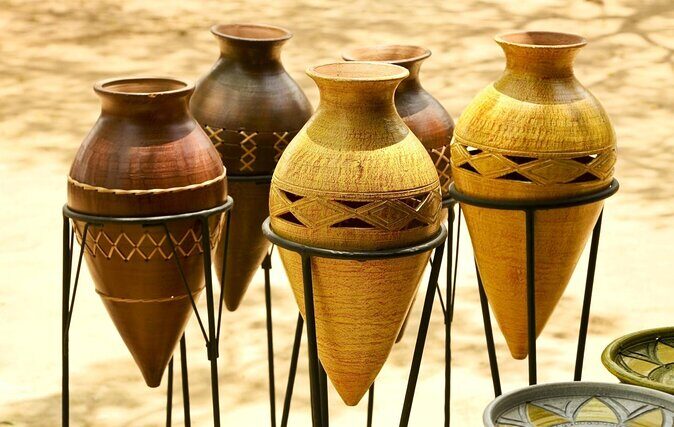
If your goal is to buy local products, handicrafts, or souvenirs, a guide can help you do it faster and with less frustration. The tour’s structure is built around browsing across the categories people usually come for—clothing and textiles, plus electronics and everyday items.
One practical advantage from past tours: guides have taken solo visitors deeper into the market so they wouldn’t get lost or feel unsafe. That safety isn’t about danger being guaranteed—it’s about comfort. When you know where you’re going and why you’re there, shopping feels easier.
In one tour example, the guide also coordinated a stop with a seamstress to get prints sewn, then returned to the market later for an item someone had forgotten. That’s not listed as a standard stop, but it shows what good guiding can unlock: follow-through on requests that pop up during browsing.
Before you go, think about what you want most: fabric, ready-made clothing, specific electronics, or souvenirs. If you show that intention early to the guide, you’ll usually spend your time more efficiently.
The guide matters: Prince, Obeng, and Ben set the tone
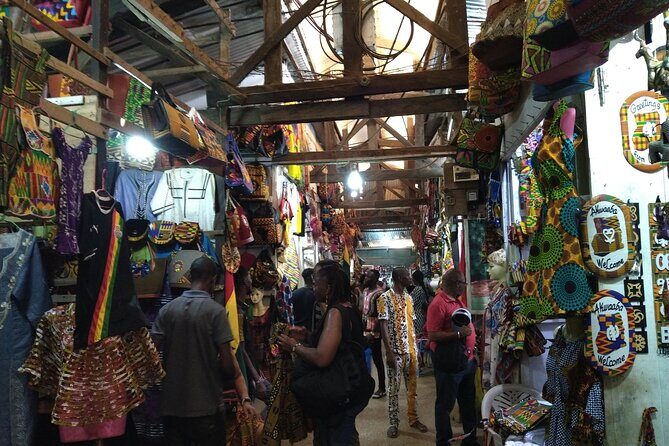
A market tour lives or dies on the guide’s ability to manage people and priorities. In these tours, a recurring theme is that guides are friendly, attentive, and genuinely helpful when you want to learn or see something specific.
Prince is mentioned many times for being attentive and kind, and for knowing the layout so well that visitors compare it to navigating a large human maze. Obeng appears in notes about helping with market history and culture and reducing stress around traffic and crowds (people and cars). Ben is praised for explaining things clearly and being patient while making sure guests see what they want.
There’s also a useful detail in those comments: guides regularly checked in during the walk to match the group’s comfort level with pace and distance. That’s not just nice service—it changes what you remember. If you’re constantly trying to keep up, you’ll miss the explanations that make the experience click.
If you care about asking questions, you’ll likely enjoy this tour more than a self-guided wander.
Who should book this Makola Market walking tour
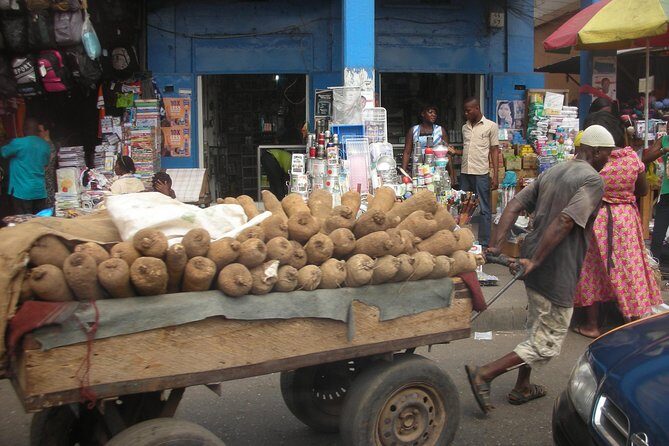
This tour is a strong fit for:
- Solo travelers who want a local partner for navigating crowded areas
- People who plan to shop and want help bargaining
- Anyone who wants to understand how the market works, not just what to buy
It’s also a good choice if you’d rather spend time learning the layout than trying to figure it out on the fly.
You might think twice if you want a totally free-form shopping day. The tour is guided for a reason, so you may not get the full freedom of walking your own route for hours. And because it’s listed for moderate physical fitness, you should be ready for a bit of walking in a busy environment.
Practical mindset tip: treat this as a focused primer. You’ll probably leave better prepared to negotiate and to recognize what each section is best for.
Should you book it? My take on the decision
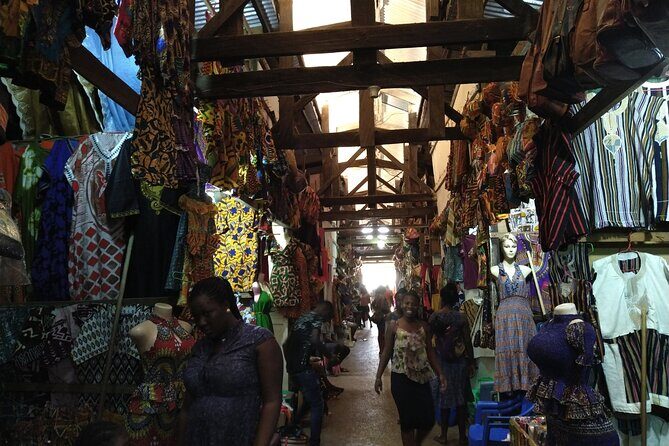
Book this tour if you’re going to Makola anyway and you want to get your bearings quickly, shop with less stress, and negotiate more confidently. For most people, the included water, the all-fees-covered setup, and the short guided time make the price easier to justify—especially if you’re planning purchases like textiles, used clothing, electronics, or souvenirs.
Skip it or pair it with extra time if your priority is long, slow browsing without guidance. Makola rewards patience, and a guide can’t replace unlimited time.
If you want one simple rule: if you’d feel uncomfortable wandering through crowds and you want a plan, this tour is the safer, smarter start.
FAQ
How much does the Makola Market walking tour cost?
The price is $41.03 per person.
How long is the tour?
The duration is approximately 1 to 2 hours.
Where does the tour start?
The start location is Accra CentralHQ3R+8MX, Tudu Rd, Accra, Ghana.
Where does the tour end?
This activity ends back at the meeting point.
What is included in the tour price?
It includes bottled water and all fees and taxes.
What is not included?
Lunch and private transportation are not included.
How many people are in the group?
This tour has a maximum of 15 travelers.
Is there a ticket format I should expect?
You’ll receive a mobile ticket.
What fitness level do I need?
Travelers should have a moderate physical fitness level.
Is cancellation free?
Yes. You can cancel up to 24 hours in advance for a full refund.
About the Provider
Classic Holidays