REVIEW · ACCRA
A 9 Days Experience Of The Motherland
Book on Viator →Operated by Bigbentours1gh · Bookable on Viator
Ghana in nine days feels like a time machine. This trip connects Accra, Kumasi, and the coast with stops that range from market life to major historical sites, plus culture you can take part in like a traditional naming ceremony.
Two things I really like about the way this is set up: you get serious, guided context at key sites, and you’re not living on snack runs because the plan is built around eight days of meals. I also appreciate the human factor—groups have described the guide team (including Ben, Mr Victor, Emanuel, Bernice, Dan, Sherifa, and Charles) as on-time, friendly, and safety-minded.
The main thing to consider is pacing. You start early (7:00 am) and you’ll spend long stretches in the car, and a couple of the historical stops are emotionally heavy—go in with that mindset and you’ll handle it fine.
In This Review
- Key highlights you should care about
- A Private 9-Day Ghana Circuit: How the Route Fits Together
- Day 1 and Day 2 in Accra: Airport Pickup, Kpalungo Performance, and Big Name Sites
- Into Kumasi: Palace Museums, Kente Village Learning, and a Naming Ceremony
- Ntonso Adinkra Cloth: Hands-On Making You Can Bring Home
- Day 5: Boabeng-Fiema Monkeys and Kintampo Falls from Ground Level to Canopy Walk
- Assin Manso Ancestral Slave River Park: A Heavy Stop Done with Purpose
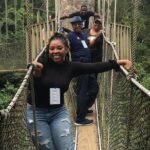
- Cape Coast and Elmina: UNESCO Castles Plus Kakum Canopy Walk
- Winneba Maskerade Festival and Final-Day Accra Comfort: Mall Life and Labadi Beach
- Value, Meals, and Comfort: What Your Money Is Buying
- What to Expect on the Ground: Timing, Tour Team, and How to Prep
- Should You Book This 9 Days Experience Of The Motherland?
- FAQ
- How long is the tour?
- Where does the tour take place?
- What time does the tour start each day?
- Do you get picked up from the airport?
- Is this tour private?
- What’s included for meals?
- What major attractions are included?
- Are drinks included?
- Can I cancel and get a full refund?
- Do I need paper tickets?
Key highlights you should care about
- Accra history plus local daily life in one tight day plan, from Du Bois to Makola Market
- Hands-on Ashanti craft time for both Kente and Adinkra (with making your own Adinkra cloth)
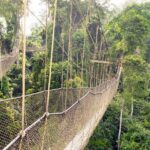
- Nature with a point of view: canopy walking at Kintampo and Kakum
- Monkeys and village traditions at Boabeng-Fiema, including a courtesy call with the monkey priest
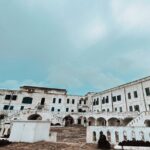
- UNESCO coastal heritage at Cape Coast Castle and Elmina Castle, with guided framing
- Festival energy at Winneba plus a final day with modern Accra and beach downtime
A Private 9-Day Ghana Circuit: How the Route Fits Together

This is a true “see a lot, but don’t feel lost” style of trip. You’re in one organized circuit across southern and central Ghana, so you’re not constantly figuring out connections, tickets, or who to call. It’s a private tour, meaning your group stays together the whole time, and you travel in an air-conditioned vehicle with a driver and tour guide.
From a value point of view, what you’re paying for is not just transportation. The schedule packs in a mix of paid and free admissions, with meals handled for much of the trip. That matters in Ghana, because eating on the go can turn into a decision-heavy day. Here, you get fewer “what now?” moments.
One more practical note: the tour is designed around early starts—7:00 am. If you like late mornings and slow breakfasts, this will feel intense. If you’re okay with packing your energy early, you’ll get a better shot at cooler temperatures and smoother visit timing.
You can also read our reviews of more tours and experiences in Accra.

Day 1 and Day 2 in Accra: Airport Pickup, Kpalungo Performance, and Big Name Sites
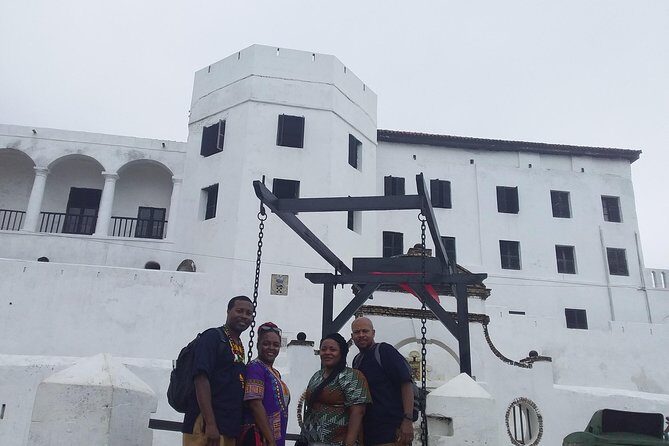
Accra is where you get your bearings. The week begins with pickup at the airport and transfer to your booked hotel, so you’re not negotiating your first day. Later that same day, you’re welcomed with a traditional cultural performance by the Kpalungo Cultural Troupe. It’s a good way to shift from travel mode into local rhythm without needing a long walk or a complicated plan.
The next day mixes Ghana’s political story with everyday city life—on purpose. You start at the W.E.B. Du Bois Center, visiting the former residence and library connected to Du Bois, who was tied to anti-segregation work, pan-African organizing, and the early Pan African Congresses. It’s one of those stops that helps you read Ghana’s modern identity in a bigger context.
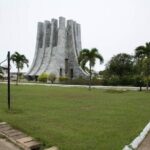
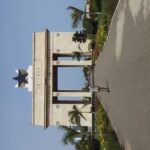
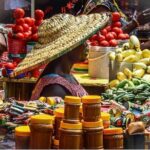
Then you move to the Kwame Nkrumah Memorial Park, including the mausoleum for Ghana’s first president. After that, you head into Makola Market, one of West Africa’s busiest open-air markets. The contrast is the point: one stop is about ideals and leadership; the other is about trade, daily hustle, and people buying and selling right now.
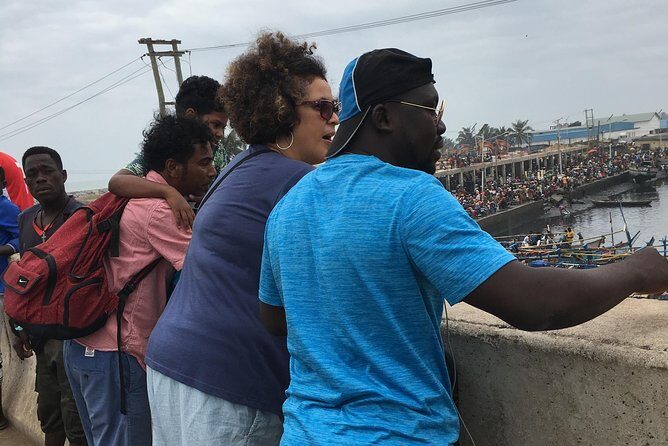
You also visit the James Town Lighthouse area and nearby fishing harbour/community. It’s tied to the British settlement at James Town, and the lighthouse and fort area give you a sense of how older coastal quarters were shaped.
Finally in Accra, the Center for National Culture is a strong finish for Day 2. It’s described as the biggest arts market in Ghana, so it’s useful if you want to see Ghanaian art production and crafts in one place. The drawback? Markets can be tiring, so pace yourself and keep water in mind.
Into Kumasi: Palace Museums, Kente Village Learning, and a Naming Ceremony
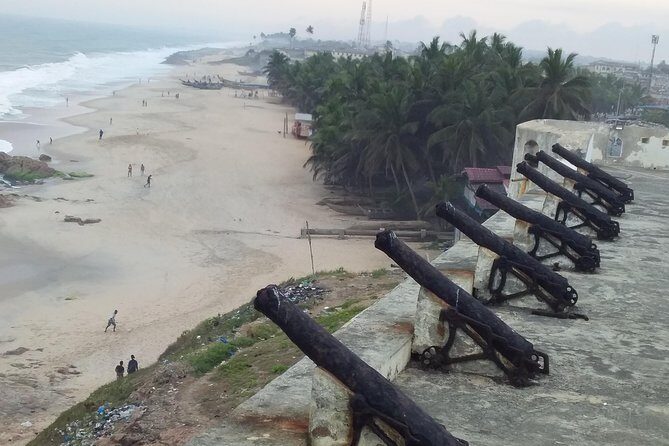
Kumasi is where the trip leans hard into Ashanti culture—craft, tradition, and court history. You visit the Manhyia Palace Museum to see the residence and museum connected to an Ashanti king. It’s not just artifacts; it’s a look at how leadership and cultural identity were physically represented.
Then you move to the Prempeh II Jubilee Museum in the Kumasi Cultural Centre. This stop is focused on Nana Agyeman Prempeh and gives you a clearer thread through the Ashanti royal story. Together, these palace-and-museum days are a nice correction if your last couple of days were mostly beaches, car rides, or city sightseeing.
One of my favorite parts of the Kumasi section is the day built around learning Kente and Adinkra processes and then stepping into lived tradition. You’ll visit the kente weaving village of Adansomaso. Kente isn’t just a fabric to admire—it’s a system with history and meaning, and the village setting helps you understand why people treat it as more than clothing.
That same day includes stops that make the learning feel real: a local cocoa farm, a local healers shrine, and then a traditional local naming ceremony, where you’re given a local name. If you’ve been craving an experience that’s not just watching, this is it. Just go in respectfully: naming ceremonies and spiritual places aren’t entertainment. They’re community events.
Ntonso Adinkra Cloth: Hands-On Making You Can Bring Home
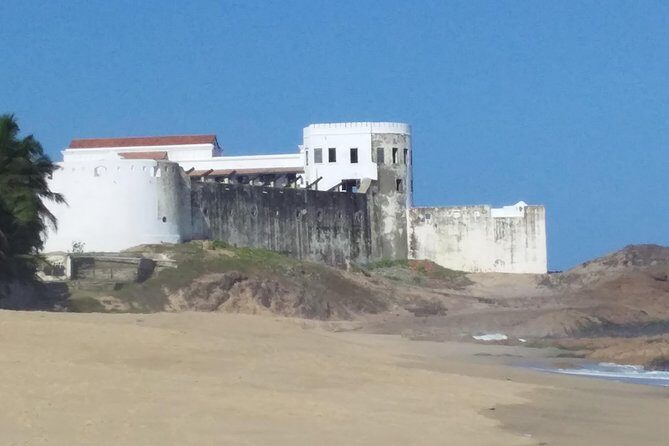
After kente, the trip shifts to Adinkra. You go to the Ntonso Adinkra craftsmen area, where you learn more about the history and process behind Adinkra cloth. The best part is the built-in chance to try your hands at making your own Adinkra cloth.
This is the type of activity that pays off later. A purchase from a market can be nice, but a piece you made yourself turns into a story you actually own. You’ll also get a stronger sense of why symbols matter—what they communicate and how they connect to community memory.
The practical downside: hands-on sessions take time. Wear clothes you don’t mind getting a little messy, and plan to move at the speed of the workshop, not your phone schedule.
Day 5: Boabeng-Fiema Monkeys and Kintampo Falls from Ground Level to Canopy Walk
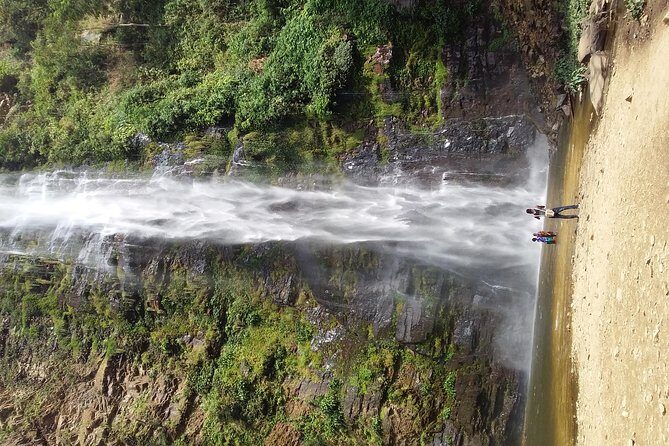
Day 5 blends wildlife and water in a way that keeps the week from feeling like only museums and monuments.
First comes Boabeng-Fiema Monkey Sanctuary, where you’ll visit the monkey sanctuary connected to an ancient traditional village. You’ll see Mona and black-and-white colobus monkeys and have a courtesy call connected to the monkey priest of the villages. That courtesy element matters because it frames the monkeys as part of a living tradition, not just a photo opportunity.
Then you head to Kintampo Falls, described as spectacular, and you also get a visit to the newly constructed kintampo falls canopy walkway. The canopy walk adds a different view angle—more height, more perspective, and a change of pace from ground-level walking.
The main consideration here is physical comfort. Even if the activities are short in time blocks, falls areas can mean slippery stones or long stretches outdoors. Bring shoes you trust and plan to stay patient—nature runs at nature speed.
Assin Manso Ancestral Slave River Park: A Heavy Stop Done with Purpose
If you take only one lesson from this tour, make it this: the week includes places where Ghana’s history is painful. On Day 6, you visit Assin Manso Ancestral Slave River Park, tied to the river where captive people were taken for what’s described as their last bath en route to slave castles at Cape Coast and Elmina during the transatlantic slave trade.
It’s a long stop—about six hours in the plan—so you’re not rushed through it. That length helps because these sites often require context and reflection, not speed-walking.
A practical tip: if you’re sensitive to heavy themes, plan for it ahead of time. Don’t schedule big nightlife that night. Eat with care, breathe, and give yourself time to absorb what you’re learning.
Cape Coast and Elmina: UNESCO Castles Plus Kakum Canopy Walk
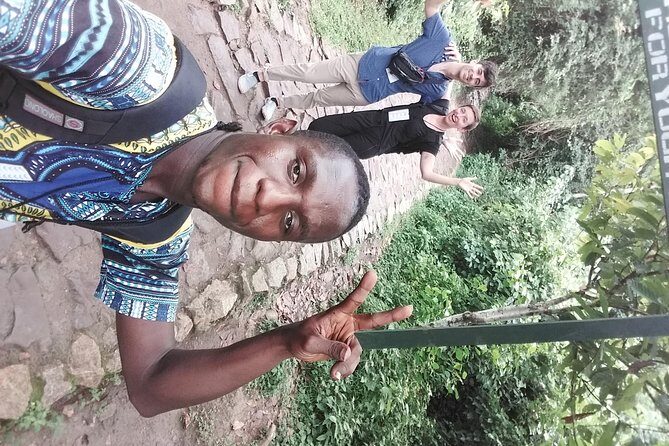
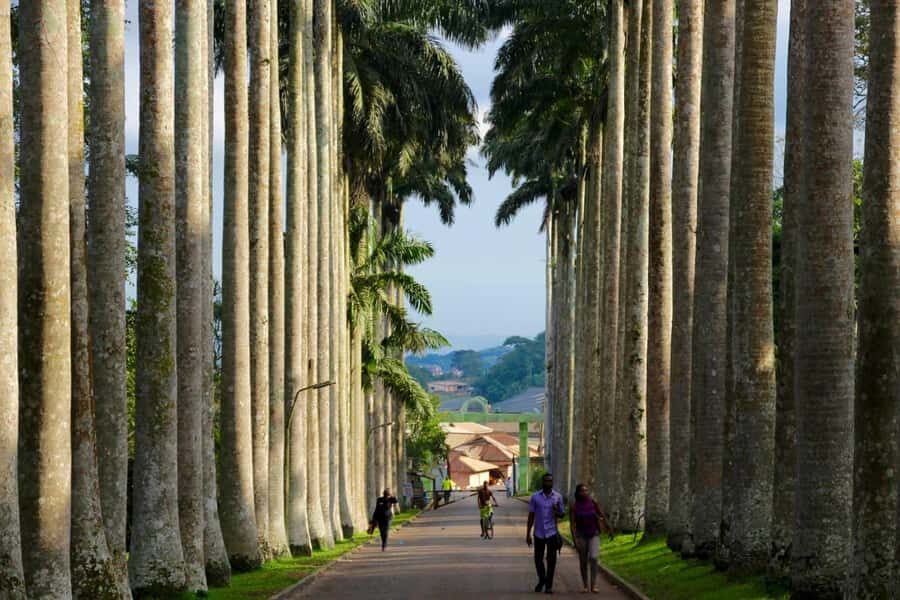
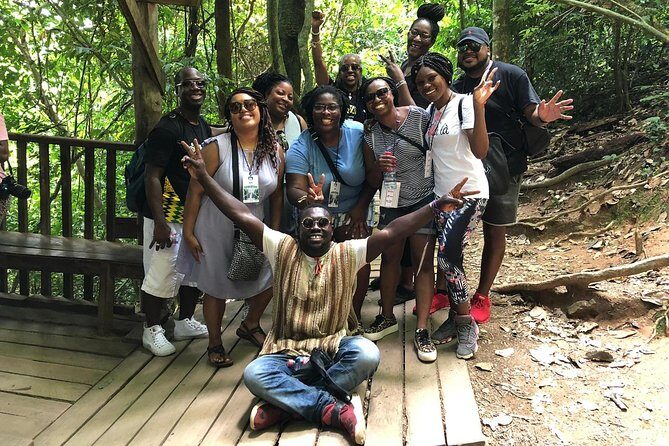
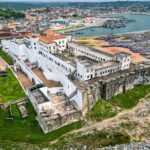
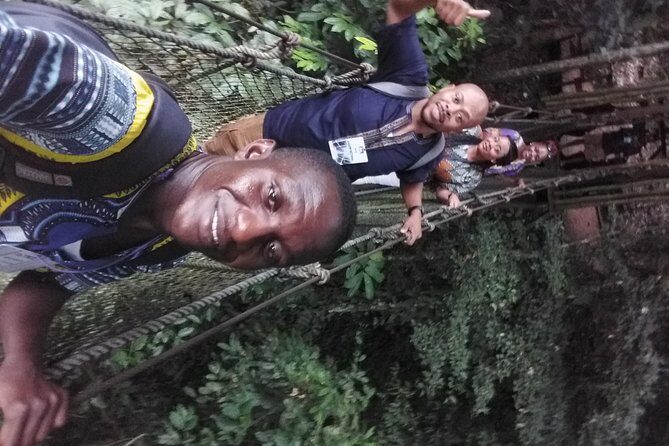
Days 7 is a big one for world heritage and for mood. You start at Cape Coast Castle, a UNESCO World Heritage site. Then you head to Kakum National Park, known for animal species, trees, and many bird species, plus the famous Kakum canopy walk. It’s a psychological reset: after castles and walls tied to suffering, the forest canopy walk puts you back in nature’s rhythm.
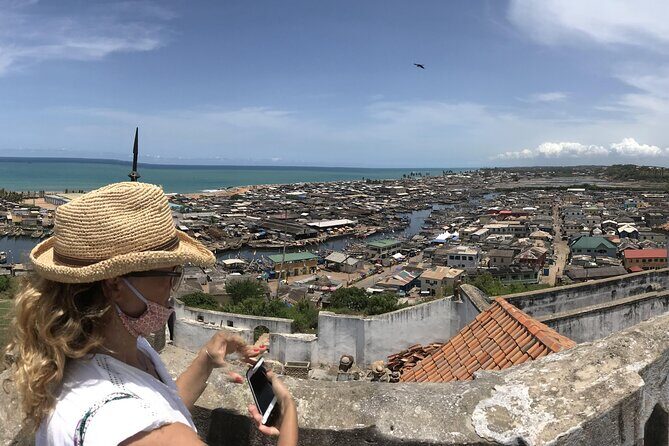
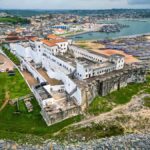
Then you go to Elmina Castle, also UNESCO-listed. It’s described as the first colonial buildings in sub-Saharan Africa. Seeing these two castle sites back to back makes the history easier to compare in your mind—you can track how the built environment tied into the broader system of the slave trade.
The drawback of this day is energy. You’re doing multiple major sites, including one that’s physically outdoors (Kakum). If you get tired easily, pack light and keep water handy.
Winneba Maskerade Festival and Final-Day Accra Comfort: Mall Life and Labadi Beach
The last leg shifts into Ghana’s present-day social energy and a bit of rest.
On Day 8, you visit Winneba for the annual Maskerade Festival. The festival focus is what makes this day different from the museum-heavy middle of the trip. This is the day where you likely notice how performances, costumes, and community traditions carry meaning beyond the stage.
On Day 9, you move from festival energy into a calmer modern finish. First: West Hills Mall, a look at modern Accra life. It’s a useful contrast if your previous days were all heritage sites and crafts. Then you go to Labadi Pleasure Beach for downtime and breeze, plus horse riding at the beach.
The tour closes with leaving for the airport about two hours before check-in time. That’s smart. People underestimate how often check-in lines, traffic, or last-minute requests can eat into your time.
Value, Meals, and Comfort: What Your Money Is Buying
Let’s talk price in a real way. The tour runs about $1,948.72 per person and is often booked around 13 days in advance. For a nine-day experience that includes an air-conditioned vehicle, driver and tour guide, all fees and taxes, unlimited bottle water, and meals for multiple days, the cost starts to make sense—especially compared to paying separately for guides, transport, and admissions.
The meals matter. The tour plan is built around eight days of meals (breakfast, lunch, and dinner). You’ll spend less mental energy deciding where to eat, and you’ll avoid the common problem of arriving at a site hungry and distracted.
What’s not included is also clear: drinks, plus gratuity for your driver and tour guide, and personal items. If you like soda, beer, or lots of bottled water beyond what’s provided, budget for that. And if you want smooth service at the end of long days, plan for tips rather than treating it like an afterthought.
Finally, your “ticket” is handled as a mobile ticket. That helps reduce paper hassle and can speed up entry points where it applies.
What to Expect on the Ground: Timing, Tour Team, and How to Prep
The tour runs from 7:00 am. That’s early, but it’s also the reason you can cover Accra to the coast to Kumasi without everything turning into a rushed mess. I recommend you treat evenings as recovery time. Sleep matters more on this kind of route than on a slow city break.
Group style can vary. Your tour is private, so it’s only your group, and the program has served groups as large as 16 in at least one recent experience. If your group is bigger, you’ll want to stay organized with water, sun protection, and quick meeting times.
One of the most praised parts in the guide experience is that the team has a consistent personality: friendly, safety-focused, and responsive. In particular, people have named Ben and his team members like Mr Victor, Emanuel, Bernice, Dan, Sherifa, Charles, and others. You don’t need to memorize names—but it’s reassuring to know this company operates with a recognizable core of guides and support.
Packing-wise, the itinerary hints at two realities:
- You’ll be outdoors in nature areas (Kintampo and Kakum canopy walk, Kakum canopy walk, beach day).
- You’ll be walking through markets and heritage sites.
So bring shoes you can trust, plus a small day bag for water and essentials. If you plan to do hands-on Adinkra making, keep an extra pair of socks or something simple for after the workshop.
Should You Book This 9 Days Experience Of The Motherland?
I’d book it if you want a structured Ghana route that mixes heritage sites with real cultural activities like Kente/Adinkra crafts, a naming ceremony, monkey sanctuary traditions, and a festival day. It’s also a good fit if you care about getting context—especially for the UNESCO Cape Coast and Elmina castles, where guided framing makes a big difference.
I would pause and think twice if you hate early starts, dislike emotional historical content, or want a very low-activity pace. This week is active by design. You’ll see a lot, and you’ll feel it by the end.
If you’re the kind of traveler who likes learning, walking, and trading schedules for meaning, this one is easy to recommend. Just go in ready for both the beauty and the heaviness—and let the trip do what it’s built to do: show you Ghana in full daylight.
FAQ
How long is the tour?
It runs for 9 days (approx.).
Where does the tour take place?
The experience is based in Accra, Ghana, with stops across Accra, Kumasi, and the coastal areas including Cape Coast and Elmina, plus Winneba and other locations.
What time does the tour start each day?
The start time is 7:00 am.
Do you get picked up from the airport?
Yes. On Day 1, your driver and tour guide pick you up at the airport and transfer you to your booked hotel. The trip ends with leaving for the airport about two hours before check-in time.
Is this tour private?
Yes. It’s a private tour/activity, and only your group participates.
What’s included for meals?
The tour highlights say you’ll get eight days of meals including breakfast, lunch, and dinner.
What major attractions are included?
Key stops include Cape Coast Castle and Elmina Castle (UNESCO World Heritage sites), Kakum National Park with the canopy walk, and cultural sites in Accra and Kumasi.
Are drinks included?
No. Drinks are not included.
Can I cancel and get a full refund?
Yes. Free cancellation is available up to 24 hours in advance for a full refund. If you cancel less than 24 hours before the start time, the amount you paid will not be refunded.
Do I need paper tickets?
You’ll receive a mobile ticket.