REVIEW · ACCRA
Bird watching tours , cultural and historical tours of Ghana.
Book on Viator →Operated by Kalu Afasi · Bookable on Viator
Bird calls in Ghana sound like clues. This two-day private outing around Accra turns listening into a skill, thanks to guide Kalu Afasi, who can spot birds by call and sound, not just sight. I also like the tight mix of habitats—scrub and forest-edge in the morning, then a proper canopy walkway day at Kakum—so you’re not stuck seeing the same type of bird over and over. One thing to consider: a past booking warning flags last-minute cancellation risk and advises using careful payment methods instead of sending money directly.
You start early (6:00 am), ride in an air-conditioned vehicle, and keep moving through four major sites—Shai Hills Resource Reserve, Sakumono, Kakum National Park, and Cape Coast Castle. It’s a moderate-fit kind of trip (you’ll be on your feet), but it’s structured, timed, and built for people who want birds plus cultural stops without the stress of doing it all yourself.
In This Review
- Key Highlights to Know Before You Go
- Shai Hills Resource Reserve and Sakumono: Where Your Ears Start Working
- Kakum National Park Canopy Walkway: Birds Above the Treeline
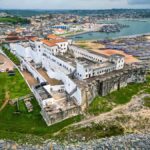
- Cape Coast Castle for Wildlife-Spotting in a Heritage Setting
- Air-Conditioned Transport, Included Tickets, and Meals: Where the Value Comes From
- What Kalu Afasi’s Style Means for Your Actual Birding
- Timing, Fitness, and What a Two-Day Route Feels Like
- What to Bring for a Comfortable Bird-and-Culture Weekend
- Should You Book This Bird Watching and Cultural Tour?
- FAQ
- What is the duration of this Accra Ghana tour?
- What time does the tour start?
- Is this a private tour?
- What’s included in the price?
- What isn’t included?
- What kind of fitness level do I need?
- Can I cancel for a full refund?
Key Highlights to Know Before You Go
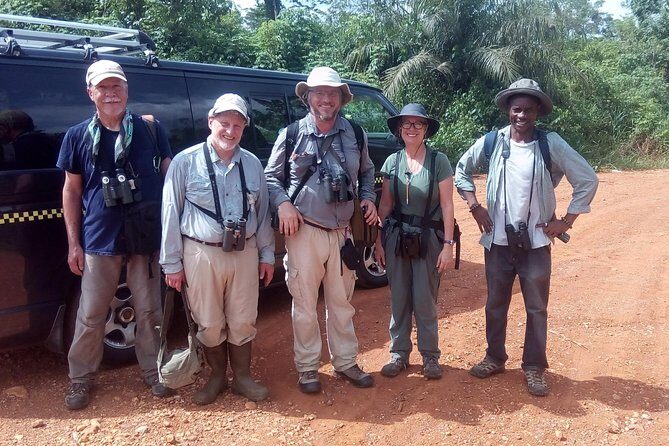
- Bird ID by call and sound: Kalu Afasi’s strength is recognizing what you’re hearing, which helps even when birds stay hidden.
- A smart Accra-area route: Shai Hills Resource Reserve + Sakumono cover different ecosystems in the first half of the trip.
- Kakum canopy walkway for birds and monkeys: 4 hours here gives you time to scan and pace yourself on the famous walkway.
- Historic Cape Coast Castle stop: You get wildlife spotting in a heritage setting without turning it into a museum marathon.
- Private group experience: Only your group joins you, so you can move at a bird-friendly pace.
Shai Hills Resource Reserve and Sakumono: Where Your Ears Start Working
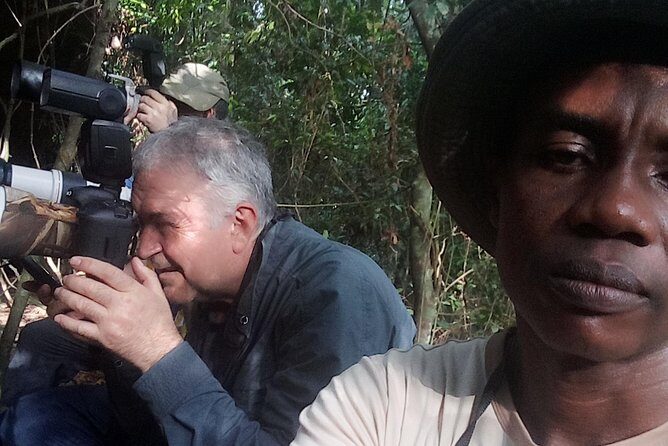
This trip begins with a bird-focused day that doesn’t waste time. Shai Hills Resource Reserve is your “warm-up with payoff” stop: 3 hours where you can expect lots of different species simply because the area supports a mix of habitats. The big value here isn’t just the birds on the ground. It’s how the guide works—pairing what you see with what you hear, so your birding improves fast rather than staying random.
Then you shift to Sakumono for another 3-hour block. This is one of those places where the mix of ecosystems matters. You’re looking at shire birds and savanna bird species, and that combination is exactly what makes a two-day itinerary feel worth it. If one location is slow, the next ecosystem can change the game quickly.
Why this sequence matters for you: Early in the trip, you’re learning the soundscape. Once you train your attention to calls and short bursts of activity, the second stop feels easier. And since the guiding is private and focused, you can ask quick questions without waiting for a big group to catch up.
Possible drawback: You’ll be outside for multiple hours across two days. Even if the walking isn’t described as extreme, plan for heat and long stretches where you’ll pause often. Birding rewards patience, but you need to pace yourself.
You can also read our reviews of more historical tours in Accra


Kakum National Park Canopy Walkway: Birds Above the Treeline
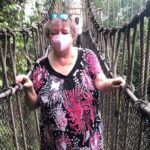
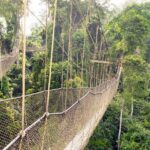
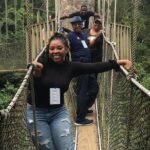
Day two is where the birding gets more dramatic. At Kakum National Park, you get the canopy walkway for 4 hours, plus time to look for birds and other wildlife, including monkeys. This kind of setting changes how you bird. Instead of checking the ground and low branches, you’re scanning the upper layers—where many birds spend their day quietly calling from places you can’t reach.
The canopy walkway also helps you spot movement patterns. Birds react to light, wind, and other activity overhead. When you’re walking slowly on the walkway, you’re basically giving yourself a moving viewpoint—better odds than standing still in one spot for too long.
What you should do as you walk: Let your eyes take the lead, but keep your ears in the loop. That’s the guide’s sweet spot. When a bird call pops up out of sight, you’ll understand what’s happening instead of just hearing noise. This is where bird watching in Ghana becomes less about luck and more about recognizing cues.
Watch-out in plain terms: Kakum is a highlight, so it can feel time-pressured if you rush. The itinerary gives you 4 hours, which is a good window to slow down, step back when needed, and re-check interesting perches without feeling guilty.
Cape Coast Castle for Wildlife-Spotting in a Heritage Setting
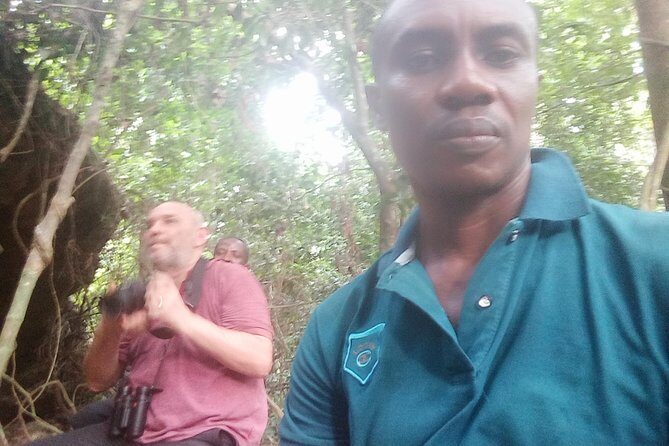
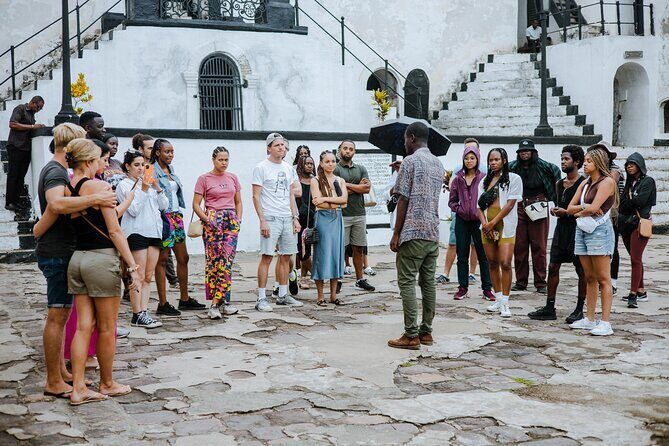
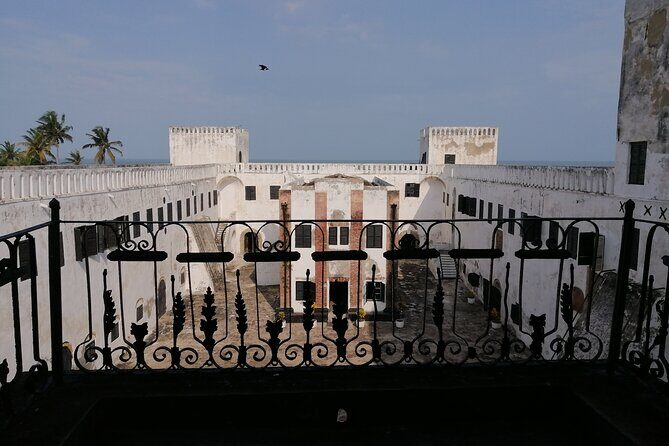
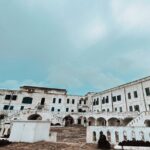
After Kakum, you head to Cape Coast Castle for 2 hours. This is the cultural anchor of the trip—time in a historic setting—while still keeping your wildlife instincts active. The key here is how the stop is framed: you’re not there only to read plaques and rush photos. You’re also watching the grounds around the site for birds and general wildlife.
Why I think this stop works: Many bird tours ignore culture because the day is built around moving points. This one doesn’t. It helps you come away with more than a checklist. You’ll get a sense of place in coastal Ghana, while still keeping the same observational mindset you practiced earlier in the trip.
What to expect pacing-wise: Two hours is enough for a focused visit without dragging into an all-day museum slog. If you want to balance birding energy with a meaningful cultural stop, this timing is a good compromise.
Air-Conditioned Transport, Included Tickets, and Meals: Where the Value Comes From
The price is $256.42 per person for about 2 days, and the honest way to judge value is to look at what’s bundled. This tour includes air-conditioned vehicle plus breakfast and dinner, and the admission tickets for each stop. It also offers pickup and uses a mobile ticket.
That matters because bird watching around Accra isn’t just “show up and go.” Transport and entry fees add up fast, especially when you’re bouncing between reserves and national park areas. By including those basics, you’re mostly paying for guide time, planning, and the route.
Here’s what’s on you: alcoholic and soft drinks and snacks aren’t included. That’s normal, but it means you should budget a little and avoid getting stuck hungry or thirsty at the wrong time. Bring your own snack strategy if you like, or plan to purchase during the day as needed.
A practical note on the private format: Since it’s private (only your group participates), you’re not paying to share attention. That’s a big deal for birding, where quiet moments and quick repositioning can make the difference between a brief sighting and a real look.
What Kalu Afasi’s Style Means for Your Actual Birding
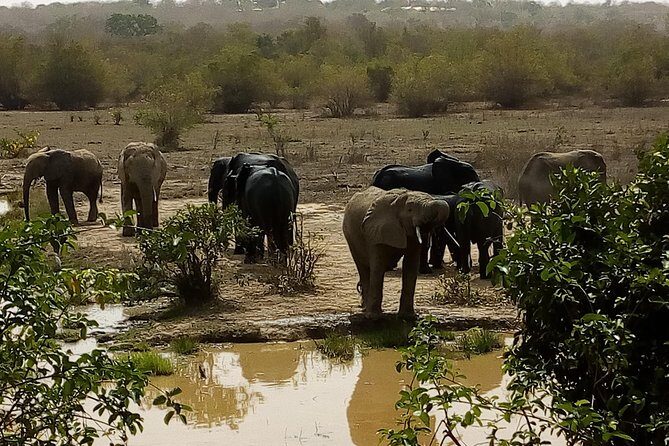
The strongest thread in the experience is simple: the guide’s skill changes everything. Kalu Afasi is singled out for identifying birds by call and sound, and that approach can help you even when the bird refuses to cooperate visually.
In birding, you’ll constantly run into this situation: you hear something, you can’t immediately see it, and you start guessing. A good sound-based guide fixes that guesswork. You stop thinking you missed the bird, and you start tracking it. That turns random “maybe I saw it” moments into a process you can repeat.
There’s also a sense that Kalu’s birding knowledge isn’t only theoretical. People describe him as excellent and prompt, and they tie his expertise to spotting harder-to-reach species on longer Ghana trips (including owl and nightjar finds). Even if your two-day itinerary is shorter, the takeaway for you is that you’re booking a guide who can handle serious birding, not just casual sightseeing.
One caution worth taking seriously: A past booking warning reports unexpected cancellation 24 hours before departure and suggests not sending money in advance. I can’t control what happened in someone else’s situation, but I can recommend you protect yourself: use the platform payment flow (not direct transfers), confirm timing as you get close to the start date, and keep screenshots/receipts for your own peace of mind.




Timing, Fitness, and What a Two-Day Route Feels Like
This is a 2-day plan that starts at 6:00 am. That early start is good for birds, but it also means you’ll want to be ready the night before—charged phone, comfy shoes, and a calm mindset.
The itinerary blocks are time-defined:
- Shai Hills Resource Reserve: 3 hours
- Sakumono: 3 hours
- Kakum National Park canopy walkway: 4 hours
- Cape Coast Castle: 2 hours
That totals 12 hours of listed site time, then factor in driving and transitions. So yes, it’s active. You’ll likely spend a lot of time standing, scanning, and pausing. The info specifies moderate physical fitness, so plan for uneven ground at reserves and an outdoor walkway experience in the park.
If you’re deciding whether this fits your body: If you can handle a full morning outdoors, some walking, and long periods of standing with occasional breaks, you’re probably fine. If you’re sensitive to long standing in heat, build in your own hydration and rest rhythm.
What to Bring for a Comfortable Bird-and-Culture Weekend
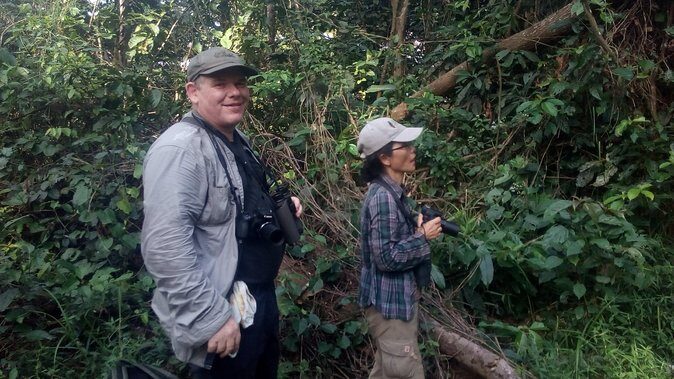
The tour includes meals (breakfast and dinner), air-conditioned rides, and entry tickets, so you’re not packing a ton of logistics. Still, birding is detail-heavy, so you’ll enjoy the trip more if you show up ready.
Bring:
- Comfortable closed-toe shoes for walking and standing
- Sun protection (hat/sunglasses) and lightweight layers
- Your binoculars if you own them
- A small day bag for personal items
- Payment method for snacks and drinks (since those aren’t included)
And mentally: expect birding to be a mix of focus and waiting. The best sightings often show up when you stop rushing your eyes.
Should You Book This Bird Watching and Cultural Tour?
I’d book it if you want a guided birding experience that leans into hearing and recognizing birds by call, not just hoping to get lucky with sightings. You also get value from a route that combines:
- two strong birding stops near Accra (Shai Hills and Sakumono),
- a major nature highlight at Kakum (canopy walkway, birds, monkeys),
- and a cultural stop at Cape Coast Castle without turning the day into a history lecture.
I’d hesitate if you’re the type who needs total certainty on timing. One past account included a serious cancellation story, and it’s a reminder to protect yourself with official payment methods and reconfirm details close to departure. If you’re flexible and you handle logistics with care, that risk is easier to manage.
FAQ
What is the duration of this Accra Ghana tour?
The tour runs for about 2 days.
What time does the tour start?
The start time is 6:00 am.
Is this a private tour?
Yes. It’s private, and only your group participates.
What’s included in the price?
Included are breakfast and dinner, an air-conditioned vehicle, admission tickets for the stops, pickup offered, and a mobile ticket.
What isn’t included?
Alcoholic and soft drinks and snacks are not included.
What kind of fitness level do I need?
The tour notes a moderate physical fitness level.
Can I cancel for a full refund?
Yes. You can cancel up to 24 hours in advance for a full refund.