REVIEW · ACCRA
African custom clothing making experience with fabric tour
Book on Viator →Operated by Renaissance Cultural Tours · Bookable on Viator
A first look at Ghanaian cloth can change how you shop. This Accra experience mixes a Makola fabric market tour with hands-on sewing so you leave with a garment you chose and helped create. I like that you learn the names and symbol meanings behind the prints, not just how they look. I also like that the workshop covers measuring and cutting, so your final shirt or dress feels made-for-you. The one thing to consider is that the schedule depends on good weather since the day starts with market time.
You pick your fabric from about a hundred options, then you head to the workshop for measurements, pattern cutting, and a basic stitching lesson. The value here is practical: you get fabric, training, and your finished custom African wear in one go. One possible drawback is time pressure if you want to add too many style changes, since the day runs about six hours from start to drop-off.
In This Review
- Key Highlights You’ll Care About
- Where It Starts: Makola Fabric Market and Your Workshop Day Plan
- The Fabric Tour: Prints, Kente Types, and Meaning Behind Symbols
- Choosing Your Garment: Shirt, Dress, Caftan, and Flexibility
- Workshop Stage: Measuring, Cutting, and Learning Basic Stitching
- Snacking and Watching the Final Garment Take Shape
- Price and Value: What $240 Really Covers in Accra
- Timing, Logistics, and What to Expect From the Day
- Who This Experience Fits Best (and Who Should Skip It)
- Should You Book This Accra Tailoring + Fabric Tour?
- FAQ
- What time does the tour run?
- Where do we meet?
- What custom items can I make?
- Does the price include the fabric and the garment?
- What’s included for food and drinks?
- What happens if weather is bad or I need to cancel?
Key Highlights You’ll Care About
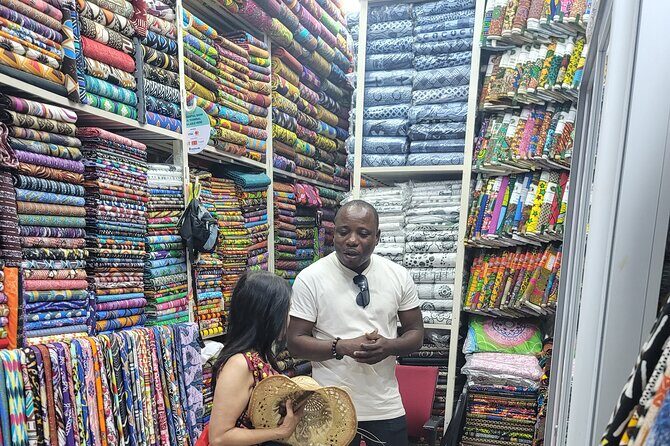
- Makola fabric market walk-through focused on cloth types and what symbols mean
- Choose your own African print from about a hundred options
- Hands-on workshop time for measuring, cutting, and basic stitching
- Your garment finishes while you snack with an expert team handling the final sewing touches
- Includes fabric cost and all fees, so the price is more predictable than most shopping-only tours
- Pickup and drop-off with an air-conditioned vehicle for a smoother day
Where It Starts: Makola Fabric Market and Your Workshop Day Plan
This experience is built around one main idea: spend your morning learning cloth, then turn that knowledge into clothing. You meet at Makola shopping mall new building on Market Street in Accra (GQWV+67G). From there, you either walk or take transport to the fabric market area so you can see options up close before anything gets cut.
The tour runs about six hours. That matters because you’re not just browsing for souvenirs. You’re selecting fabric, learning what you’re looking at, and moving into measuring and sewing on the same day. If you like to plan carefully, give yourself space on your calendar for a full half-day block.
Because it’s a private activity, your group stays together and you’re not trying to “share” attention with strangers. The day also includes bottled water, soda, and snacks, which helps keep energy up while you’re standing and making decisions.
You can also read our reviews of more tours and experiences in Accra.



The Fabric Tour: Prints, Kente Types, and Meaning Behind Symbols
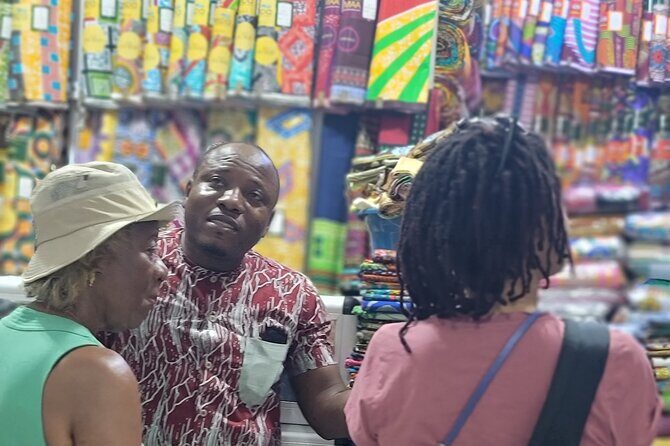
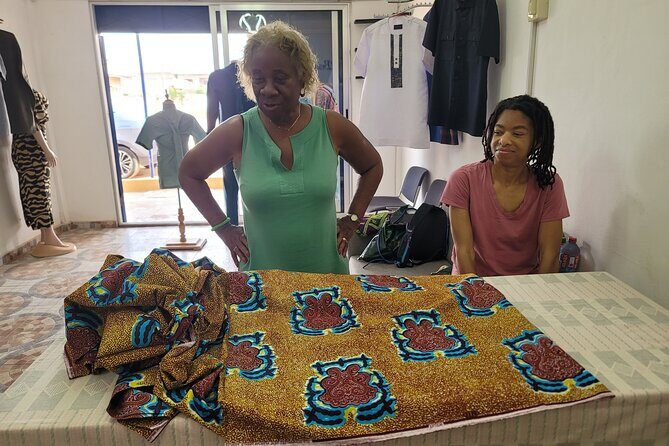
This is the part that makes the whole day feel smarter, not just hands-on. You’ll tour the fabric options and get names for different cloth types in Ghana, plus the meanings of the symbols you see on the prints. That detail is more useful than it sounds. When you know what the symbols represent, your final outfit turns into a story you can explain.
If you’re drawn to patterned textiles, you’ll likely enjoy the way the market time is framed as learning. One of the best takeaways is that you can connect kente fabric types with the meaning carried by their designs. Even if you’re not chasing kente specifically, the symbol education helps you choose with confidence instead of guessing.
You’ll also be given lots of choices. The experience says you can select from around a hundred options, which is a real range. In practice, that means you can compare prints side-by-side and pick the one that genuinely works for you rather than the first one that catches your eye.
Practical consideration: bring a clear idea of what you want the garment to be. Fabric selection is exciting, but you’ll move faster if you already know whether you want a shirt, dress, or caftan style.
Choosing Your Garment: Shirt, Dress, Caftan, and Flexibility
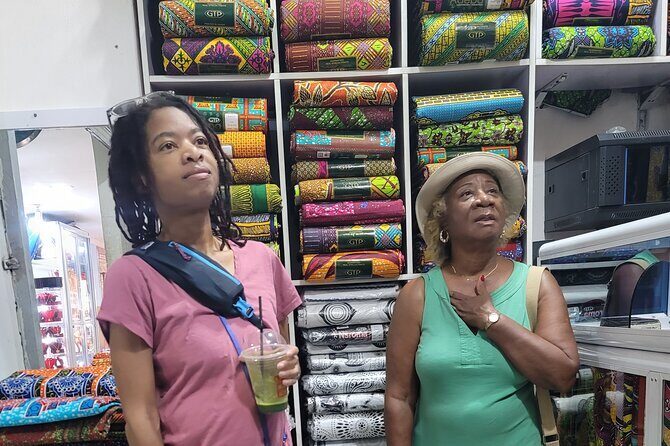
After you pick your fabric, the day shifts toward turning that cloth into clothing. You’ll be guided into selecting your garment type. The experience specifically mentions a custom African print shirt, dress, or caftan.
This matters because each style changes the cutting approach. A caftan can be more forgiving for fit choices, while a shirt or dress often needs more attention to measurements and proportions. The good news is that you’re not left guessing. The workshop covers measuring and cutting as part of the process.
You can also request other items made in African print, but that part is handled through message before or during booking. So if you’re imagining something like a skirt or another garment form, it’s worth messaging in advance and keeping your request simple and clear.
The ideal approach: pick your print first, then decide which garment style feels most useful for your trip or your next season back home. You’ll get the most satisfaction if you treat the garment like a real wardrobe piece, not just a one-time novelty.
Workshop Stage: Measuring, Cutting, and Learning Basic Stitching
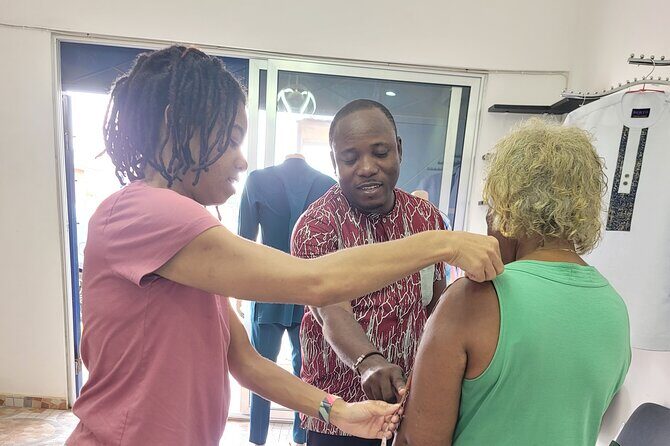
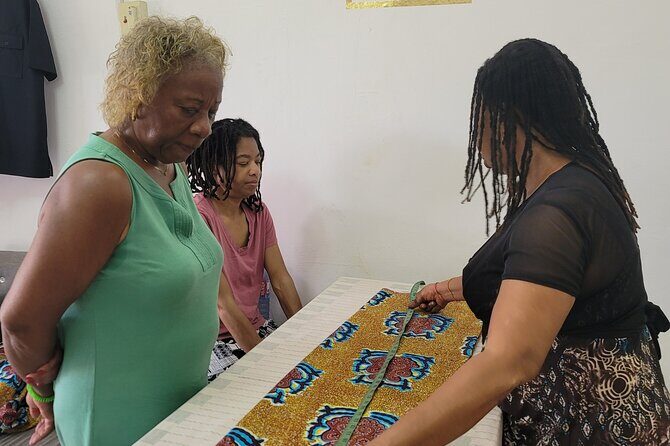
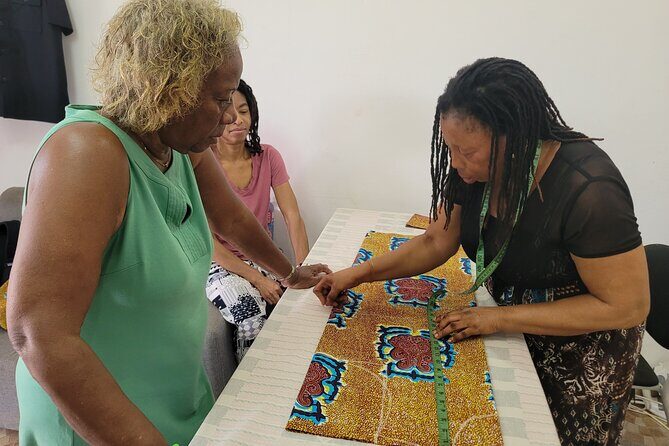
Once the fabric choice is locked in, you head to the workshop. Here’s where the experience becomes genuinely hands-on. You’ll learn how body measurements are taken for your custom African wear. Then you’ll see (and participate in) the cutting of the pattern pieces for your garment.
The cutting step is a big deal. This is where the garment stops being cloth and starts becoming your body shape. When you understand that phase, the finished result feels earned, not random. And since the workshop includes training and the sewing equipment, you’re not expected to know how tailoring works ahead of time.
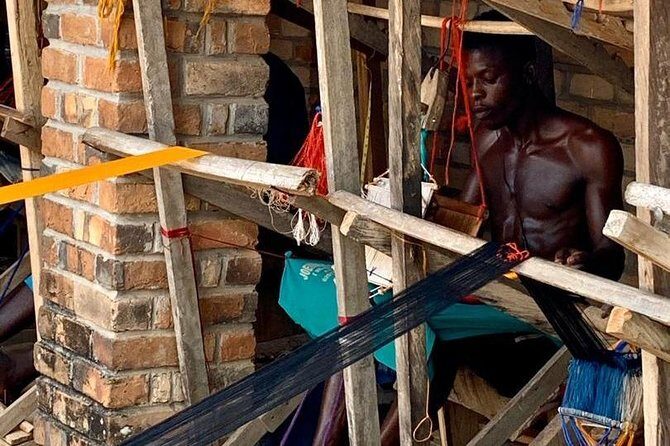
You’ll also learn basic stitching or hand sewing while assembling your garment with help from the studio assistant. That doesn’t mean you’re sewing alone from start to finish. Instead, you get the practical lesson side of the process, while the experienced team takes care of the parts that require speed and precision.
One smart detail: your assistant team handles the finishing workload. You get the learning moment, but you don’t lose the whole day to complex sewing.
Snacking and Watching the Final Garment Take Shape
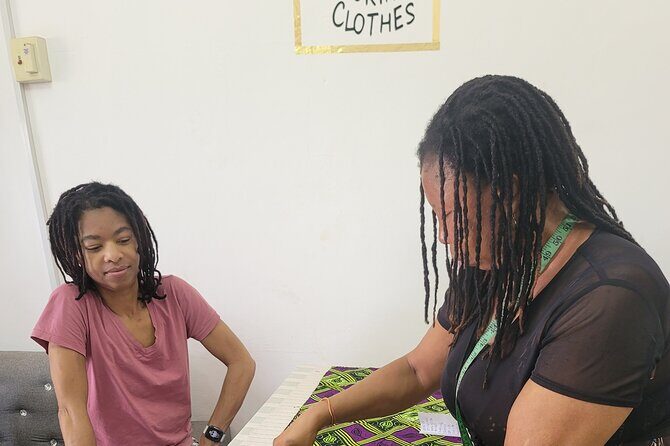
This experience doesn’t keep you in a chair the entire day. You get market time for fabric learning, workshop time for measurements and sewing basics, then a bit of downtime where you can enjoy local snacks as the garment gets completed by the assistant.
That flow is practical. If you’ve ever done a day tour that’s mostly waiting, this isn’t that. You stay busy, then the team finishes the final touches. When you’re ready to leave, you can take your garment with you, which is the point.
The included snacks and drinks are also more than a perk. With a half-day schedule, the small fuel makes a difference in comfort and decision-making. You’ll likely find it easier to concentrate on the fabric and style choices when you’re not hungry or thirsty.
Finishing touches are handled by experts, so you shouldn’t worry that a basic lesson limits the final quality. The whole design of the experience is learning + outcome, not learning-only.


Price and Value: What $240 Really Covers in Accra
At $240 per person, this isn’t a budget market stop. But it’s also not just paying for shopping. The price bundles the big costs that usually add up separately.
Here’s what’s included:
- Cost of African print/fabric
- Your custom African wear (shirt, dress, or caftan)
- Pickup and drop-off, plus an air-conditioned vehicle
- Snacks, bottled water, and soda/pop
- All fees and taxes
- Sewing equipment and training
- Assistance during cutting and sewing
What’s not included:
- Tips
- Lunch and dinner
- Anything not listed as included
So the value test is simple. If you’d otherwise pay for fabric plus tailoring plus transportation plus a guide, the included structure makes sense. If you only want a quick souvenir and you’re not interested in the fabric learning or the workshop process, it may feel pricey.
Also, you’ll probably book this about a week ahead on average. That’s useful if you’re trying to line up your schedule around your fabric preferences and the half-day block.
Timing, Logistics, and What to Expect From the Day
The tour runs roughly six hours, with availability every day during the stated opening window (9:00 AM to 6:00 PM). Meeting at Makola means you’re starting in a busy, fabric-focused area of Accra, and the day is designed to move efficiently.
You’re also close to public transportation, which can help if you decide to plan independently before the pickup. But the experience includes pickup and drop-off, which usually makes the day less stressful, especially if you’re juggling a shopping-heavy route and a workshop visit.
One more point: the experience requires good weather. If conditions aren’t suitable, it should be rescheduled or you get a full refund. Since the day begins with market time, weather matters.
The tour is a private activity, so you should expect attention geared toward your group only. And you’ll receive a mobile ticket.
Who This Experience Fits Best (and Who Should Skip It)
This is a great fit if you want an outfit that has meaning and if you enjoy practical learning. It suits:
- People who like cultural crafts, not just photo stops
- Anyone who wants a wearable souvenir (not just a fabric bag)
- Couples or friends who can pick matching prints or complementary styles
- Travelers who like the idea of learning symbol meanings and textile types
Consider skipping or adjusting expectations if:
- You want a fast, casual shopping trip only
- You’re not interested in measurements, patterns, or sewing basics at all
- You’re short on time and can’t spare a six-hour block
- You’re sensitive to schedule changes from weather
If you do book, treat the fabric selection as the main decision. The rest of the day is the process that turns that choice into your custom garment.
Should You Book This Accra Tailoring + Fabric Tour?
I think you should book if you want a real outcome and a real learning moment. The fabric tour with symbol meanings makes your final garment feel personal, and the workshop parts (measurements, cutting, basic stitching) give you a behind-the-scenes view you can’t get from a typical market purchase.
It’s also a strong value when you compare what’s included: fabric cost, tailoring outcome, equipment, training, and transportation. The main downside is simple: the experience takes time and depends on decent weather, so it’s best when you’re planning a flexible half-day.
If you’re on the fence, decide this way: do you want a story you can wear, or do you just want a quick shopping win? If you want the first one, this is a very satisfying choice.
FAQ
What time does the tour run?
The experience lasts about 6 hours (approx.).
Where do we meet?
You start at Makola shopping mall new building on Market Street in Accra (GQWV+67G).
What custom items can I make?
You can make a custom African print shirt, dress, or caftan. Other African print items may be possible if you discuss it via message.
Does the price include the fabric and the garment?
Yes. The cost of the African print/fabric and your custom African wear are included, along with all fees and taxes.
What’s included for food and drinks?
Snacks, bottled water, and soda/pop are included.
What happens if weather is bad or I need to cancel?
If it’s canceled due to poor weather, you’ll be offered a different date or a full refund. You can cancel for a full refund up to 24 hours before the experience’s start time.